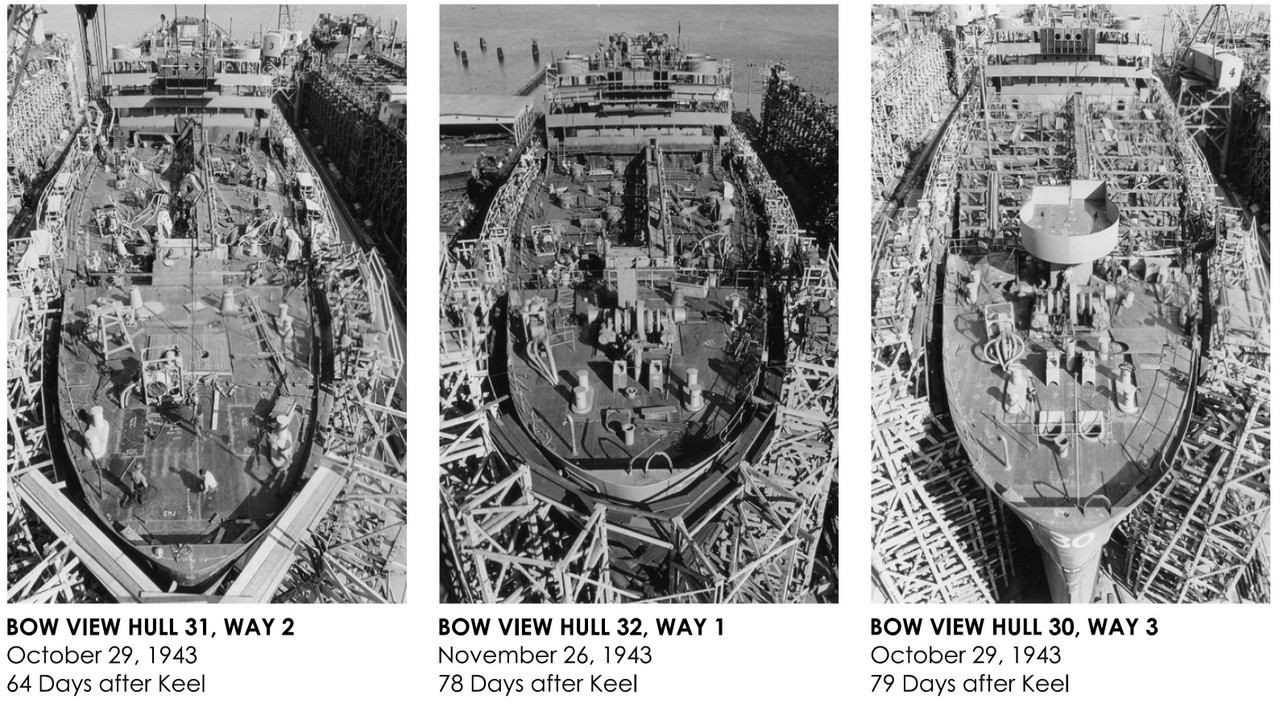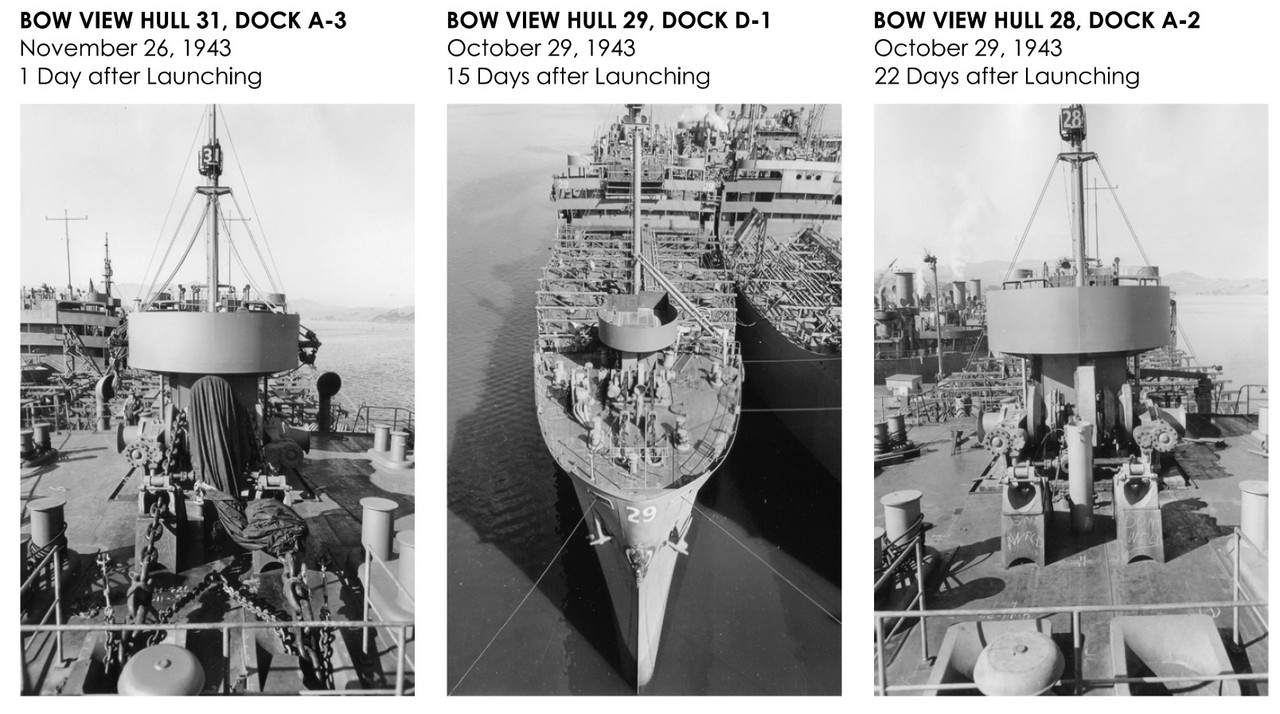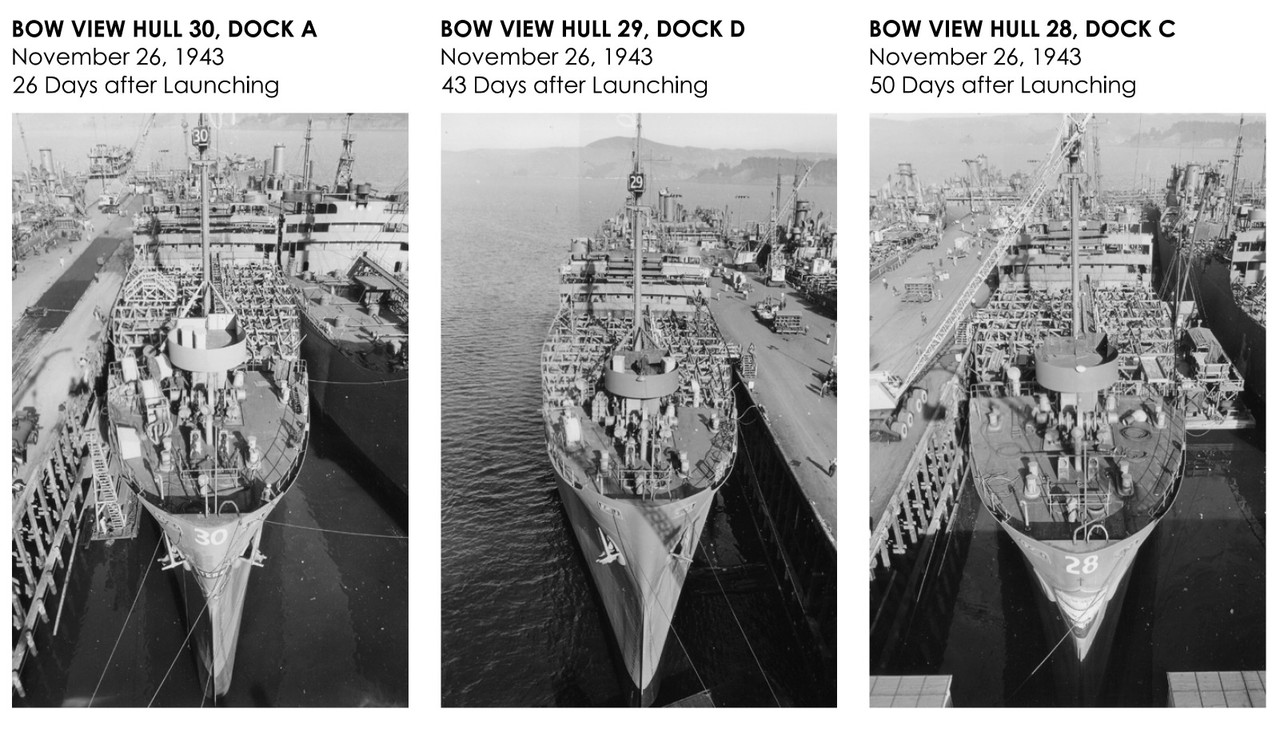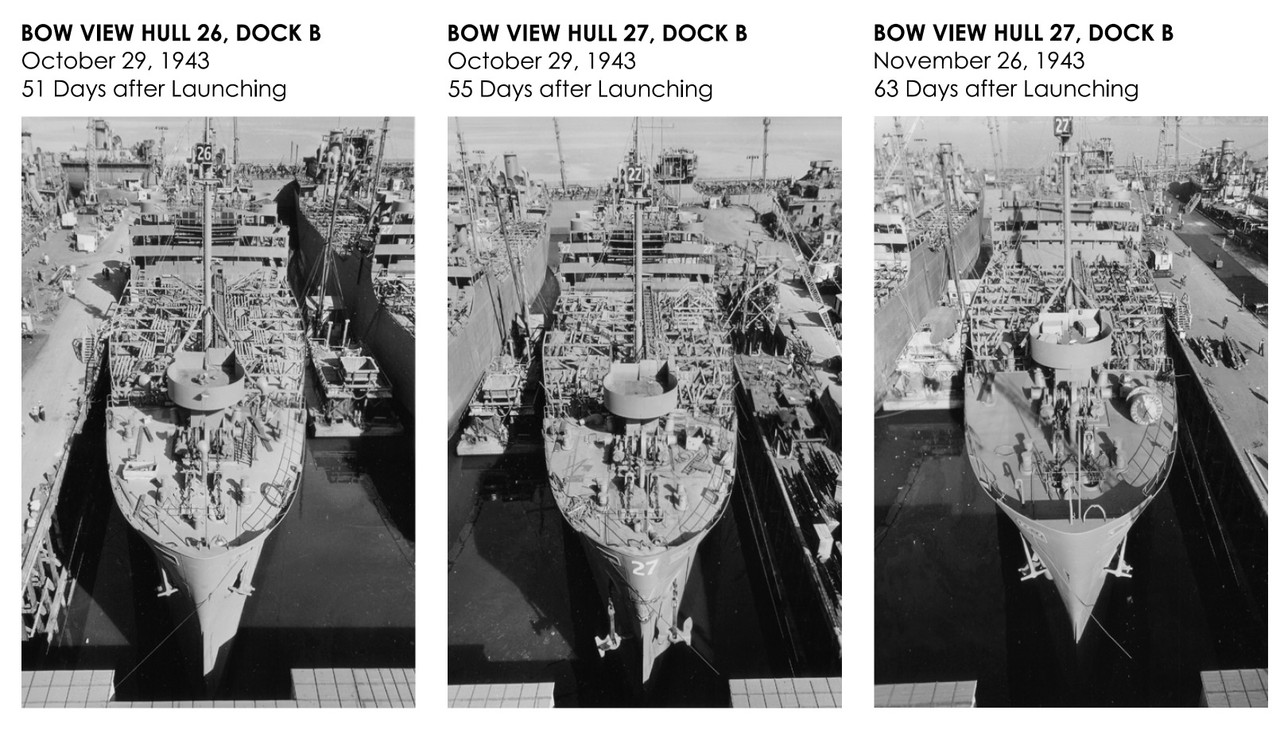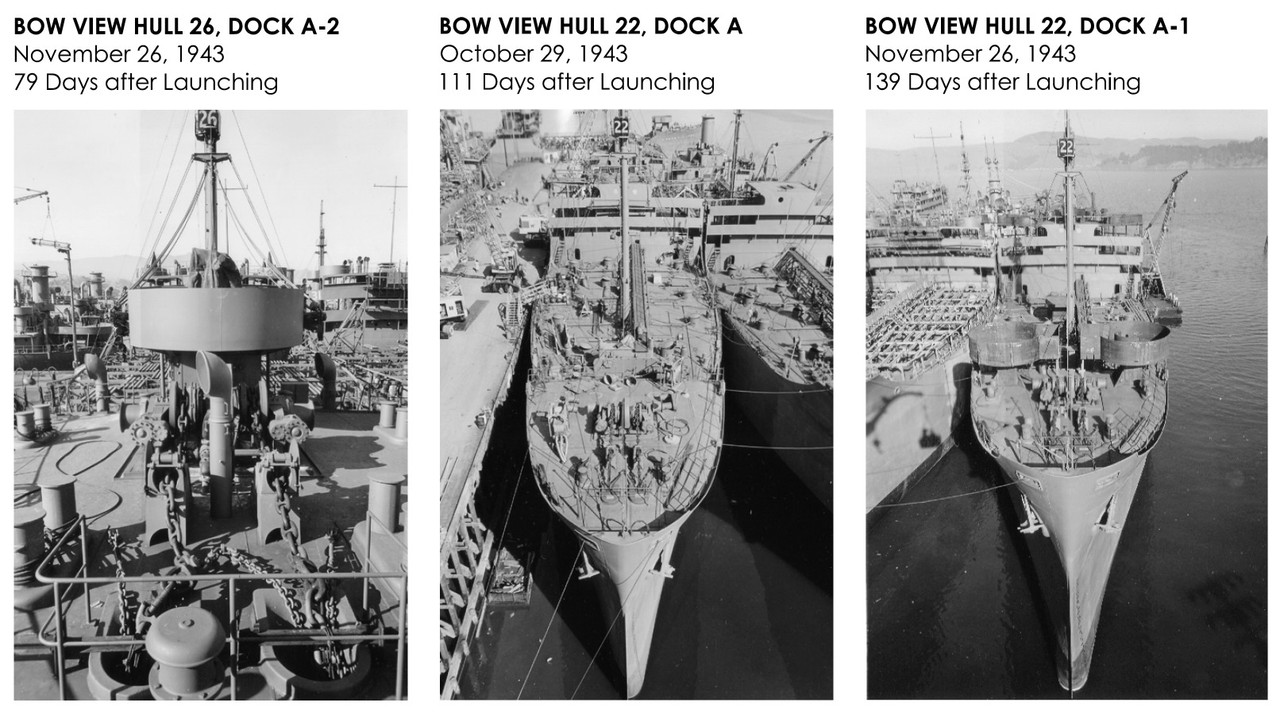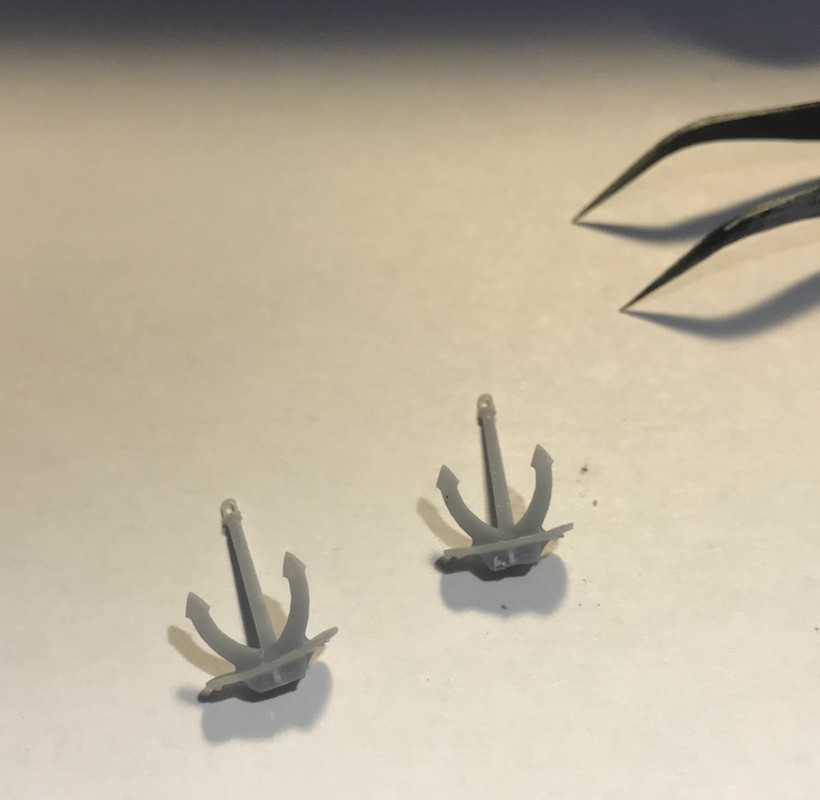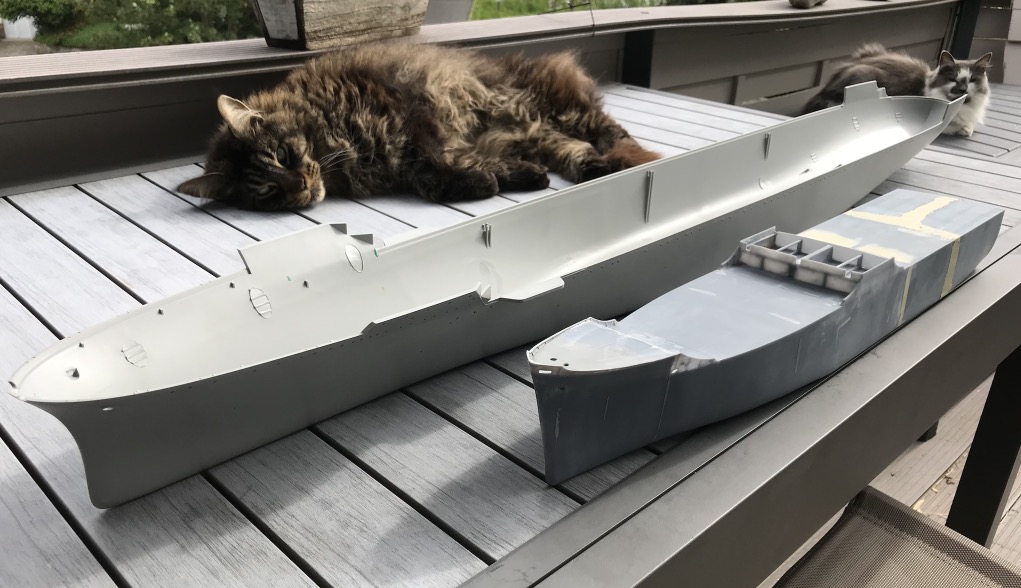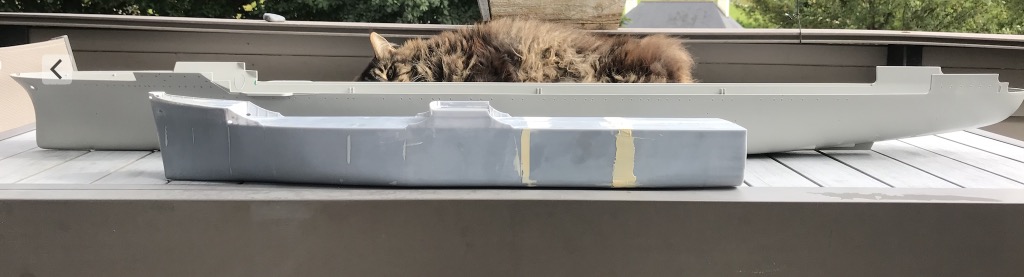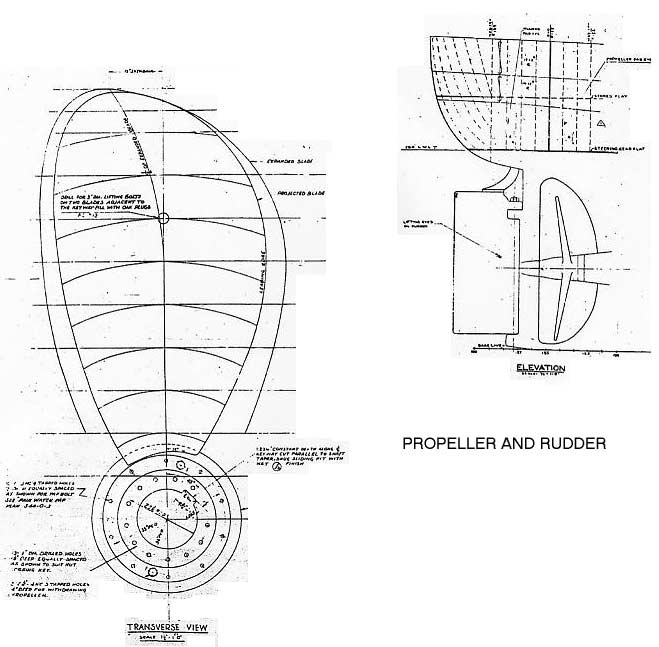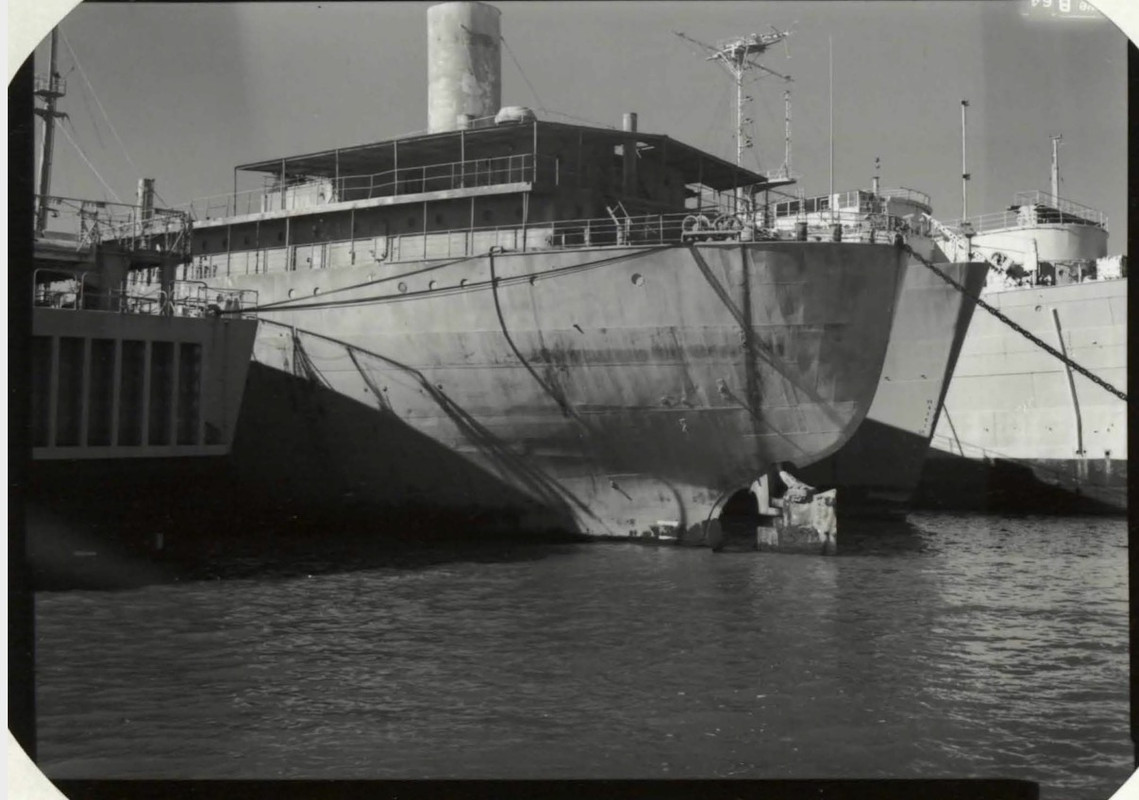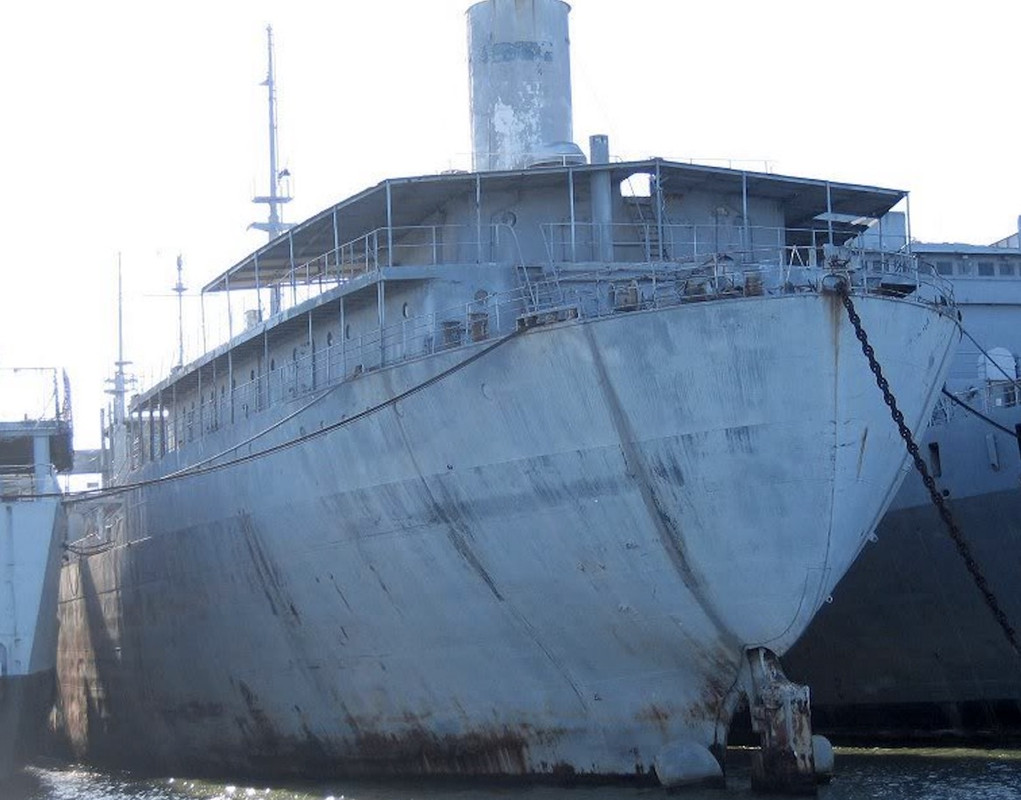
A little history to soak up this ship:
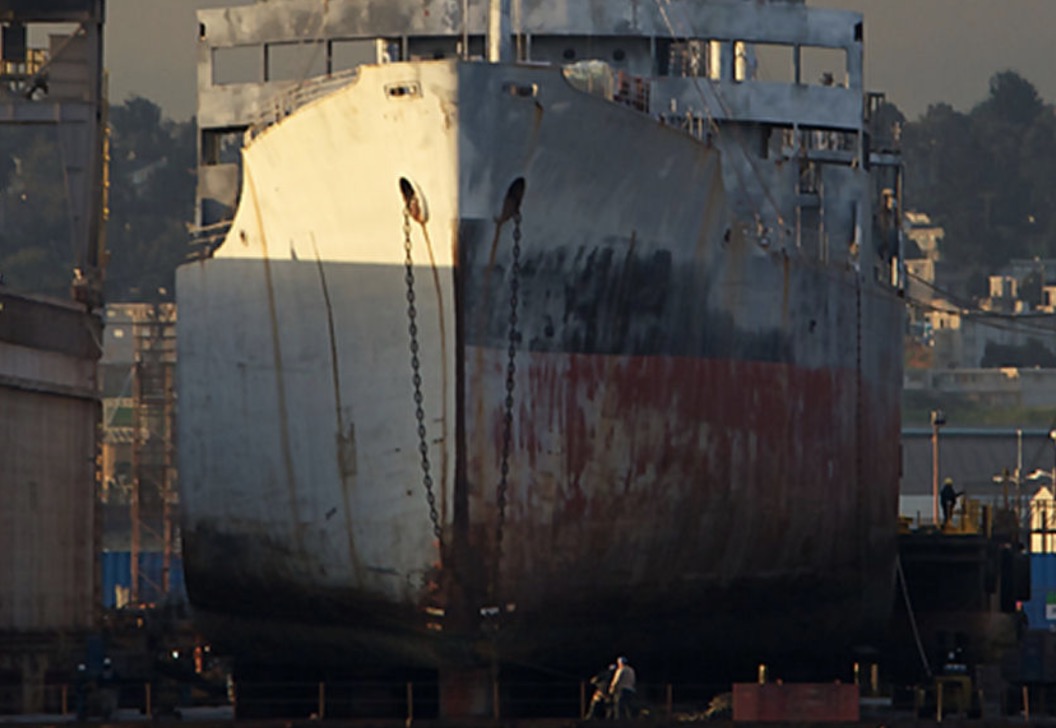
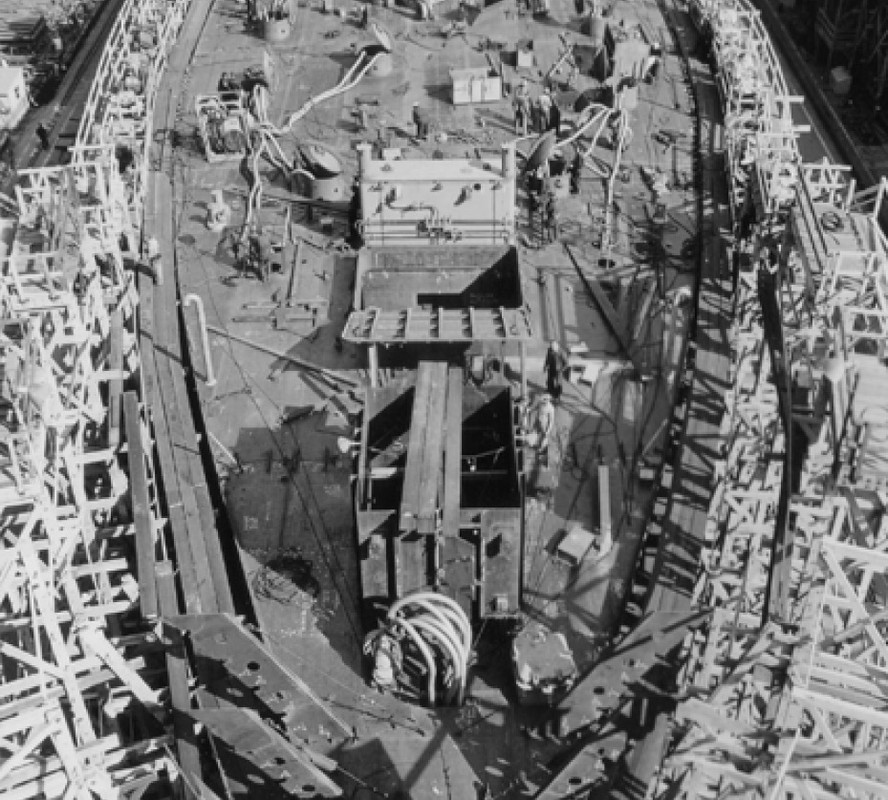
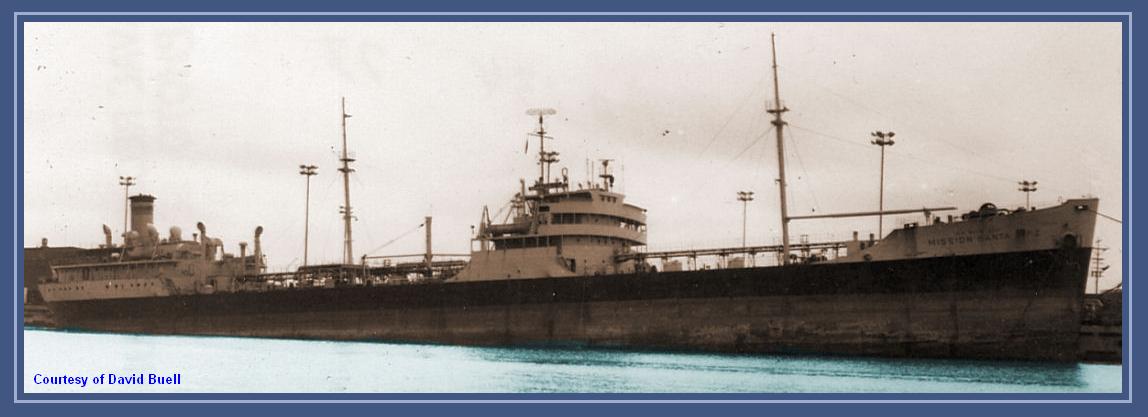
The SS Mission Santa Ynez was a type T2-SE-A2 tanker built for the United States Maritime Commission during World War II.
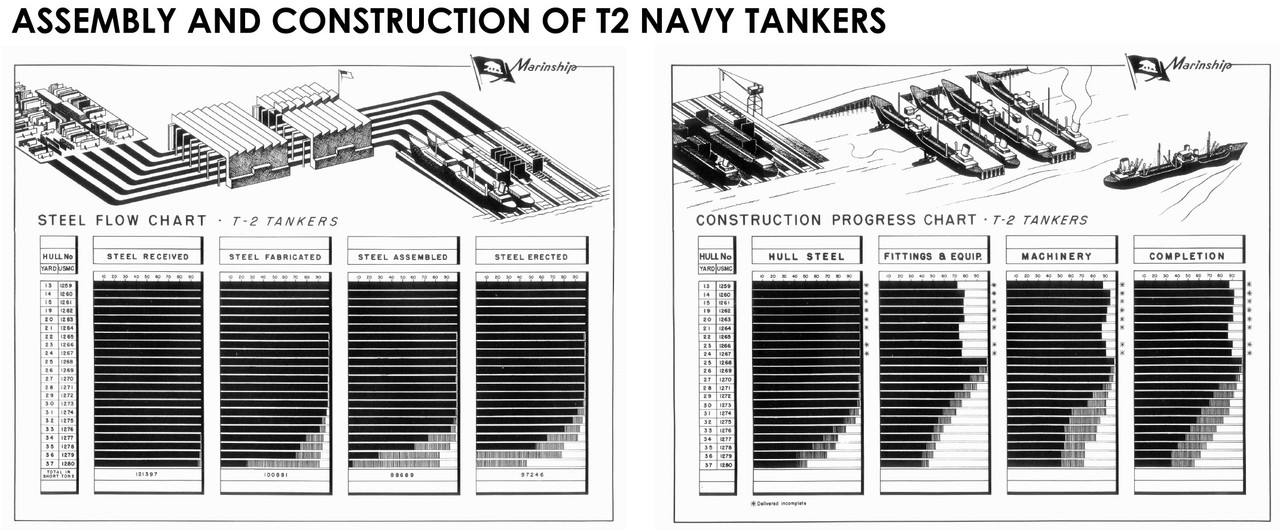
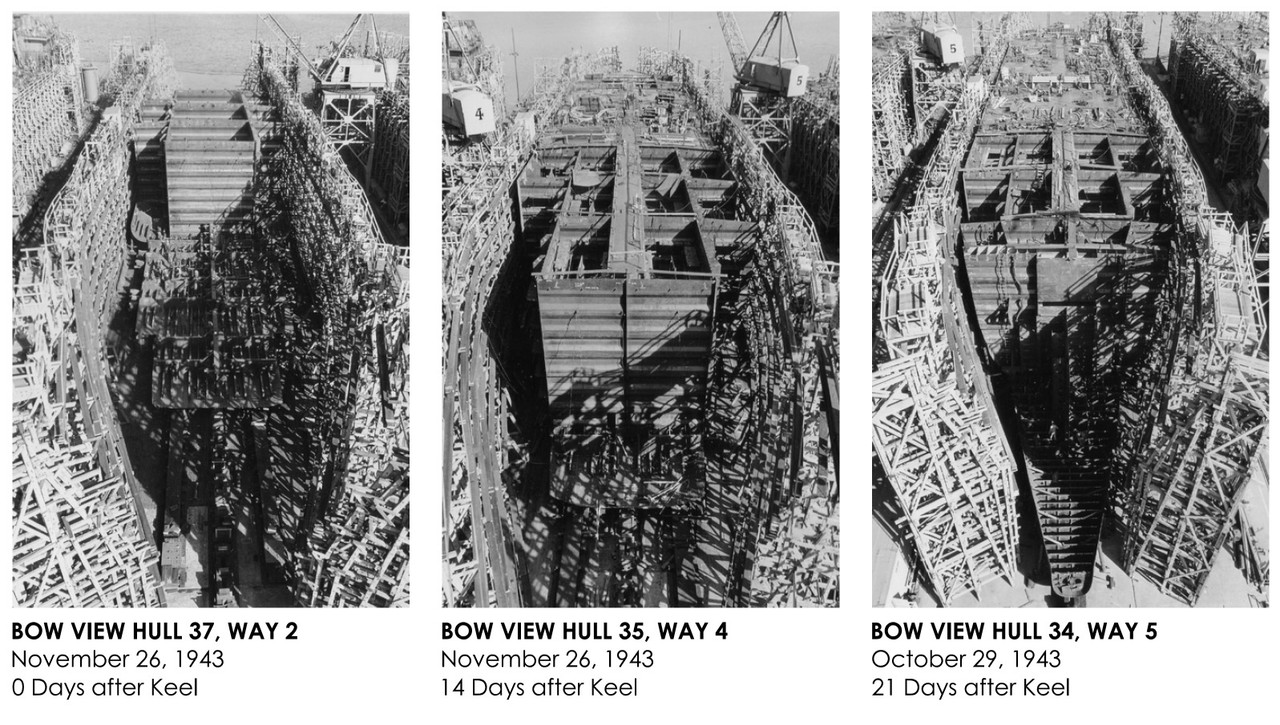
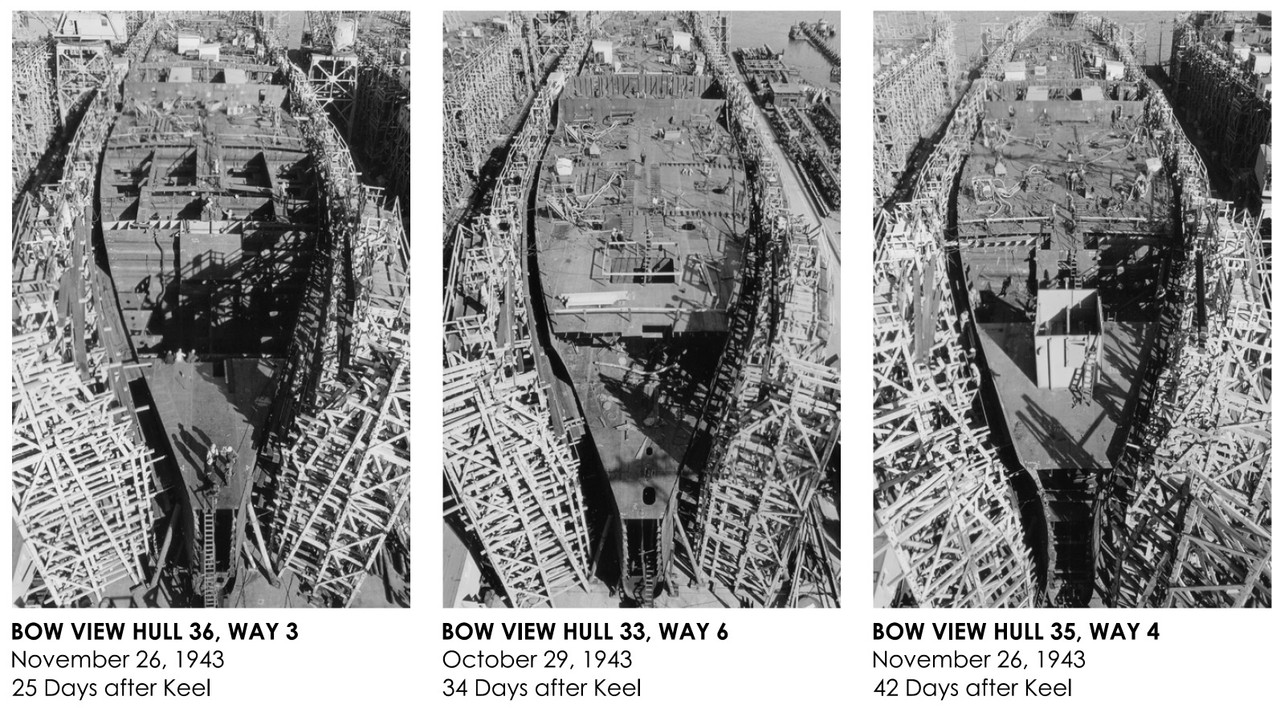
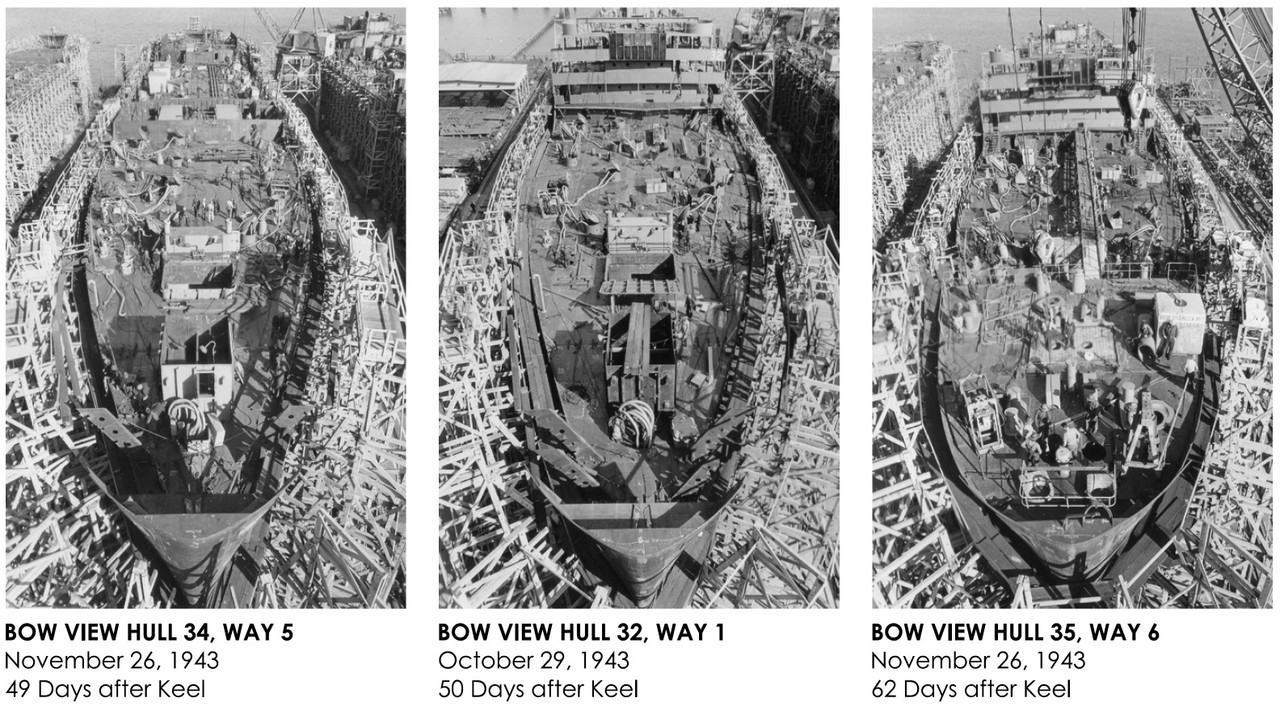
The Mission's thirty-one tankers were built by The Marinship Corporation.
The design was an adaptation of the T2-SE-A1 and boasted a more powerful propulsion unit, a power plant - 10,000 horsepower (hp) versus 6,000 hp.
After the war, it was acquired by the U.S. Navy as the USS Mission Santa Ynez (AO-134). Later, the tanker was transferred to the military shipping service as USNS Mission Santa Ynez (T-AO-134). It is a Mission Buenaventura class tanker, named after the Mission Santa In�s located in Solvang, California.
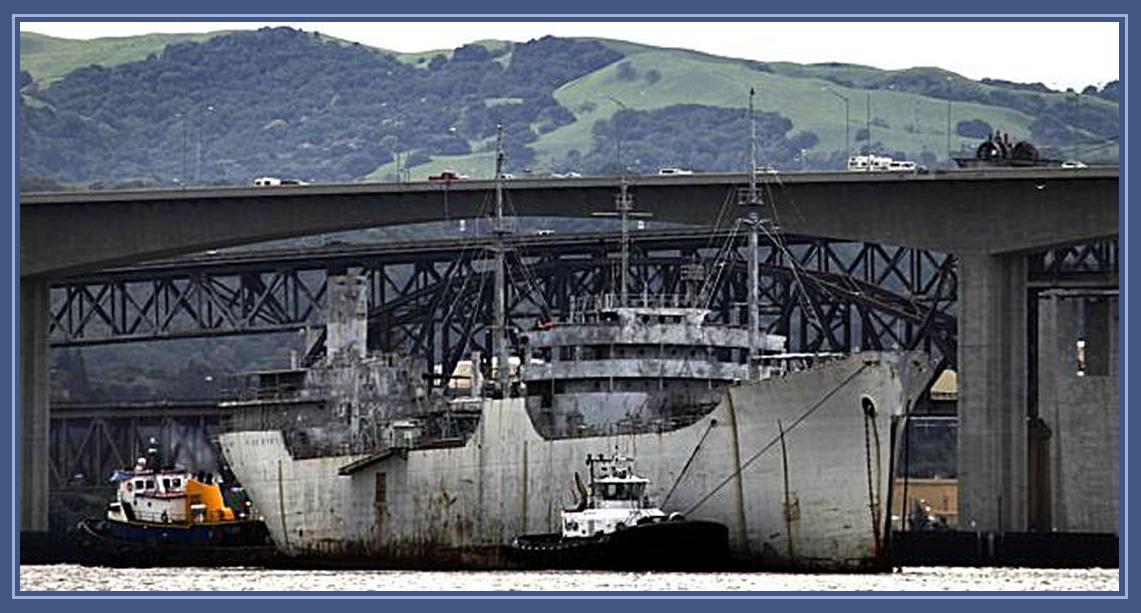
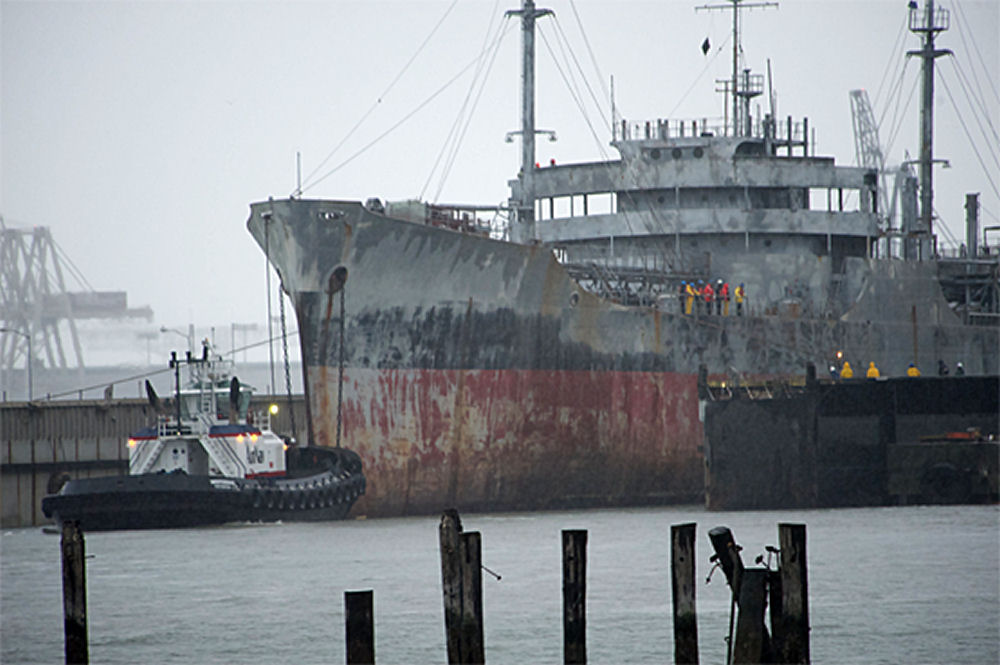
The Mission Santa Ynez, the last existing T-2 tanker, was stored in Suisun Bay as part of the Suisun Bay Reserve Fleet from 1975 until April 2010, when a lawsuit forced the U.S. Maritime Administration (MARAD) to withdraw it.
The tanker was transported to a ship recycling facility in Brownsville, Texas, via the Panama Canal in May 2010 for scrapping by Esco Marine.
Life of this ships:
The Santa Ynez Mission was established on September 9, 1943 under a Maritime Commission contract by the Marinship Corporation, Sausalito, California; she was launched on December 19, 1943, sponsored by Mrs. Ralph K. Davies and delivered on March 13, 1944. Chartered to Pacific Tankers, Inc. for operations, it spent the remainder of the war transporting fuel to our forces overseas. She remained in this capacity until March 28, 1946, when she was returned to the Maritime Commission and placed in reserve in the Maritime Reserve Fleet at James River, Virginia.
Acquired by the Navy on October 22, 1947, she was commissioned in the Naval Transport Service as Mission Santa Ynez (AO-134). Taken over by the newly created Military Naval Transport Service on October 1, 1949, it was renamed USNS Mission Santa Ynez (T-AO-134). Chartered to Mathiasens Tanker Industries, Inc. for operations, she joined the reserve fleet of the Suisun Bay Maritime Administration on March 6, 1975. She is the last existing T-2 tanker.
Towed from the Suisun Bay Marine Reserve Fleet in California on March 31, 2010, she was headed for dismantling in Texas via the Panama Canal.
During his active service, he was awarded the National Defence Service Medal (twice), the Korea Service Medal, the United Nations Service Medal and the Republic of Korea War Service Medal (retroactively).
For this model, which will probably be 1/200, I start from nothing, except the high definition shots made available by this site, I gave a little something to the Webmaster, but we are not obliged. It is a remarkable site with many plans including French ships, a gold mine. The "Golo" French ship would interest me for later also.
https://www.themodelshipwright.com/high ... o-vessels/
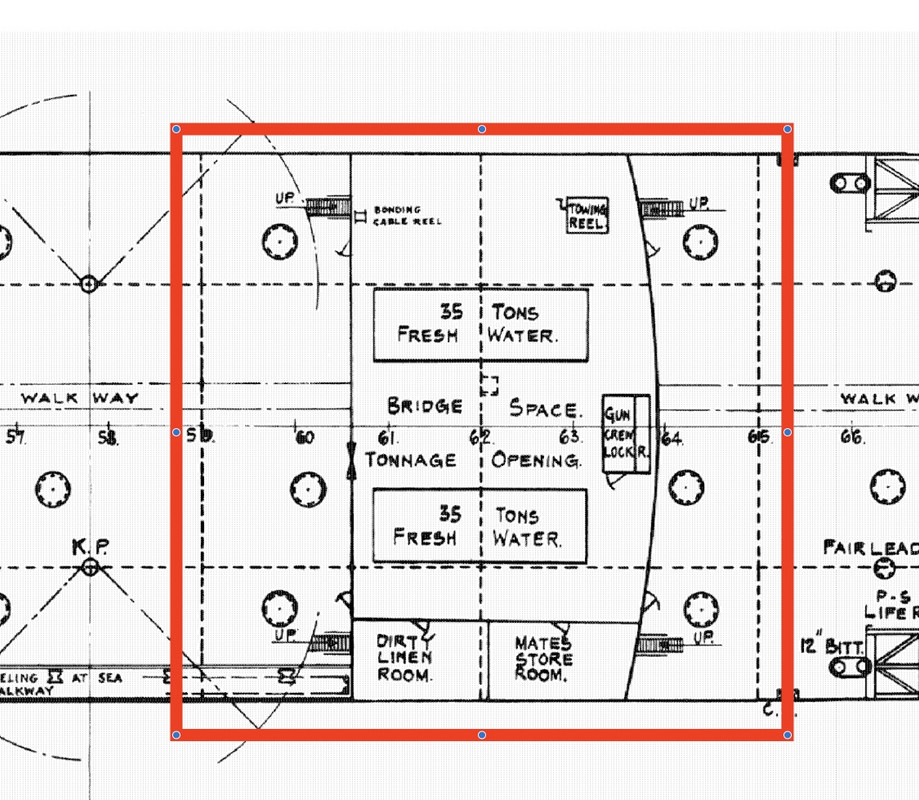
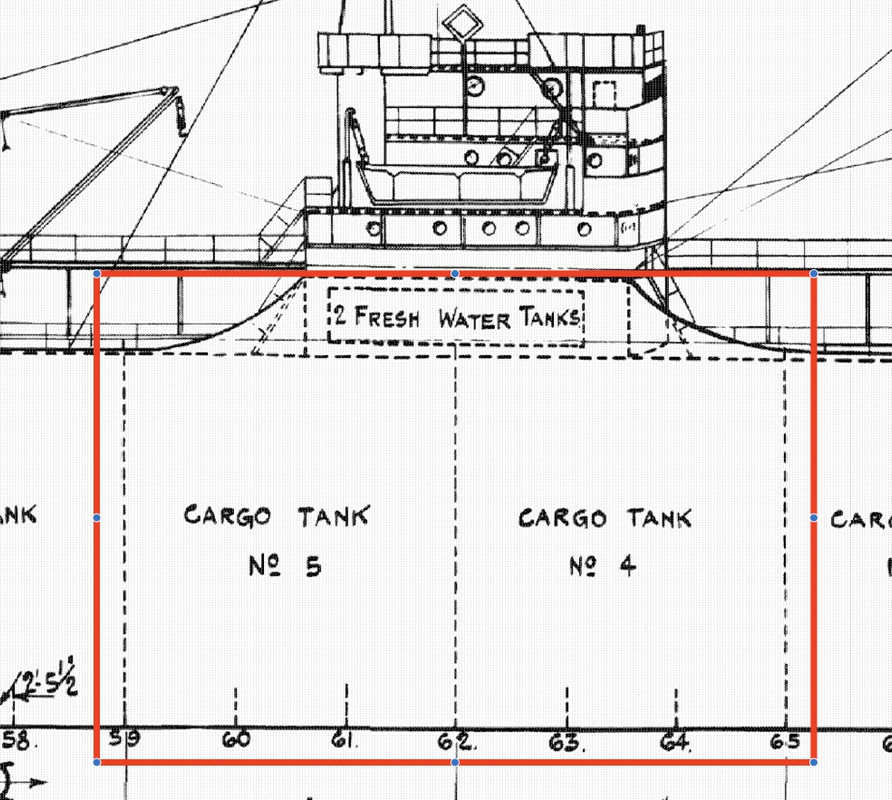
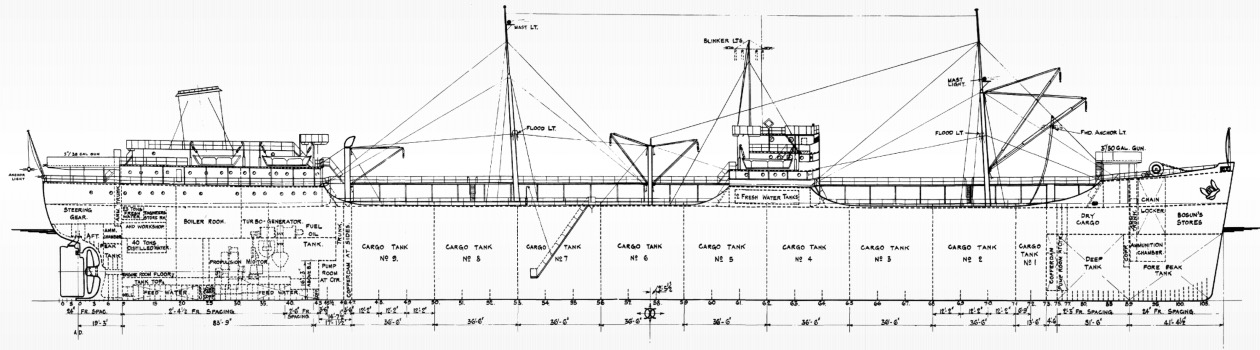
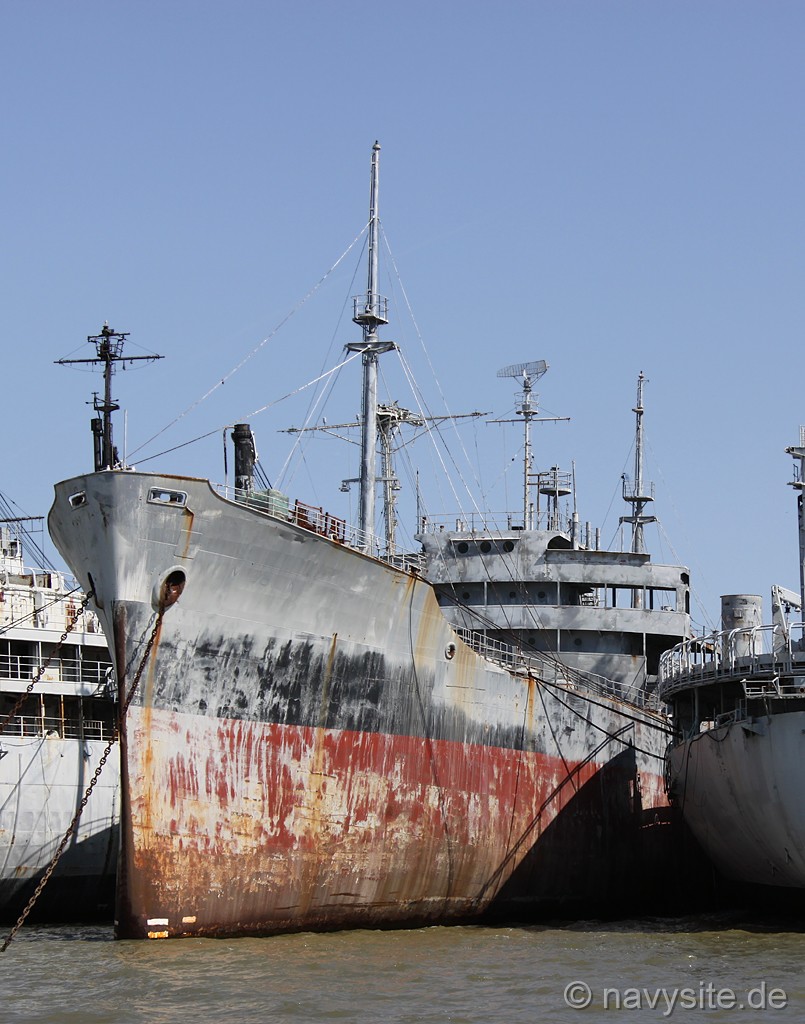
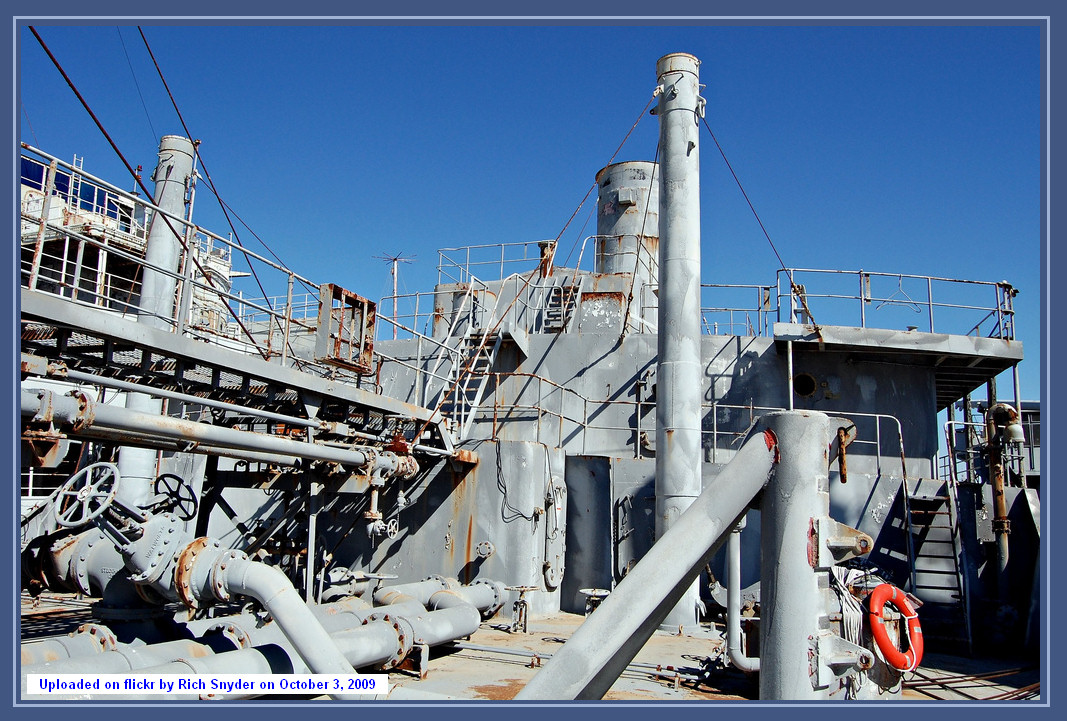
The Santa Ynez Mission plans are very complete:
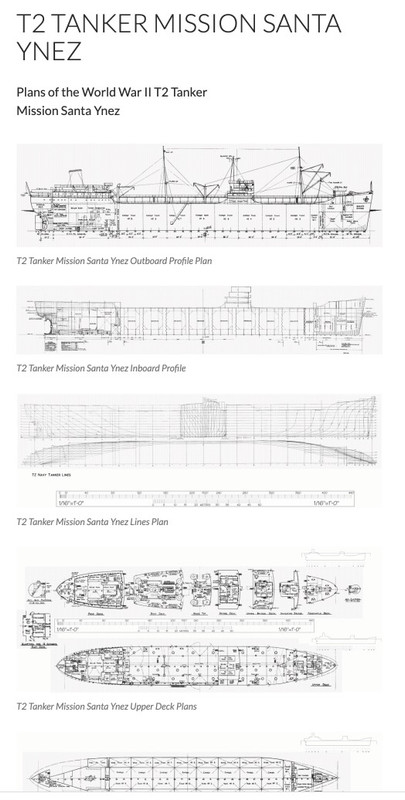
Photo source: http://www.memorieshop.com/Oilers/Santa-Ynez/Santa Ynez.html
Well, I've been facing a dilemma.
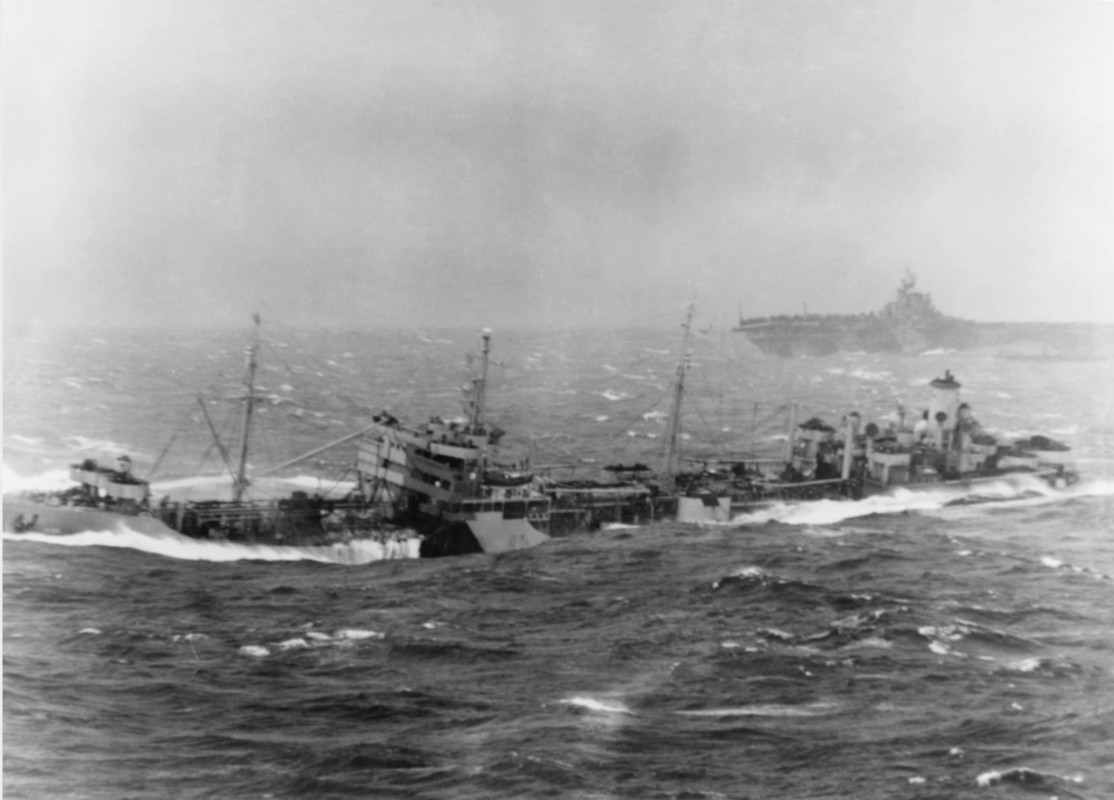
Since I came across the photos at sea with her Dazzle livery of the Tanker T2 Pamanset (AO-85) accompanying the aircraft carrier USS Essex (CV-9) in the China Sea, January 45, a few days ago, I've been asking about the casting...
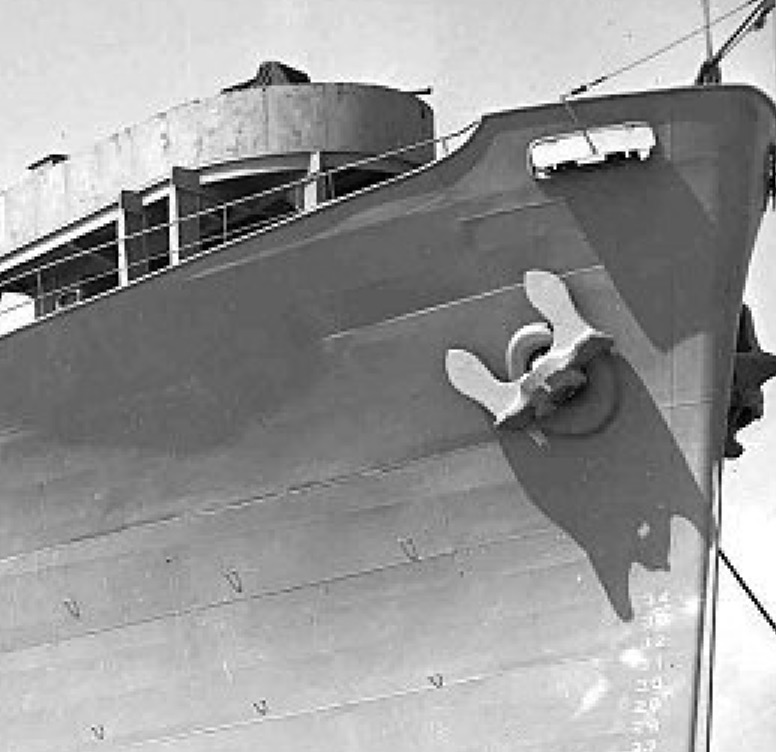
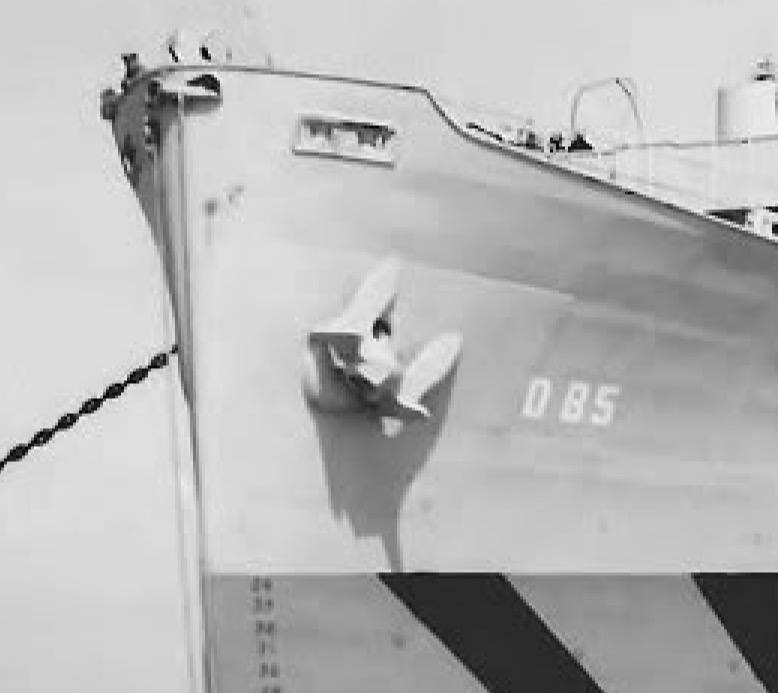
I have only one picture of the Santa-Ynez during the war, just after its launch, in sea trials, so without its final livery. As it is the armed version of the WW2 that I want to represent, it poses a problem of documentation. I don't know if it was equipped for refueling at sea. Anyway, I could represent it out of the shipyard, but it would lack... salt, weathering. And representing him with a dazzle and not knowing if he wore that camouflage makes me a little sad.
Good client:
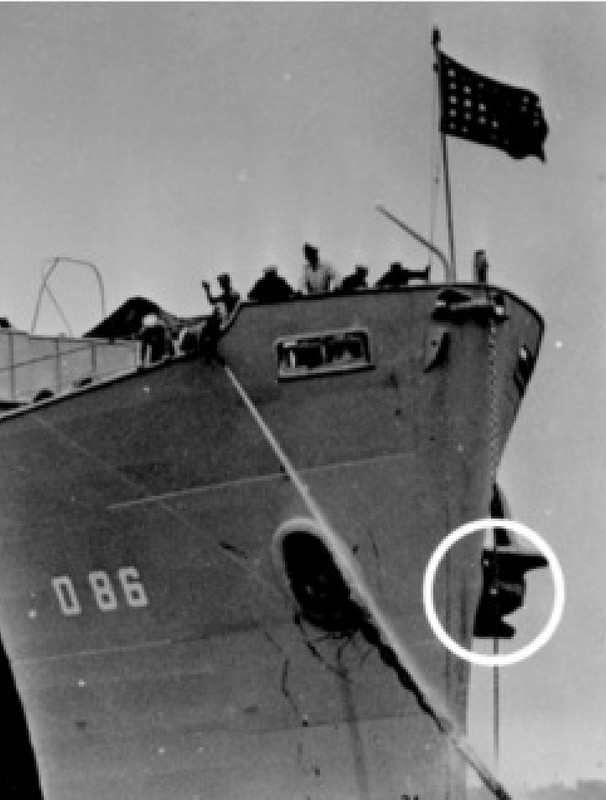
So I'm interested in the Pamanset (AO-85) and Ponaganset (AO-86), both built at the same MarineShipyard in Sausalito, California, as the Santa Ynez, but another series of the Escambia Class, pretty much the same. The AO-86 stopped sailing in 1949 ( Engine Power differe).
There's a little mistake on the USN Dazzle website, they are indeed T2-SE-A2 Escambia Class Fleet Oiler and not A1 as often written. Just a bit less powerful than the "Mission" class, but more than 2000 hp than the A1 class, an intermediate class between the A1 and the pure A2 somehow.Pamanset (AO-85)
A river in Massachusetts.
(AO-85: dp. 21,650; l. 523'6"; b. 68'; dr. 30'10"; s. 15.1 k.; cpl. 267; a. 1 5" 4 3", 4 40mm., 12 20mm.
Pamanset (AO-85) was laid down as MC hull 1264 by the Marinship Corp., Sausalito, Calif. under a Maritime Commission contract 30 March 1943; launched 25 June 1943; sponsored by Mrs. W. B. Murray; acquired by the Navy and commissioned 30 April 1944, Comdr. D. J. Houle in command.
Following shakedown, Pamanset sailed for Pearl Harbor and duty with the Pacific Fleet during the final months of World War II. Departing Pearl Harbor 24 July 1944, she steamed to the Marshall Islands, then to the Admiralty Islands where she spent the next several months refueling units of the 3rd Fleet. She continued her support of the 3rd Fleet during the Western Caroline and Philippine Islands engagements in the fall of 1944 as well as during the Formosa and China coast attacks early in 1945. Refueling operations in very heavy seas in January 1945, resulted in injuries to several of her crew.
Pamanset arrived off Iwo Jima 26 February and participated in that campaign until returning to Ulithi, 2 March, thence proceeding to San Pedro, Calif. for extensive repairs. She was underway again 4 June for the Western Pacific and serviced the 3rd Fleet in various fueling areas until the end of the war. After extensive operations in support of the occupation fleet in Japanese home waters, she departed Yokohama 8 November for San Francisco where she decommissioned 18 March 1946. She was struck from the Naval Register 28 March and transferred to the Maritime Commission 11 October.
Reacquired 10 February 1948, Pamanset was assigned to Military Sea Transportation Service 1 October 1949 and manned by a merchant crew. After necessary fitting out and trials, she added to her wartime record by rendering valuable service during the Korean conflict. She was struck from the Naval Register and transferred to the Maritime Administration Reserve Fleet 24 February 1956, reinstated 26 June for MSTS contract operations again, then struck again 26 September 1957. Subsequently converted to a container ship, she was sold by the Maritime Administration to Hudson Waterway Corp. and serves into 1970 as Seatrain Florida.
http://www.aukevisser.nl/t2tanker/id483.htm
This site is a gold mine for friends of the Dazzle:
http://www.usndazzle.com/index.php
http://www.usndazzle.com/ships.php?category=7&class=1
These two ships wear the same Dazzle camouflage, but the Pamanset has better photo documentation, and sailed until 1986. She was converted into a container ship.
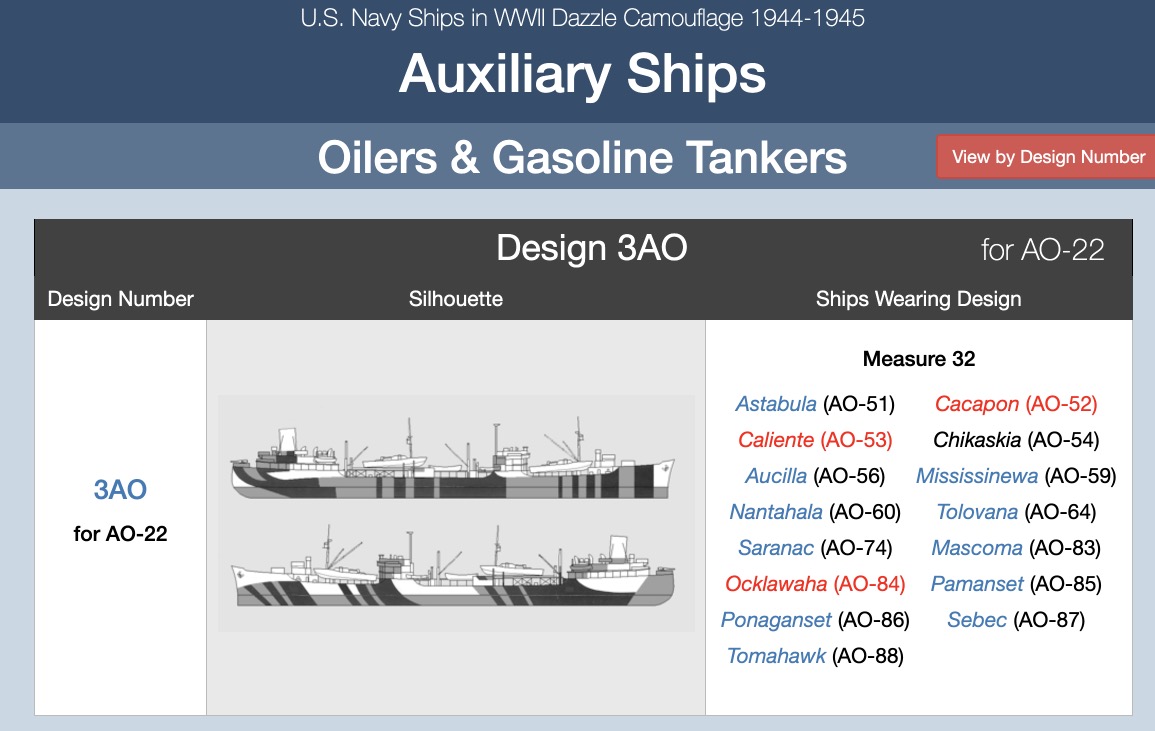
The USN Dazzle site provides all the information concerning the Dazzle 32/3AO scheme:
Port and starboard are of course not identical... this document is original:
HD:

The drawing for Design 32/3AO for the Cimarron and Ashtabula classes of fleet oilers based on the T3 maritime hull. The vertical colors specified were: dull black (BK), ocean gray (5-O) and light gray (5-L); ships that substituted haze gray (5-H) for light gray would have been in Measure 31. This drawing was probably completed by January 1944. Note the PT boats shown as deck cargo and the two waterlines.
This is the only design drawing for Design 3AO.
Original drawing source: NARA 80-G-160236 and 80-G-160237.
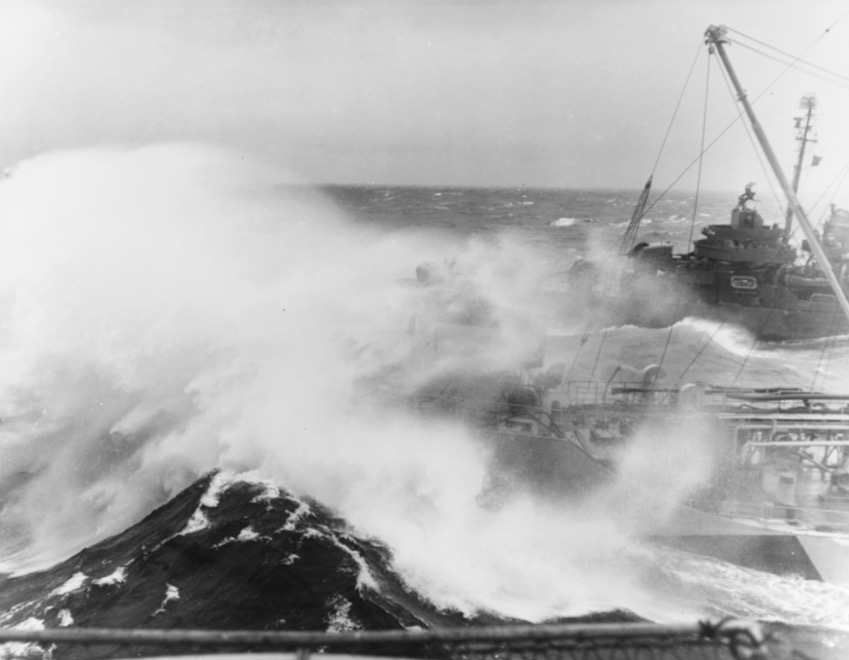
The supply tanker USS Pamanset AO-85 and the aircraft carrier USS Ticonderoga CV-14 in the storm in January 1945. Dazzle camouflage.

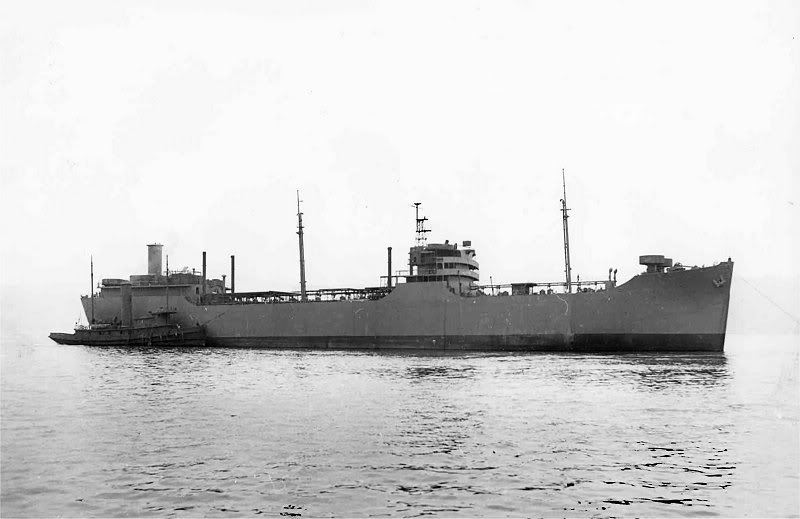
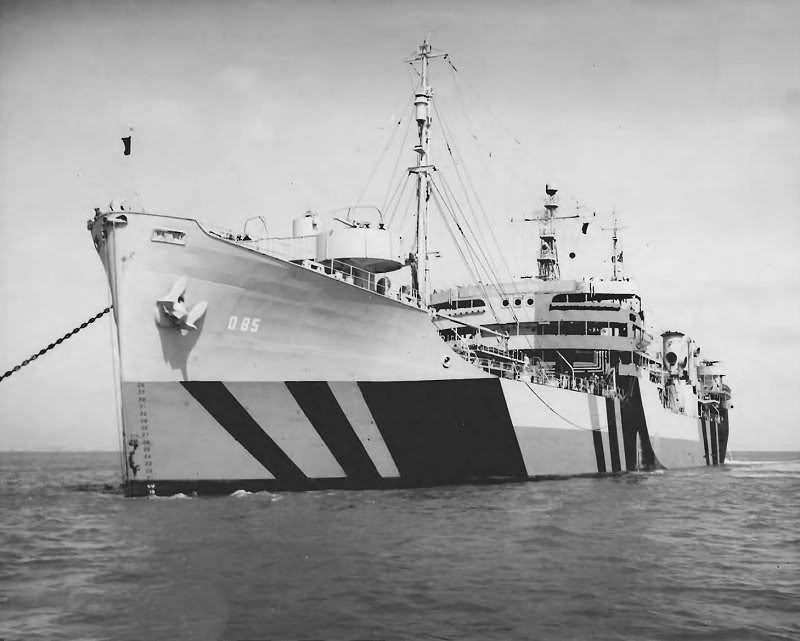
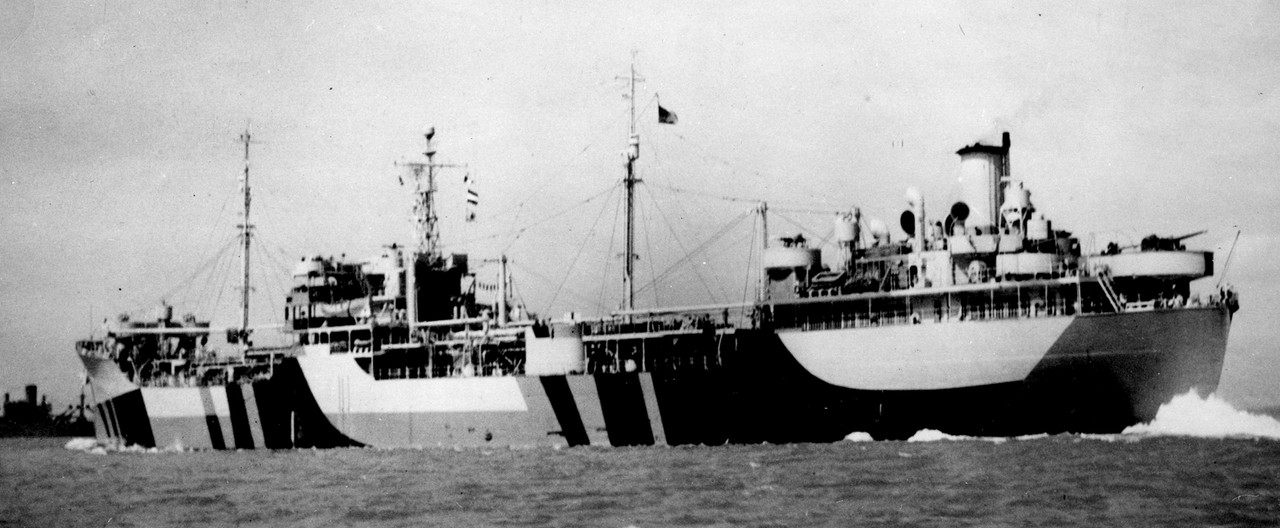
AO-86 the starboard side:
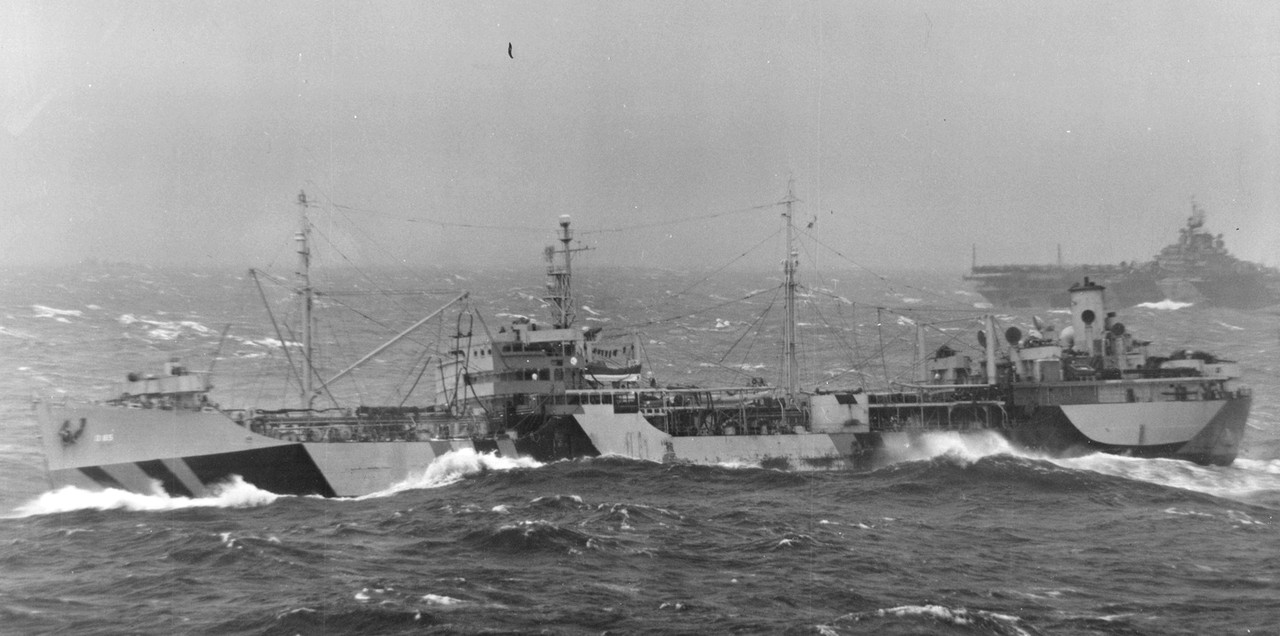
"Seatrain Florida", ex. USS Pamanset (AO-85).
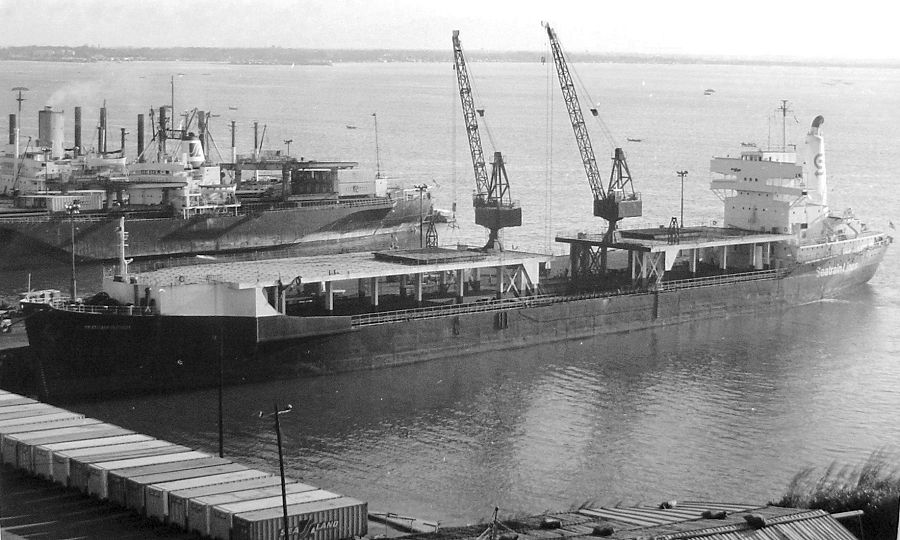
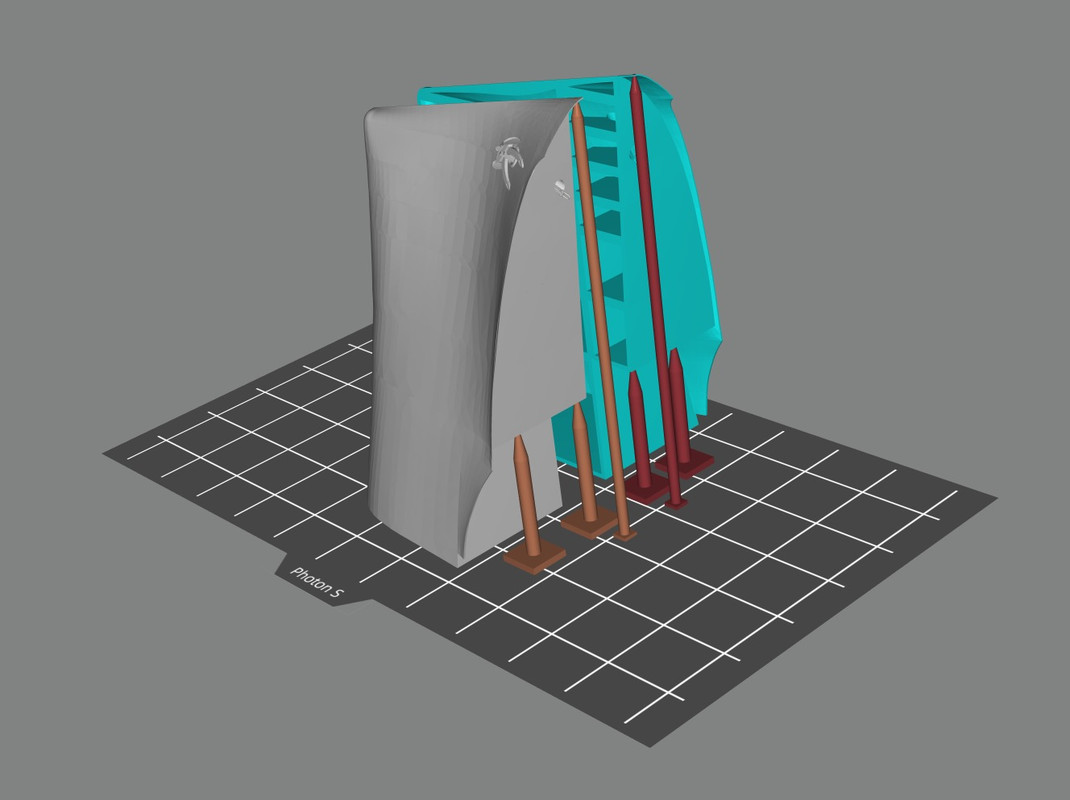
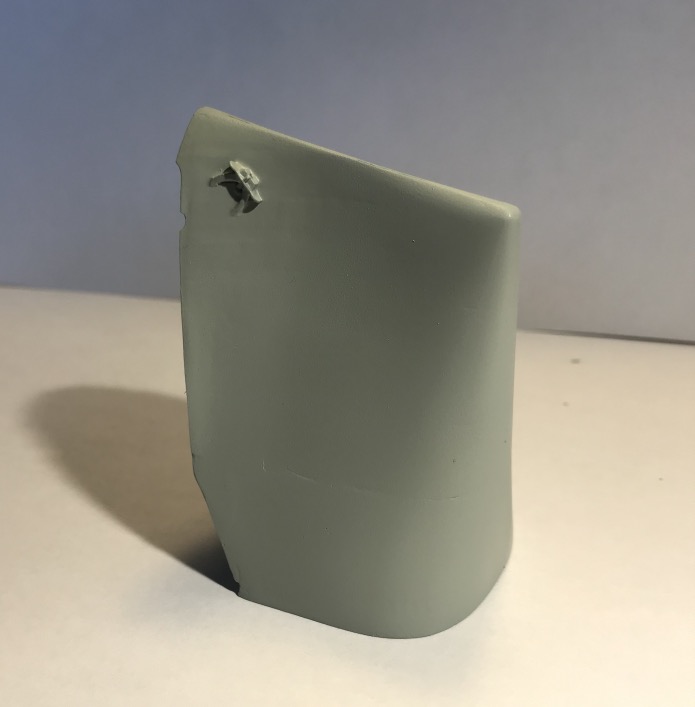
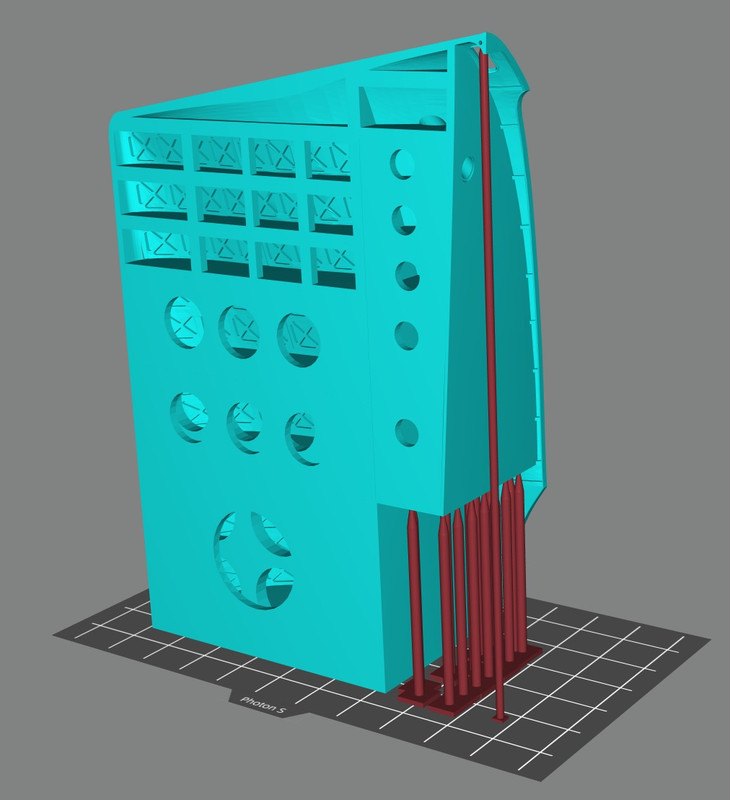
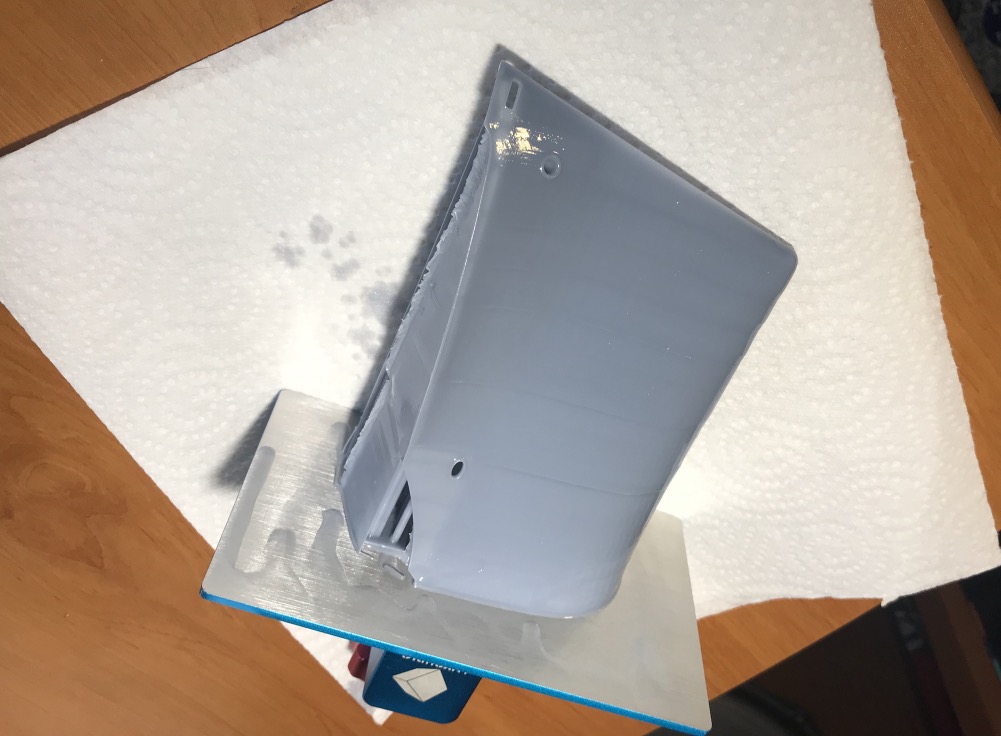
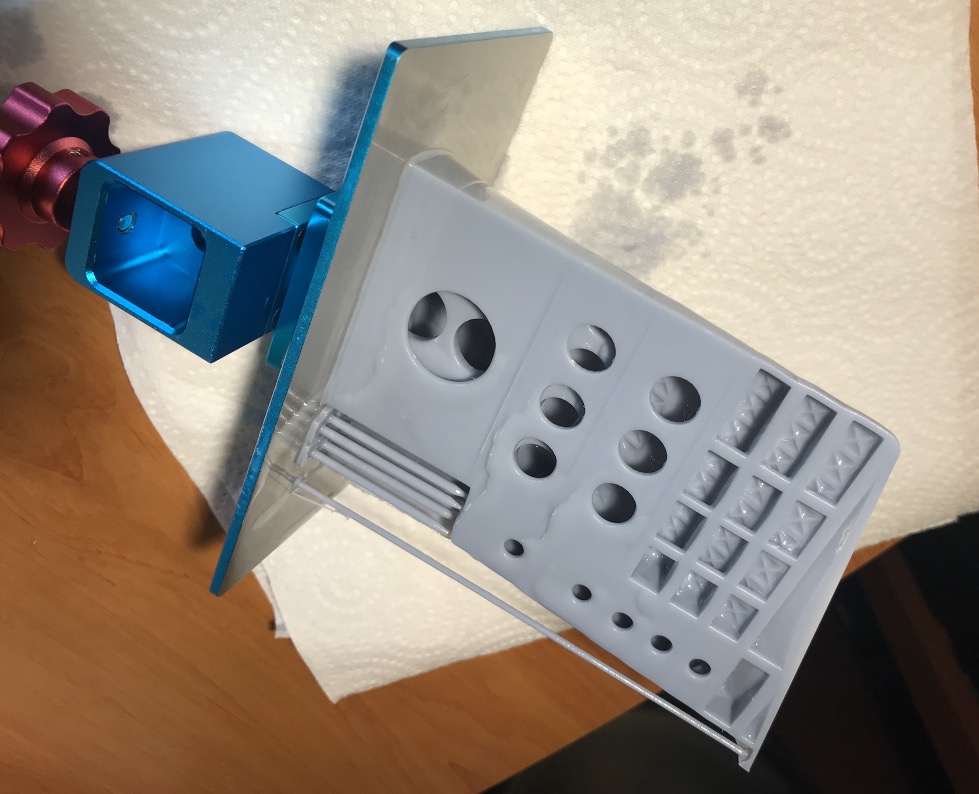
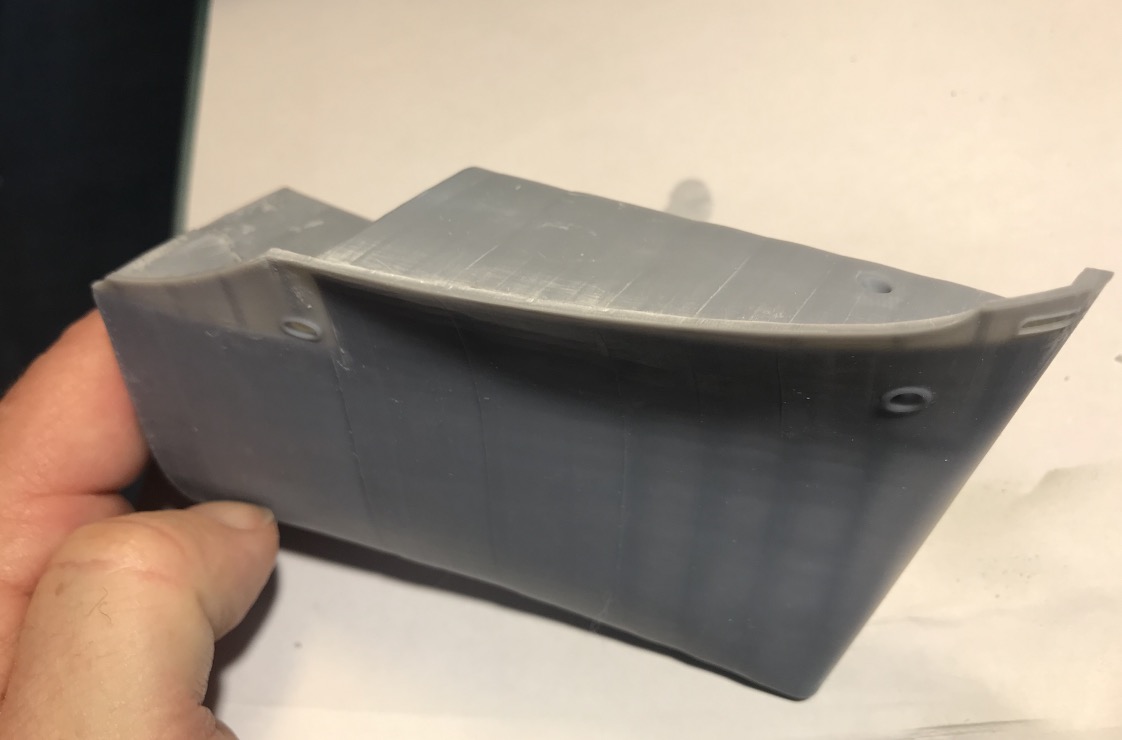
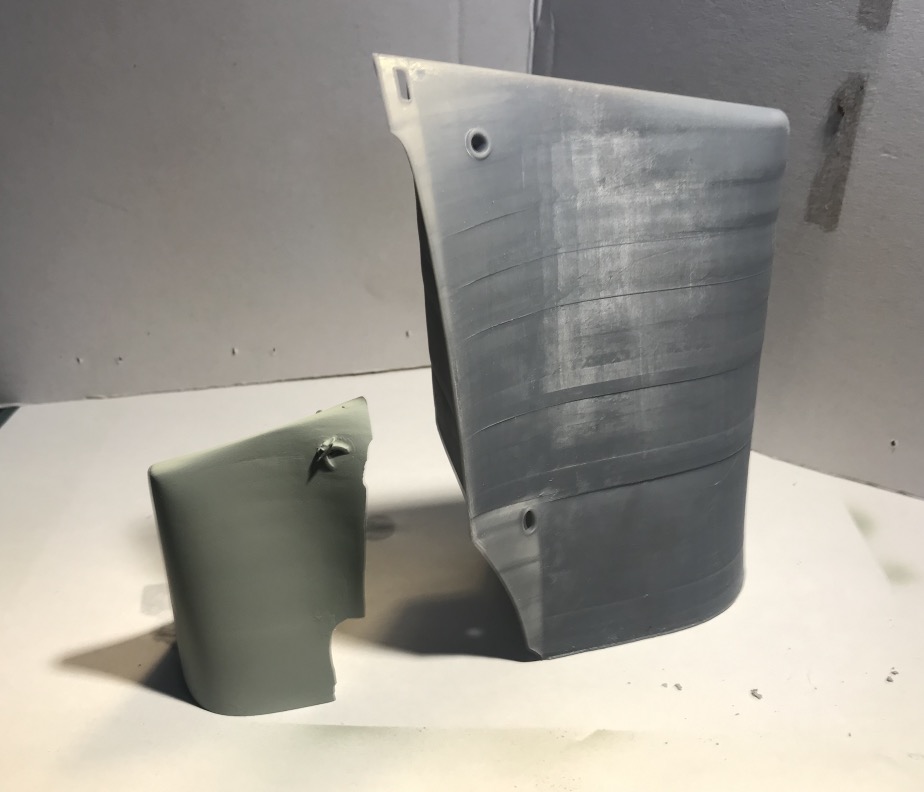
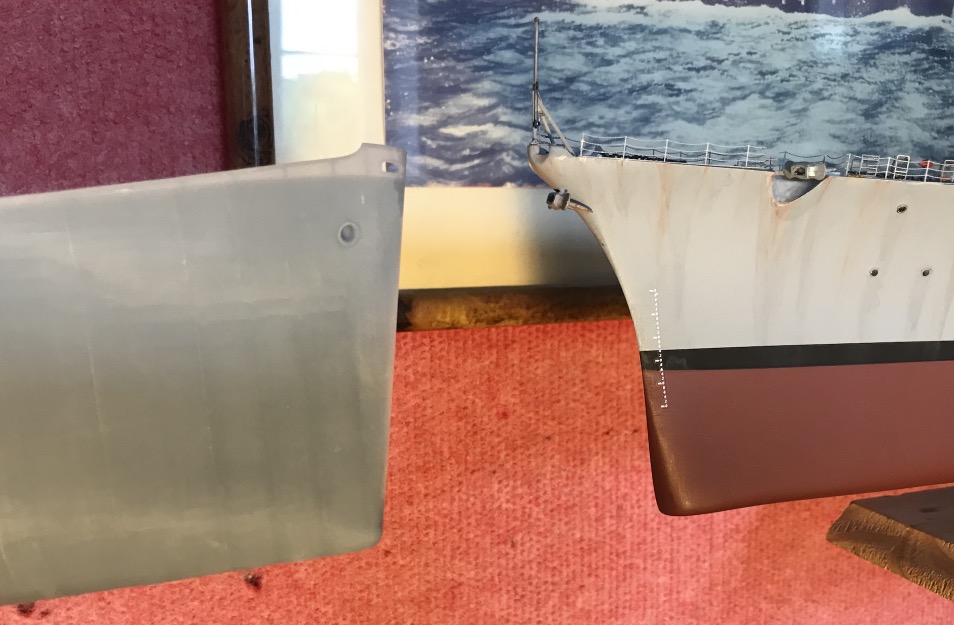
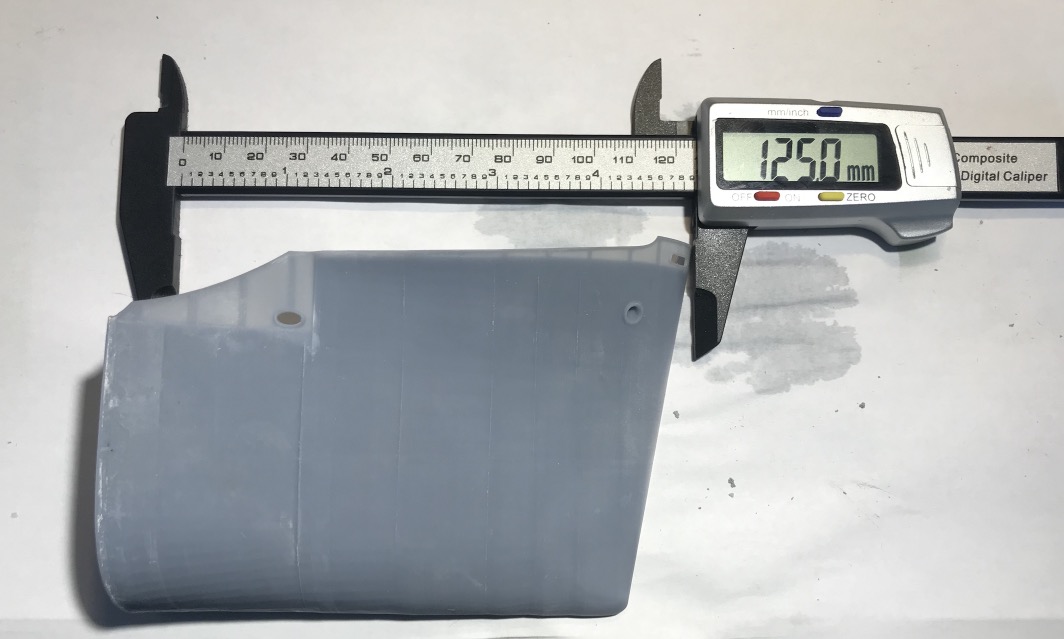
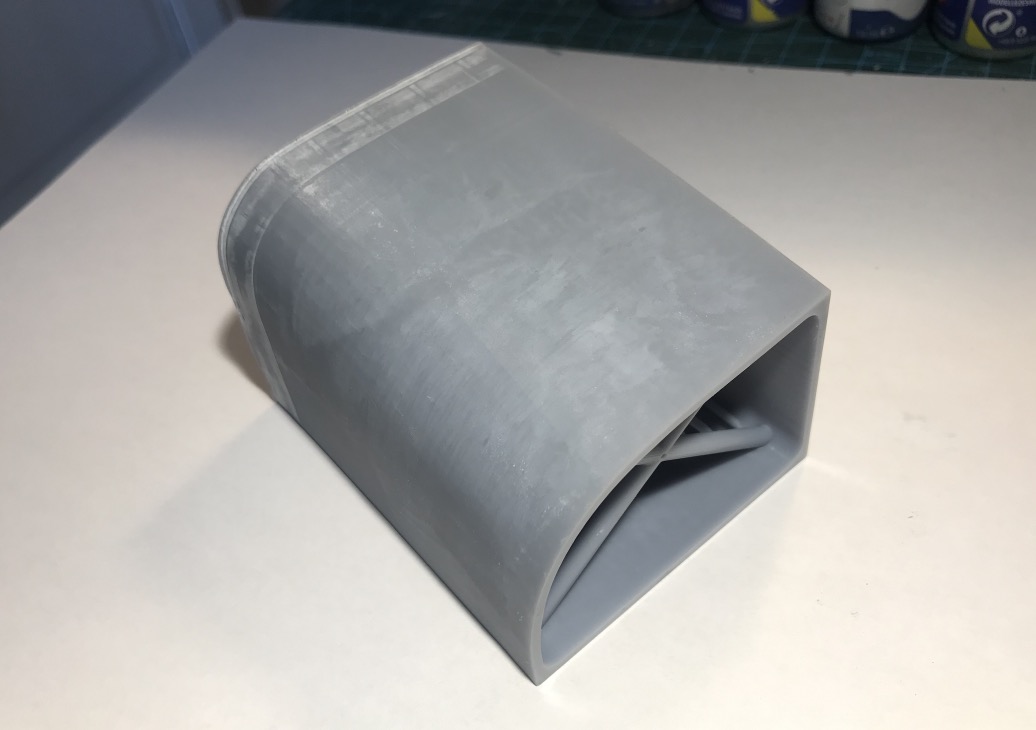
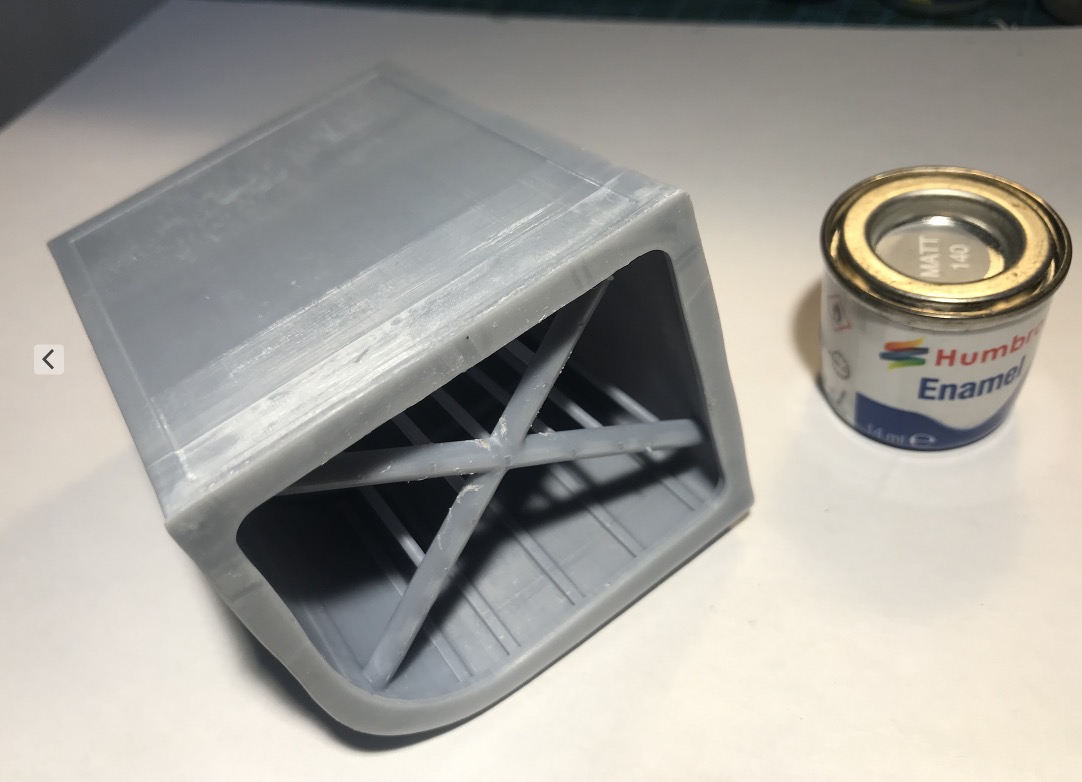
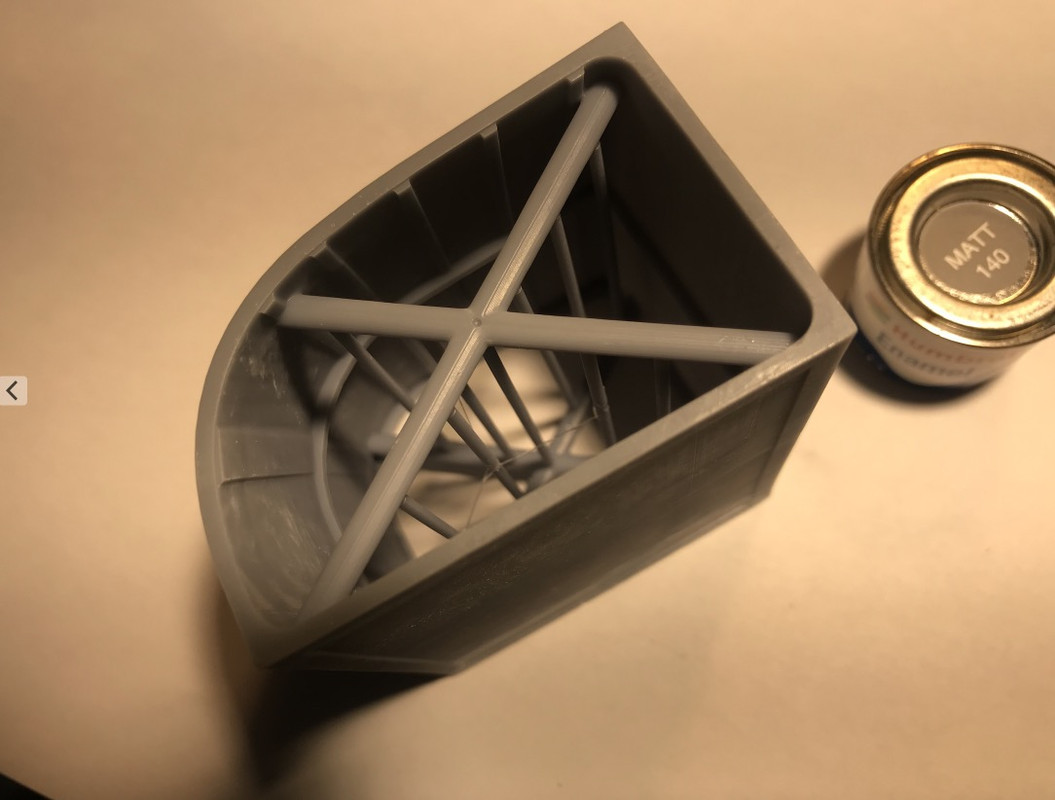
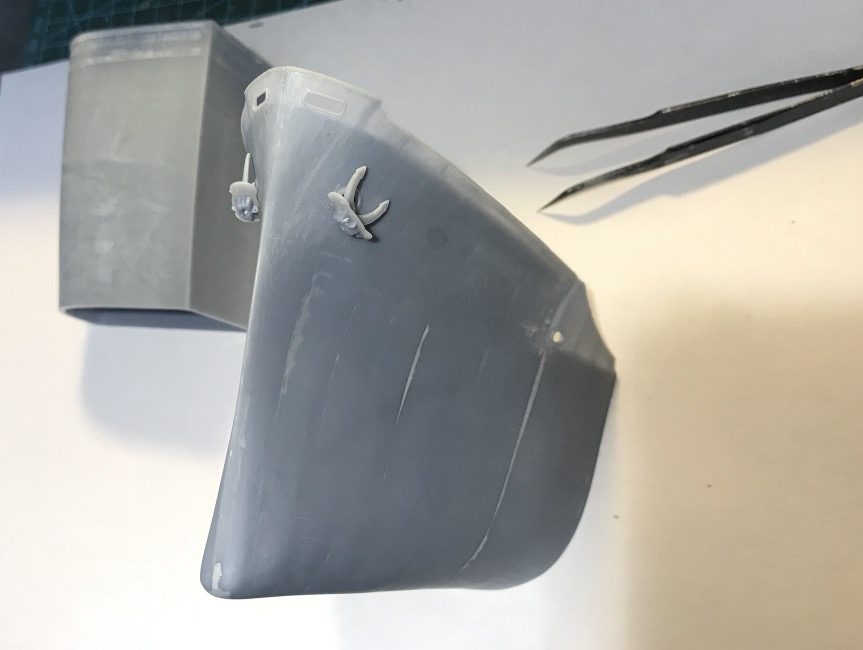
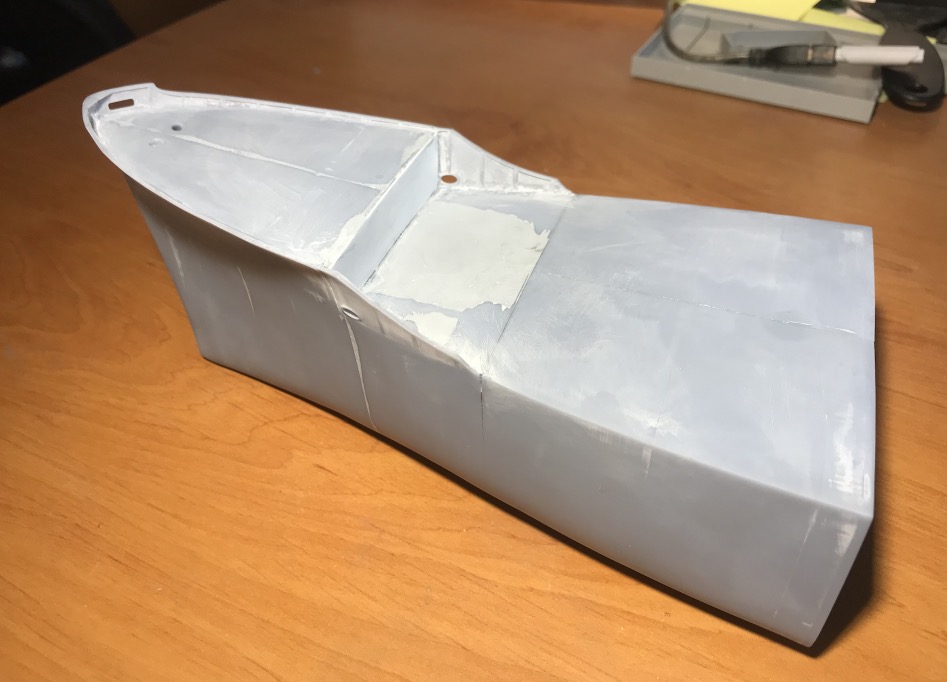
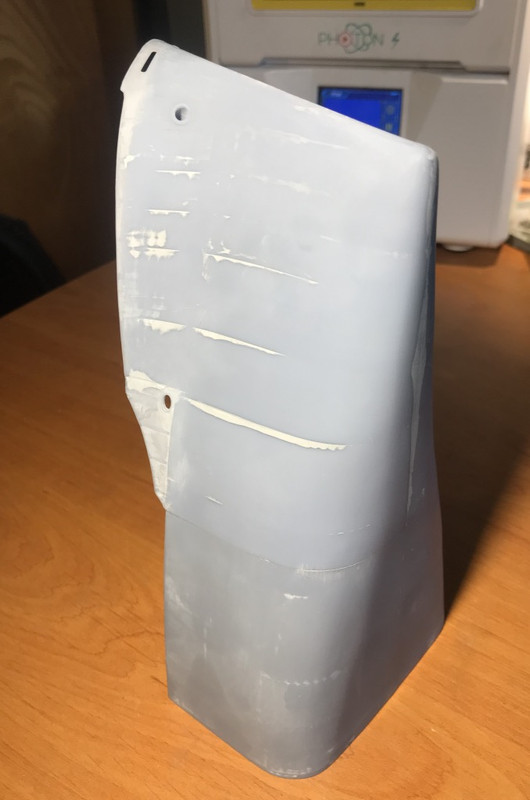
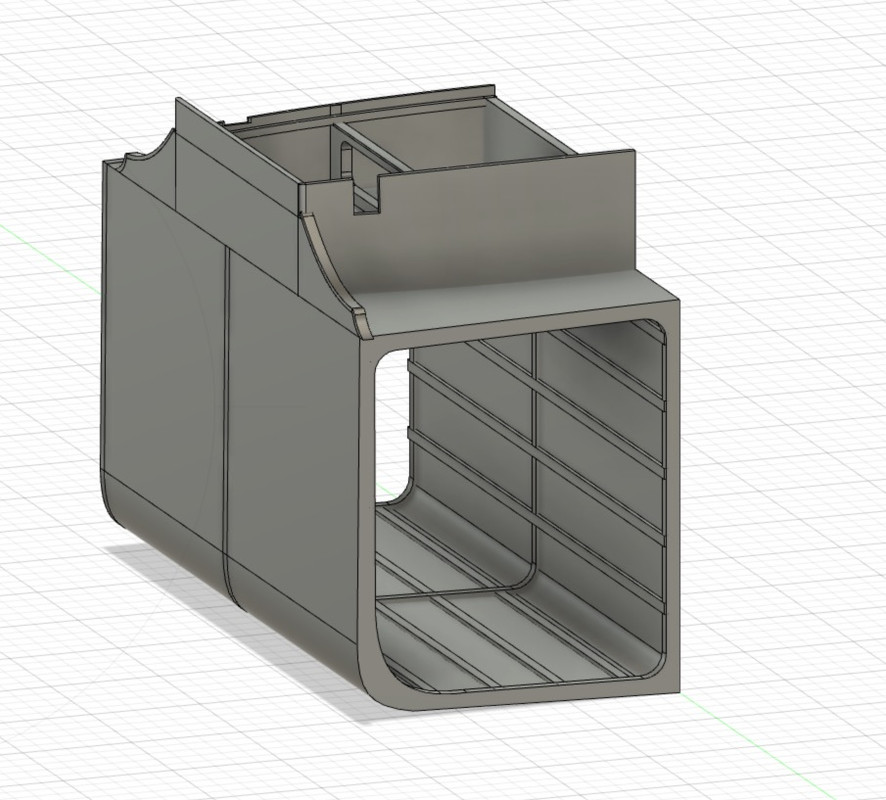
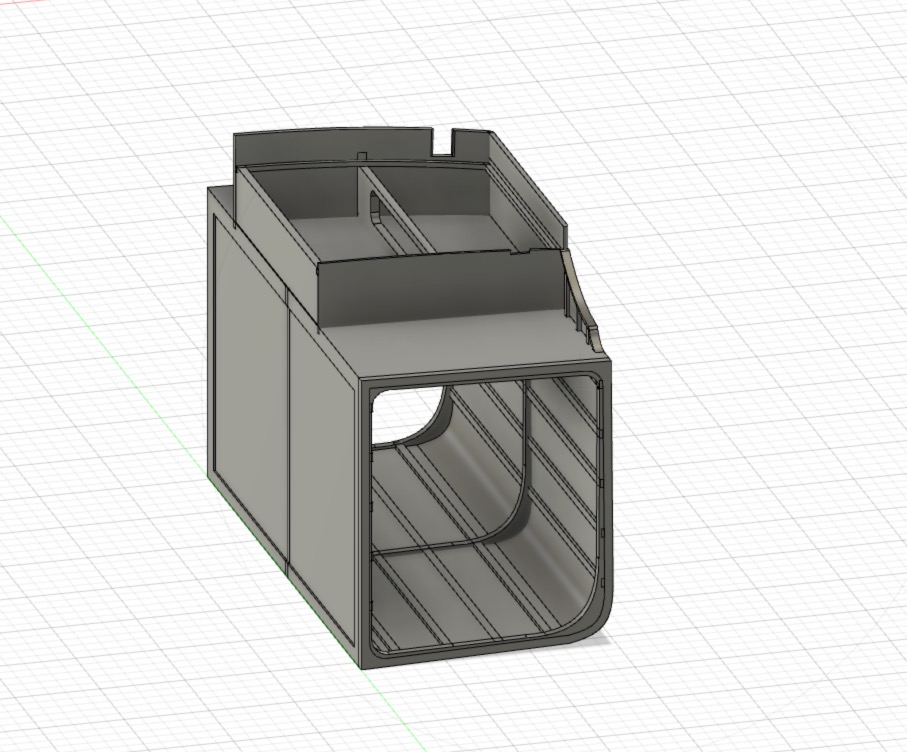
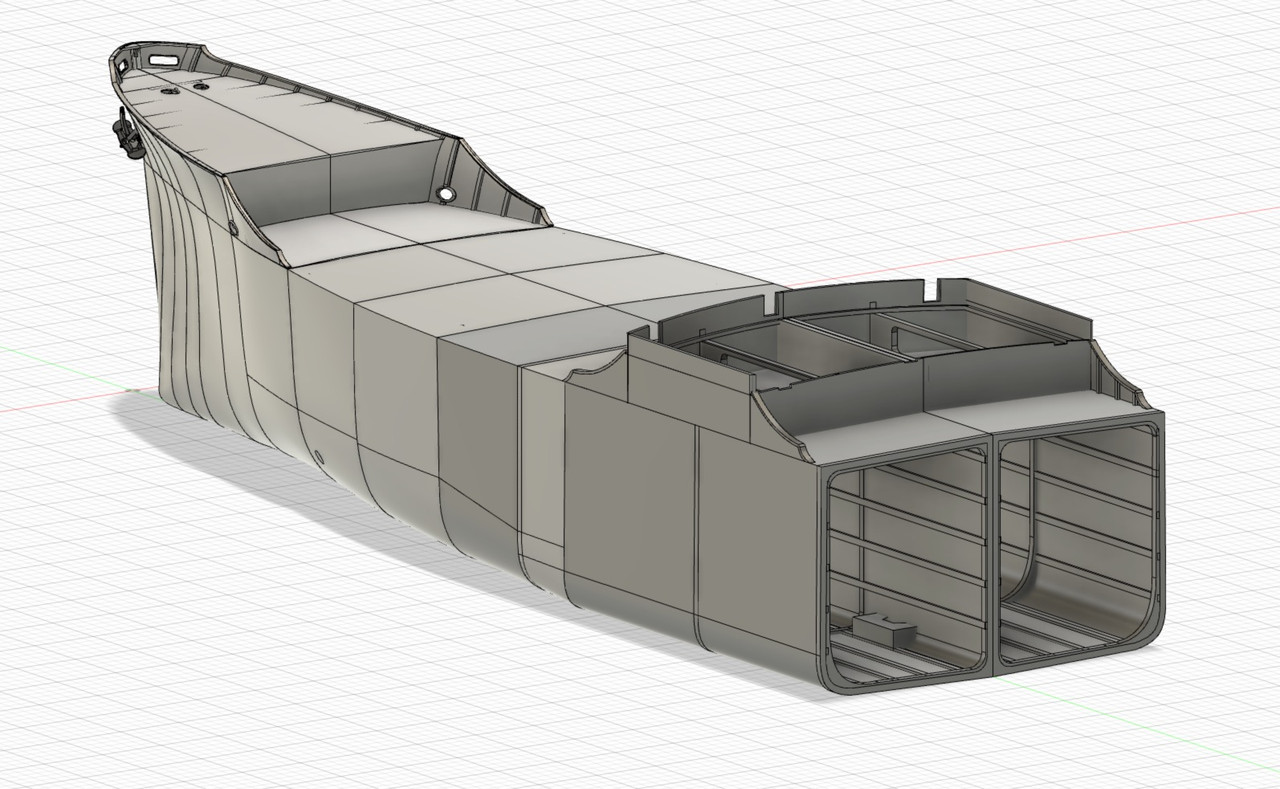
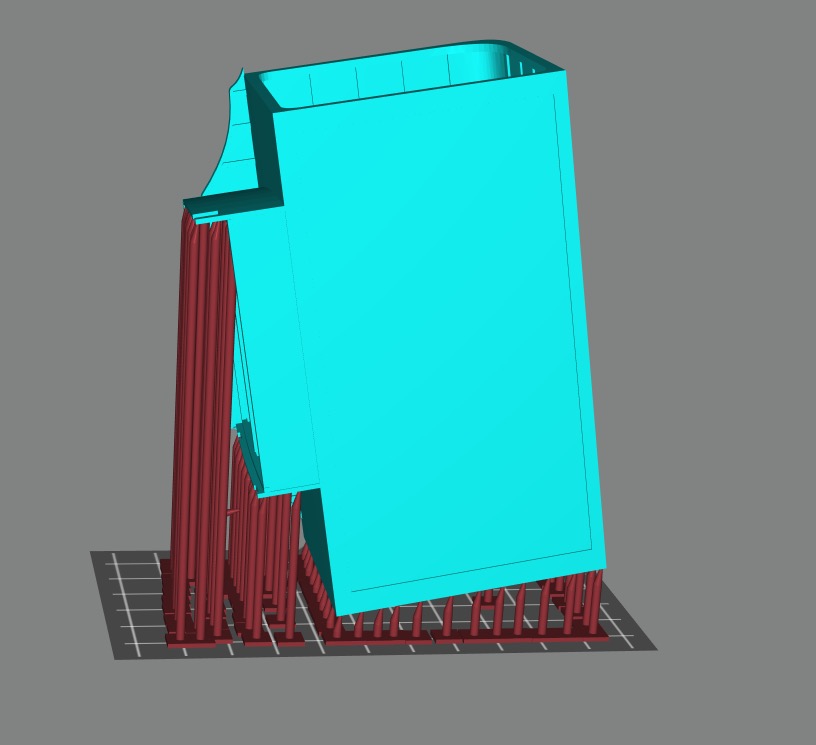
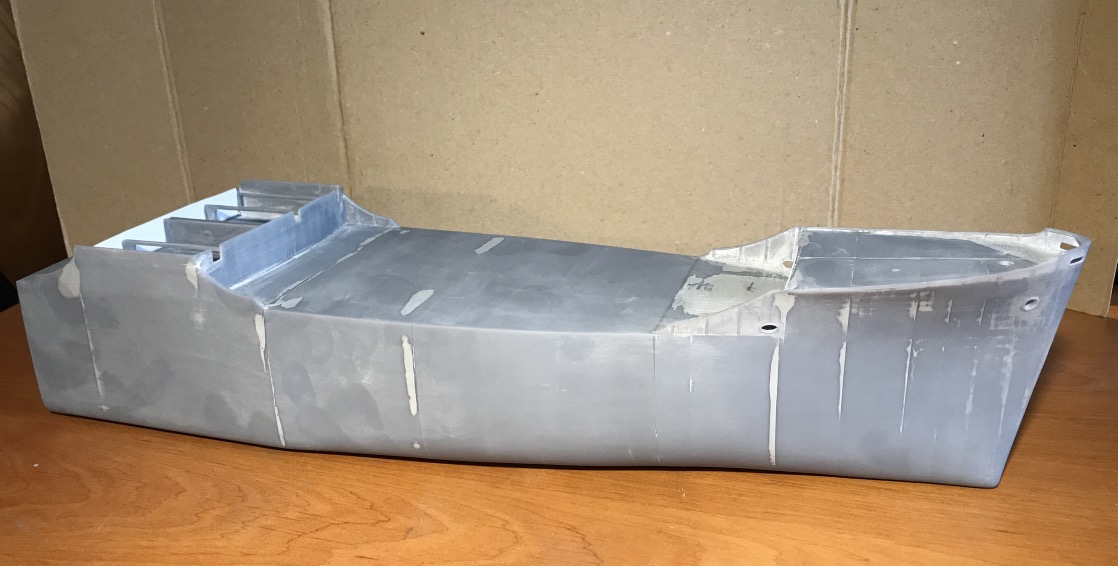
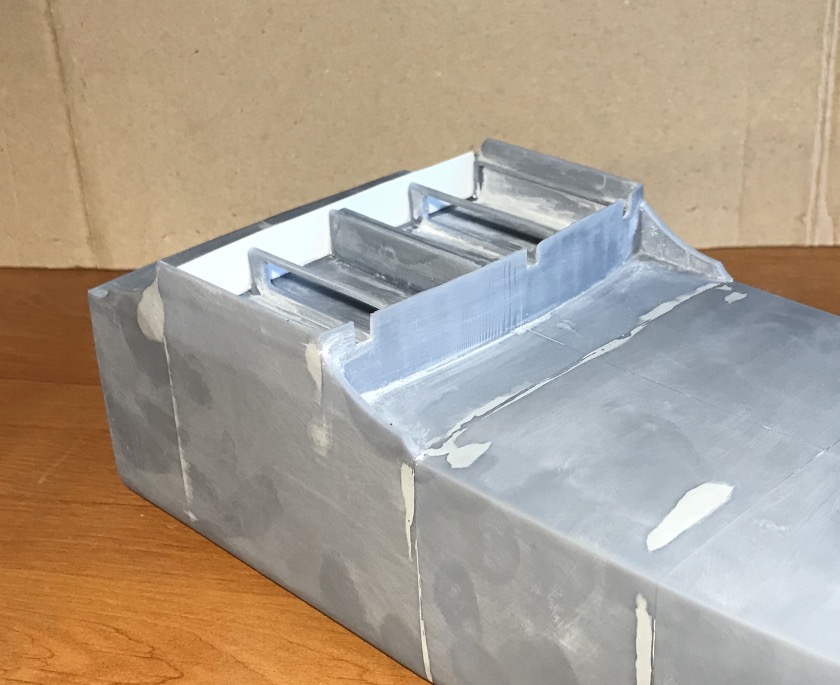
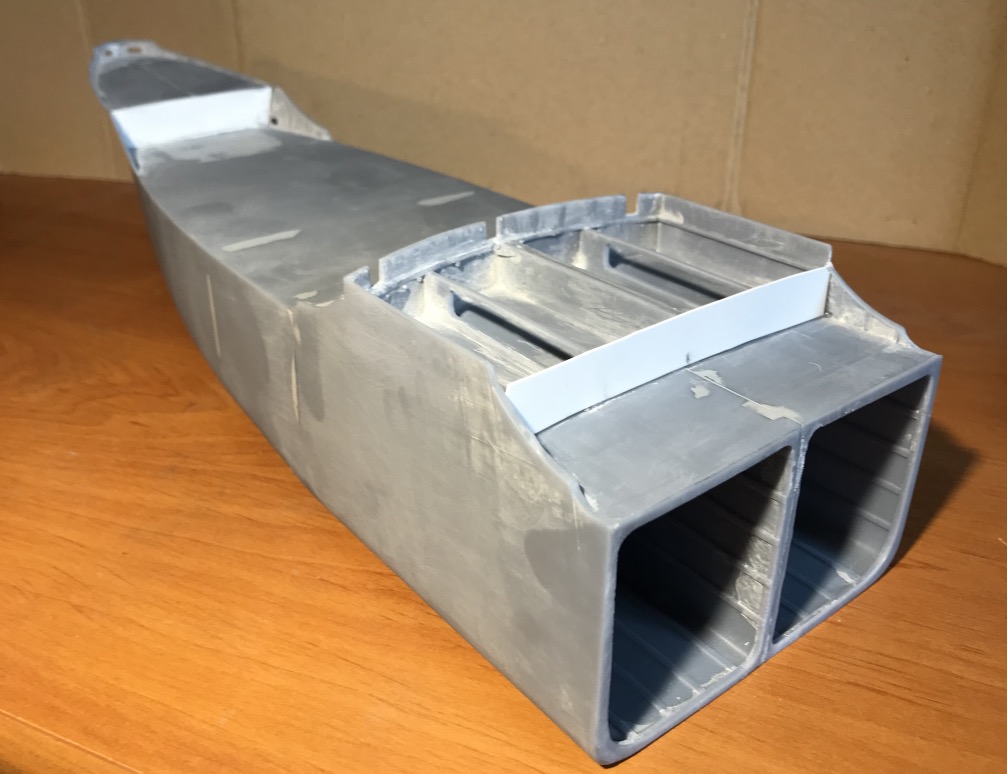
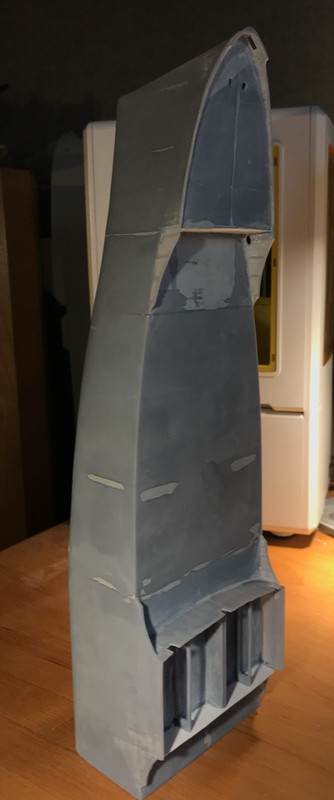
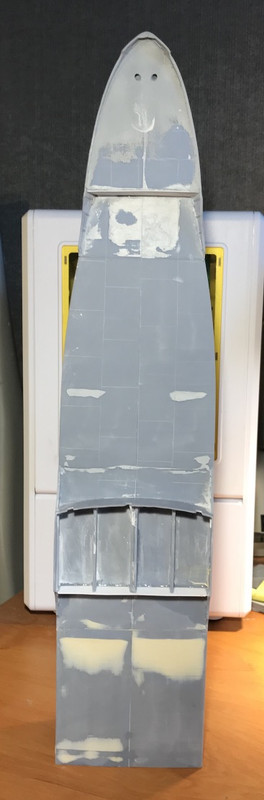
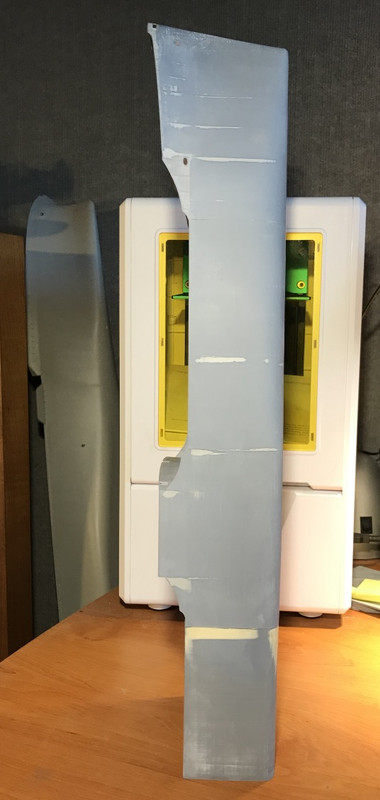
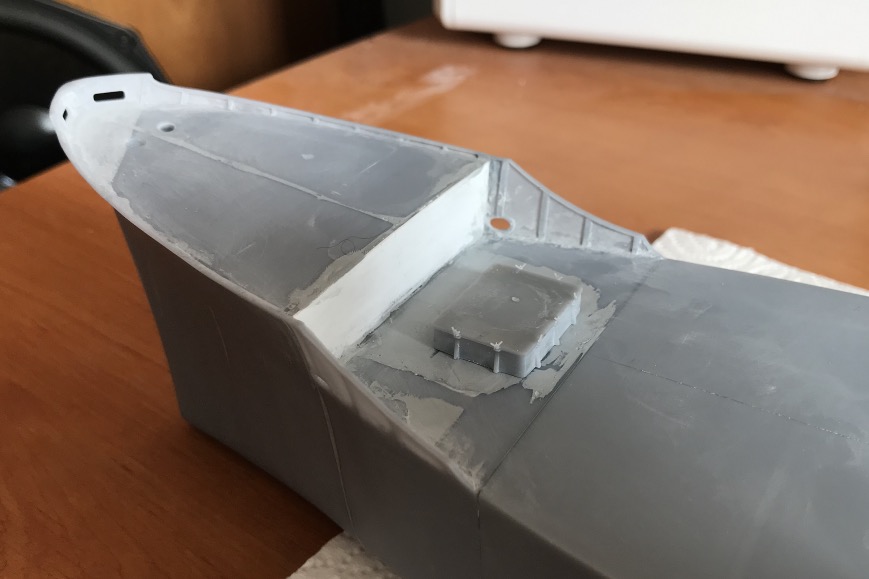
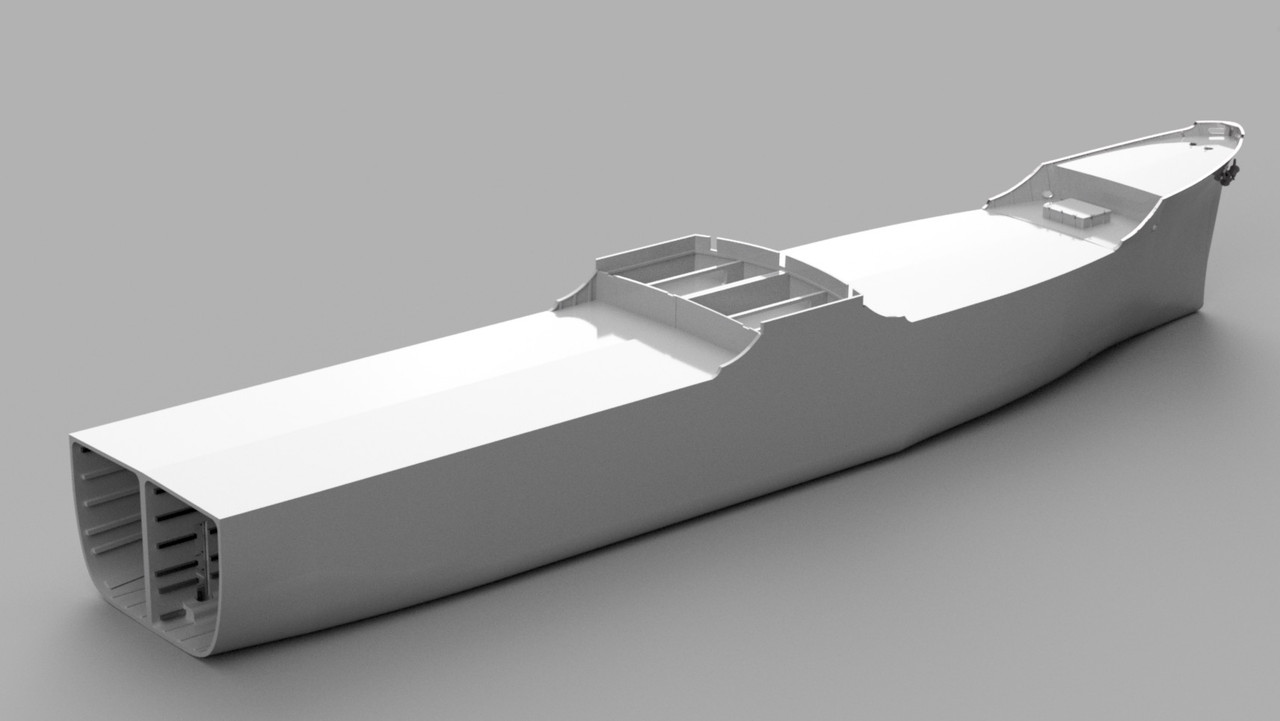
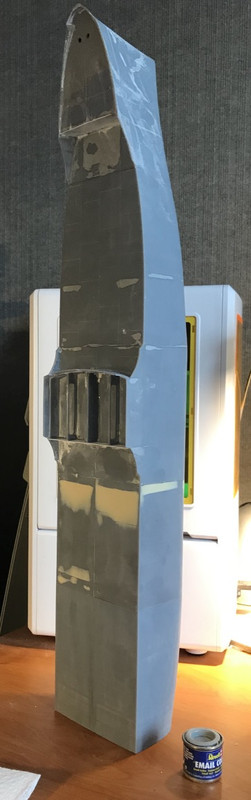
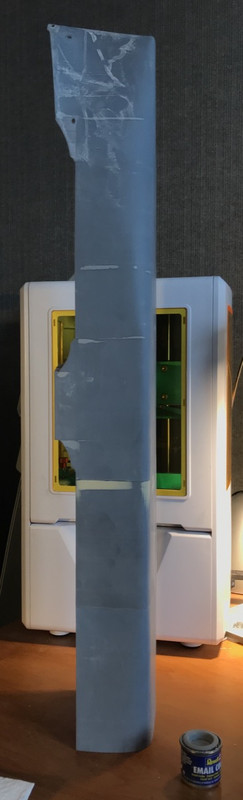
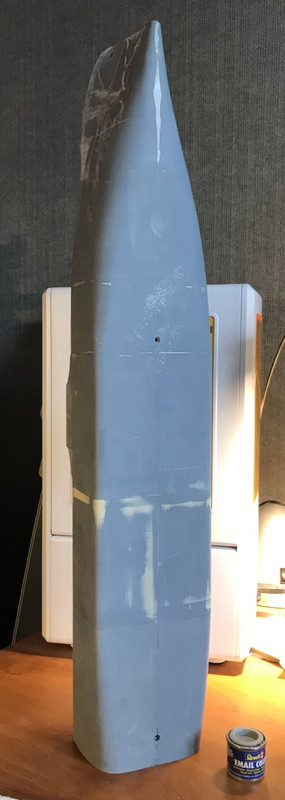
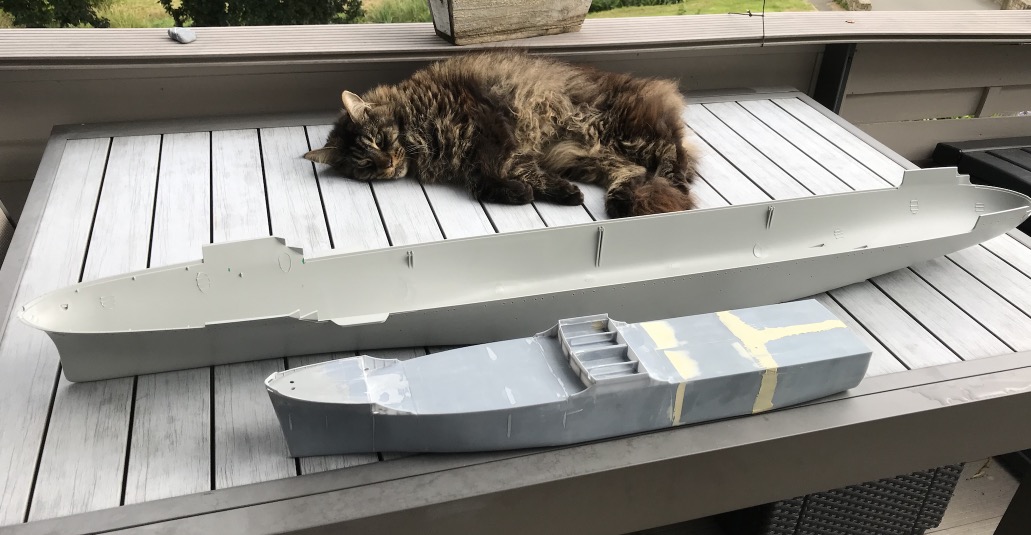
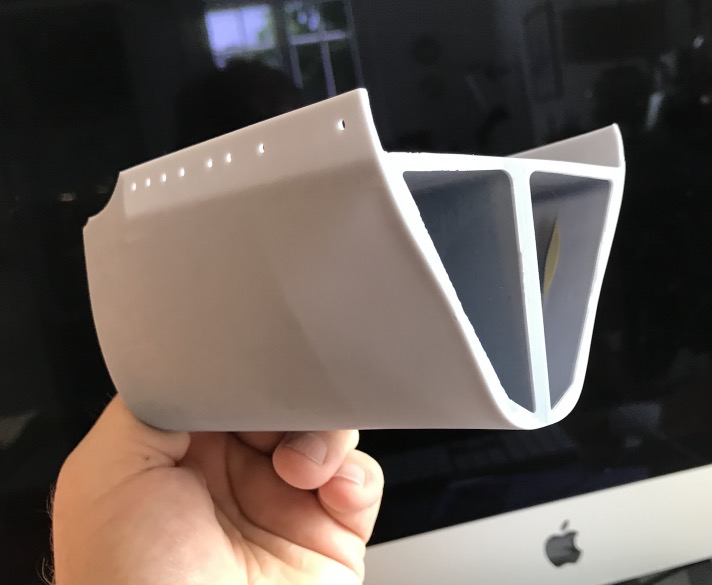
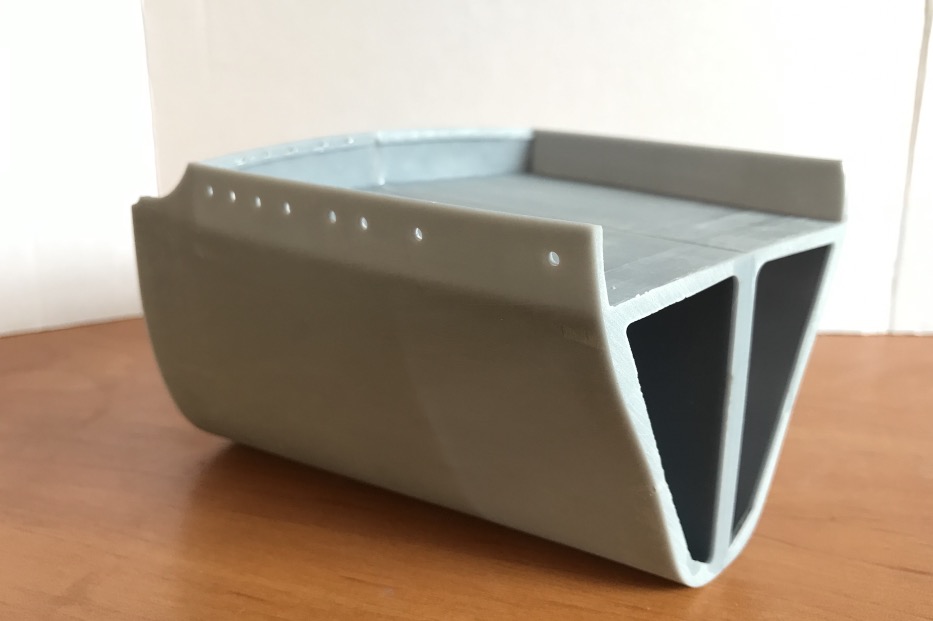
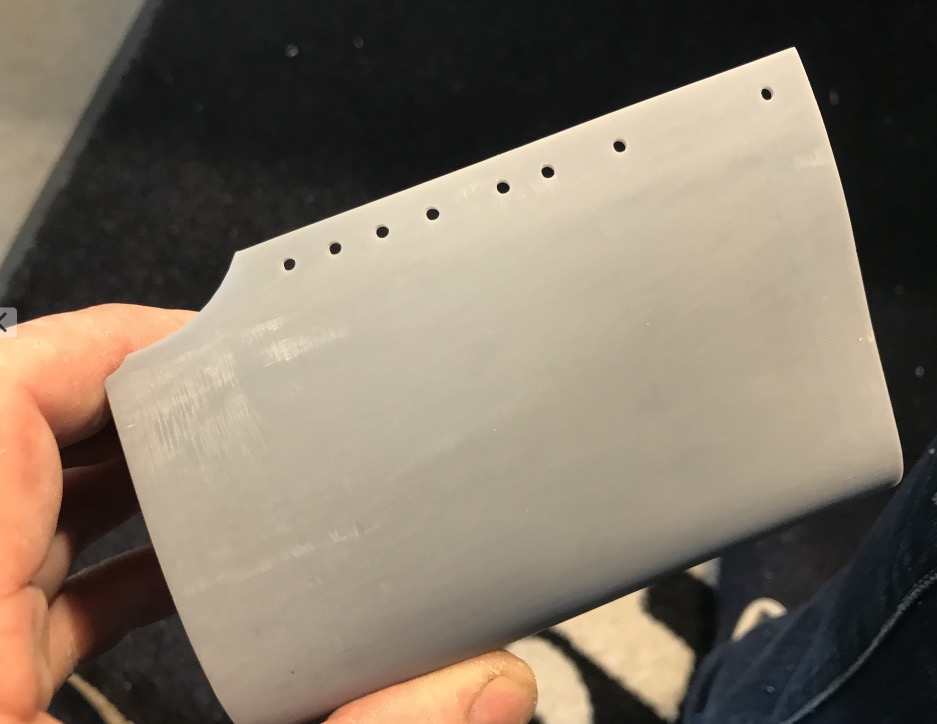
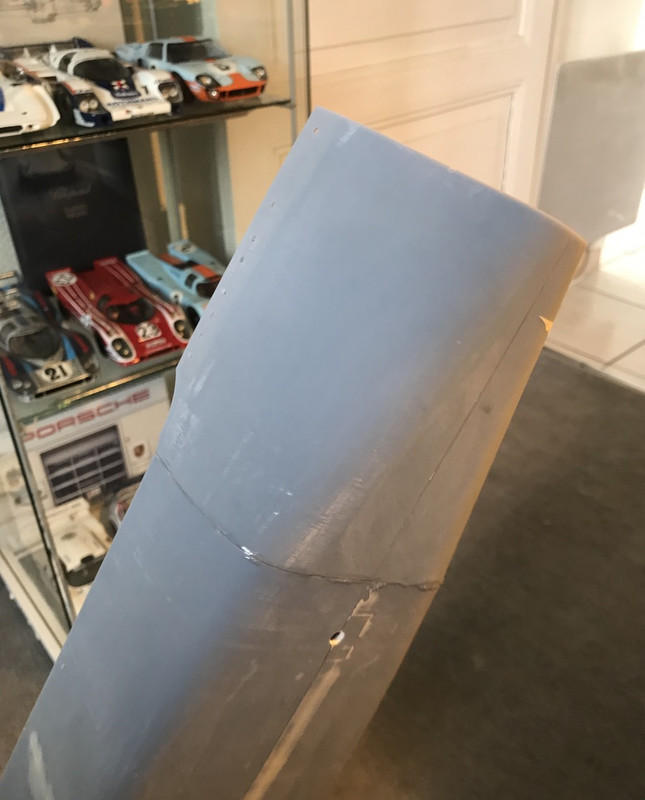
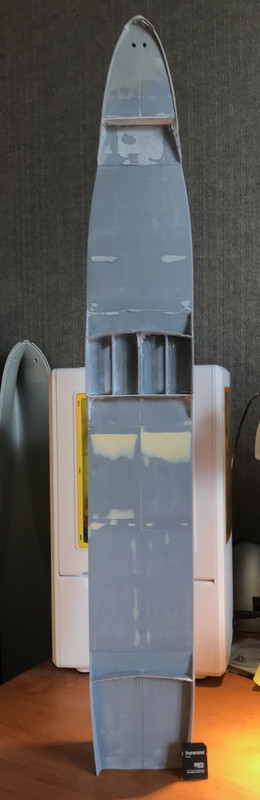
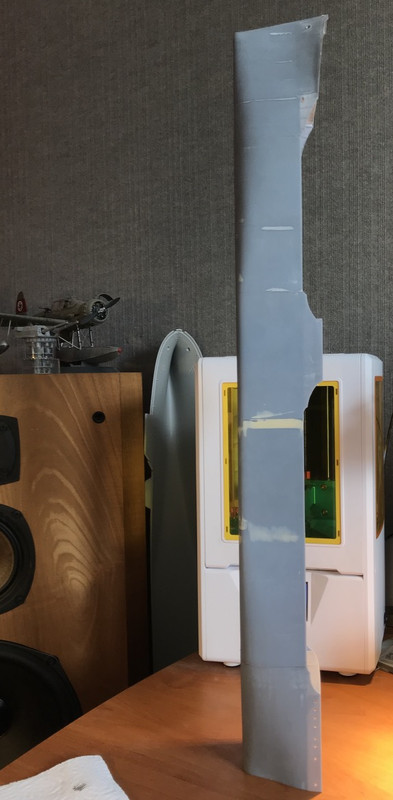
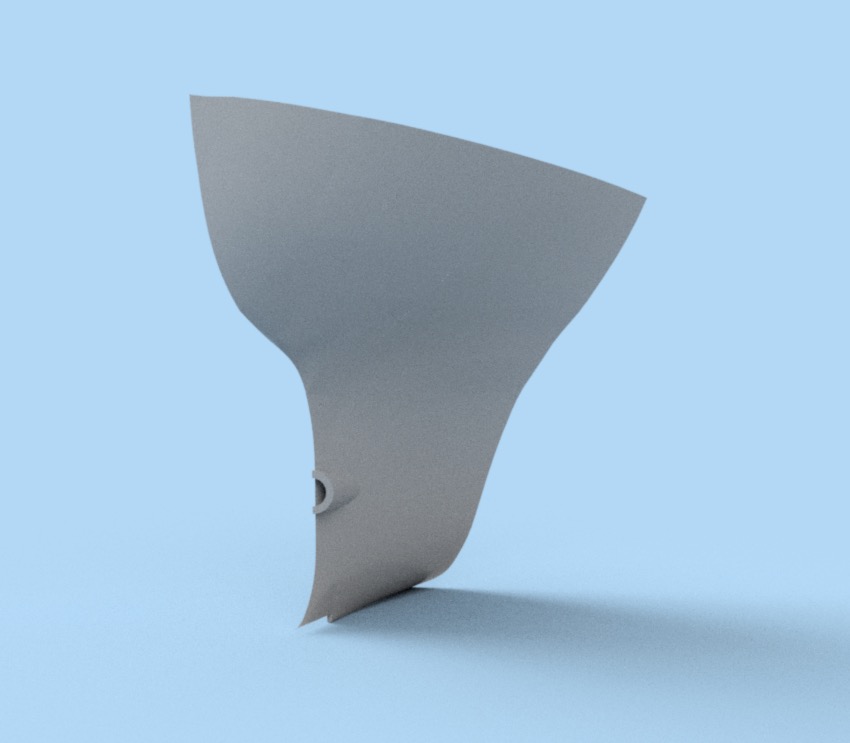
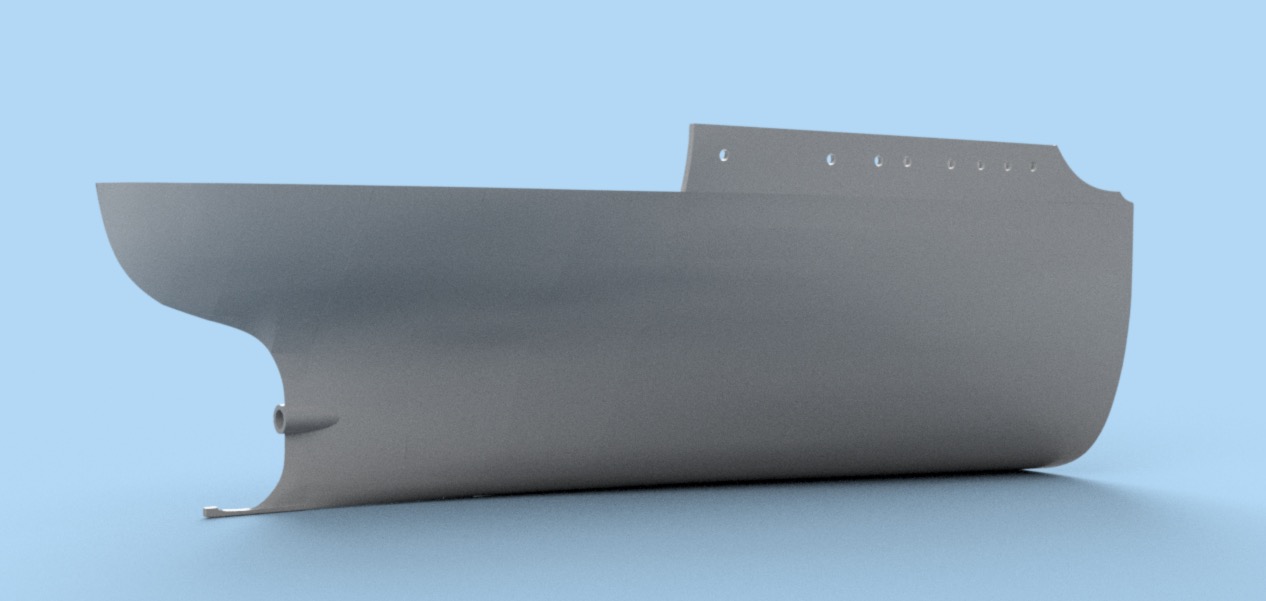
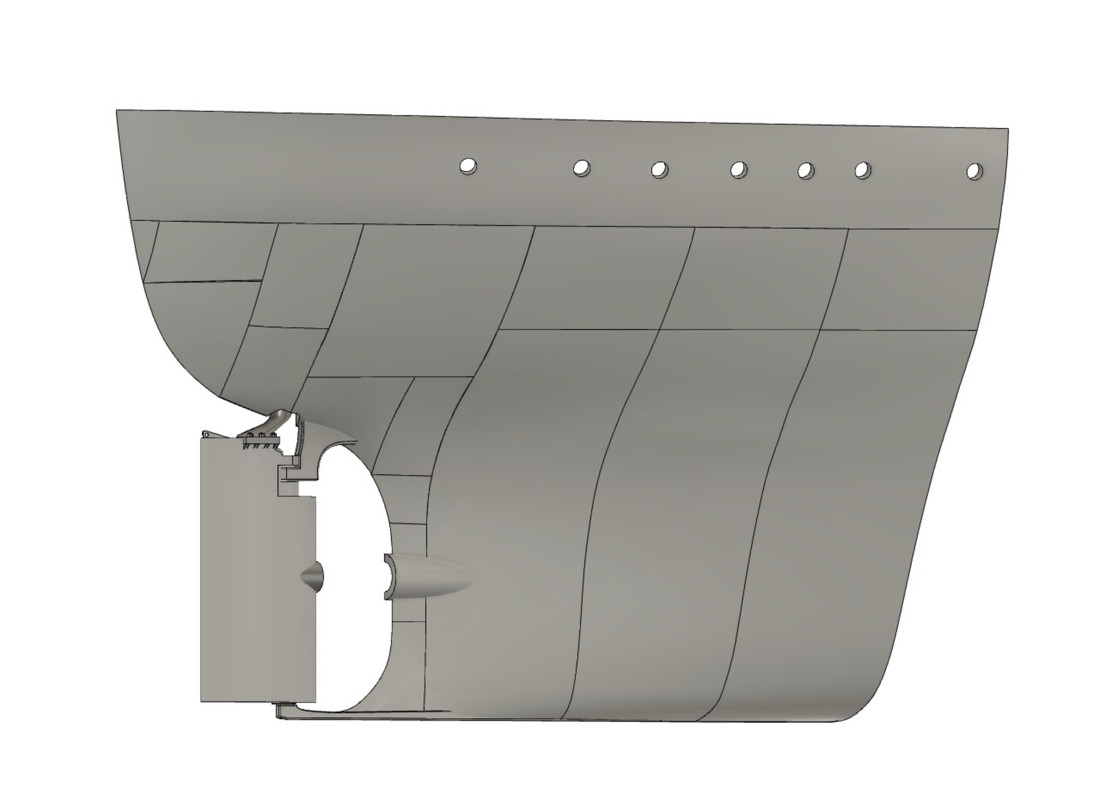
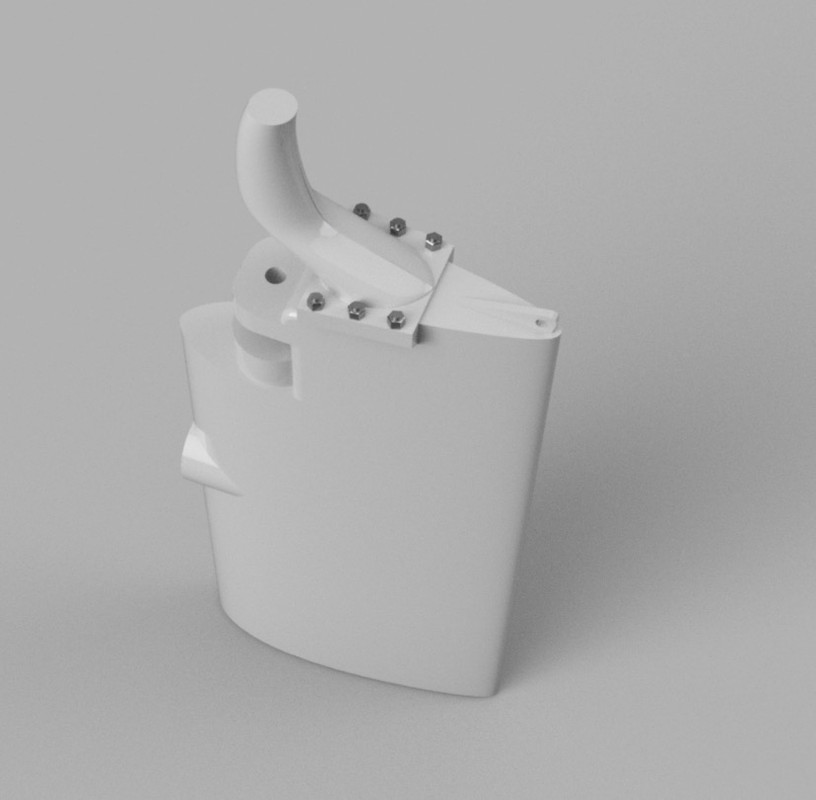
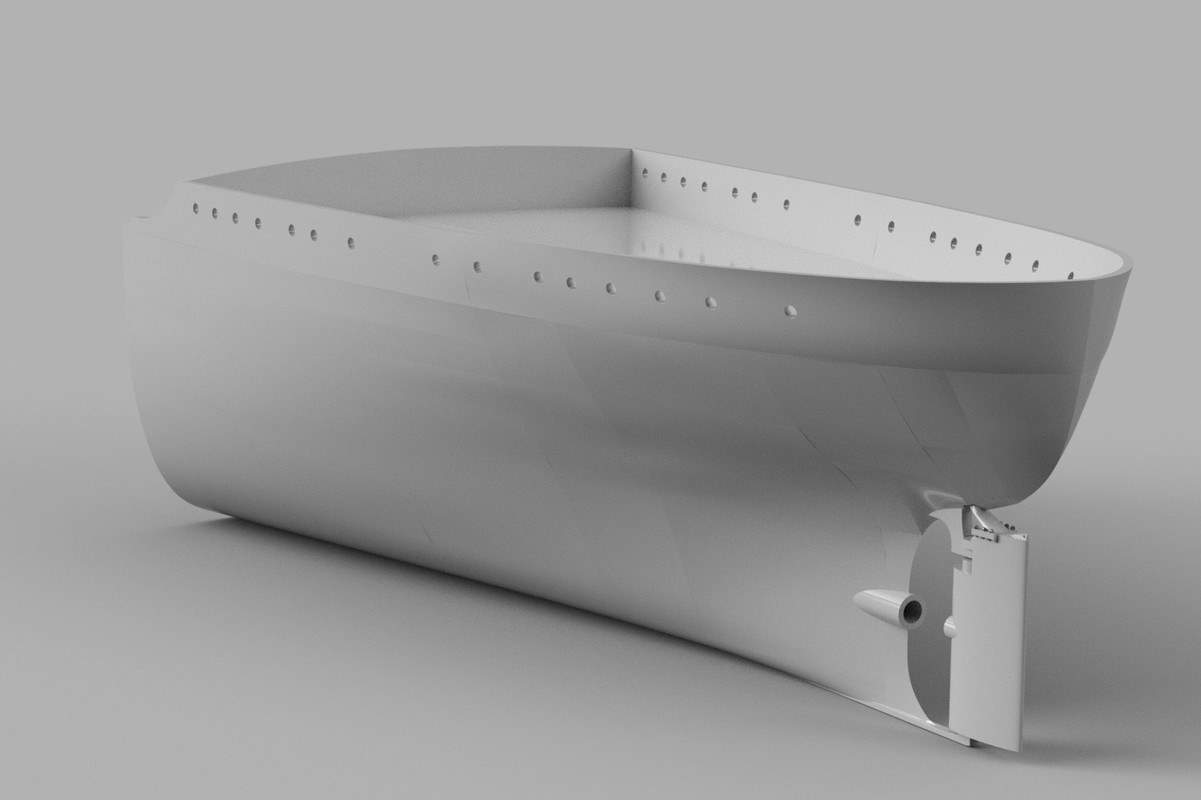
The hull will be printed in resin by sections and half hull for some, it's big the 1/200.
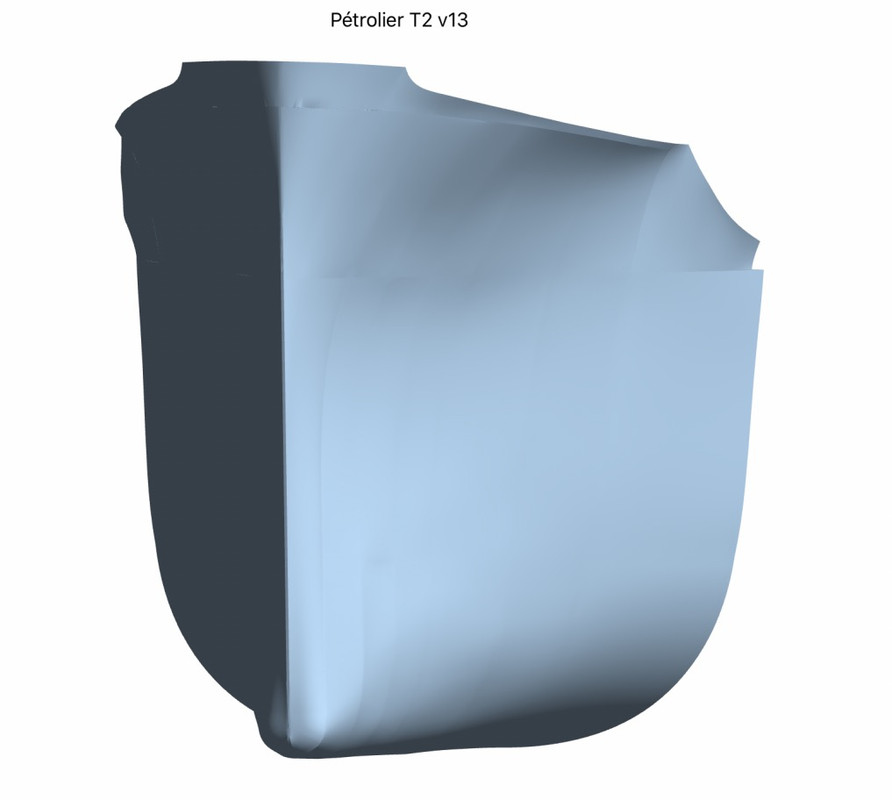
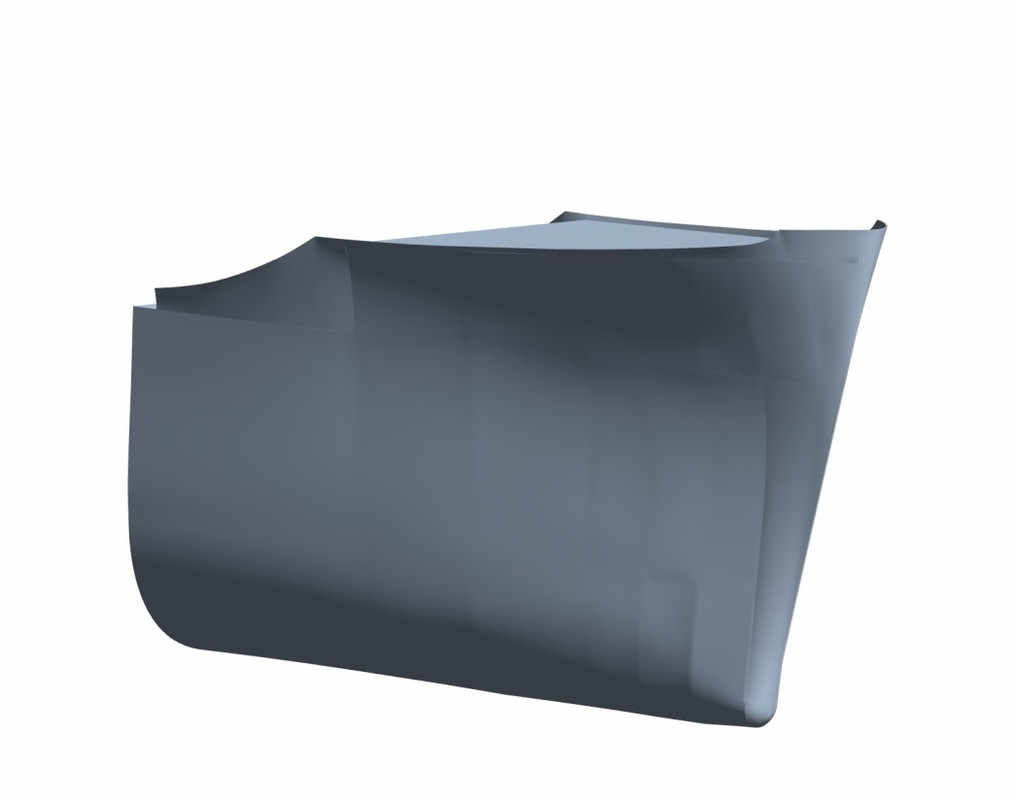
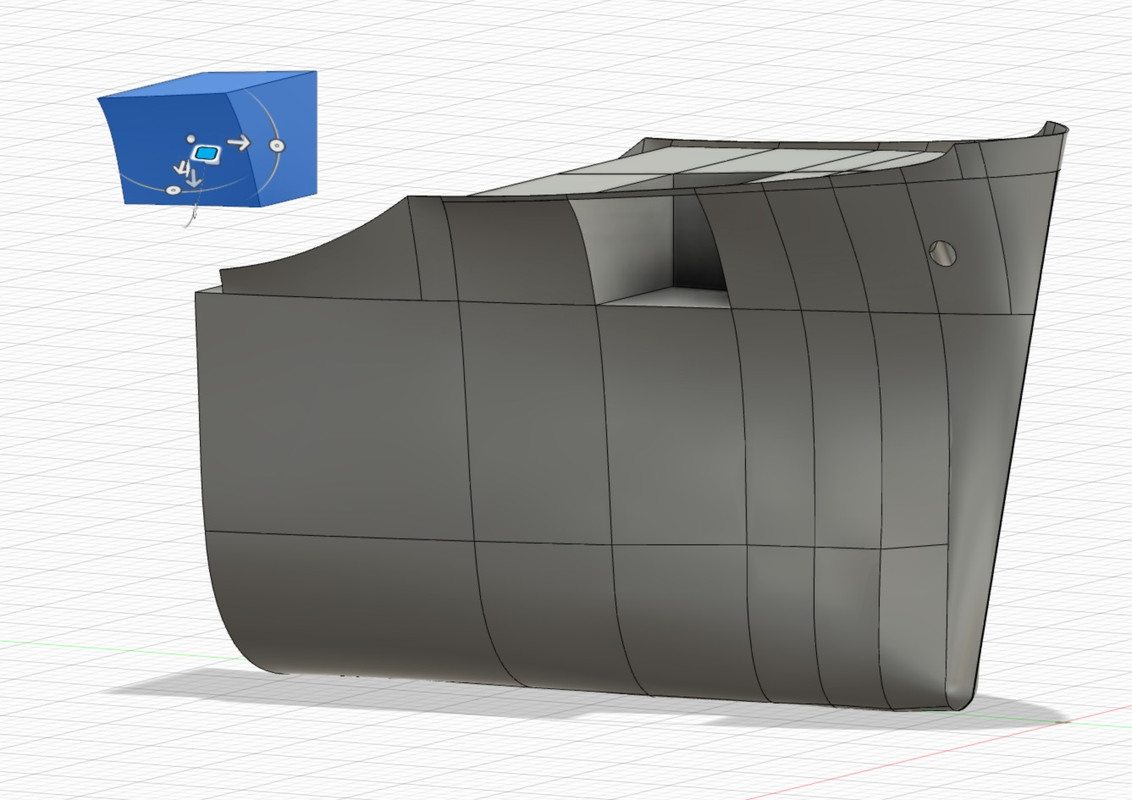
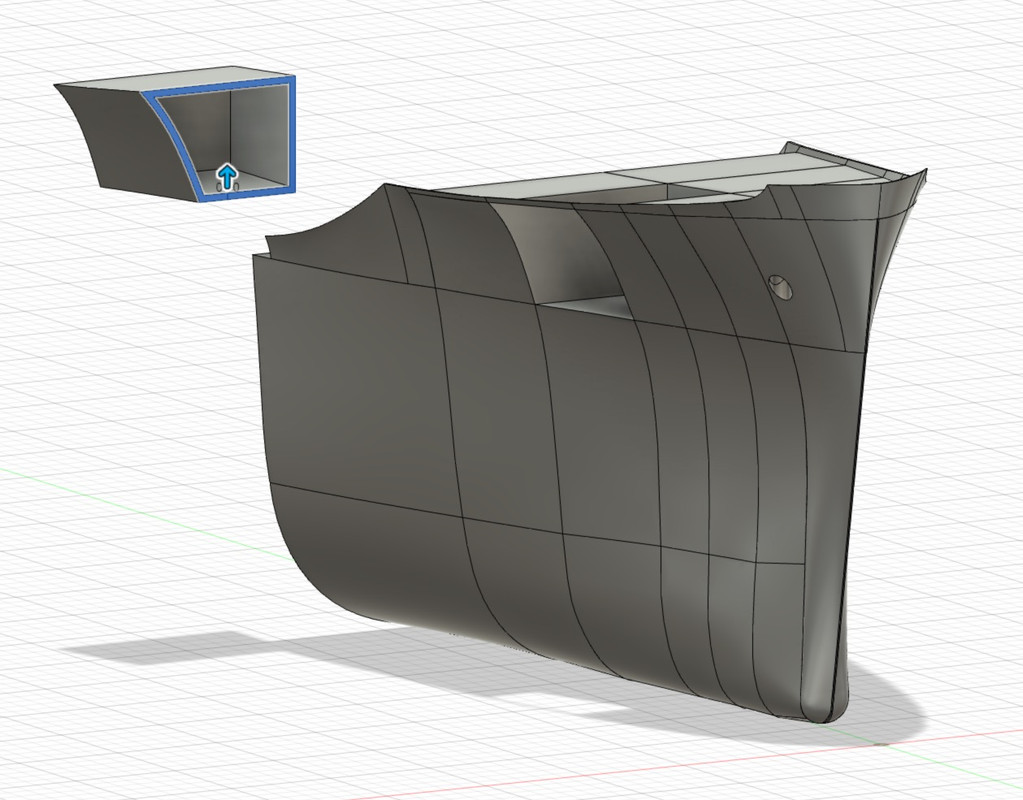
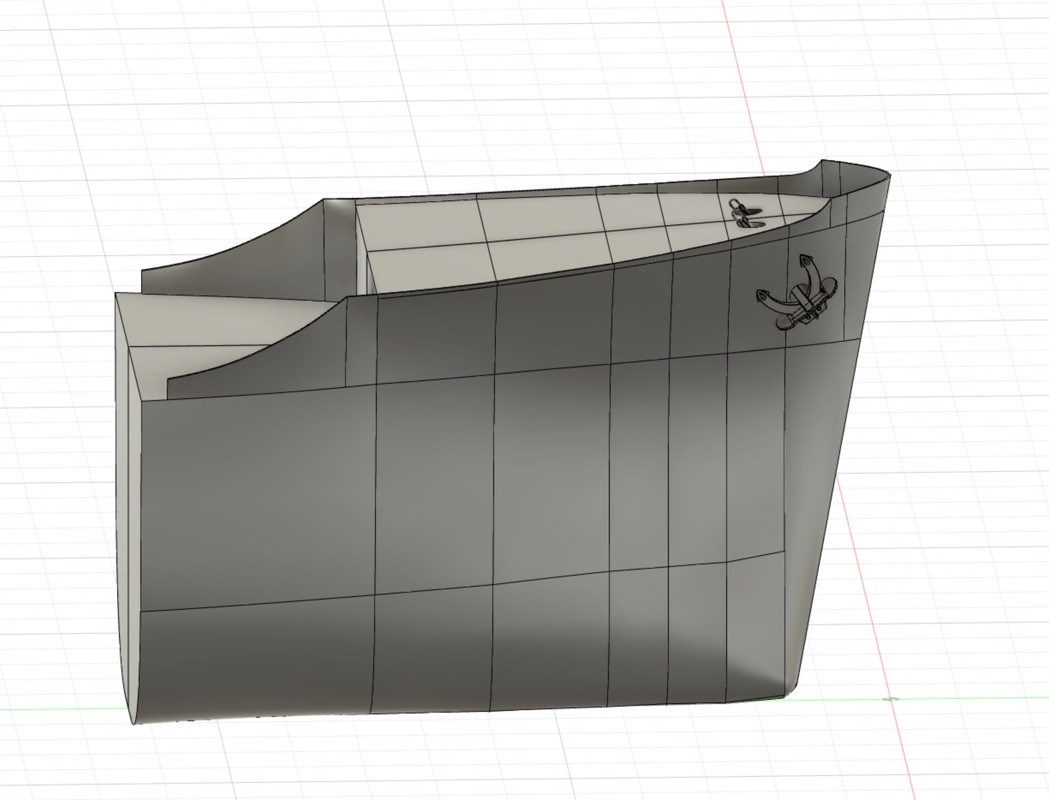
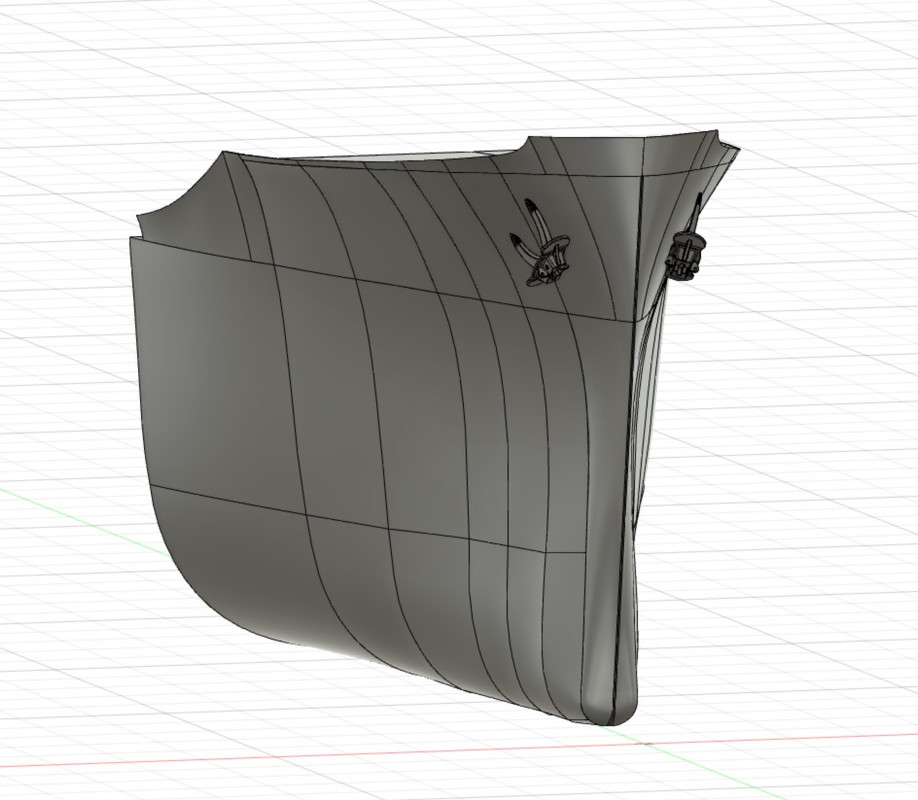
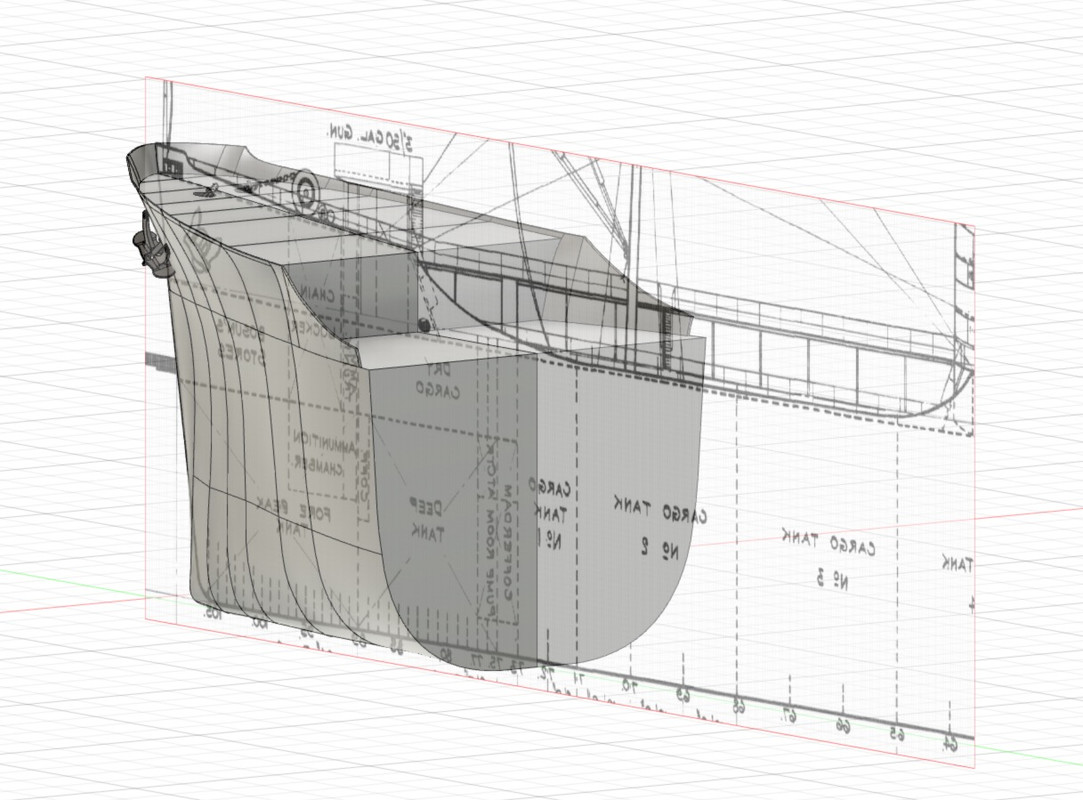
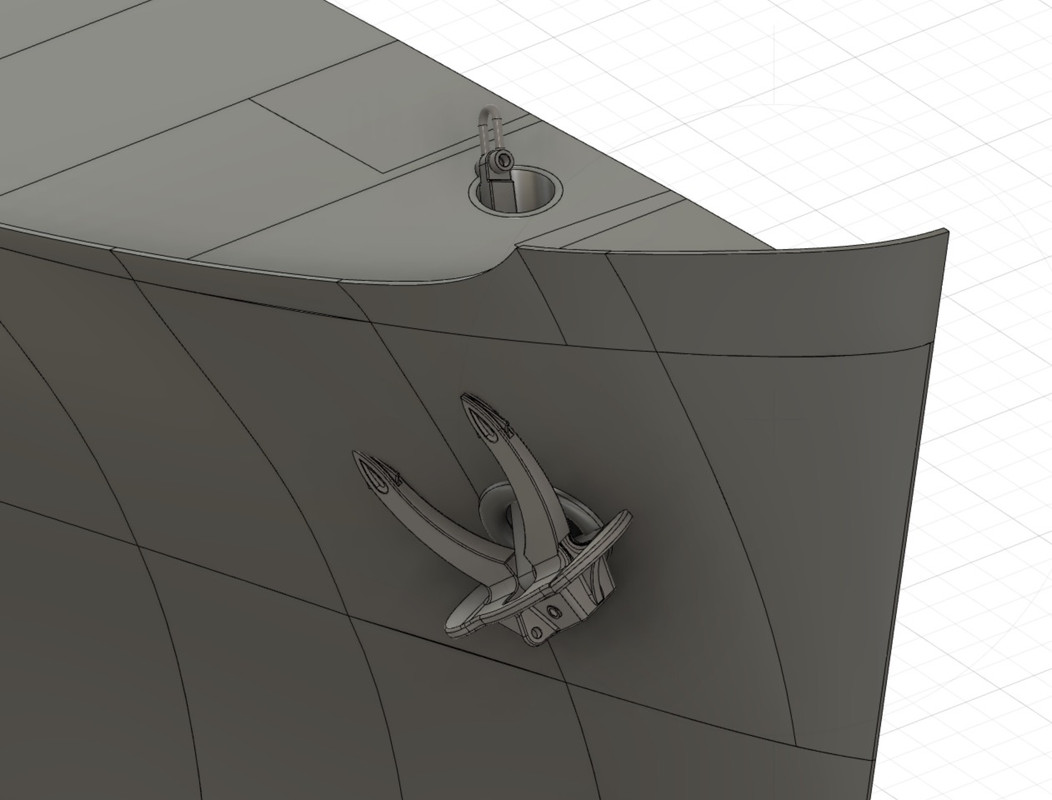
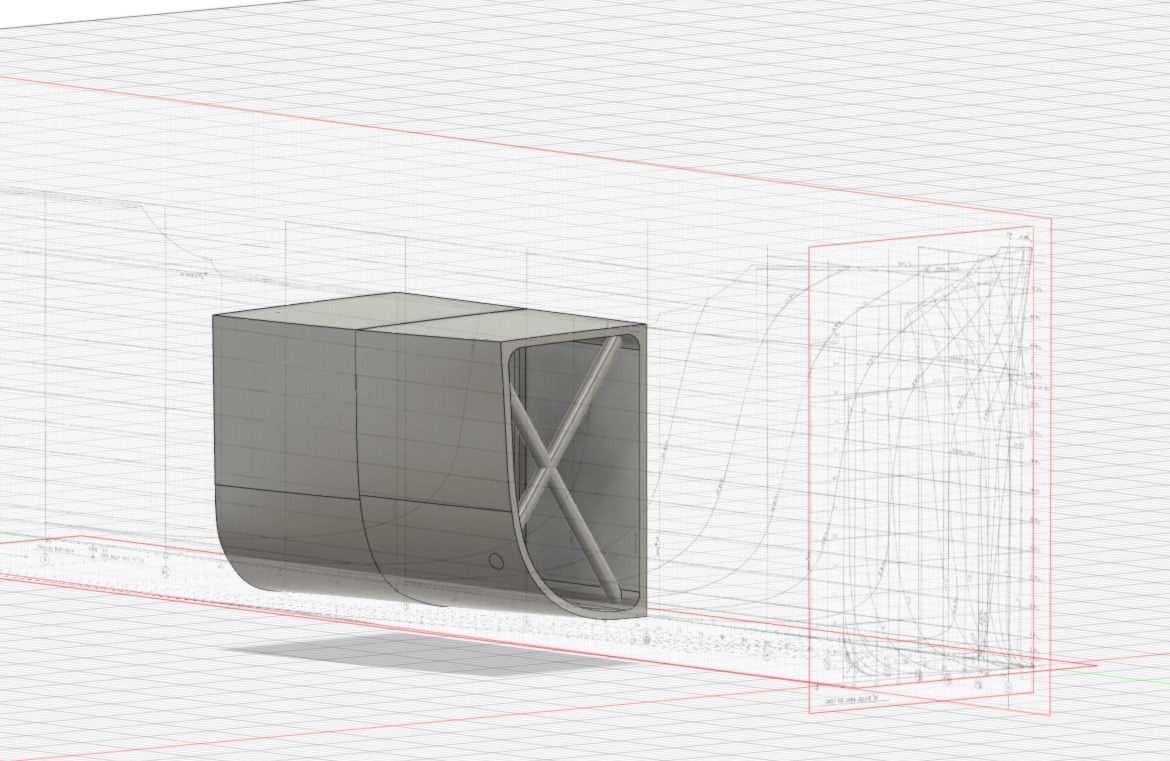
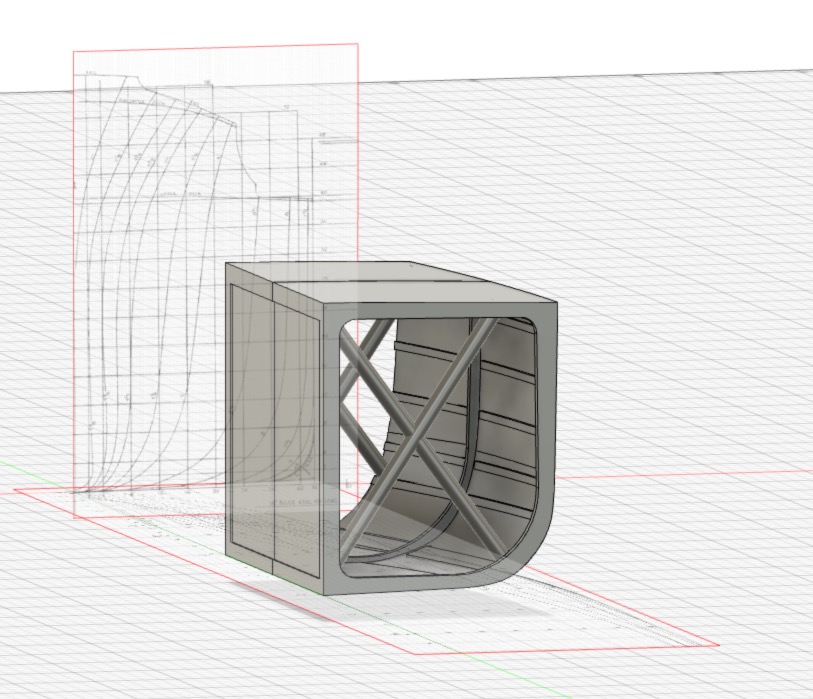
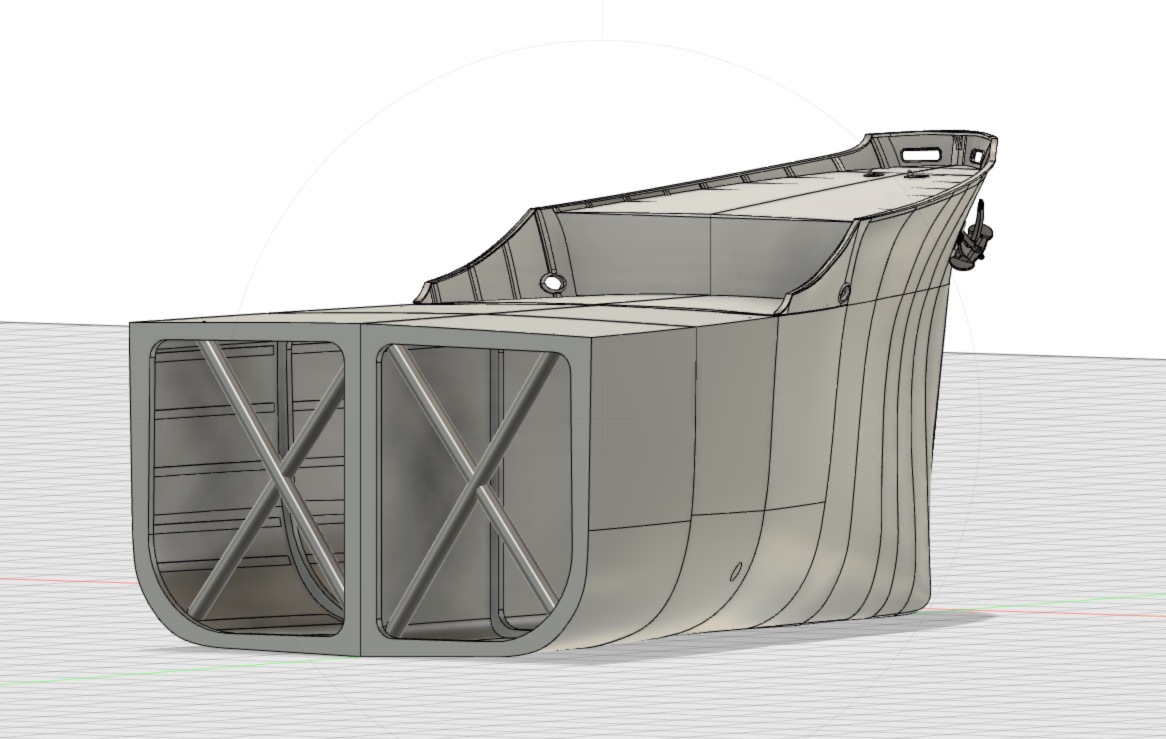
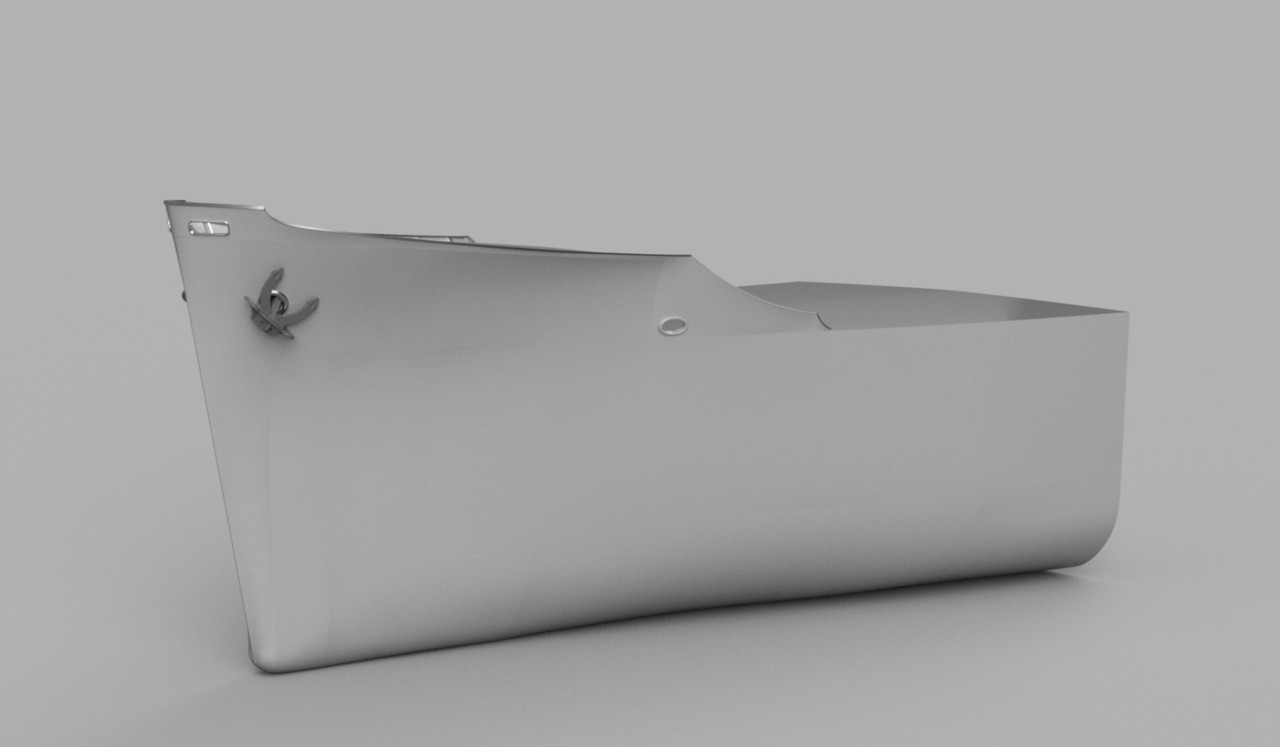
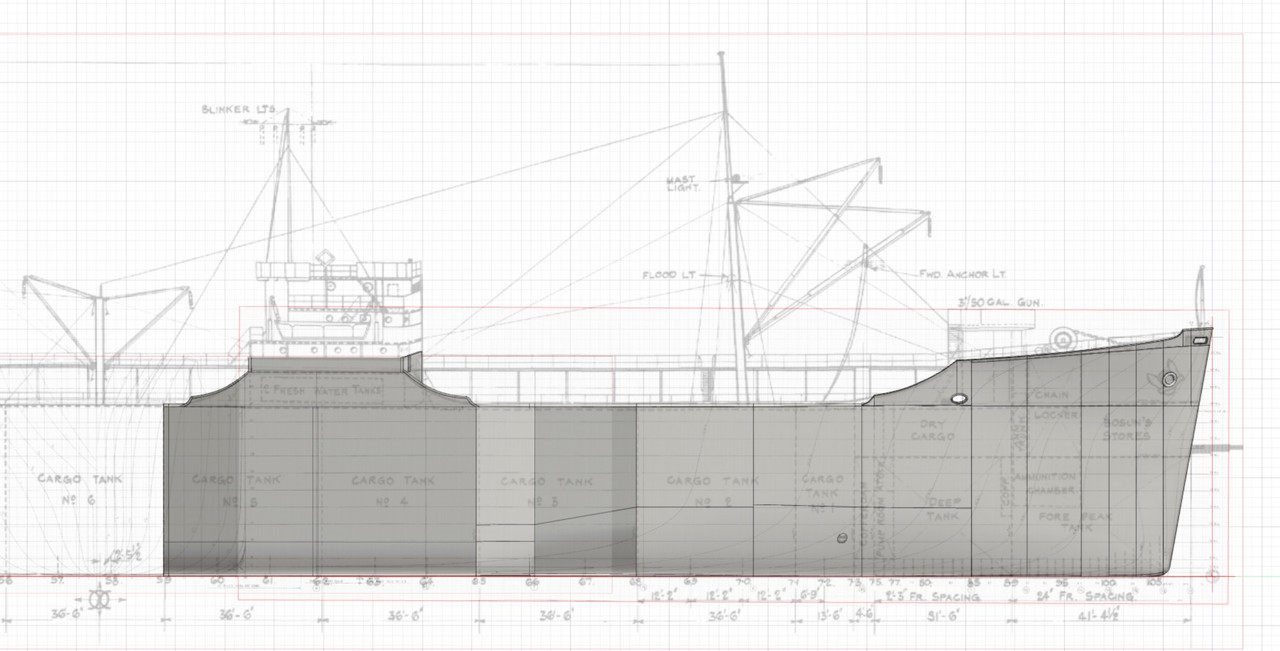
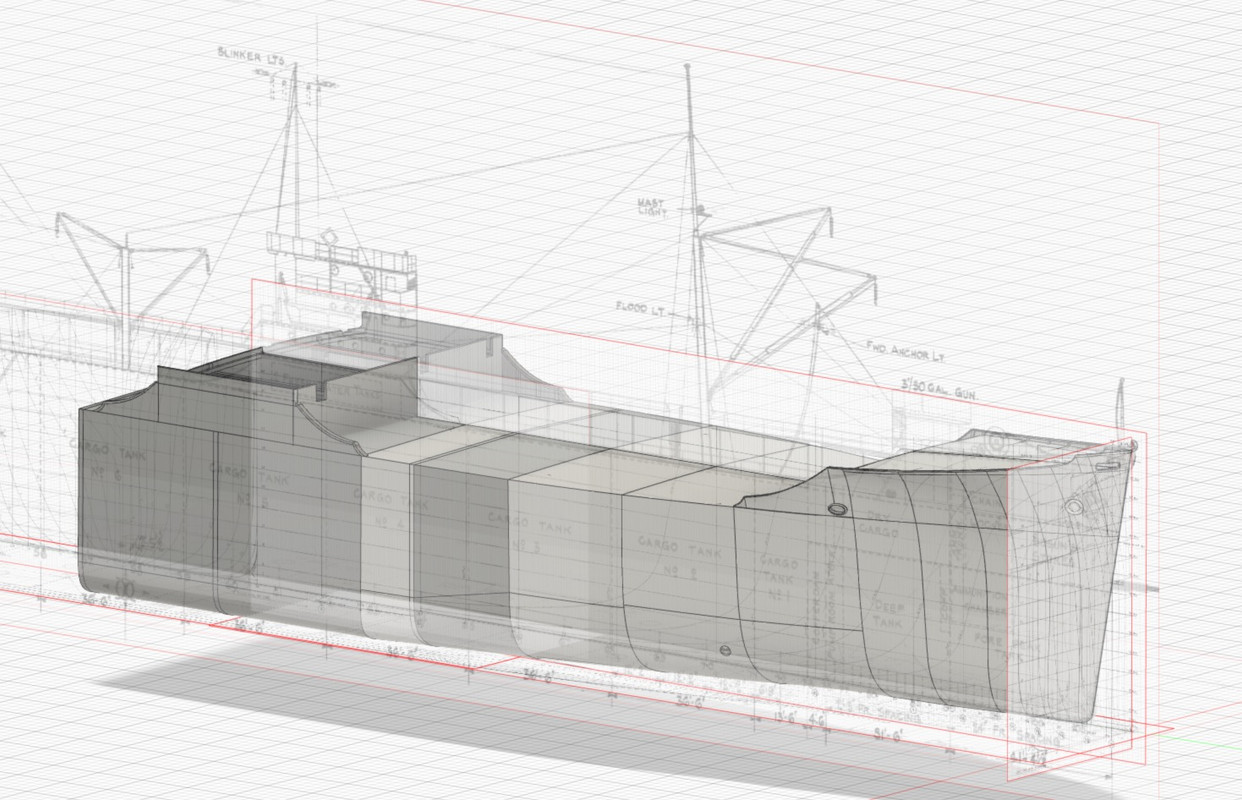
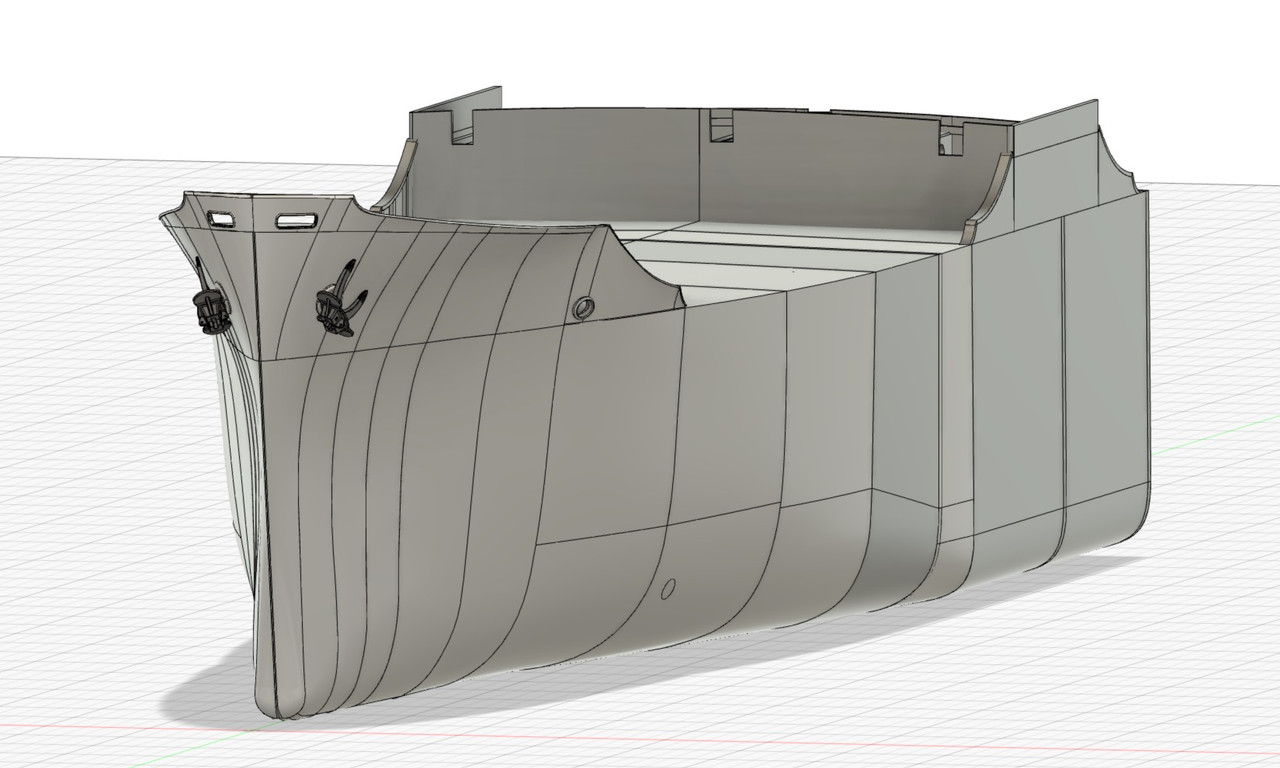
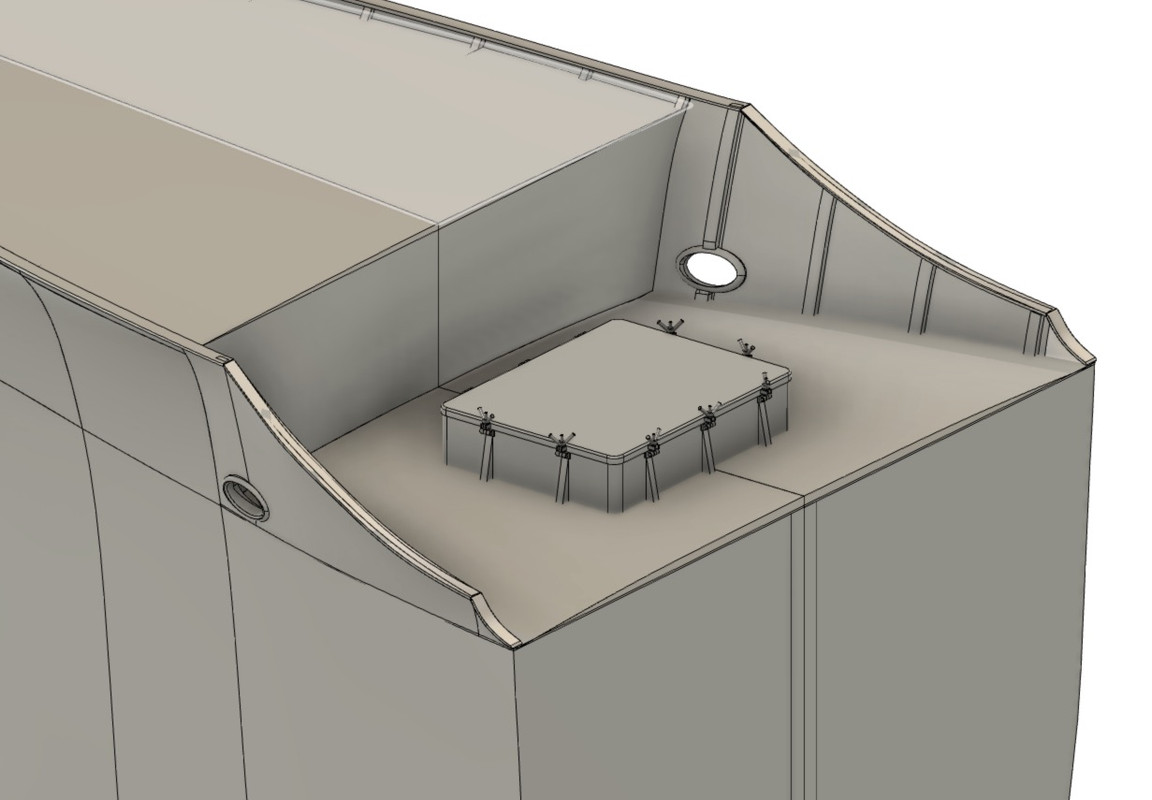
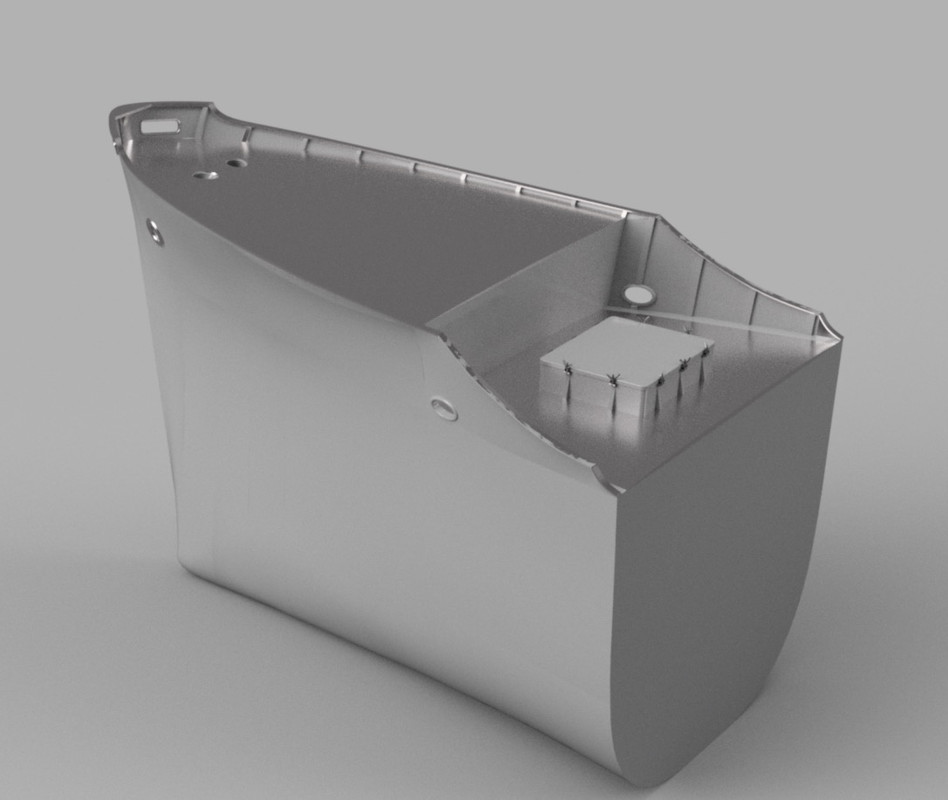
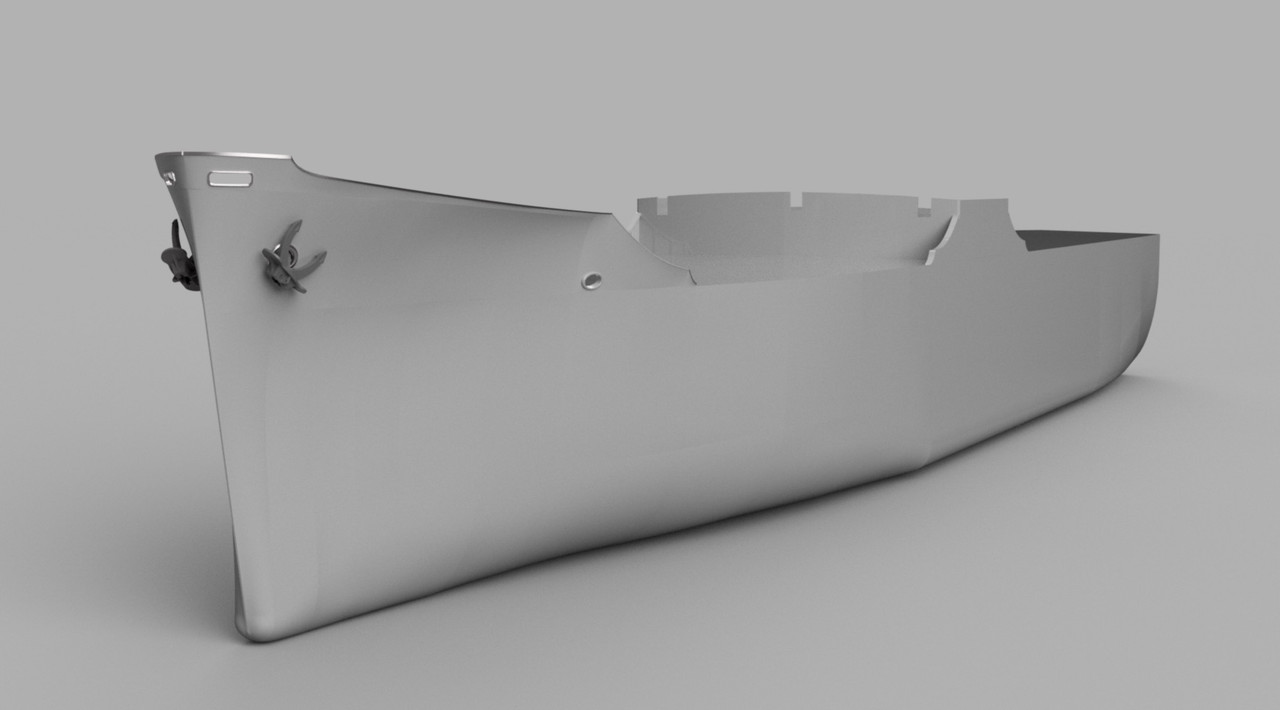
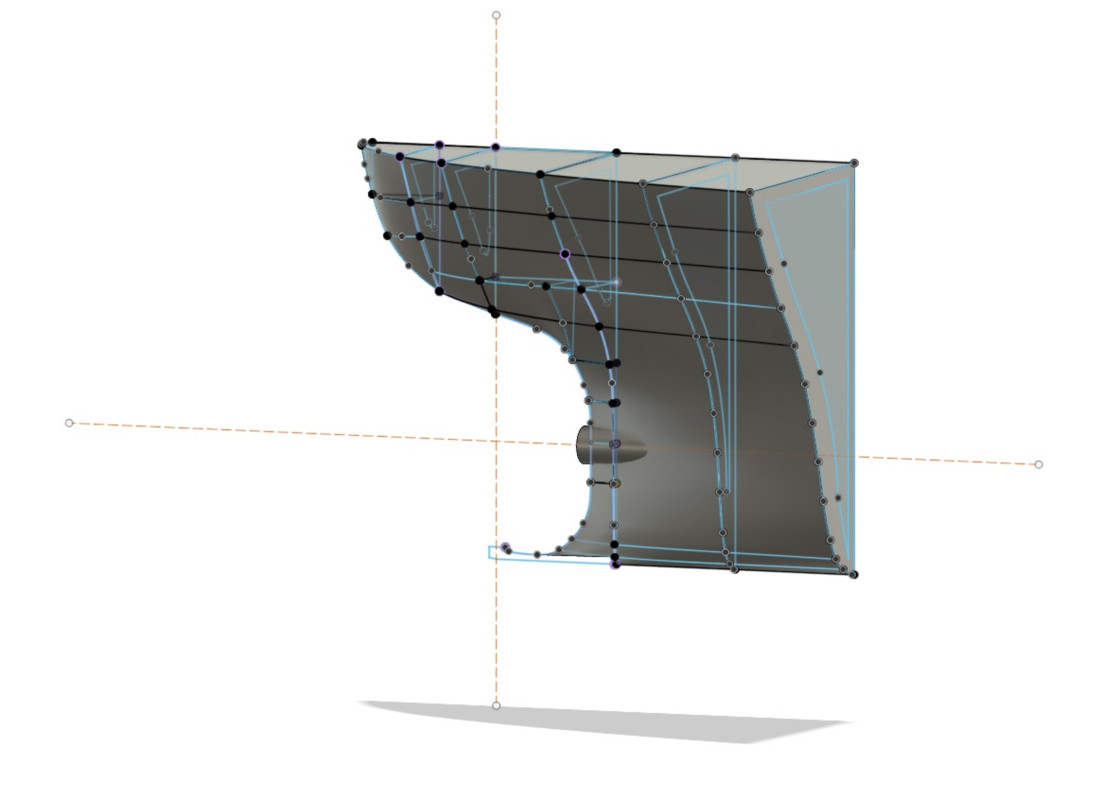
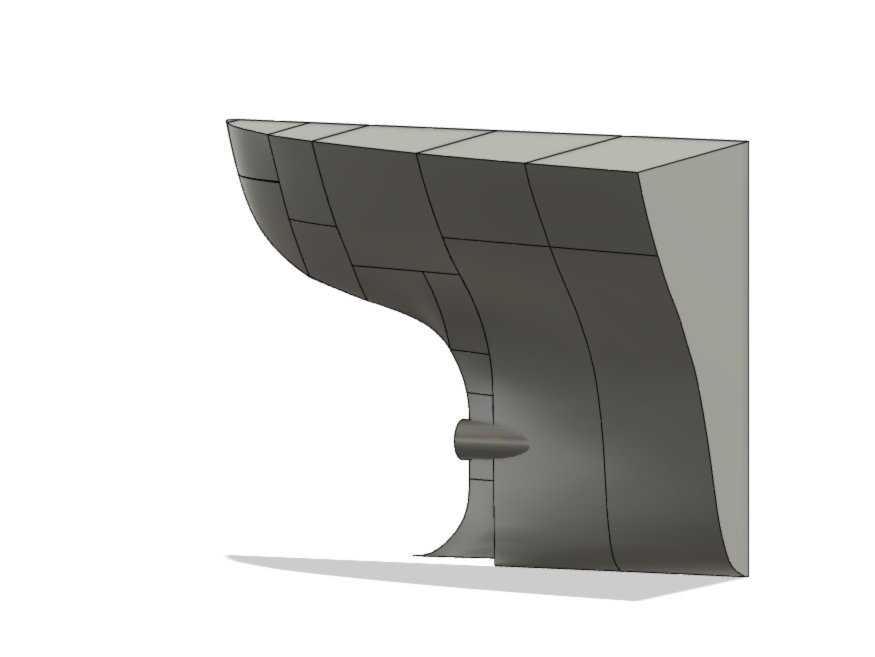
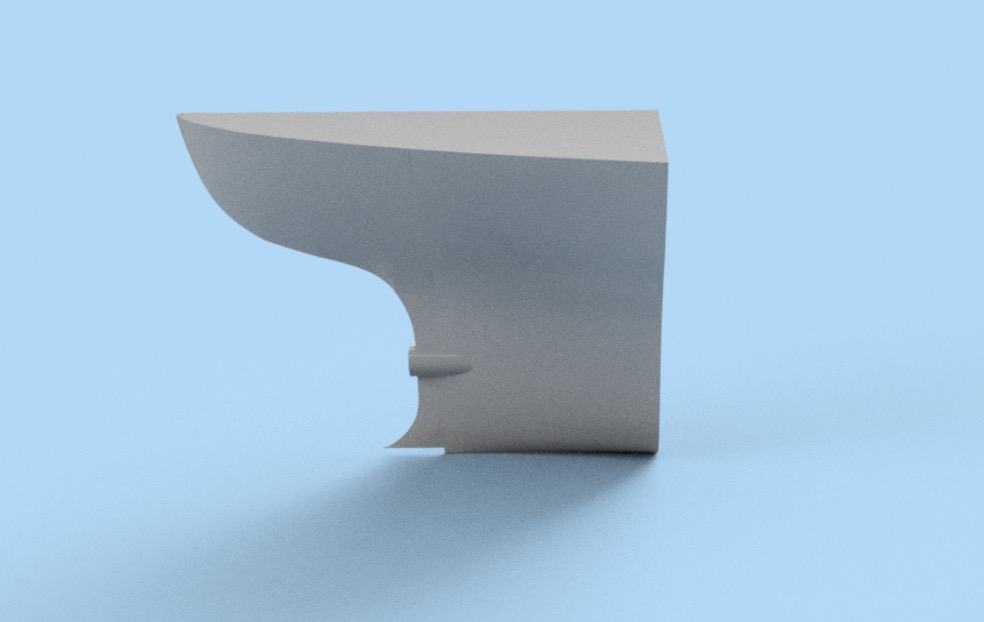
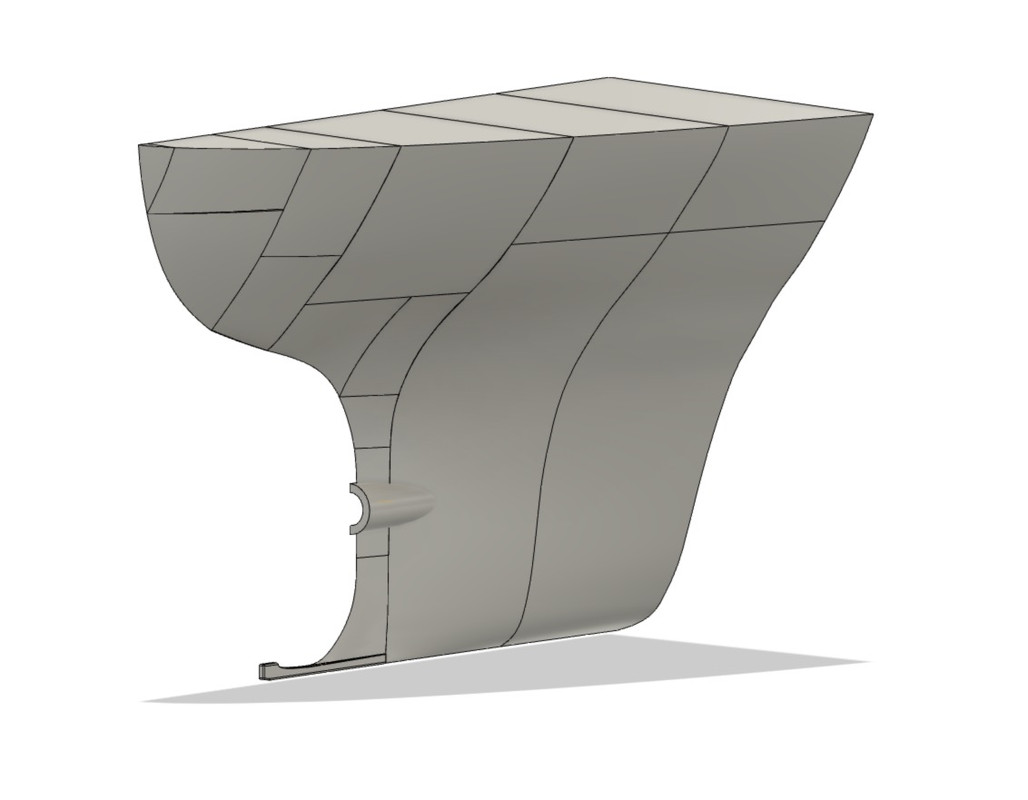
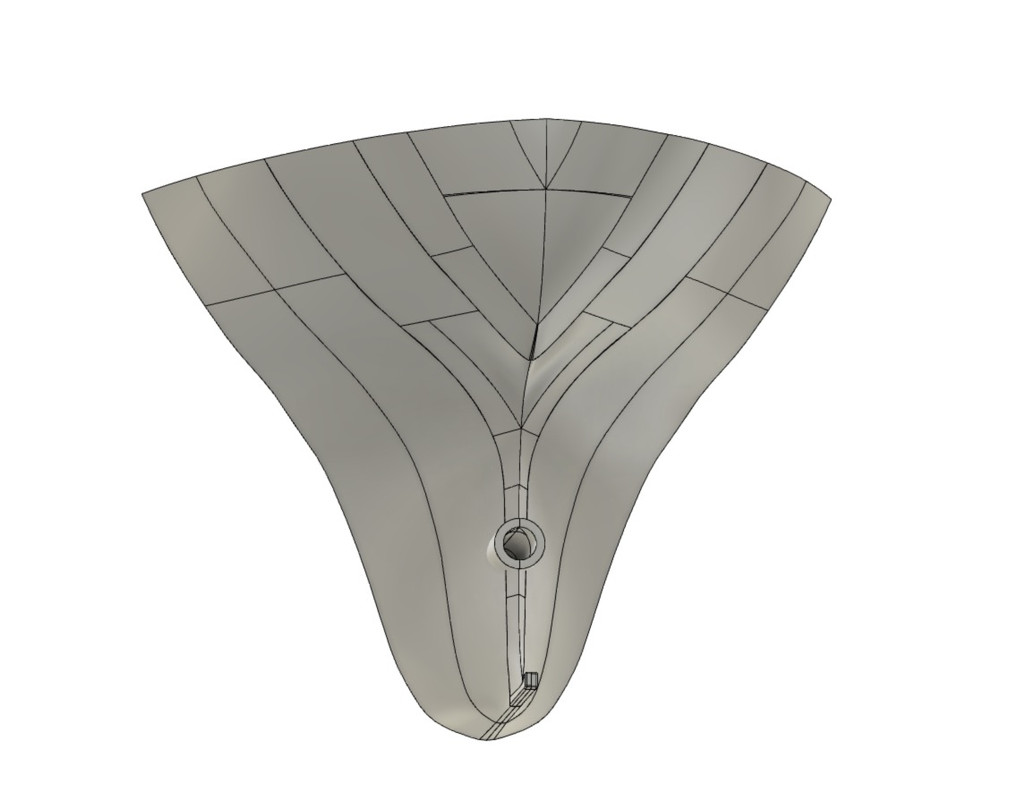
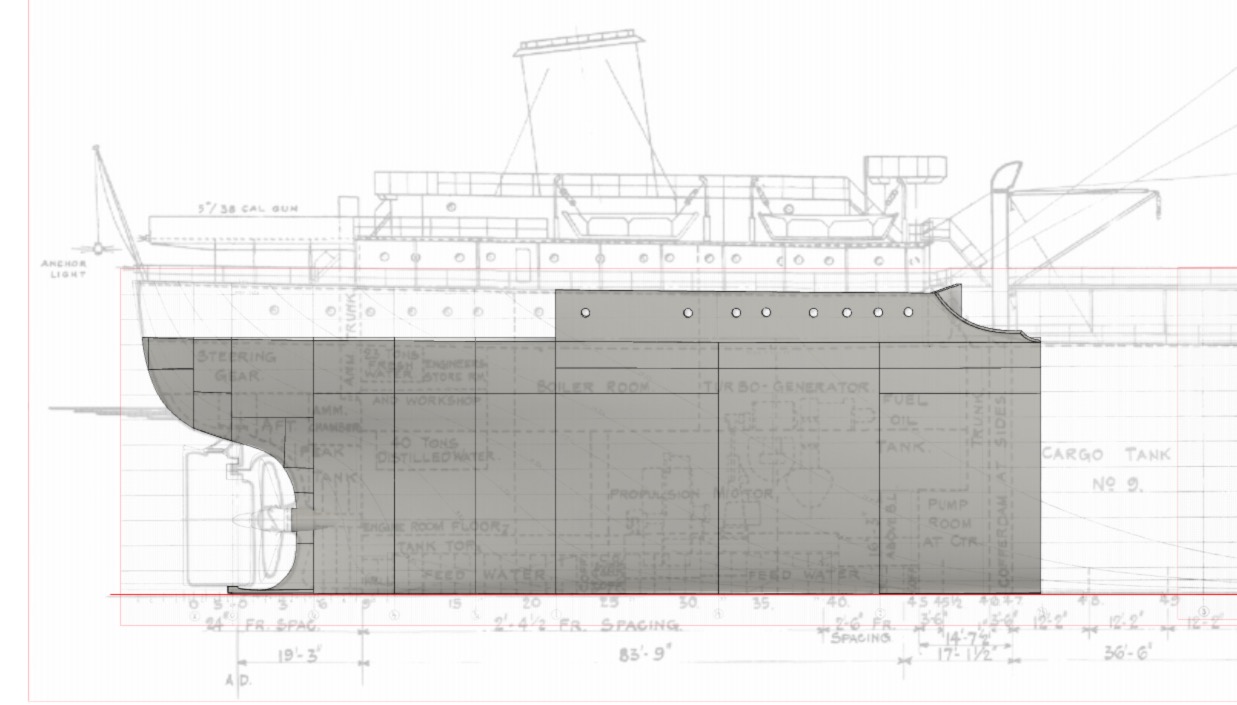
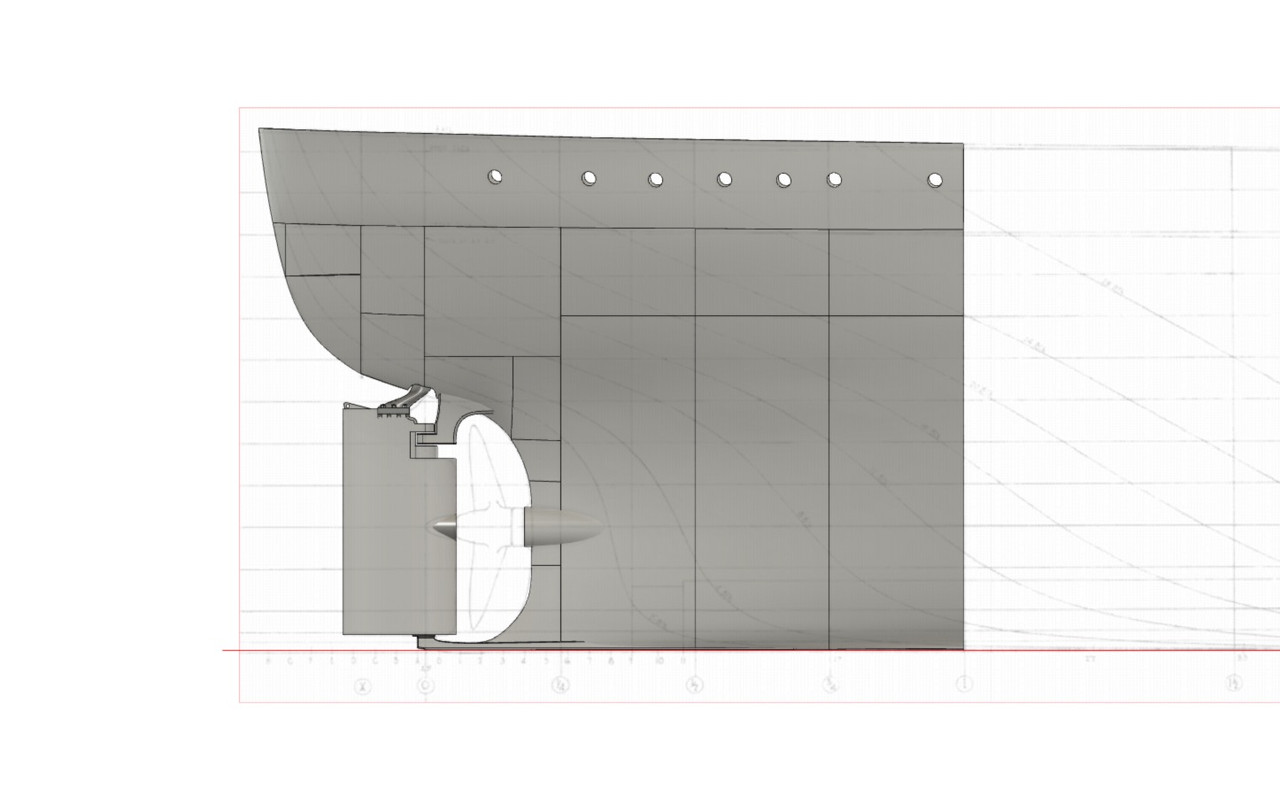
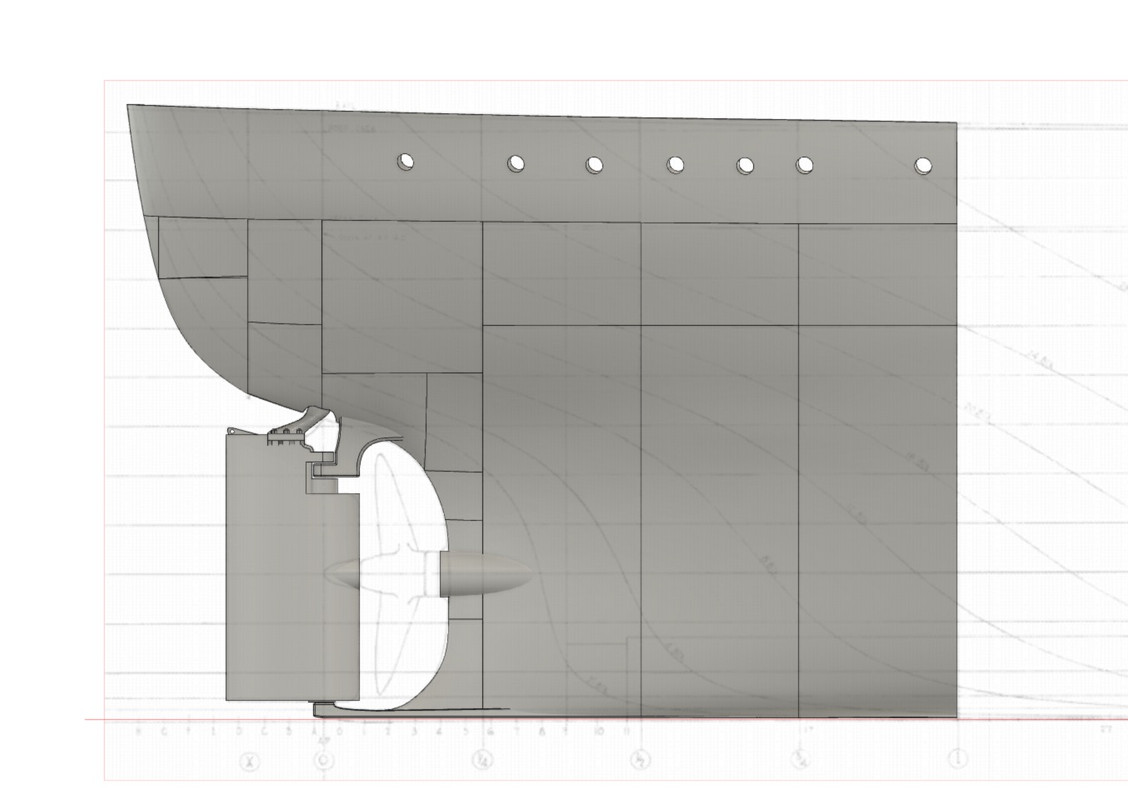
So I started to work on the 3D modeling of the front part to create 3D printing files. I'm starting in modeling. The modeling of the bow is particularly delicate, I am not too alaise with this tool which is the program Fusion 360. But after trial and error, I arrived at a few things that suits me, but that there will be some small errors to correct.
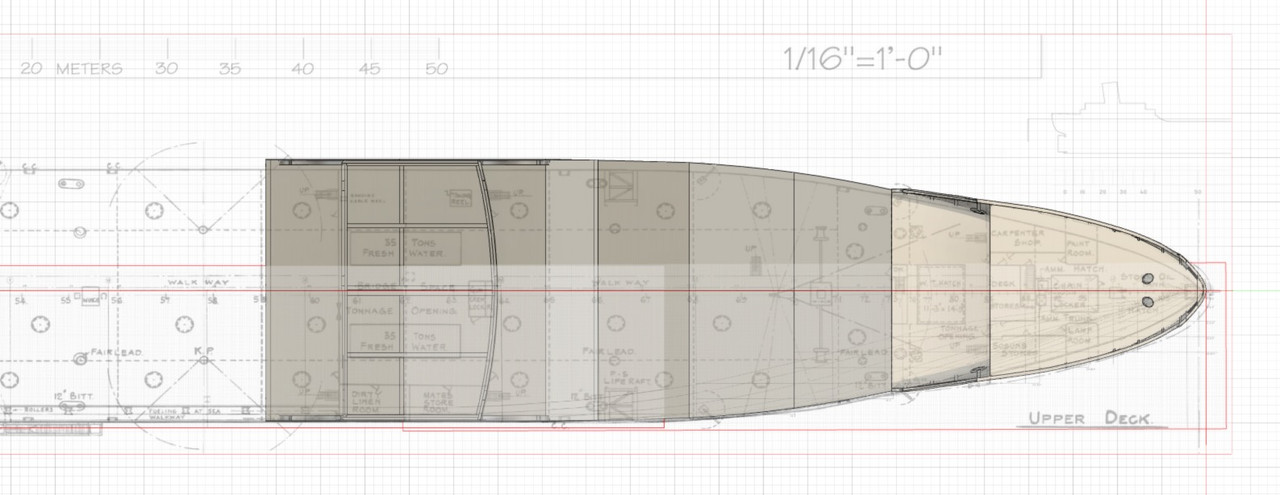
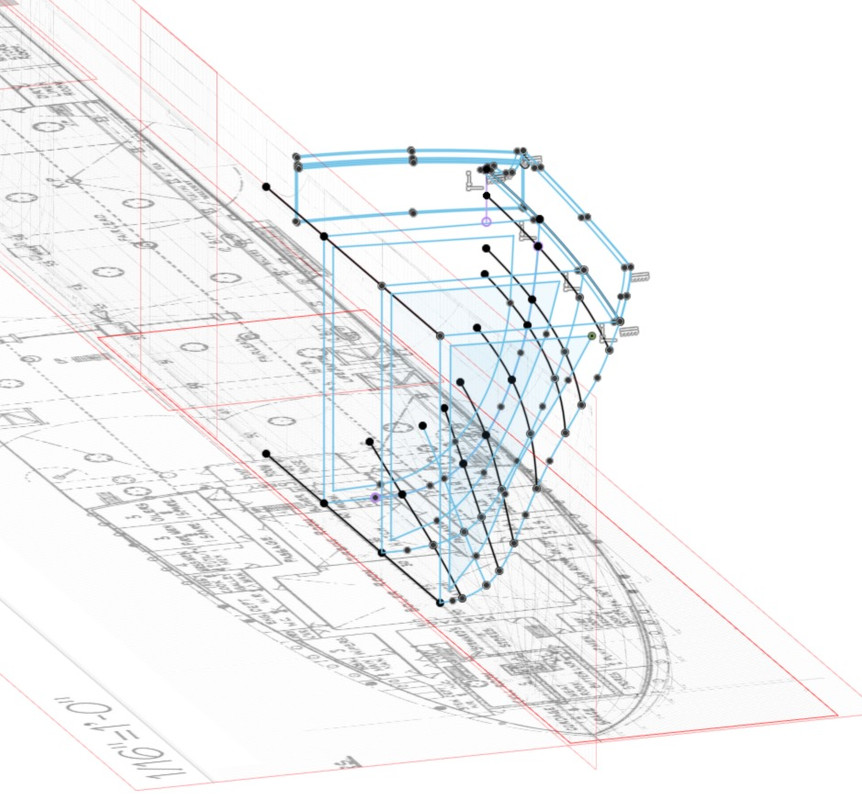
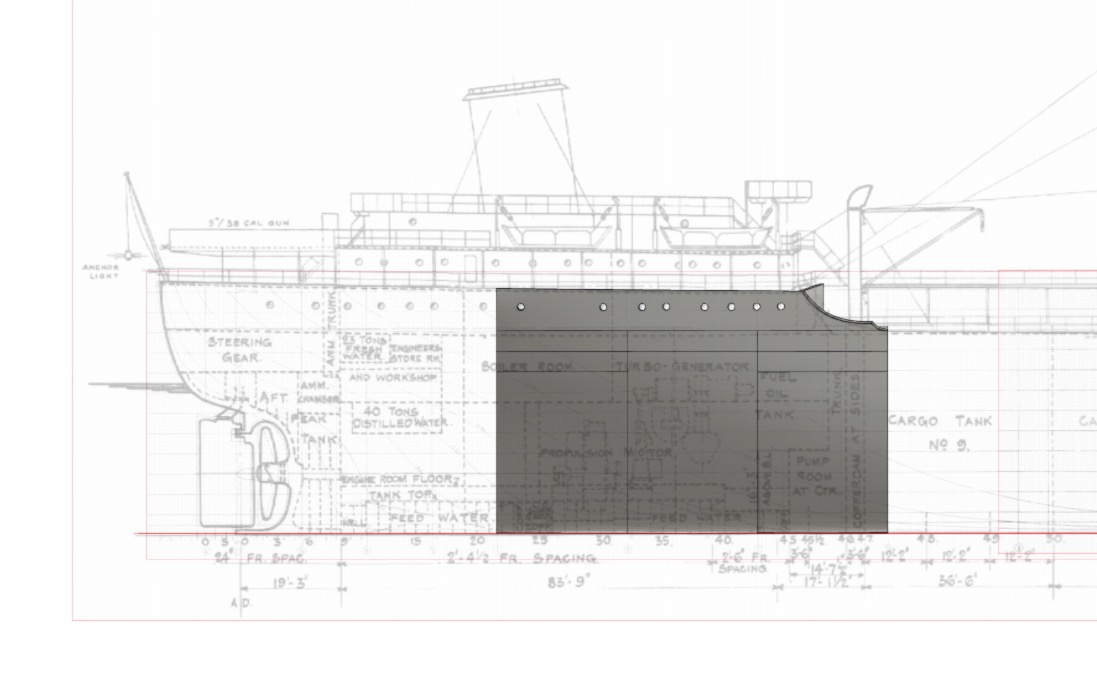
I started by installing the necessary plans as a layer on a 3D work plan.
I am aware of some deformations probably due to the digitization of the plans by the Americans, nothing serious, but the curves of the views are not always connected, so it is necessary to take this into account.
Put the 3 planes as layers:
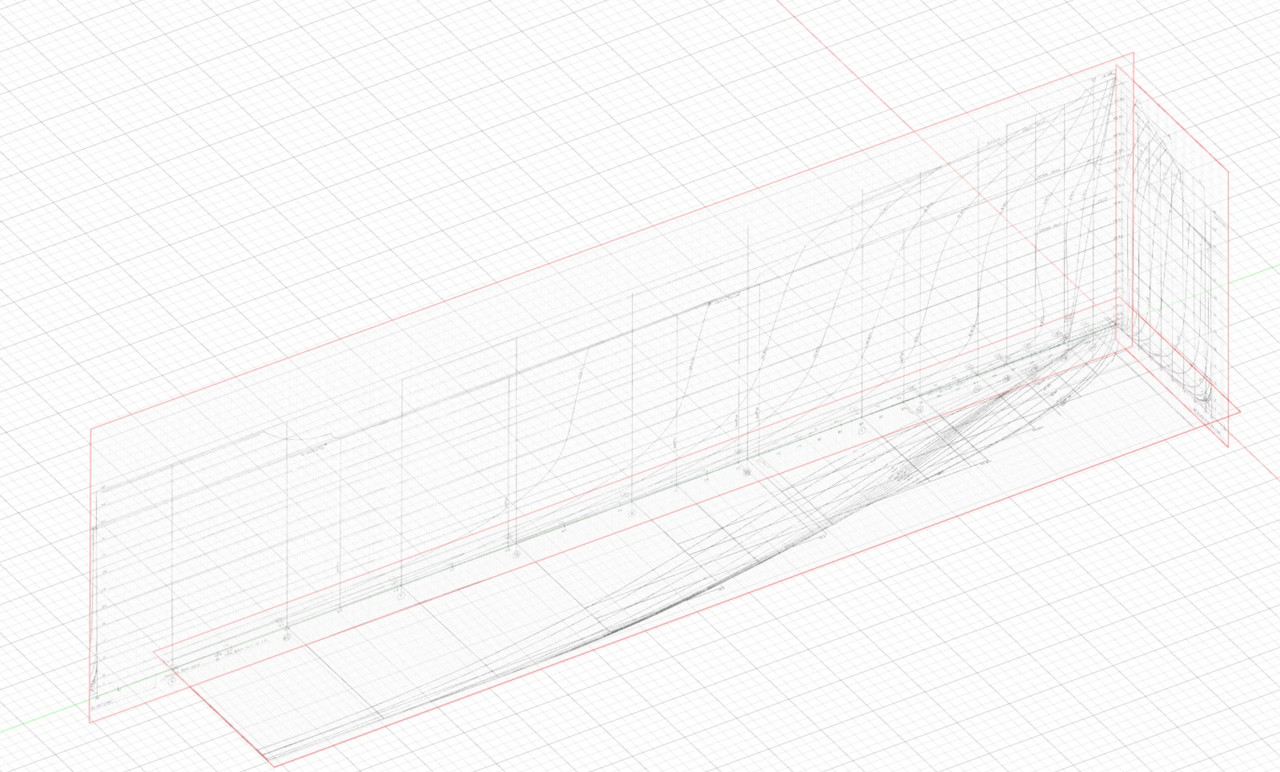
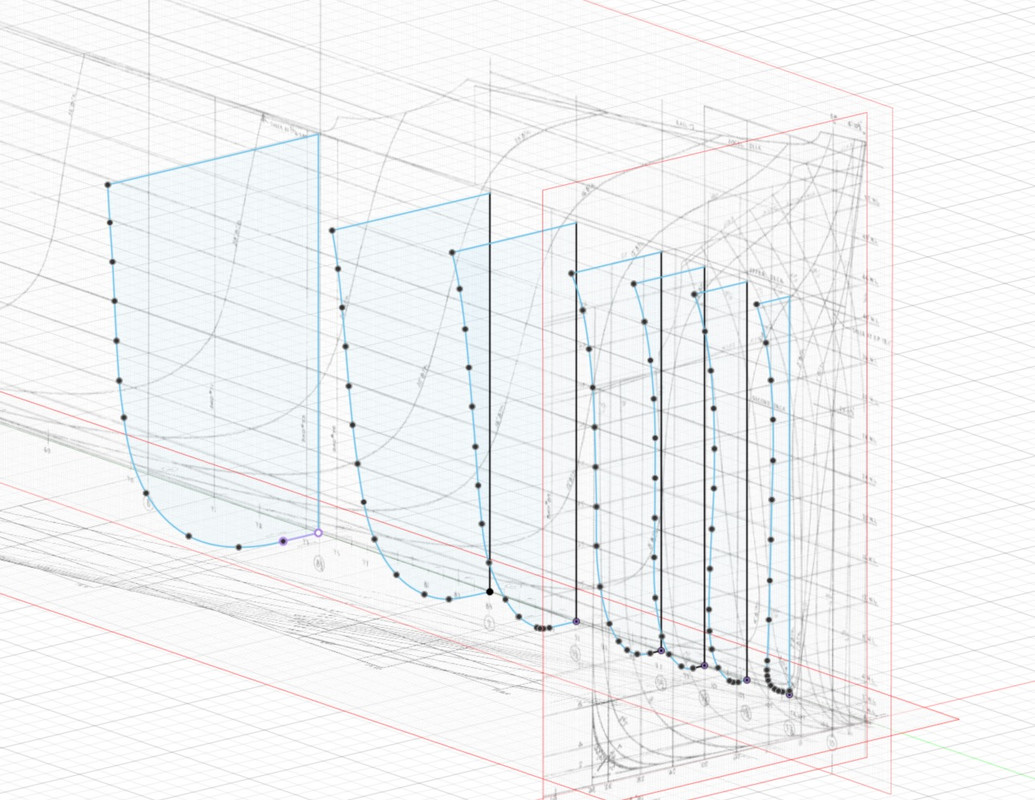
I started by creating the sketches of the first 8 couples by following the front view while stopping at the main bridge:
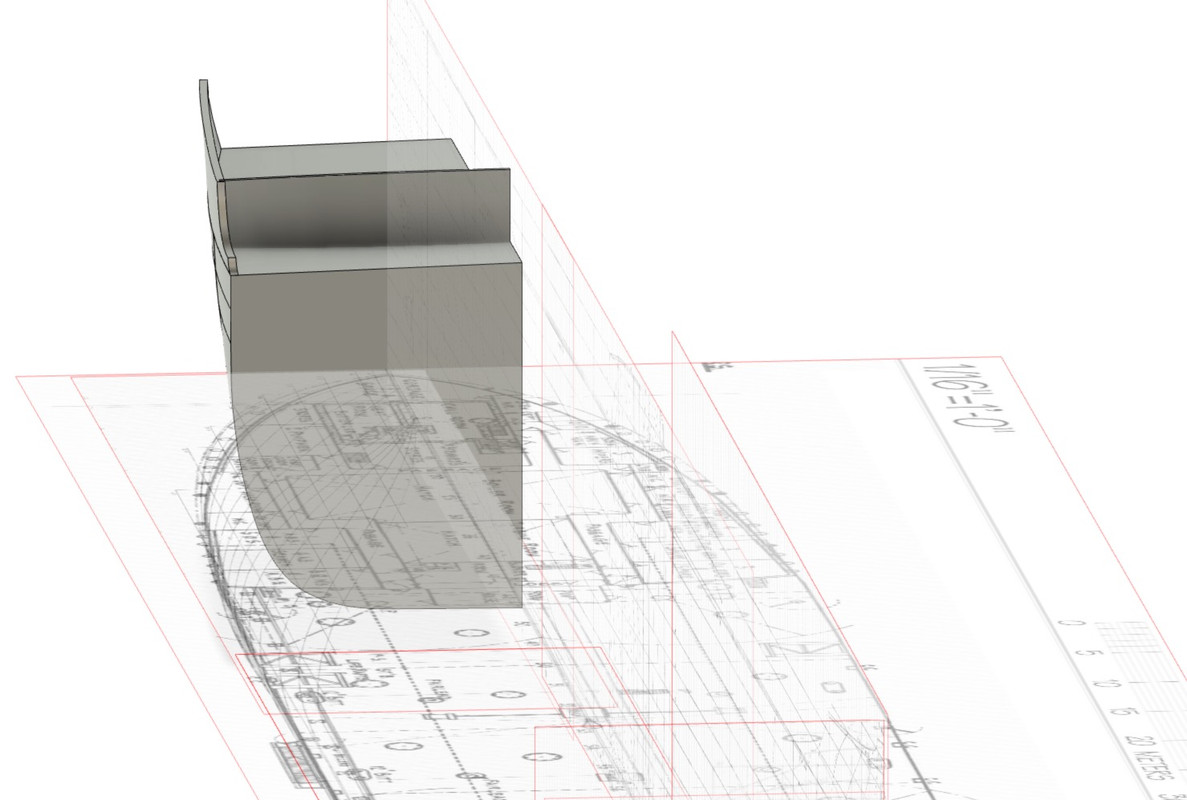
Then I continued on upwards, the forecastle.
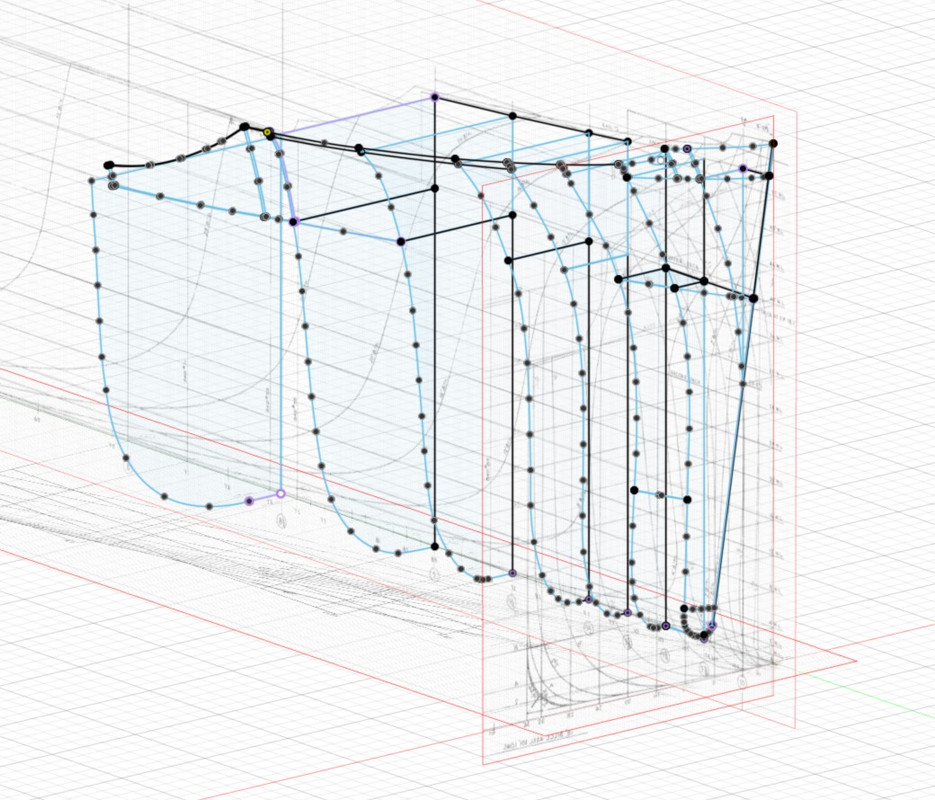
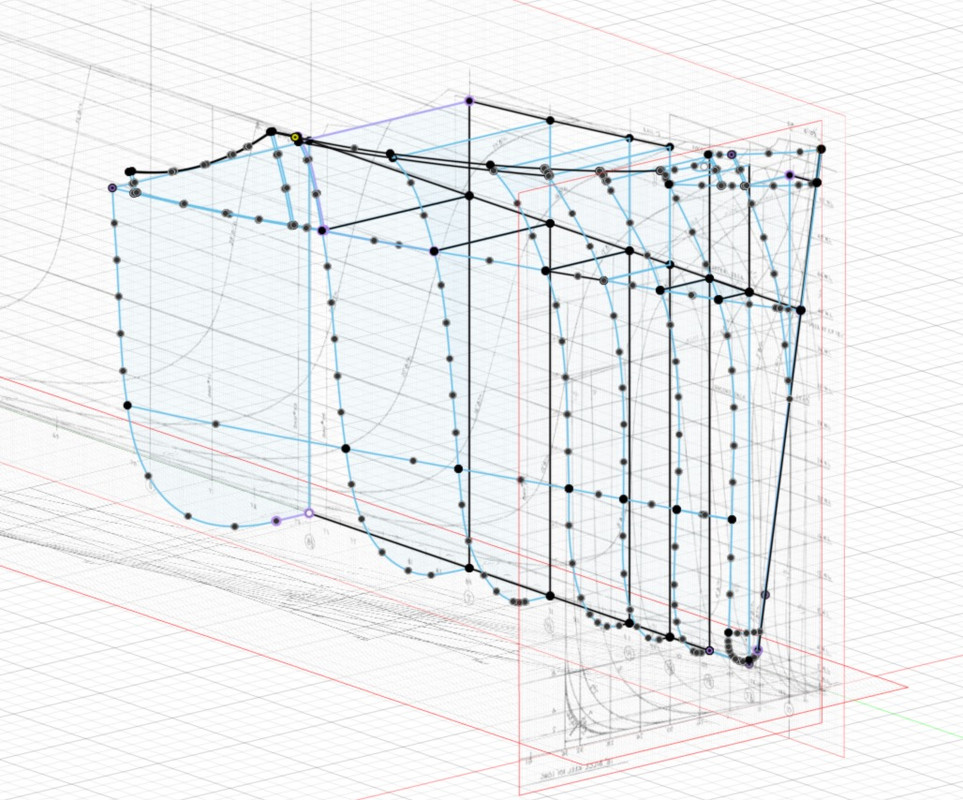
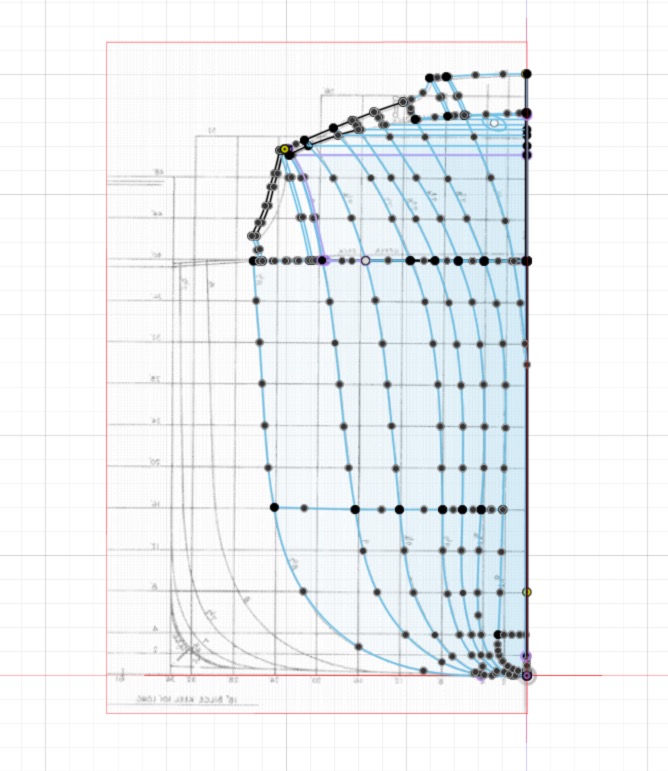
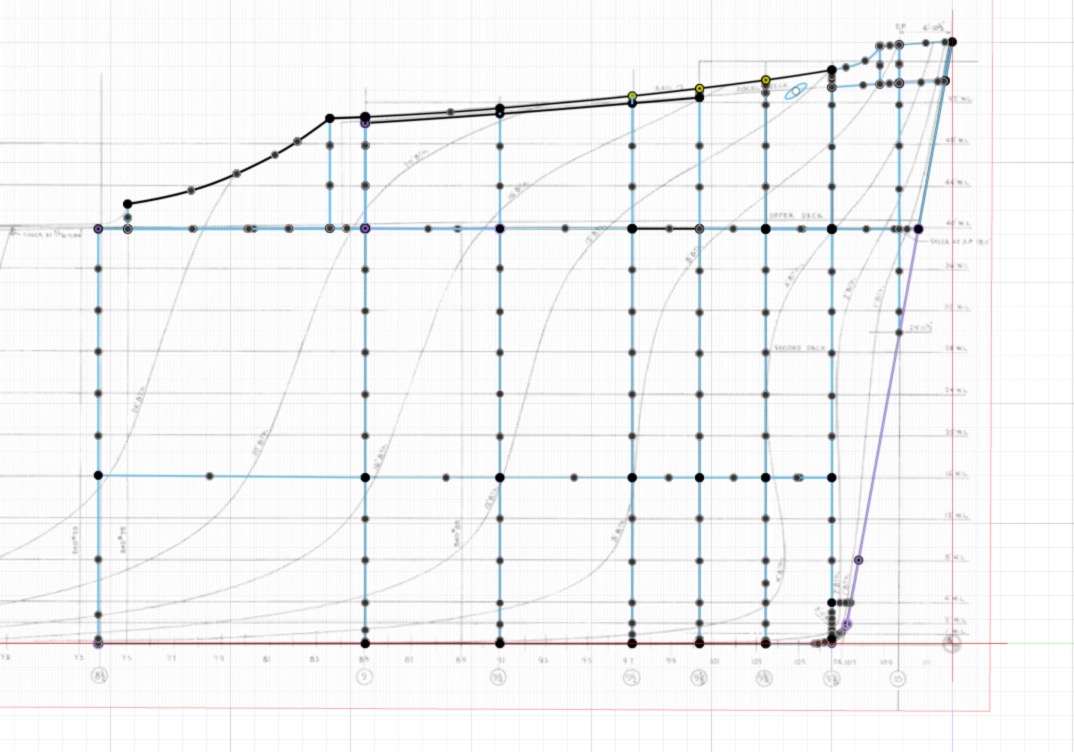
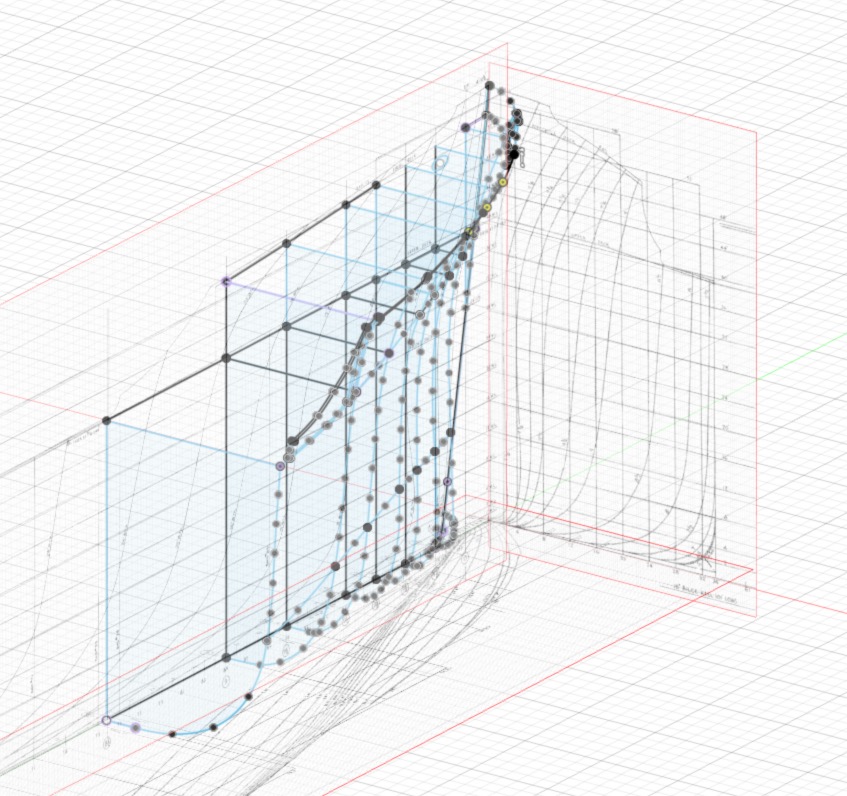
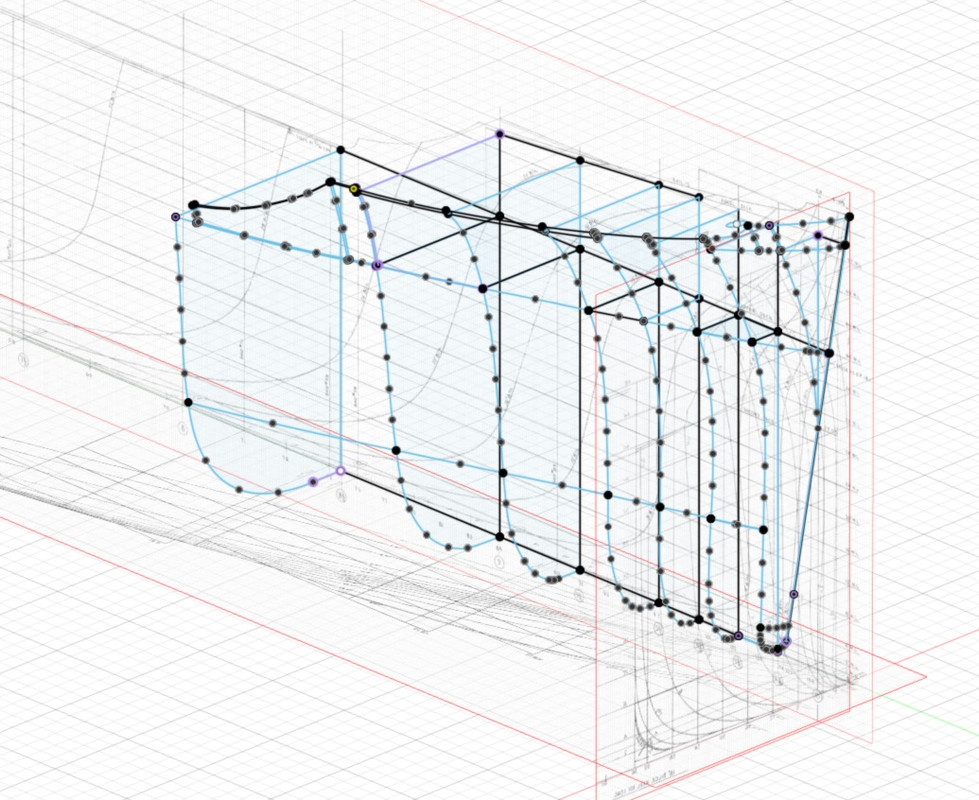
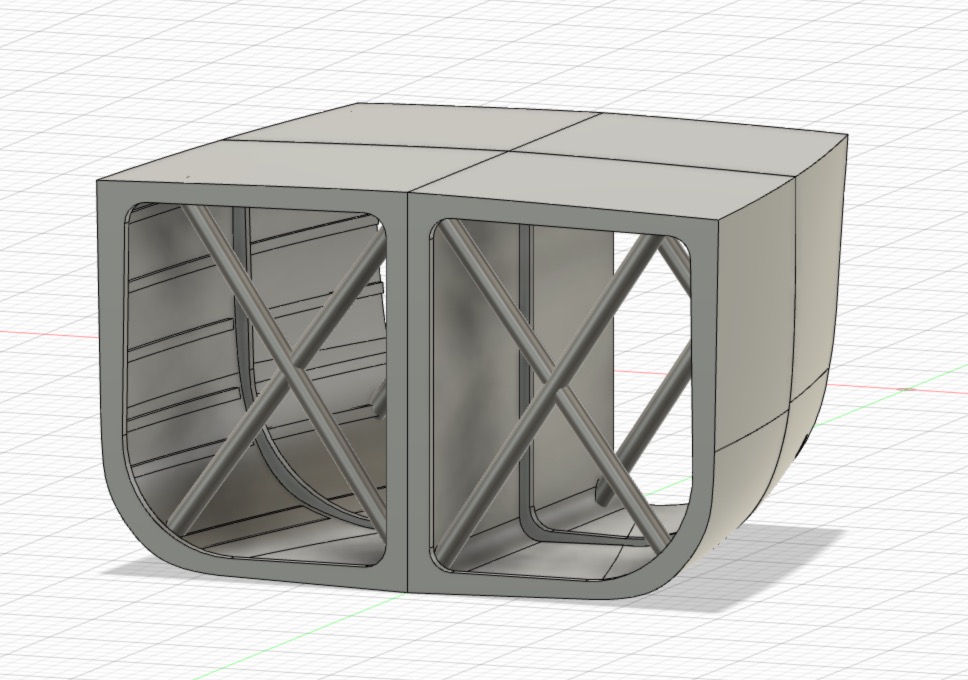
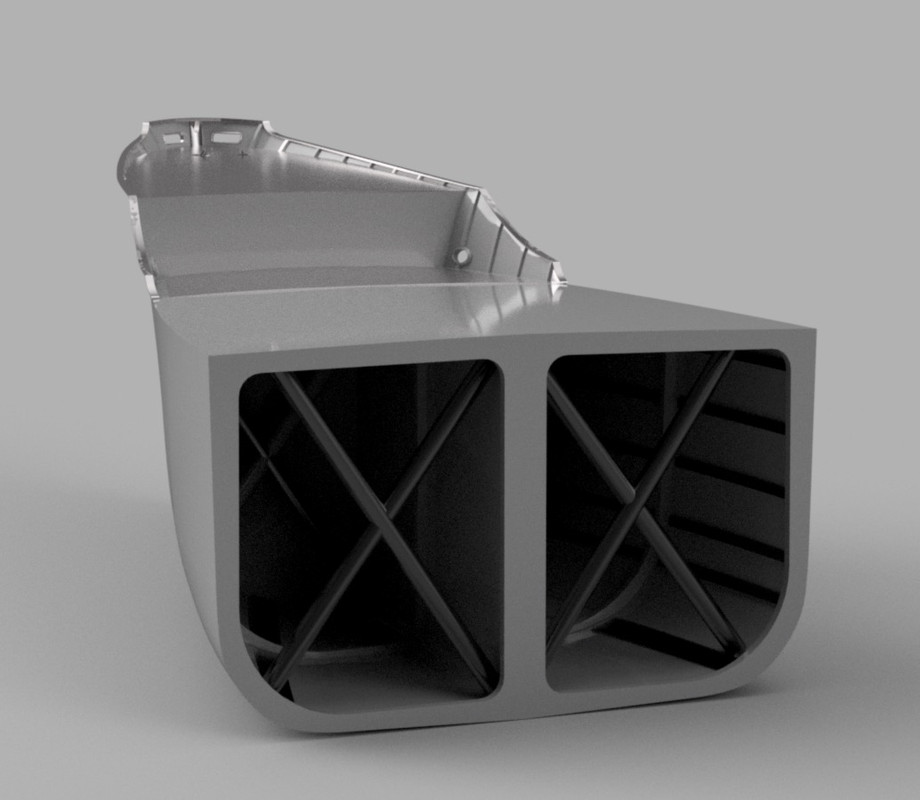
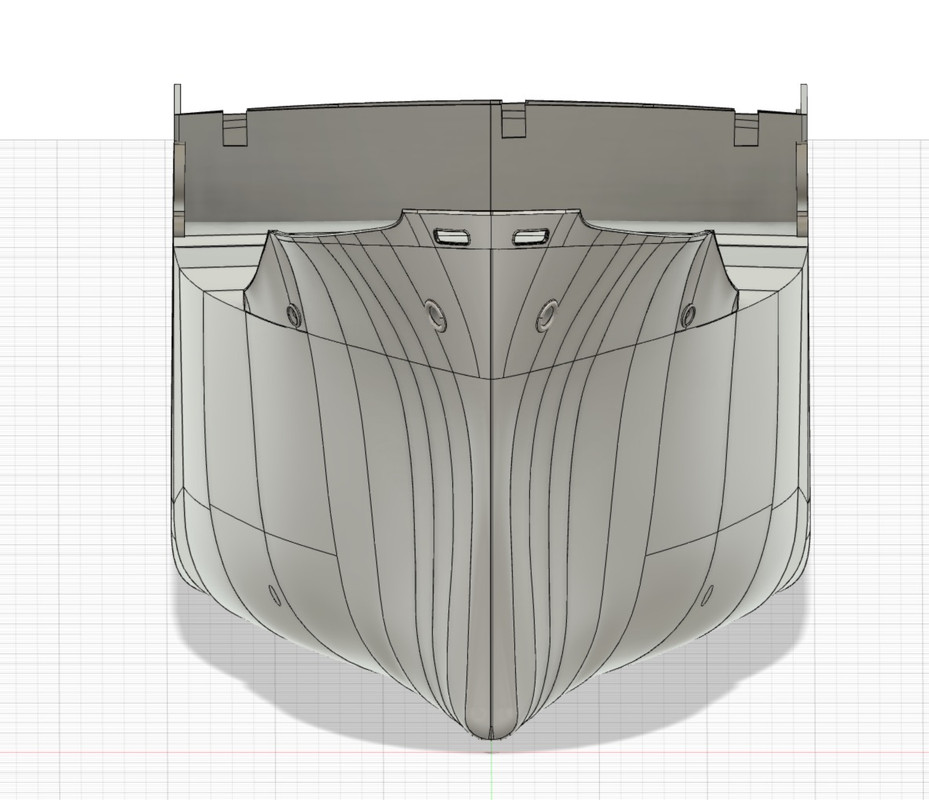
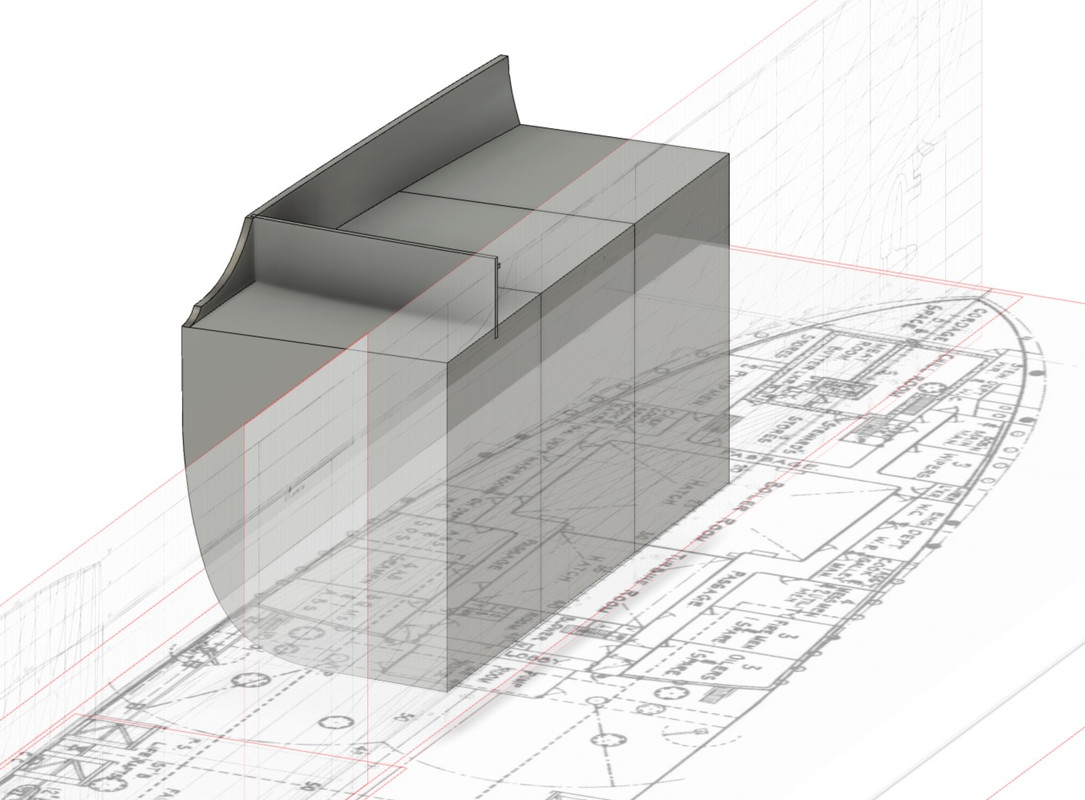
Then I created the block shapes with a very powerful function in the program, it's very impressive. And I created a mirror shape for starboard, the two sides being identical, so there's no need to design it. Moreover, it will be printed in half hull, then glued together.
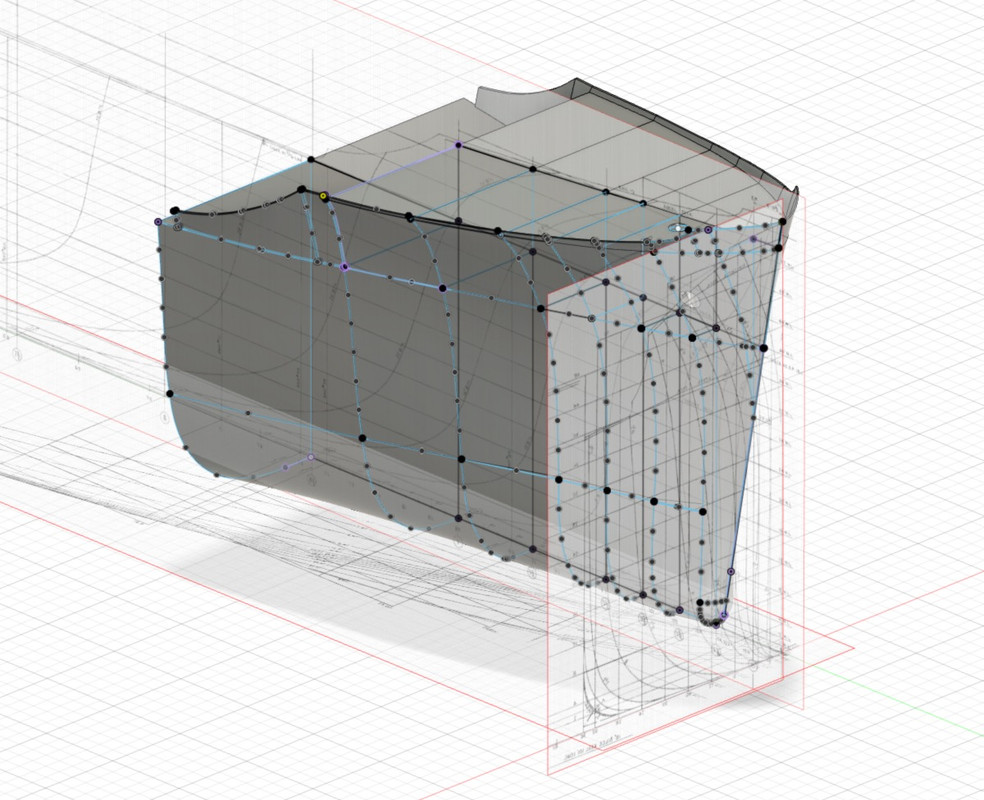
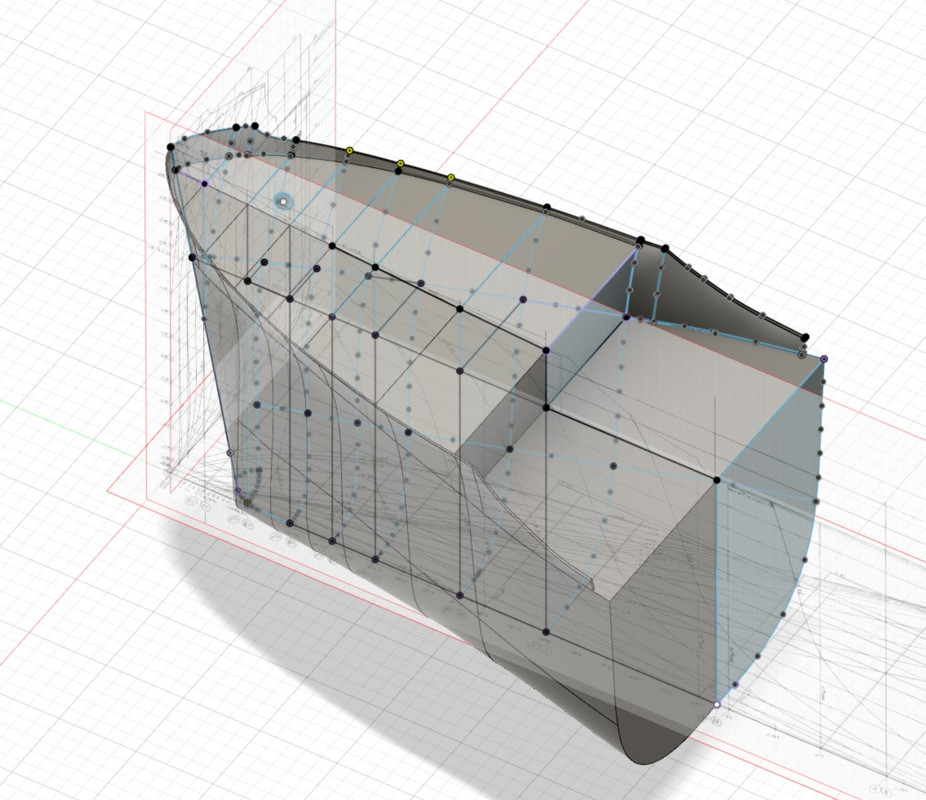
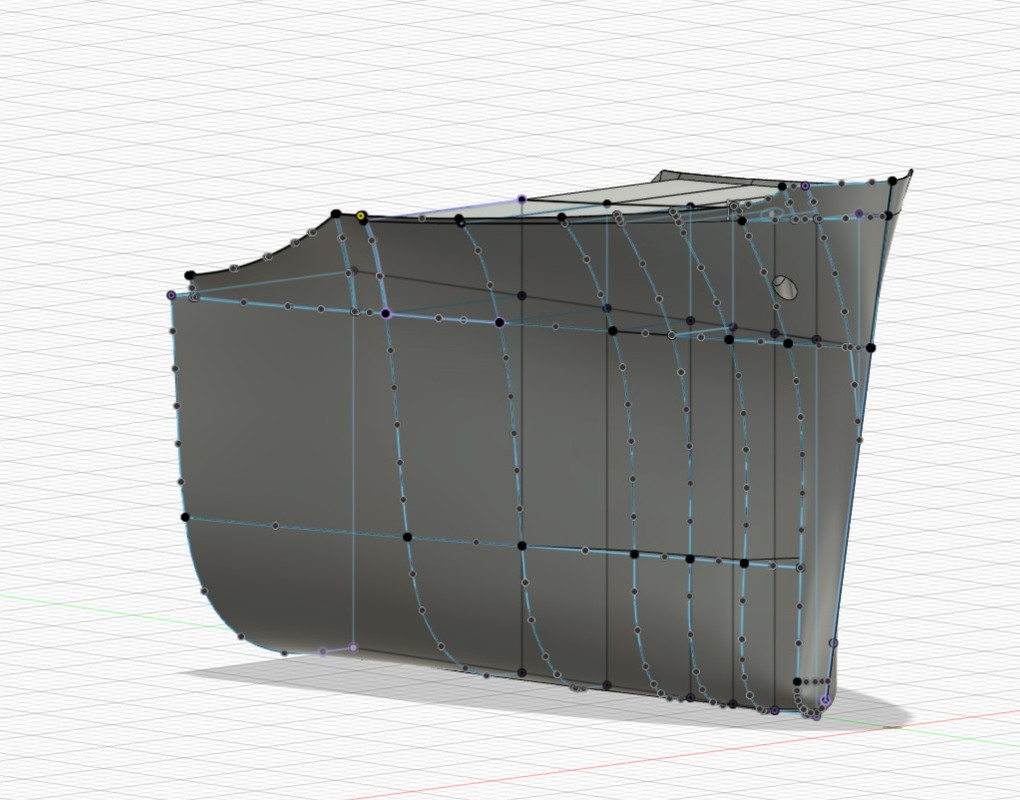
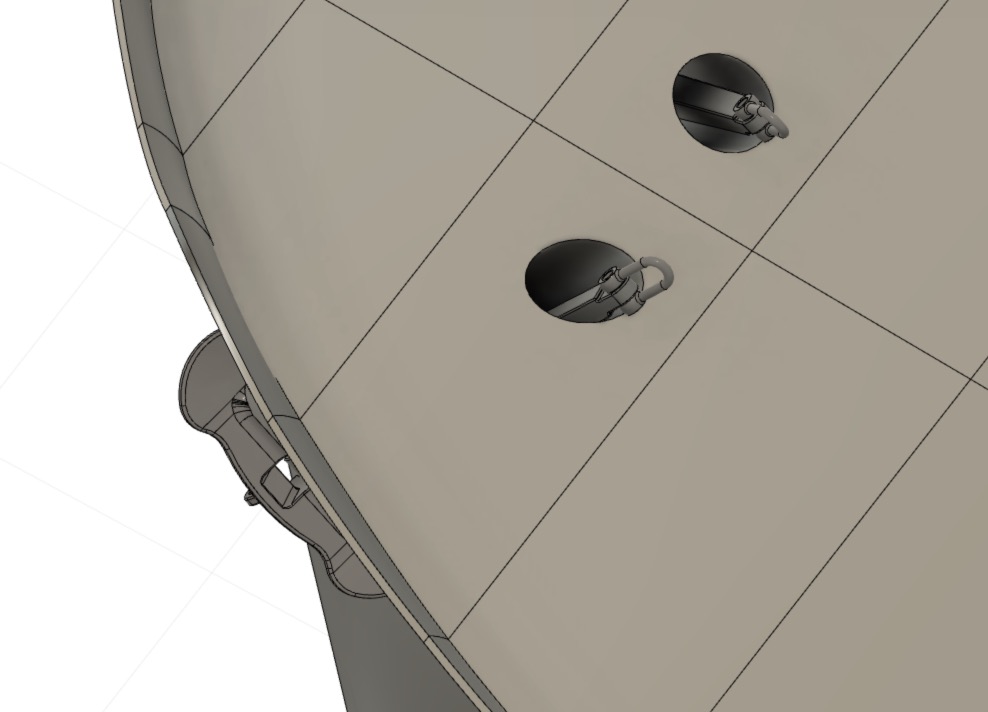
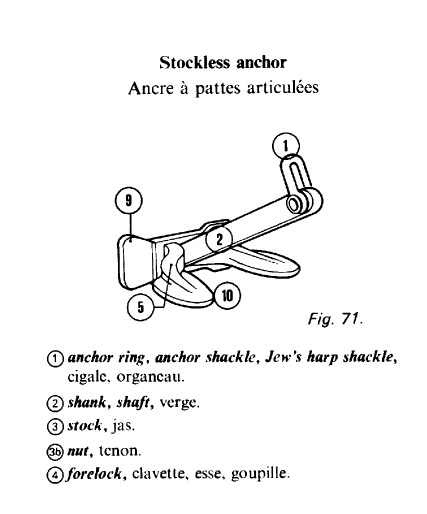
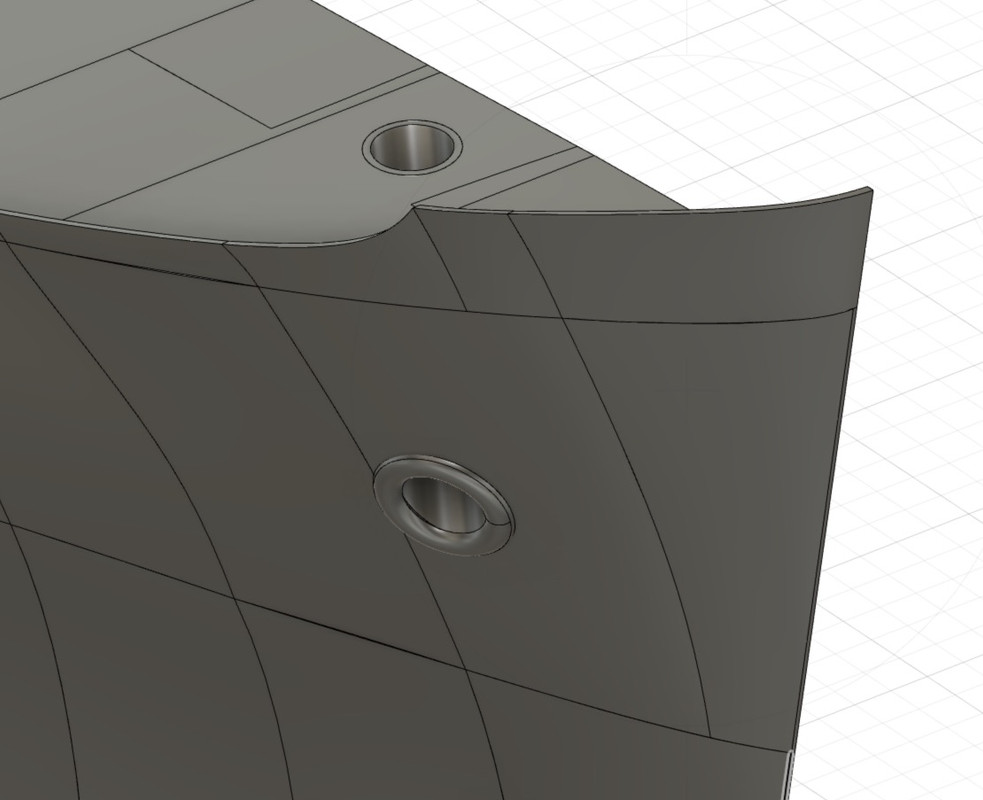
Drilling of the port hawser, it was necessary to deduce the exact angles of the hawser in the 2 planes thanks to two new layers from other planks.
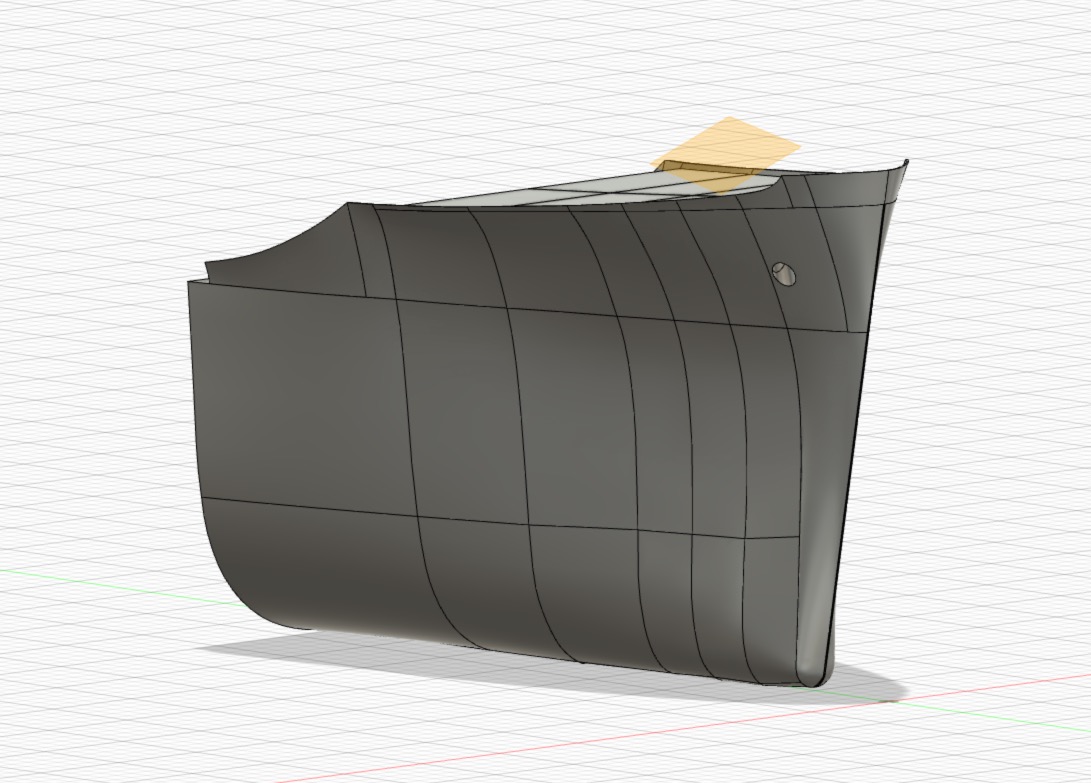
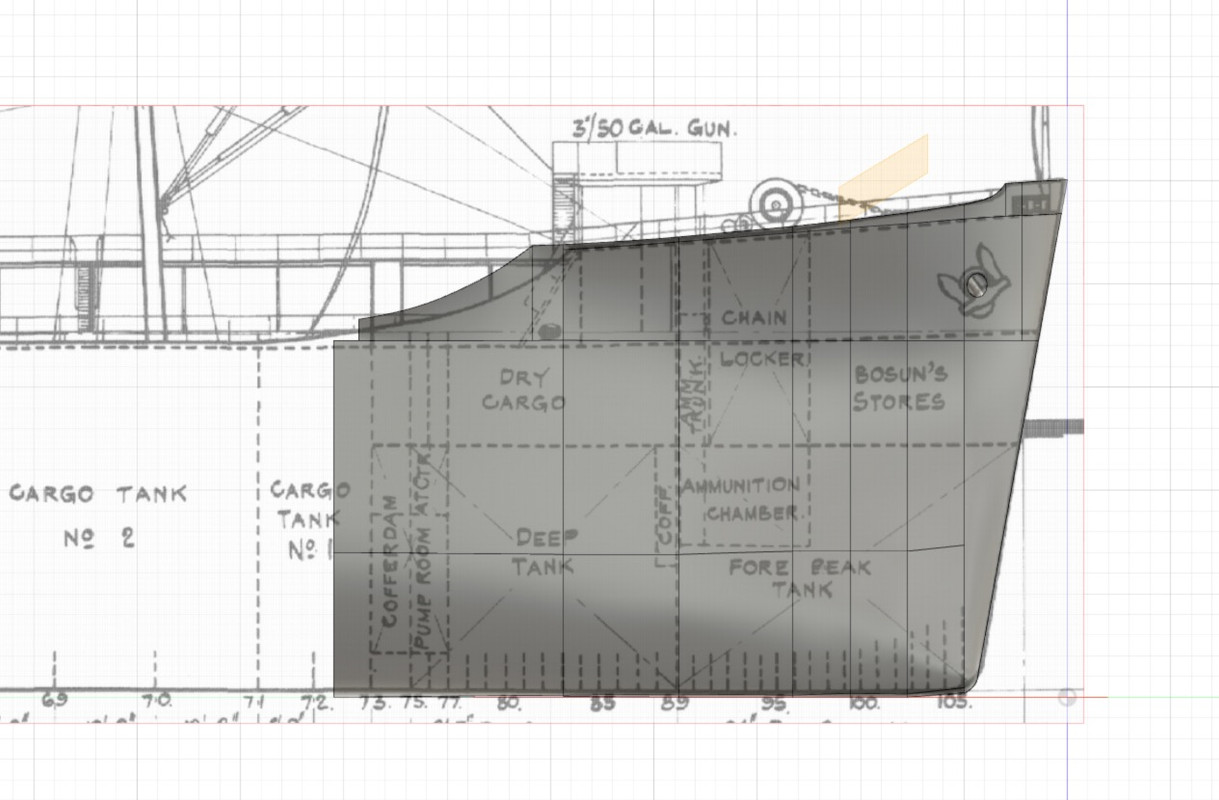
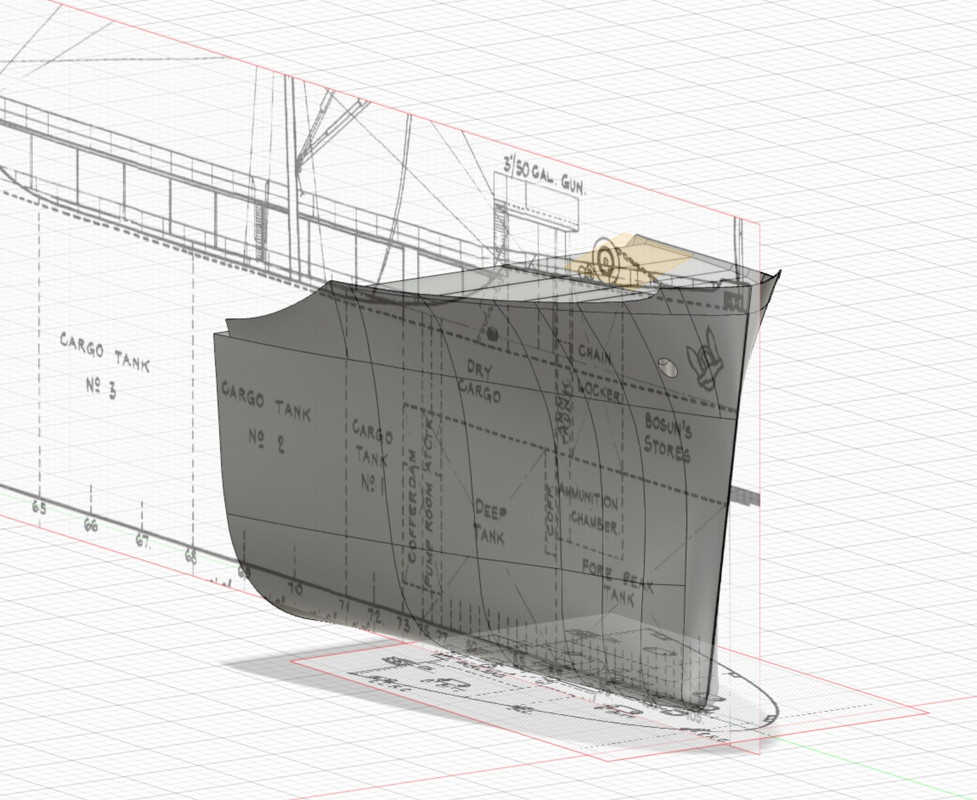
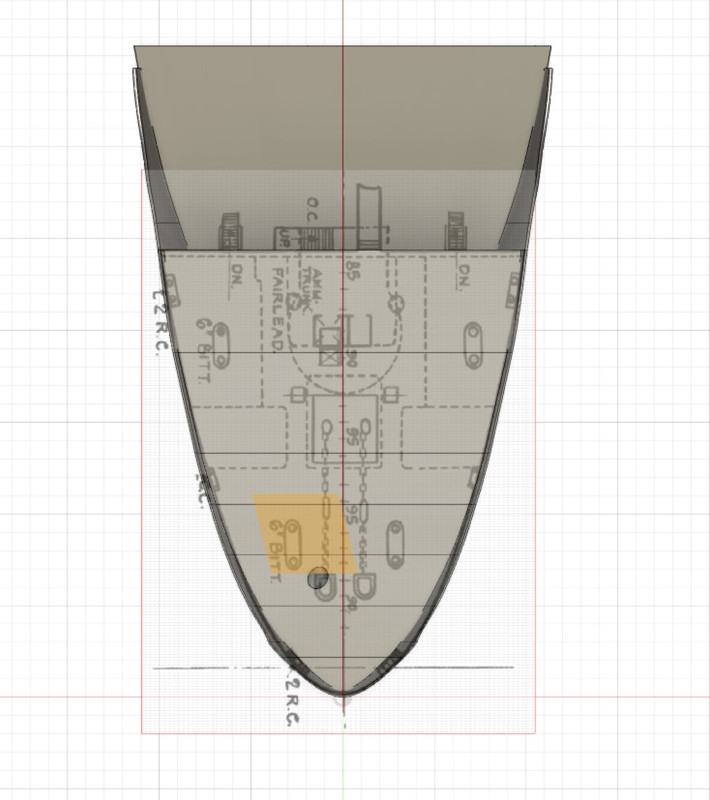
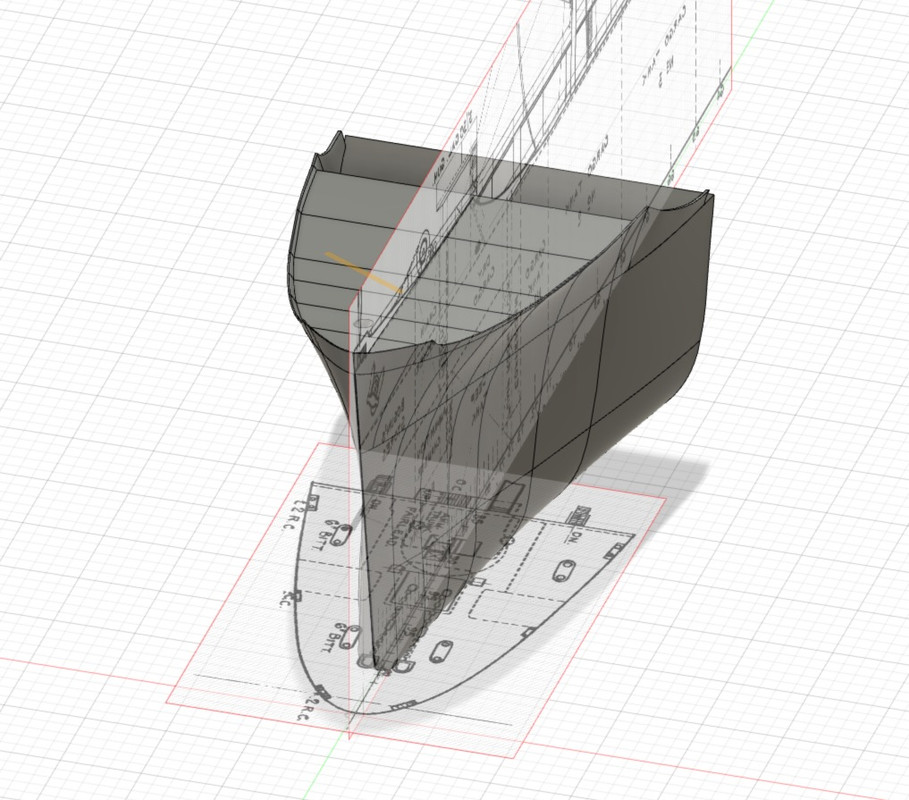
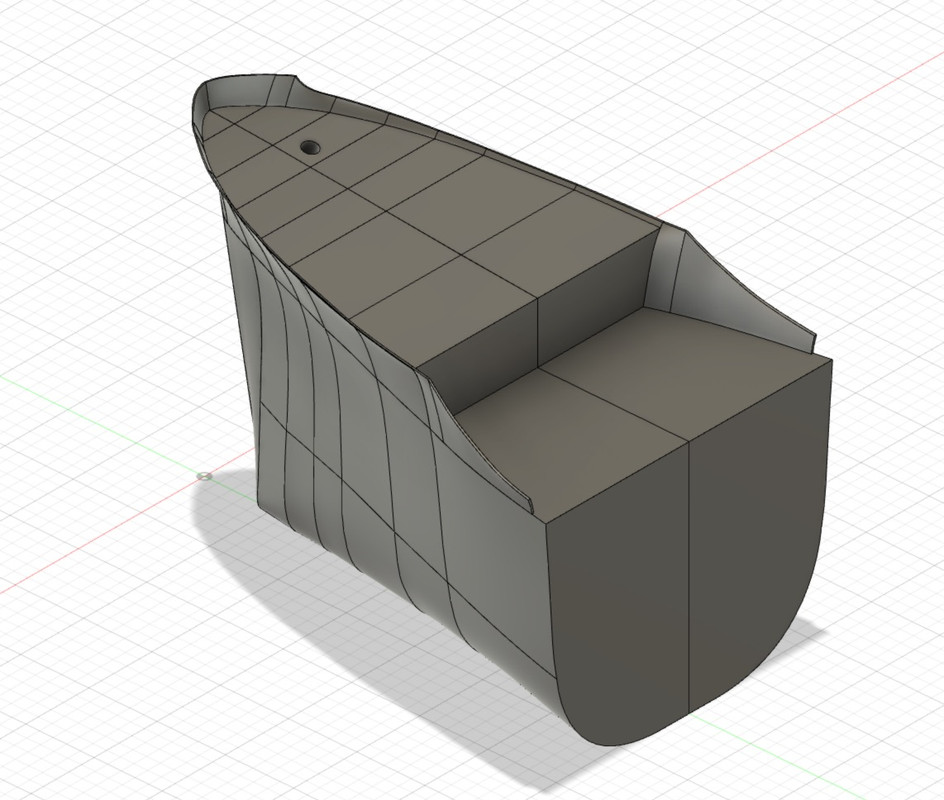
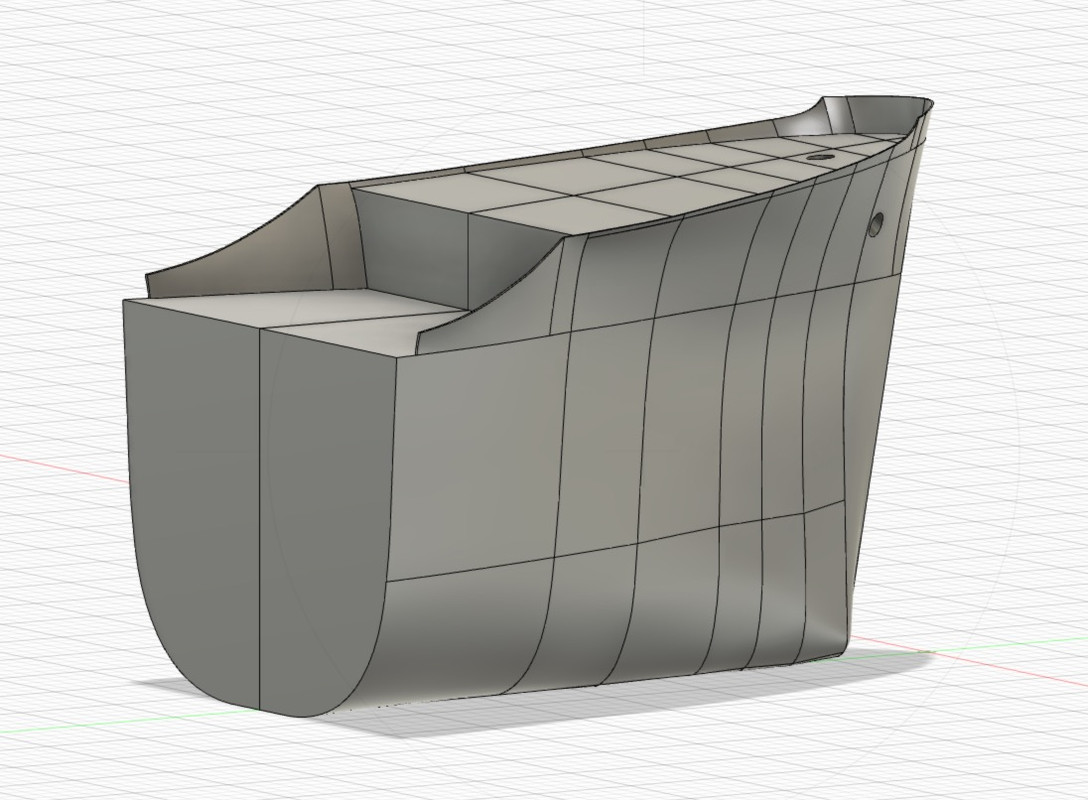
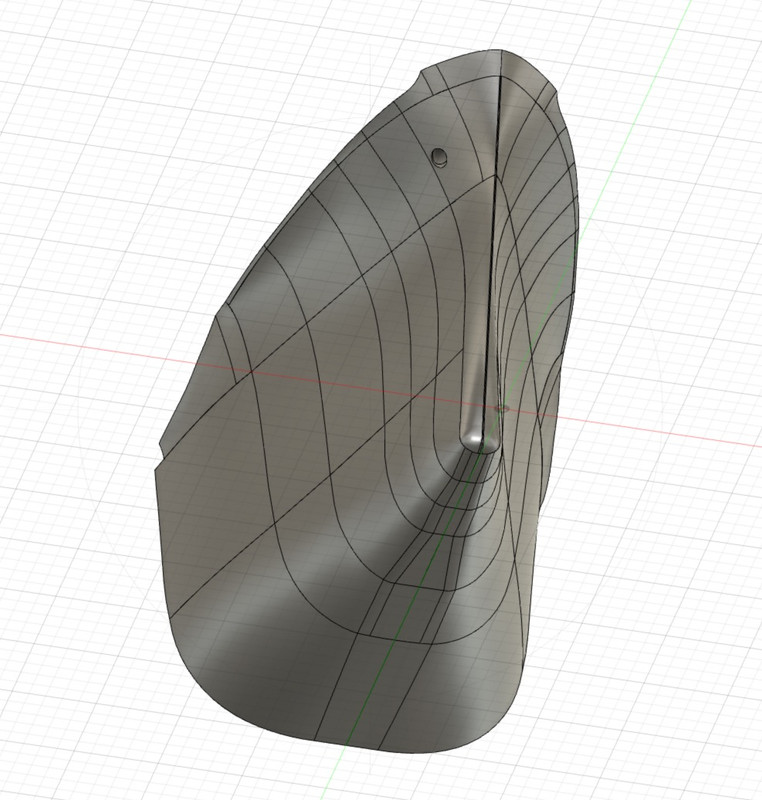
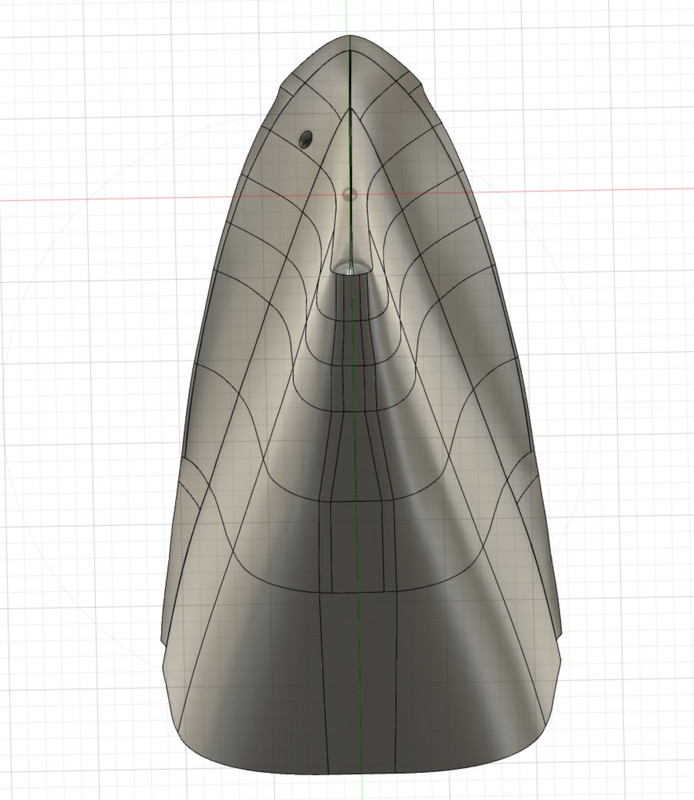
There are some modifications made so that everything "holds the road..."
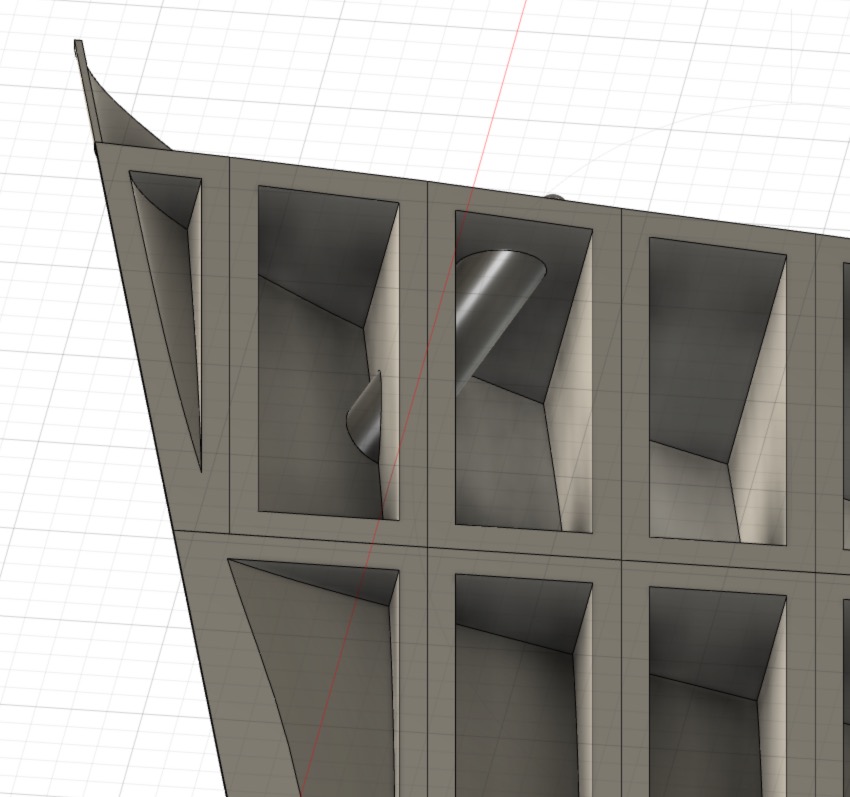
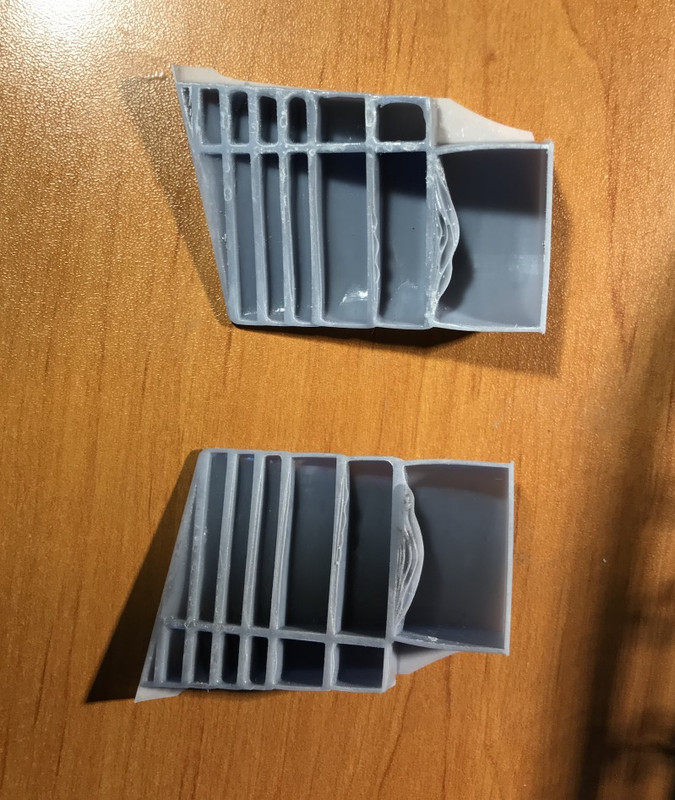
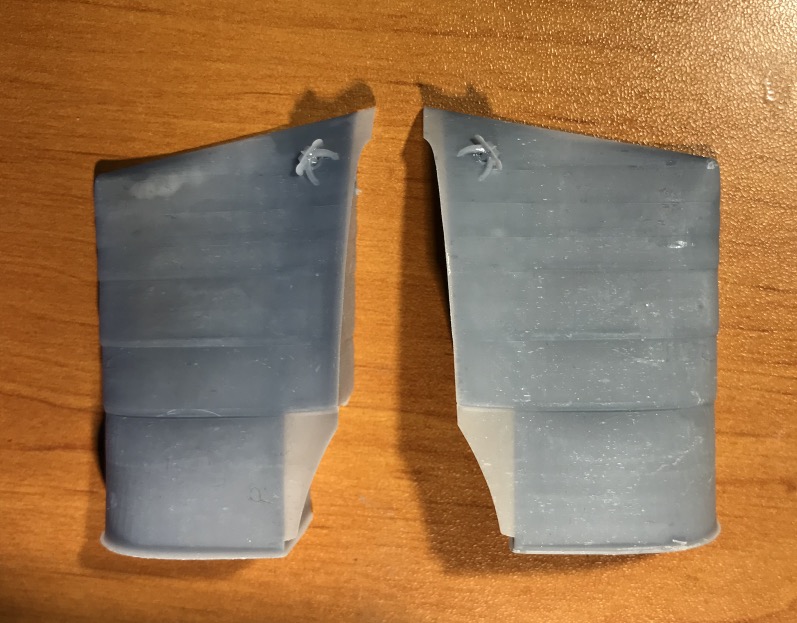
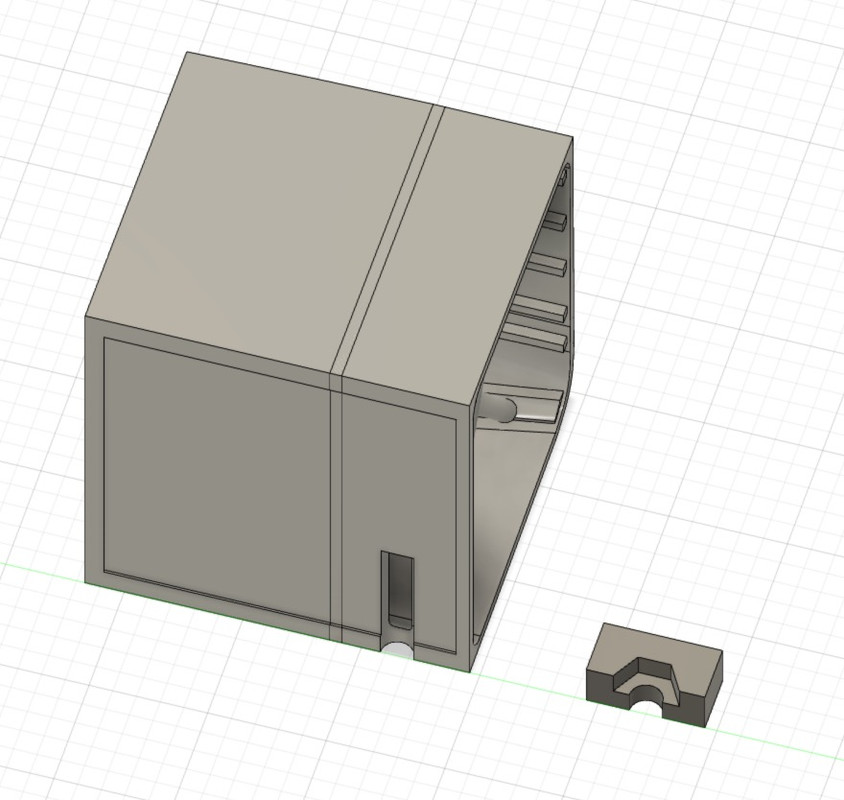
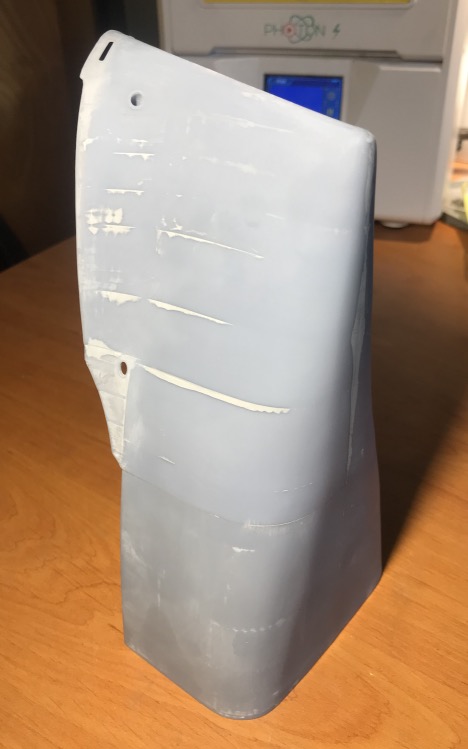
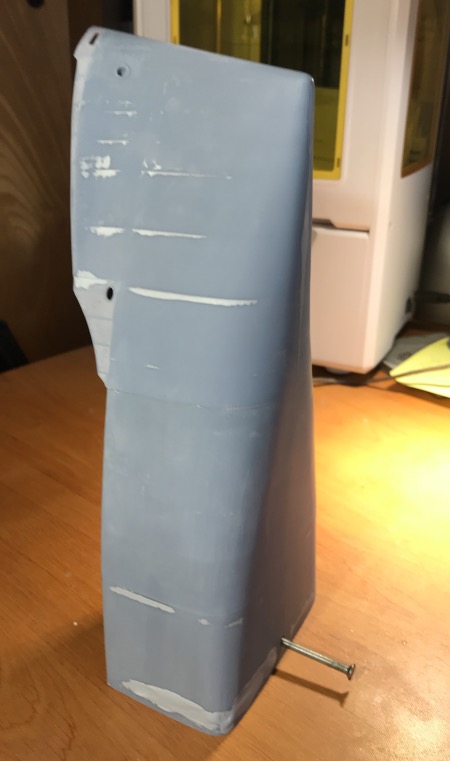
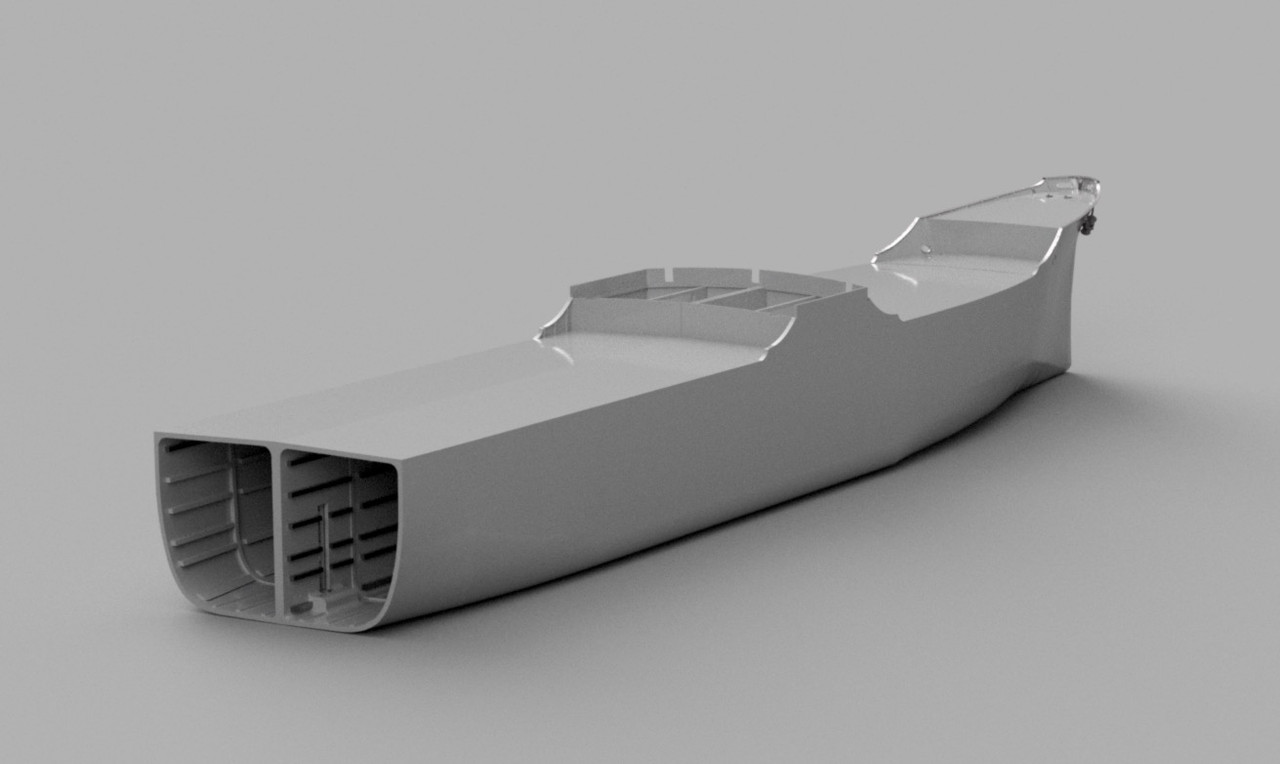
Then I'll do a small-scale print test after I make this part hollow because there's too much material. Flow holes for the resin will also be made so that it will drain out of the hull during printing.