You guys are incredibly kind and encouraging! We scale modelers (and photographers, too!) tend to spend a great deal of time in solitude, and it's refreshing to share our work with people who appreciate it, and - especially valuable - are willing to offer constructive criticism. This type of environment - particularly this web forum Martin manages so conscientiously - offers an opportunity to hone one's skills, and speeds up the work of research. Imagine (or remember, if you're old enough) what it was like before the World Wide Web and broadband connections made this type of collaboration possible.
On putting together a CD for modelers: I hadn't thought of this, but it makes sense. It would be a great deal less expensive than publishing a book. Thanks for the suggestion. I'll carefully consider it.
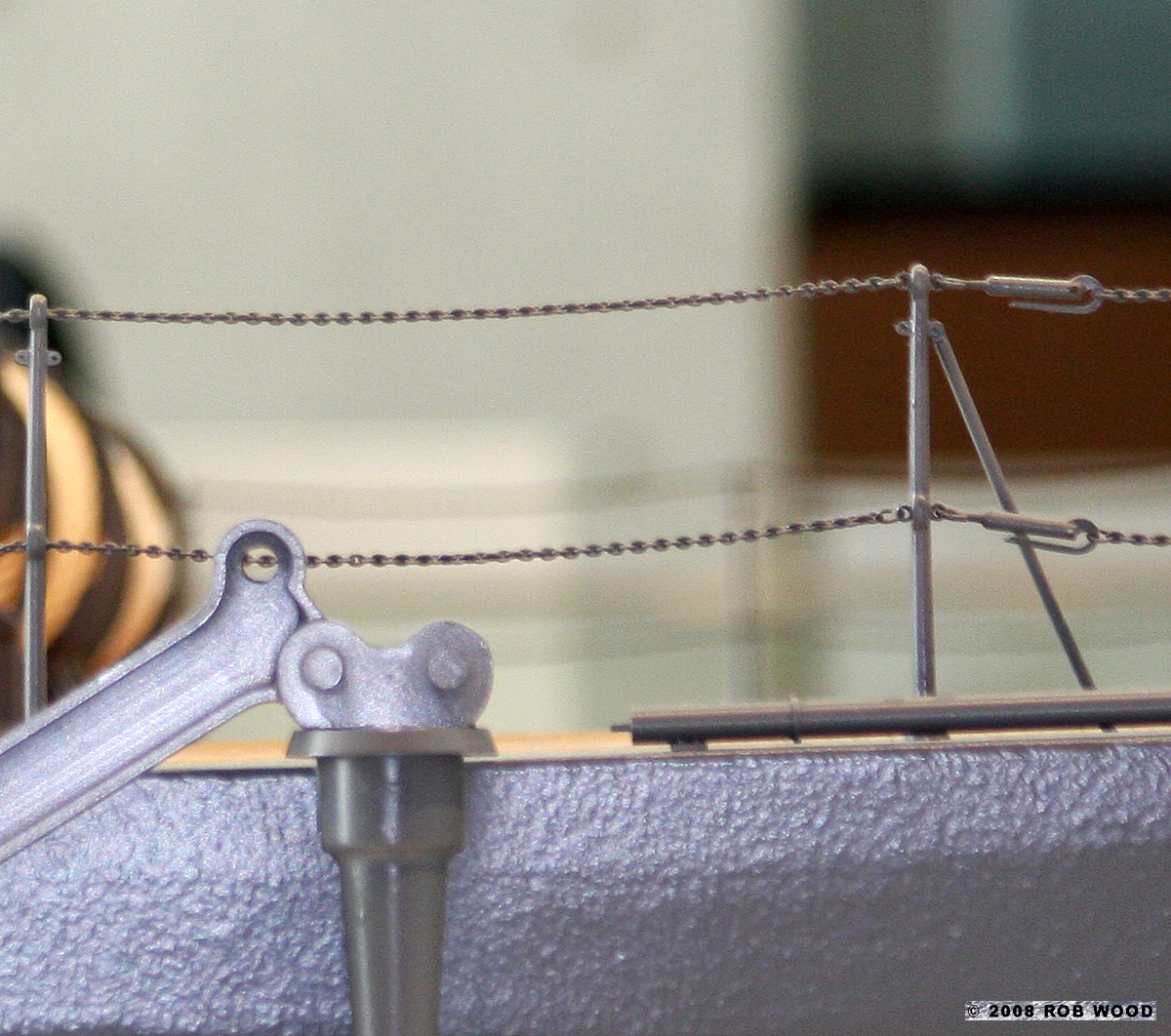
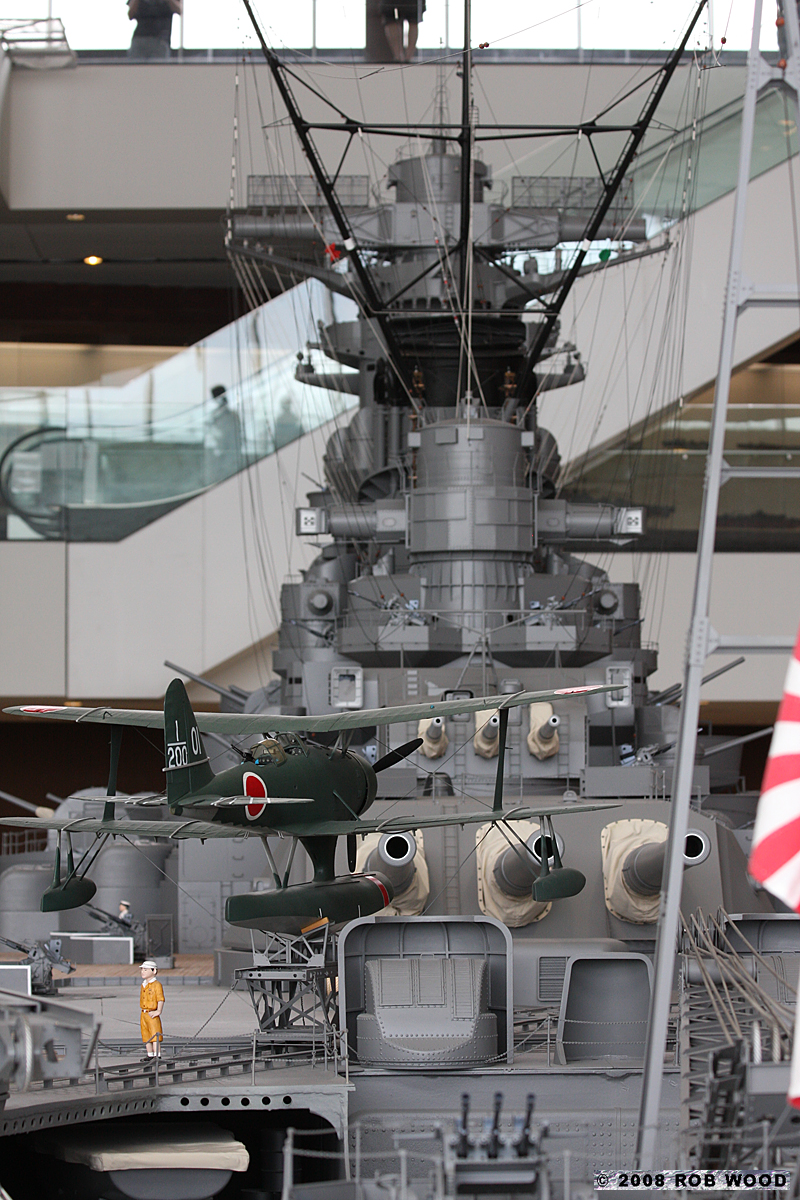
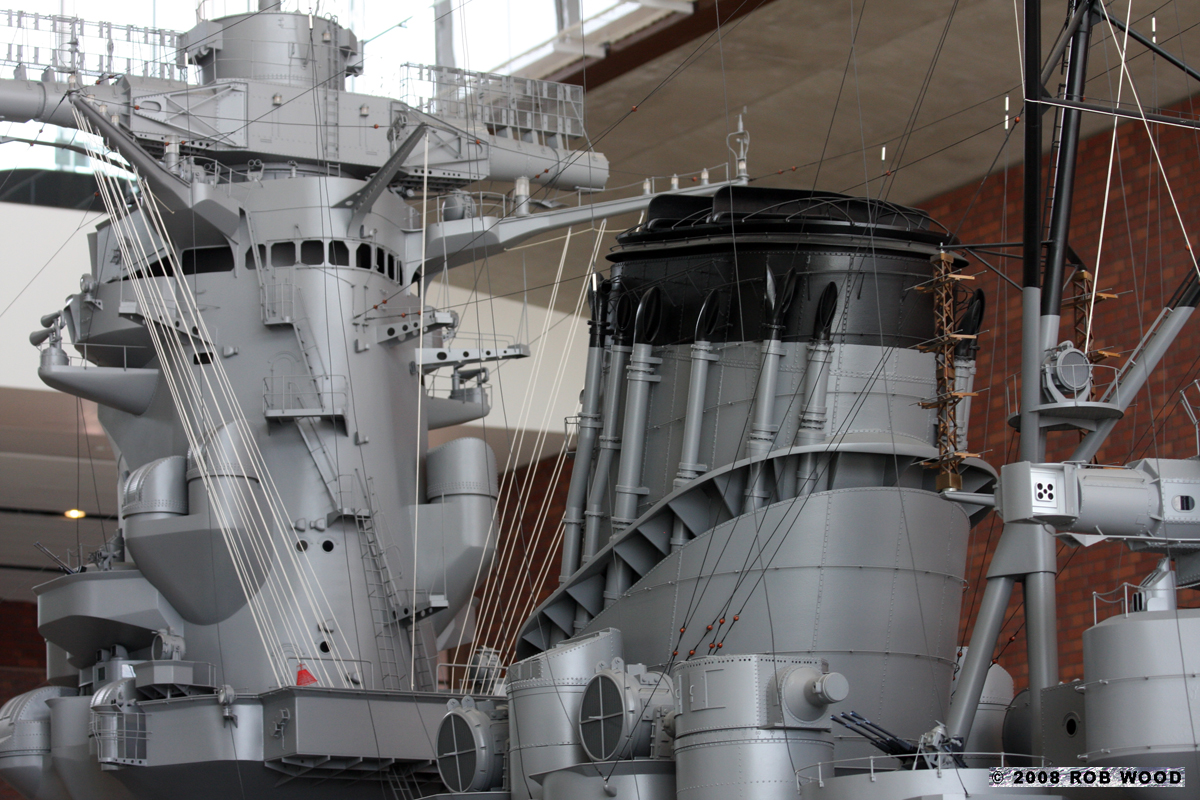
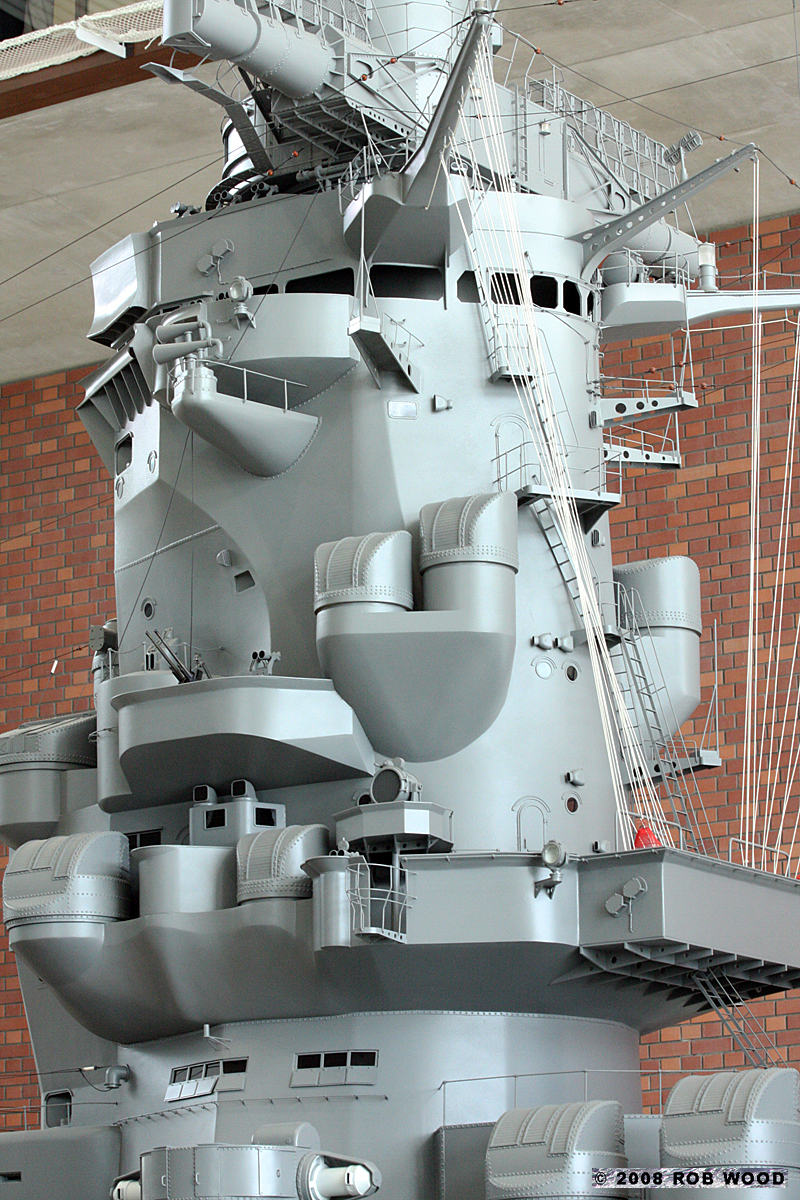
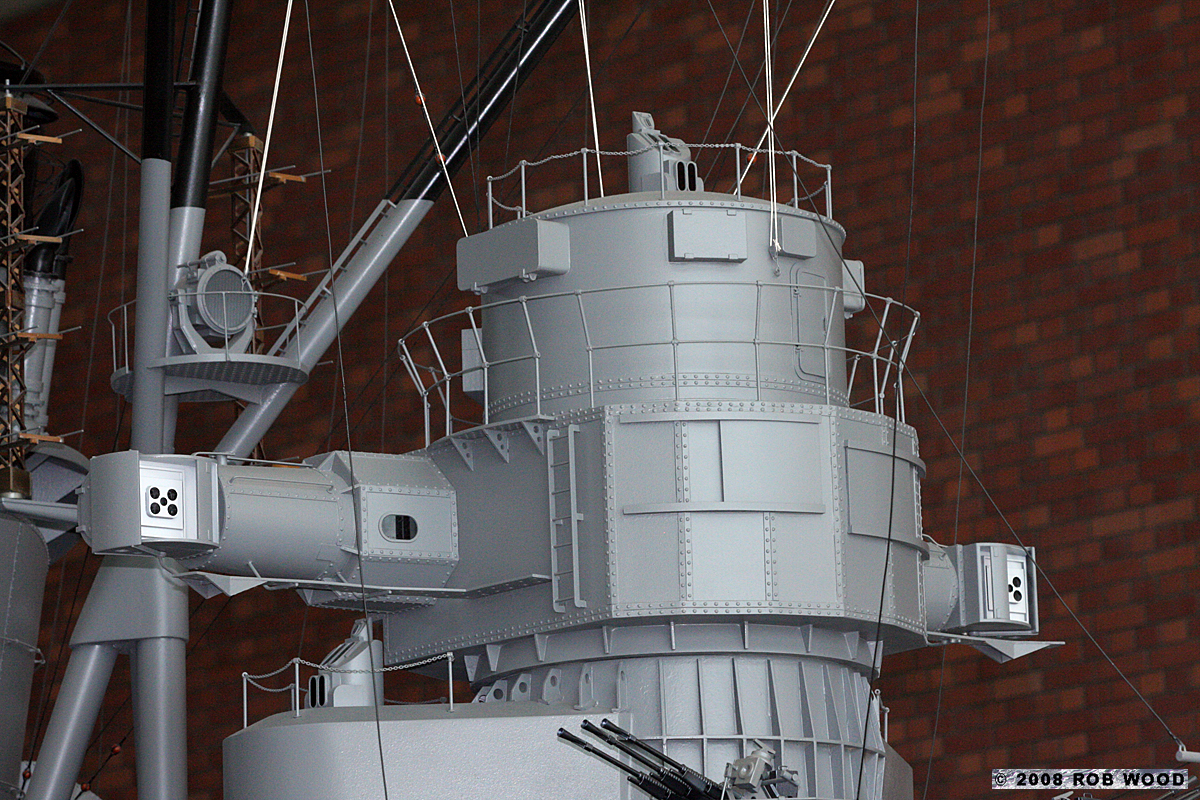
On Jerry's question about circular versus hexagonal AA gun tubs: I am no authority on Yamato, by any means, but I would trust the Kure model as the single most accurate depiction of Yamato's post-1944 refit and AA upgrade. The museum staff and model designers took extraordinary pains to get this gigantic model right - even to the extent of going down to the wreck to shoot stills and video. If it exists on this model, I would be highly skeptical of any source that conflicts with it. On the other hand, absence of evidence is not proof, so if it's missing from the model, it does not necessarily follow that that particular fitting or piece of equipment was not installed at some point in the ship's career.
That actually brings up an important point, and it's a source of frustration for most serious scale warship builders: There is no way to know 100% what a working ship actually looked like in every respect, because ships - especially battleships - were incredibly complex and extremely large collections of weapons and equipment that were constantly undergoing modifications, always in secret. In fact, my research into Yamato - as skimpy as it has been - reveals that even as late as 1944,
Jane's Fighting Ships listed the wrong dimensions for the Yamato class. Since all 3 members of the class were sunk (Shinano being the 3rd, but converted to an aircraft carrier), and because the Japanese were so secretive about these ships, it's not surprising to find so many conflicting pieces of information. Even photos only reflect a given moment in time. Not only were shipyard repairs, upgrades and refits done in secret, many were done at sea, and documentation of those modifications may very likely have gone to the bottom, lost forever.
To make matters worse, the victors, as they say, write the history of wars, and so much IJN documentation was destroyed - either deliberately or due to the massive Allied bombing raids - that we may never have all of our questions about these or other Japanese warships answered conclusively. As model builders, all we can do is collect what evidence we can, and then make our best guess and commit. If we don't, we'll simply never finish our projects. The same is true for the kit makers: at some point, they have to go with what they have, or never get to market. If indisputable documentation comes to light, or further research and forensic archaeology reveals new information, then kit makers can re-release their offerings. I suppose, also, that model makers can then tear into their finished models and correct them! Right.
So, my advice - which I rarely take myself - is to simply enjoy the process of model building, and not worry too much about accuracy. The truth is that every hour spent researching or talking about a particular subject is an hour not spent at the workbench.
Just sayin'
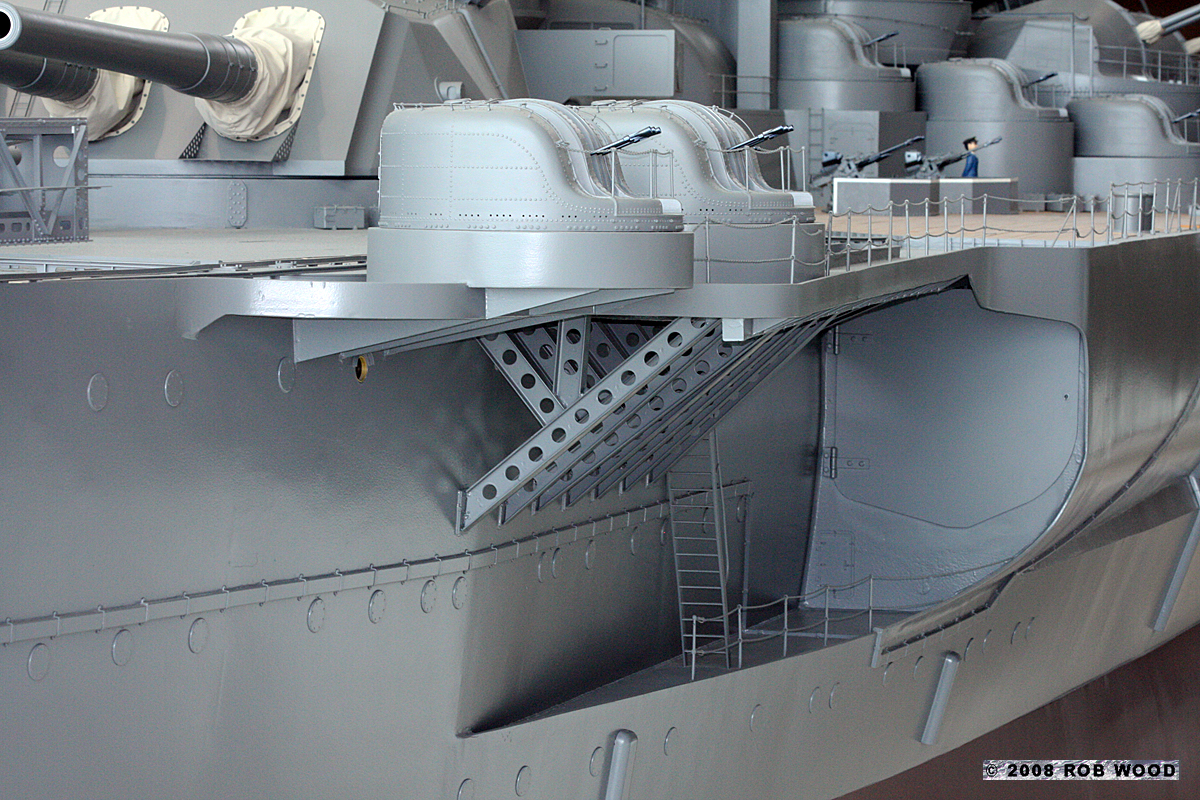
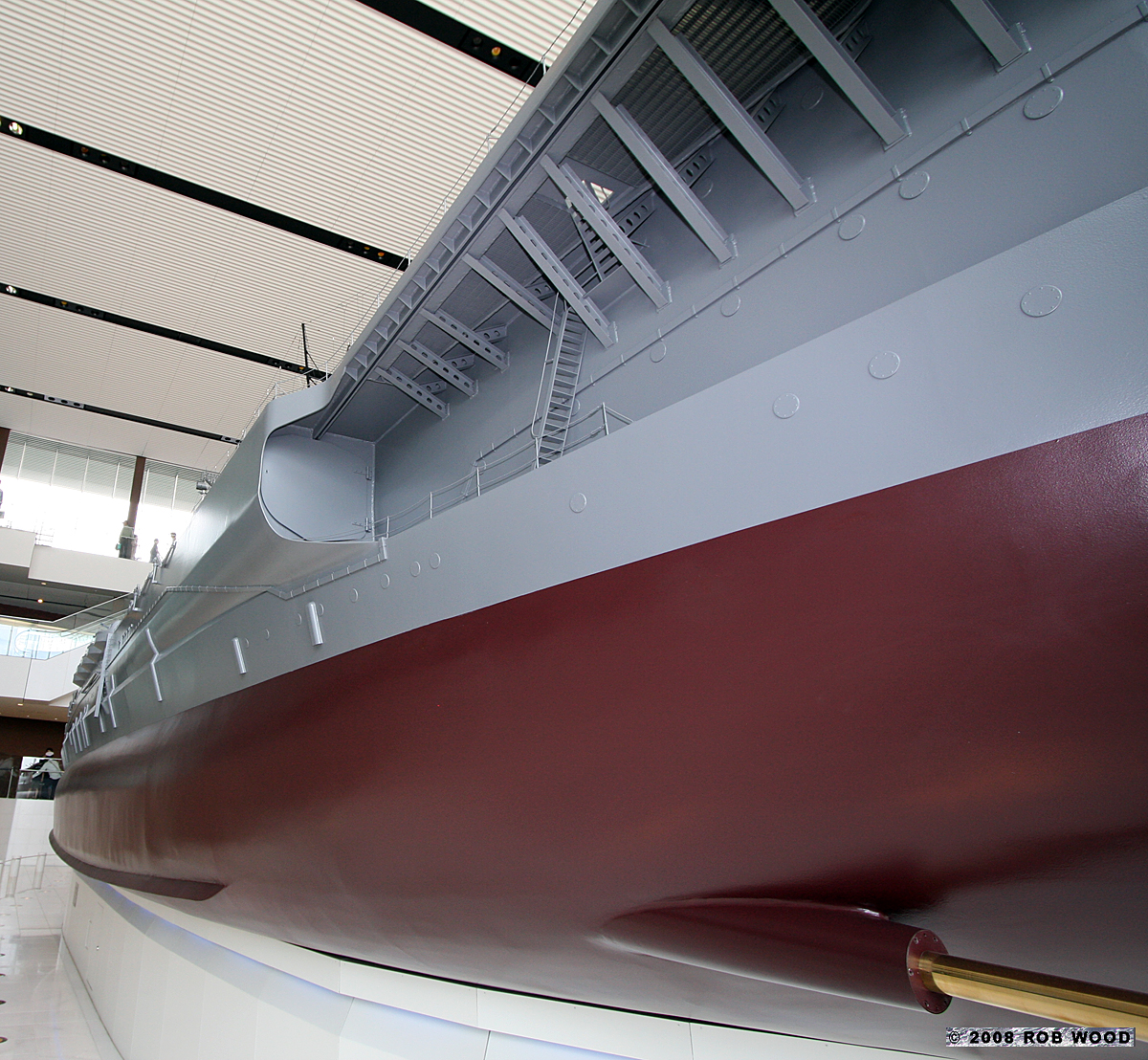
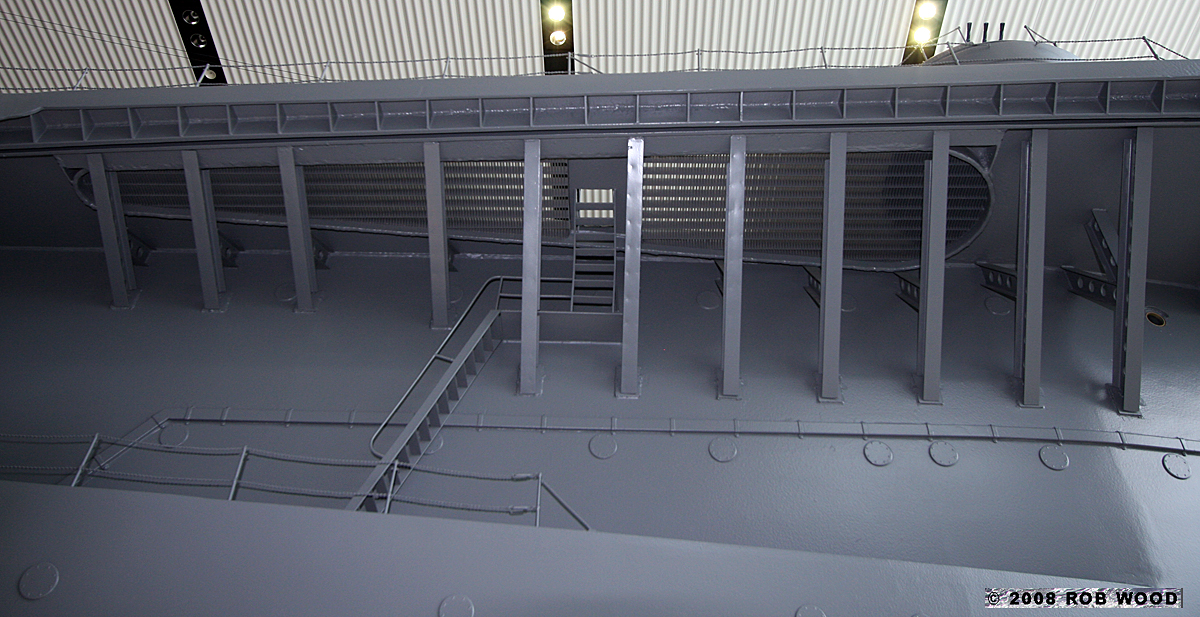
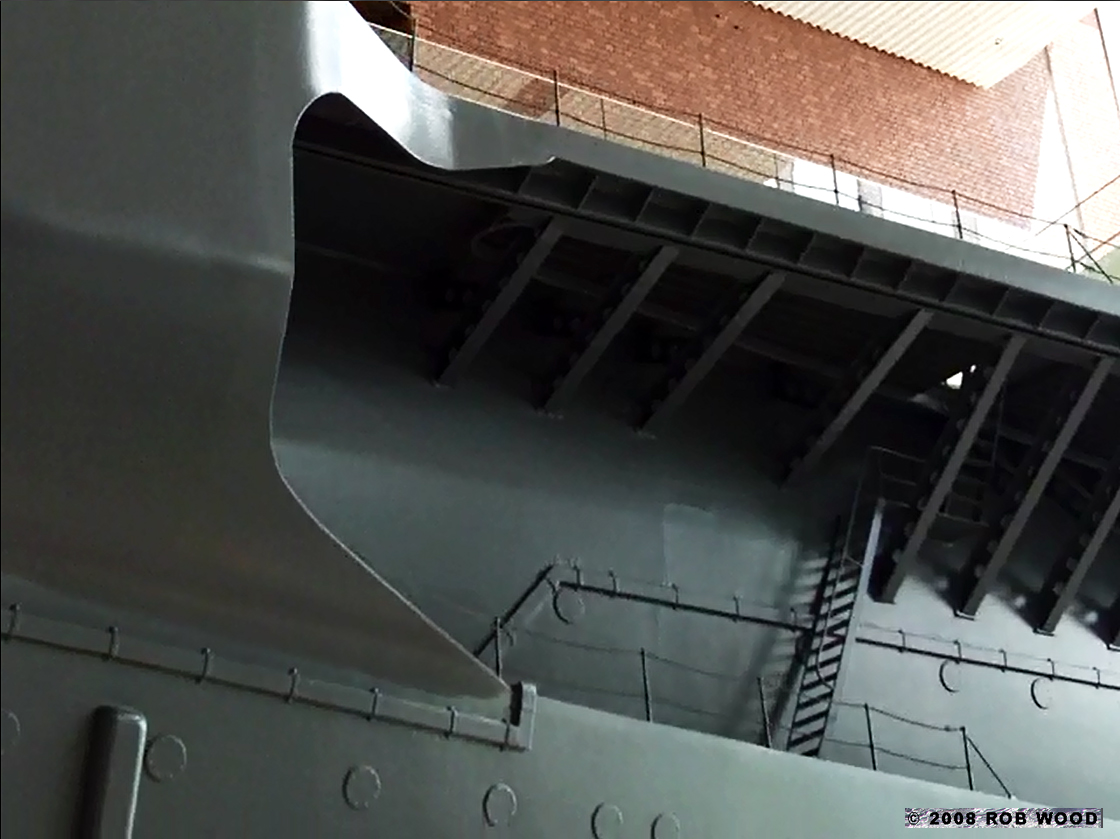
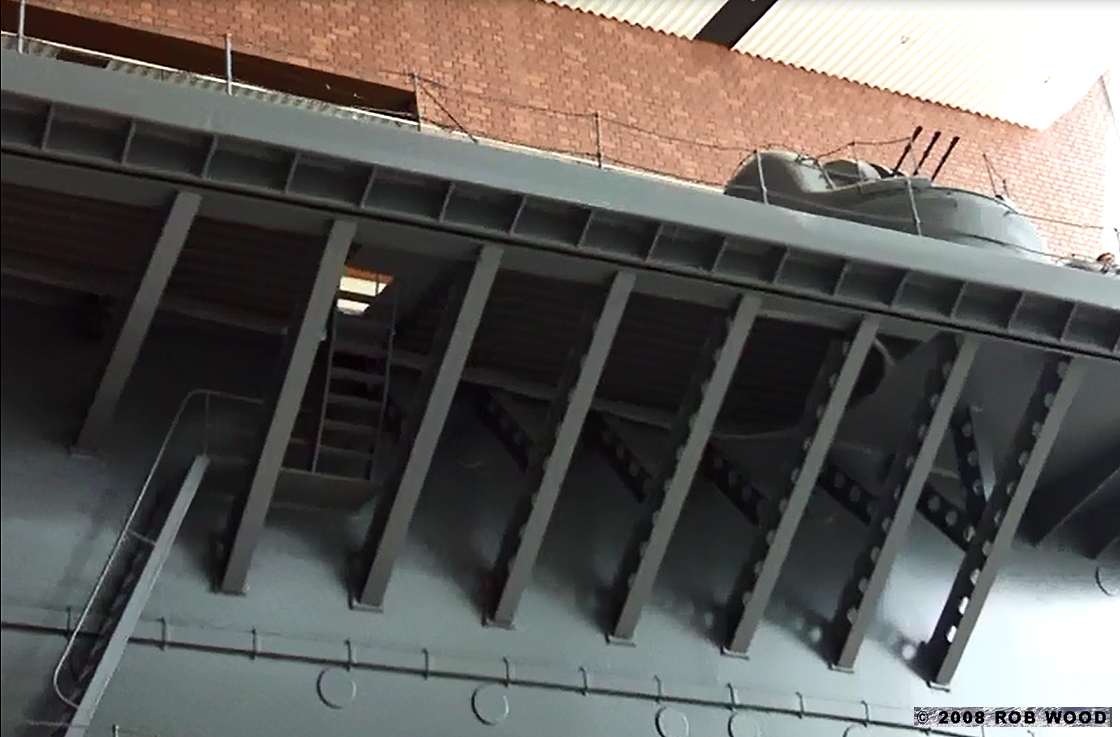
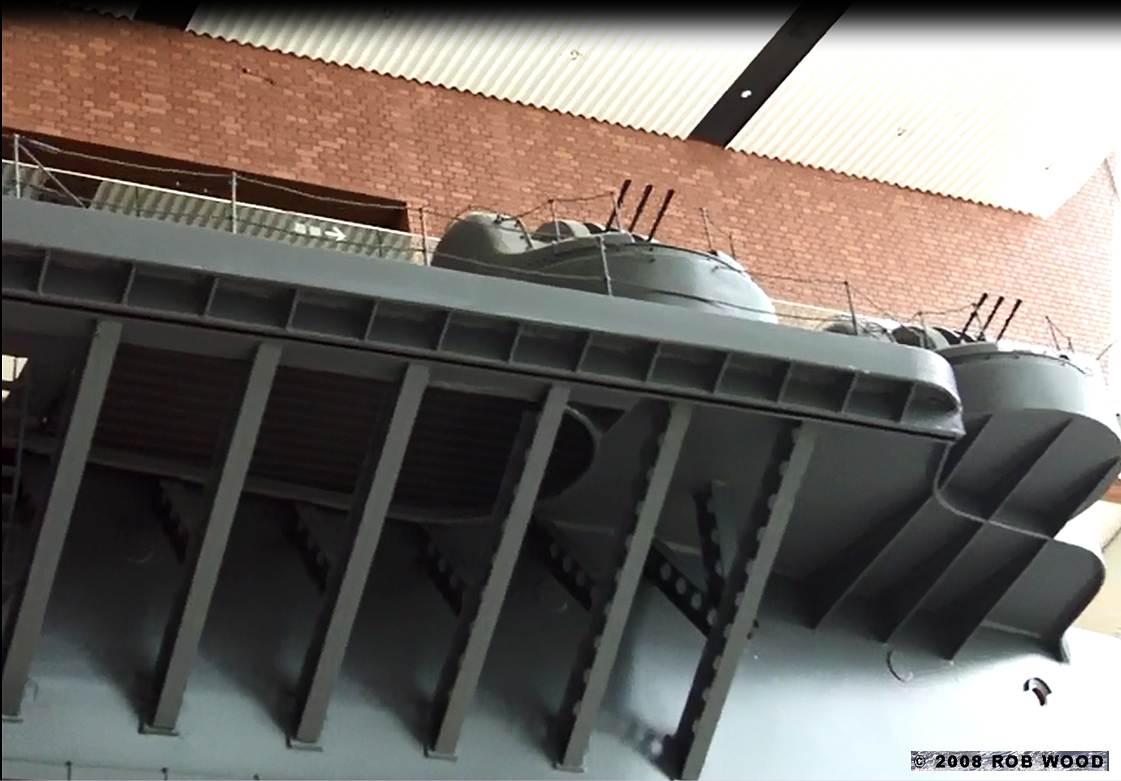
Here are two more detail shots of the under-deck supports at the boat wells:

Rob
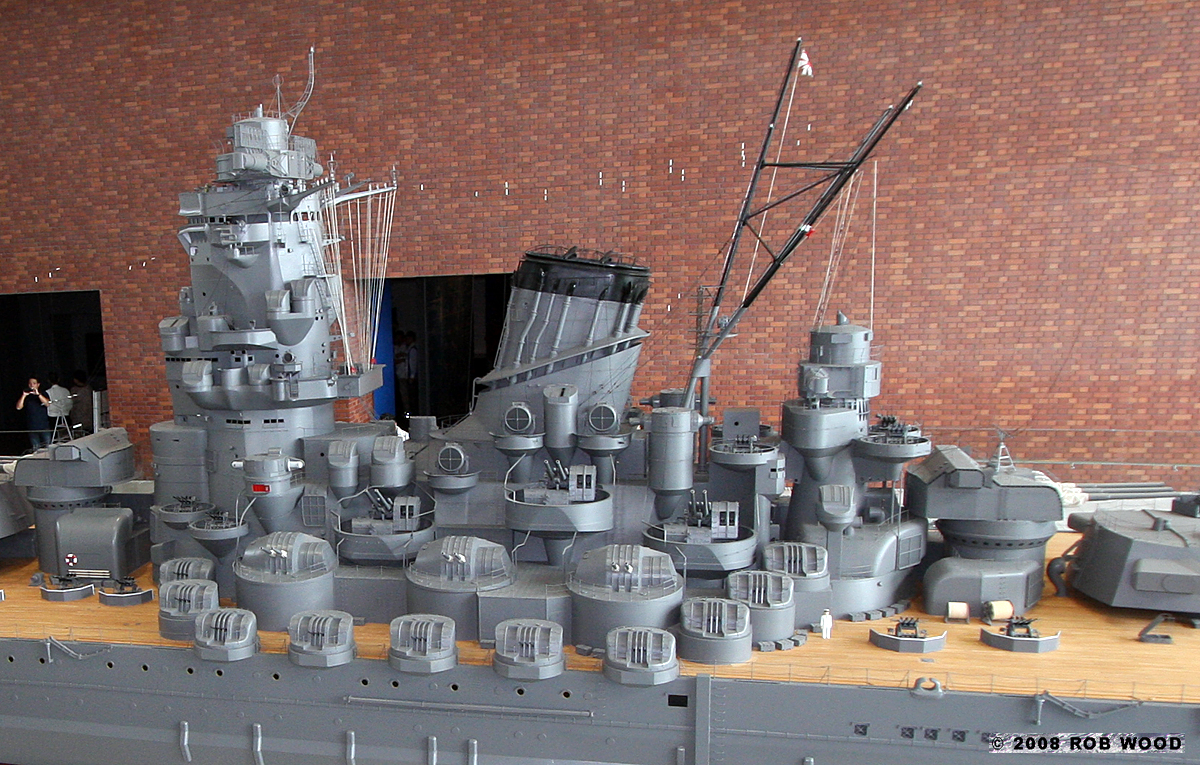

 I've been looking for a good shot of that area for awhile. Thank you so very much.