For this, I used a very specialist tool:
 [/quote]
Yes, Indeed, that type of tool is very good. I normally use this:
Moderators: BB62vet, MartinJQuinn, JIM BAUMANN, Jon, Dan K
 [/quote]



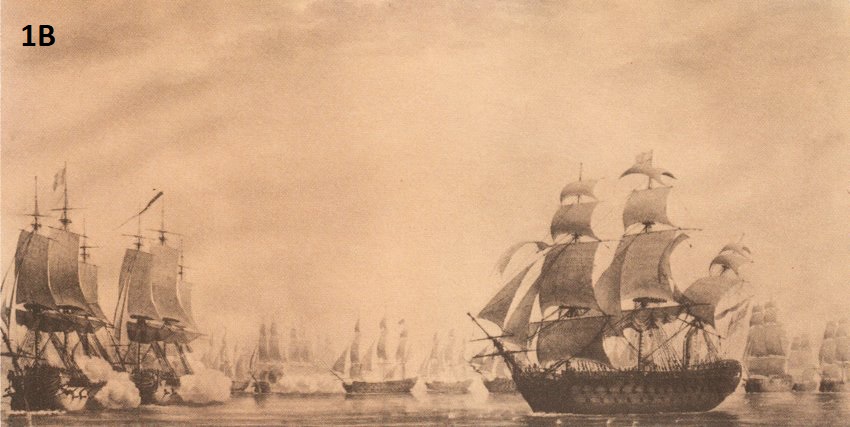
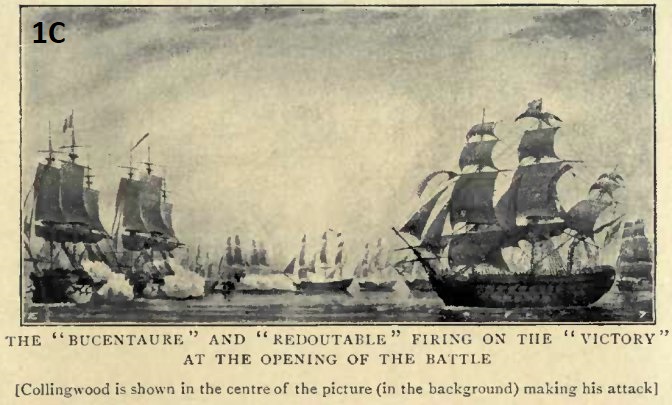
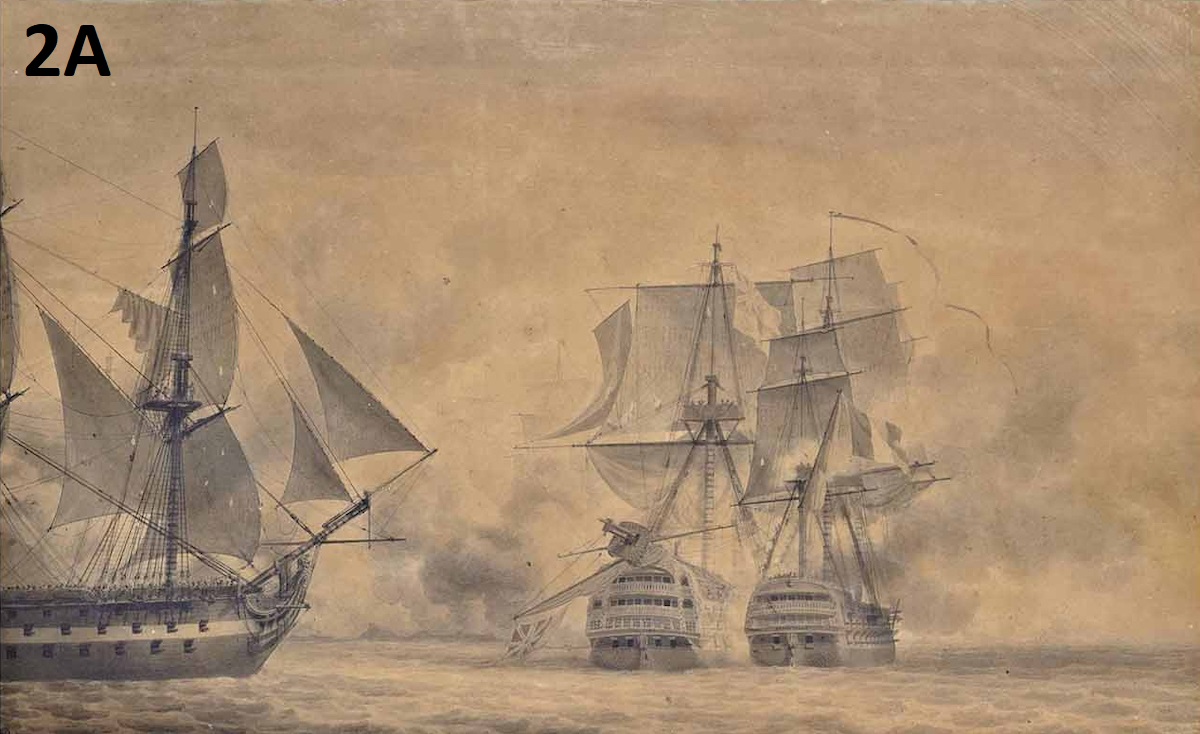
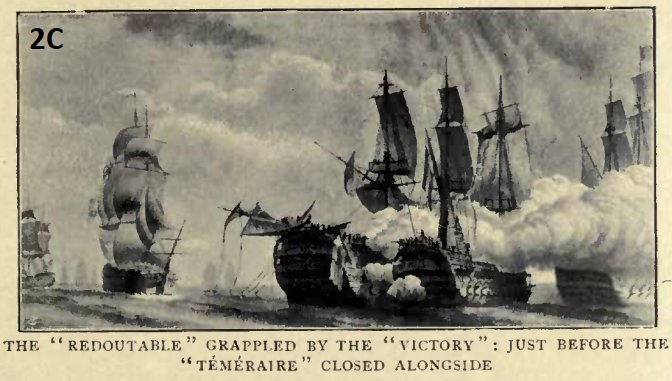
 Regarding royals etc; we know the winds dropped away a lot as the British ships approached the allied line, so presumably they set everything they had to close to the distance as fast as possible. Victory was known as being fast (for a first rate) and a handy sailer, but as mentioned already Temeraire was essentially built to the same design, slightly refined, freshly coppered, and with a lighter armament so it makes sense that she was a little faster (we're probably only talking a fraction of a knot though). I would imagine a few of the 74s were also not taxing themselves to maintain station with Victory (although they had mostly been at sea for quite a long time, so that may not be accurate!)
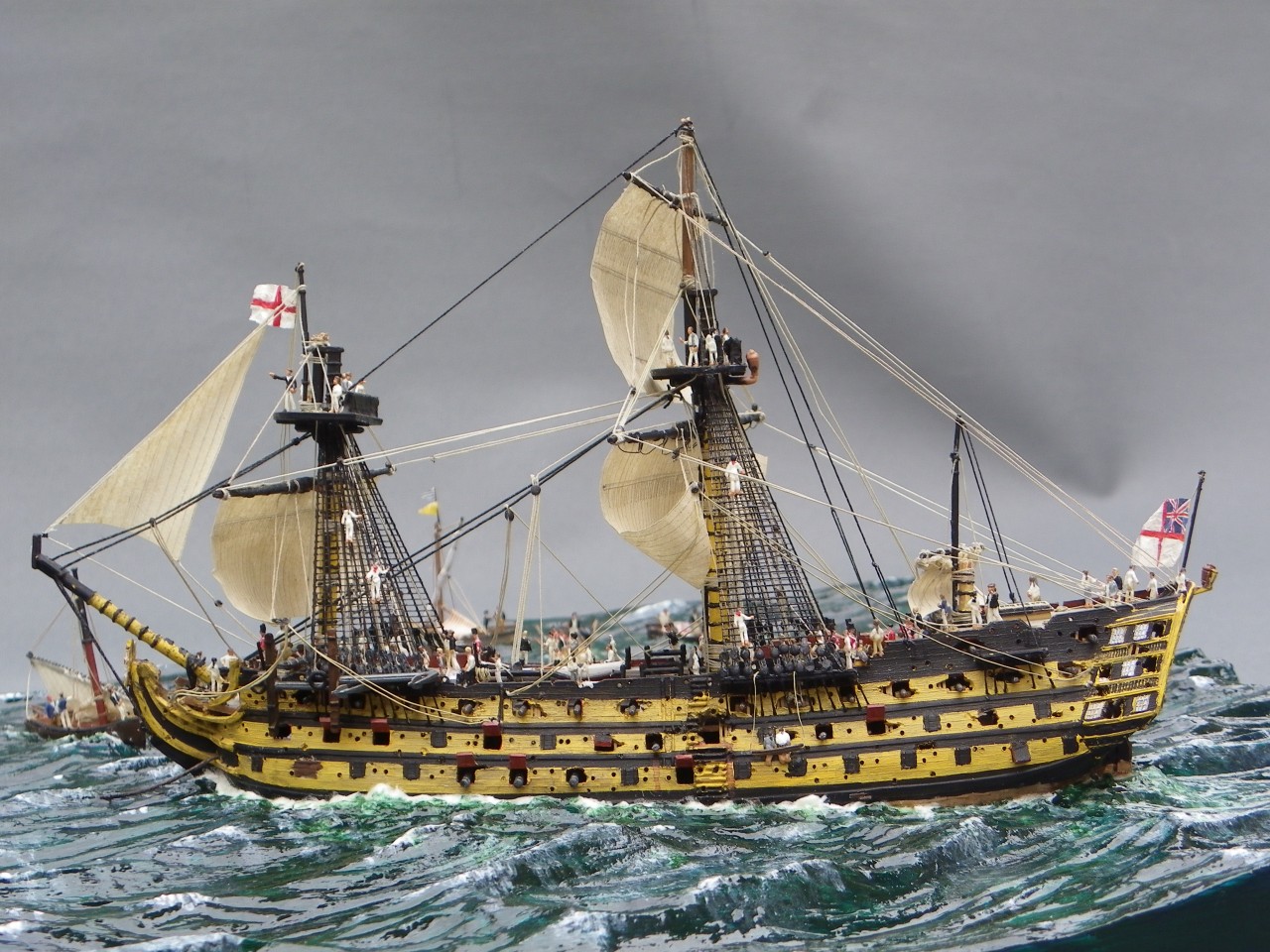
Thanks Martocticvs!Martocticvs wrote:Looks fantastic
Thanks again! I haven't read that yet myself though (yet...). Do you remember the source?Martocticvs wrote:One point - was Victory not starting to settle a little in the water at this point? She'd taken considerable hull damage and was taking in a fair amount of water. This may have manifested more later in the day, I'm not sure. I am aware though that at some stage they were worried she would sink.

EJFoeth wrote:You can always go to Cherbourg and photograph the original!

Thats a very good set of paintings, especially the ones that depict ships where what looks like masts are actually the temporary masts rigged up for quick power (im sure those had a special name). And you can see actual masts much thicker being shot off/laying on the deck etc. Very interesting to see it in so much detail, as you go through every corner of the painting.dafi wrote:IPlenty of contemporary drawing of french prizes show this effect, when depicted under complete jury rigg in the english harbor, supposedly without water inside.
XXXDAn
Yes, jury riggpascalemod wrote:the temporary masts rigged up for quick power (im sure those had a special name).
Yes this all makes sense. I was half-remembering things I read years ago, so appologies for being a little off! They certainly lost a few ships during the storm that followed whilst under tow (such as the Santissima Trinidad), so I guess the concerns were mainly from that time.dafi wrote:I do not think that she was deeper in the water by that time but rather higher
Shot holes were plugged as fast as possible, so as the depicted time was near the start of the engagement, there should not have been so much water in yet. Later on, after the battle and during the storm this was quite a problem. The water inside was quite high and this affected the rolling and so the left overs of the rigg had much more strain to carry as the ship could not roll as fast as usually to the side to give way to the wind.
On the other side there was quite a lot of weight missing as the mizzen and plenty of other rigging was already overboard, plenty of stuff jettisoned and especially all the weight of the iron that was then already expended.
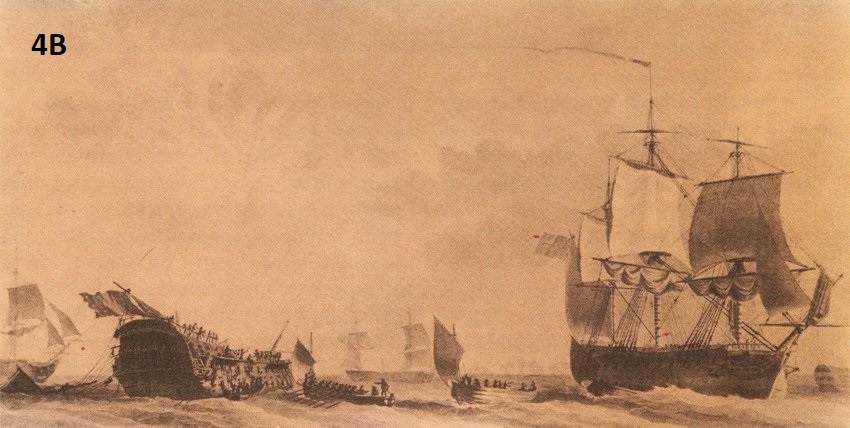
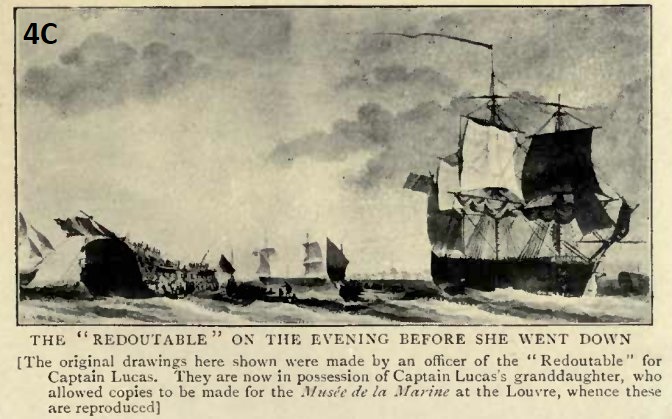
Plenty of contemporary drawing of french prizes show this effect, when depicted under complete jury rigg in the english harbor, supposedly without water inside.
XXXDAn
Yes I domarijn van gils wrote:Do you happen to have more of those by any chance?
Hey Marijn,marijn van gils wrote:Boudriot describes ships from 1780,
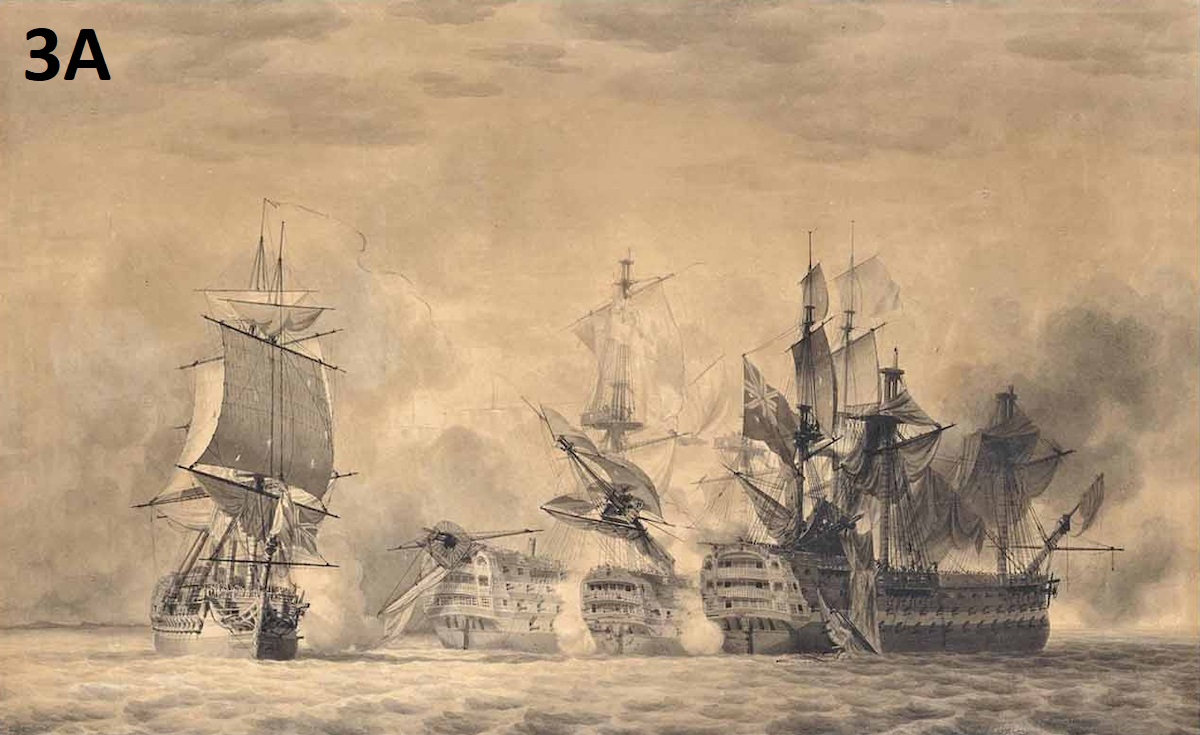
Well, in that case, here we have some more researchModelMonkey wrote:Really interesting discussion regarding how a ship might be affected by the loss of shot, powder, masts, timber and rigging, while possibly gaining water weight over the course of a battle. Enjoying this thread immensely.
: