Well-- nearly a month away...
1/1 scale work completely overwhelmed me and we have been rushed of our feet.
There was precious little progress in the modelroom
==> though the indifferent weather this weekend allowed me start getting over some of hurdles .
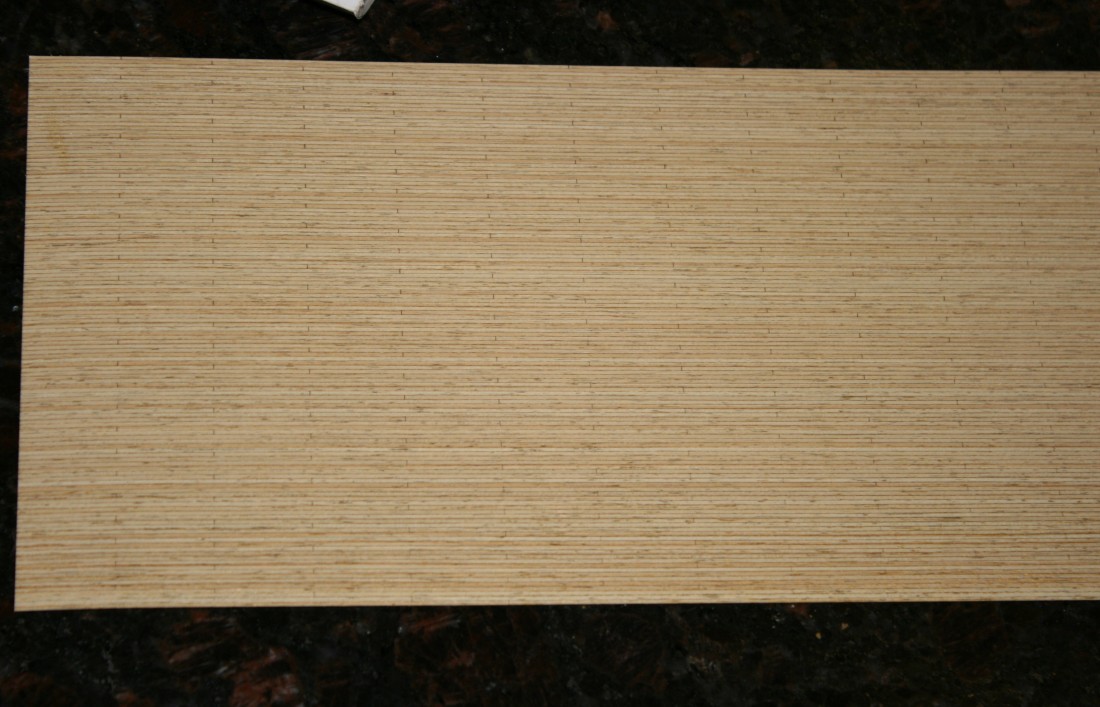
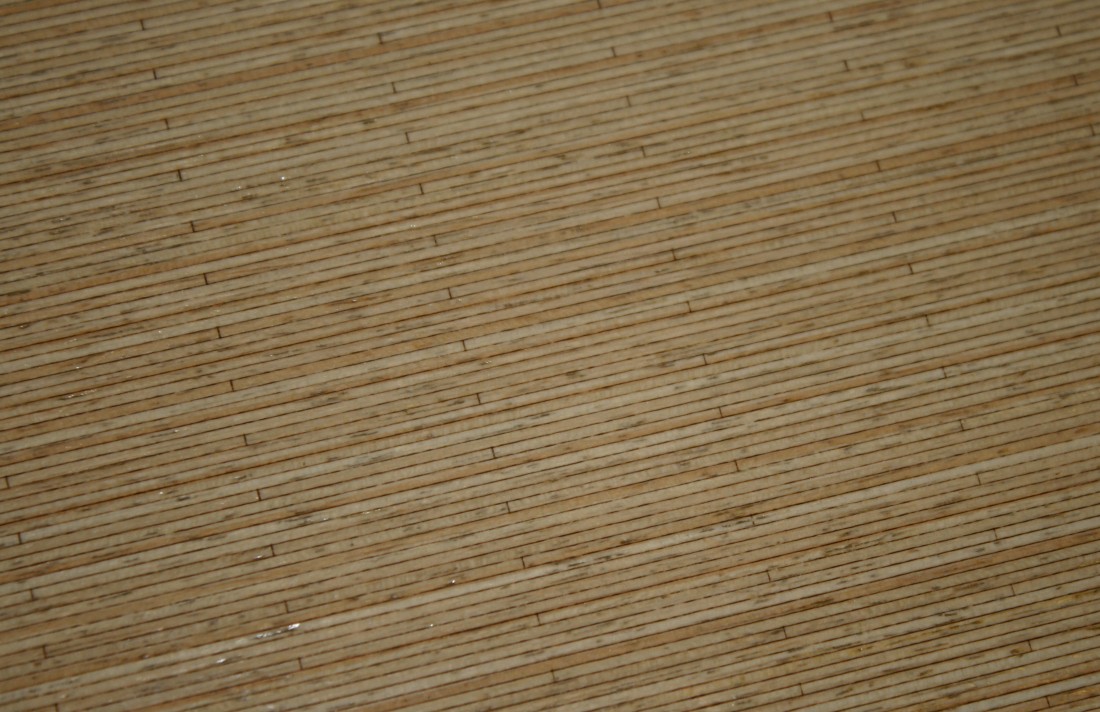
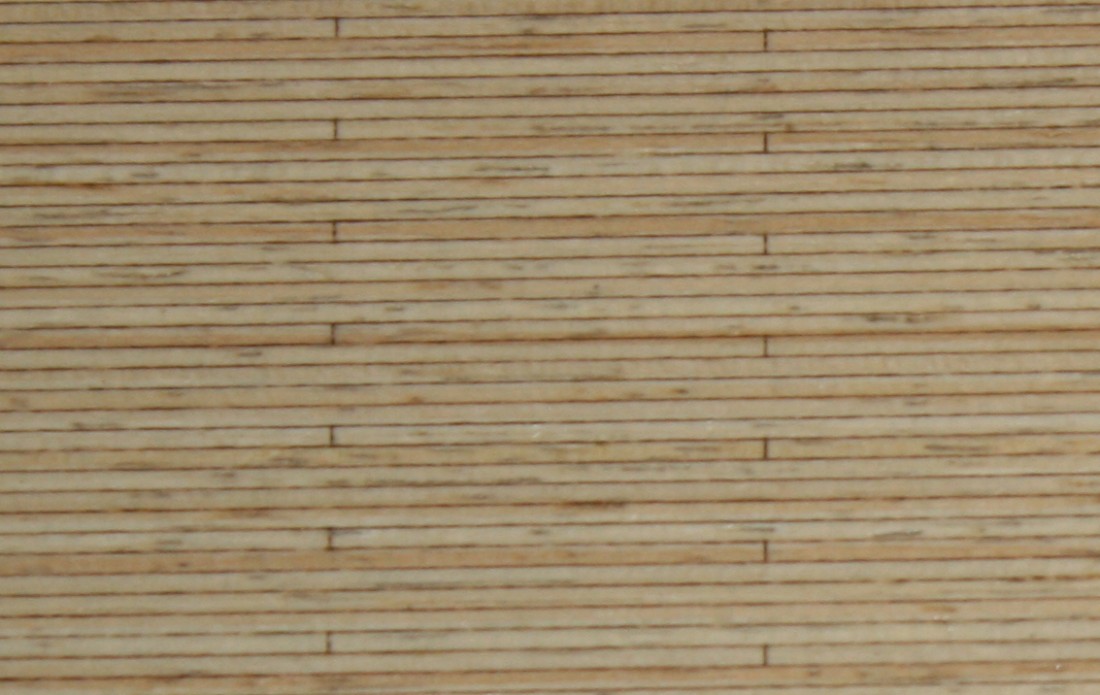
@ marijn -- very late answer---, yes its from sheets of generic wood decking from MK1 design-
which so far is to my eyes the most pleasing of the wooden decks--
( made of Bamboo )
featuring subtle butt ends--most of which I remove using fine sandpaper and a blade until they are a merest shadow ...
meanwhile....
The curved fronted wheel house presented with me some issues , the severe deck sheer requiring some thought
as the verticals needed to be vertical to the waterline...

I tried making a hollow wheel house using a paper template to create the 3 D shape layout
harder than I thought and it resulted in dismal failure
' Trouble is... the original , as-built state of the Tug -as per the plans- is rather more attractive to the eye
than the altered , extended version of the period I am trying to portray .
' We 'have so far only found one image of the Schelde as in 1919 'ish...
( thank you Lars Scharff--great find )
and they appear to have added a wooden vertically planked bulwark ** all around the whole roof of the wheelhouse, and to try and counter the severe cold and wind-chill of of the Baltic Winter they then- on top of that --added a series of uprights which carried a series of canvas blinds that could be raised or lowered.
(Initially I puzzled about the "Red or Green Cross" on the side of the wheelhouse....???
it is actually the Navigation light box in front of the door...!!!)
from above--** this type of bulwark was originally on the bridge/boat deck as well-- but appears to have been replaced with stanchion rails and canvas dodgers
so all in all its just trying to interpret as best as we can the status quo as per the 1918 photo
so I reverted to old low tech and made a solid block of styrene out of strips ,
shaped to the sheer-line to keep the upright fwd and aft plane vertical relative to the deck sheer-line
and then wrapped the lot in thin styrene sheet and trimmed off,
The wooden bulwark was made of PE torpedo net shelves ( old WEM )
and the wooden decking was added now as well
for the canvas blind uprights , I used some elderly stainless steel single bar handrail cut down
The effect was al least regular and allowed me to bend the uprights to be vertical to the sheerline
The prominent raised window frames were cut and sanded to size from a suitable size odd scale old ladder stock Photoetch
attached to the bridge block it all looked a bit crude when viewed enlarged on the screen,
1: 1 viewing ( I removed the Optivisor x5 from my head! ) ...
and it looked better!
alas, you see the enlarged version here- some paint may hide multiple of sins
the canvas blinds --(so as to appear as they do in the one and only photo of that tug in that era...)
I made of white glue--applied in layers--so as to make the function of the blinds more self evident to the casual observer
I left two of the blinds in the raised position
with some paint it started to look more of a piece, with some subtle weathering and creases painted in ,
and some gentle high-lighting it should look more convincing
===============================================================================
..........aside from the fiddling with the bridge,
the funnels were cut to size from copper tubing
( the funnels at this point in time no longer had the fattened colour-coded section)
and a start was made on the engine room skylight, constructed of various sizes of styrene,
the skylight in this ship having round radiused edges at the juncture of sloped top to vertical sides fore and aft
I hope to be back soon with more progress!
JIM B