Astounding work. Just magnificent.
And a great, great trip report.
To HMS Victory and beyond
Moderators: BB62vet, MartinJQuinn, JIM BAUMANN, Jon, Dan K
-
Dan K
- Posts: 9093
- Joined: Tue Jan 11, 2005 10:56 am
- Location: New York City
-
dafi

- Posts: 1005
- Joined: Mon Mar 12, 2012 11:13 am
- Location: Ludwigsburg/Germany
- Contact:
Re: To HMS Victory and beyond
Once upon a time ...
The dafi had its annual public tinkering session with its modelling club at the Stuttgart trade fair. Then we went straight from the trade fair to a customer in Austria for a while. I didn't have a chance to think about anything model-building-related.
I'm back home now, and I can only catch up on what I've been doing over the last two months. But first things first
Before the trade fair, I had finished the running rigging. I wanted to try it out at the fair to see if it would be manageable, as the stuff - if true to scale - is very, very small.
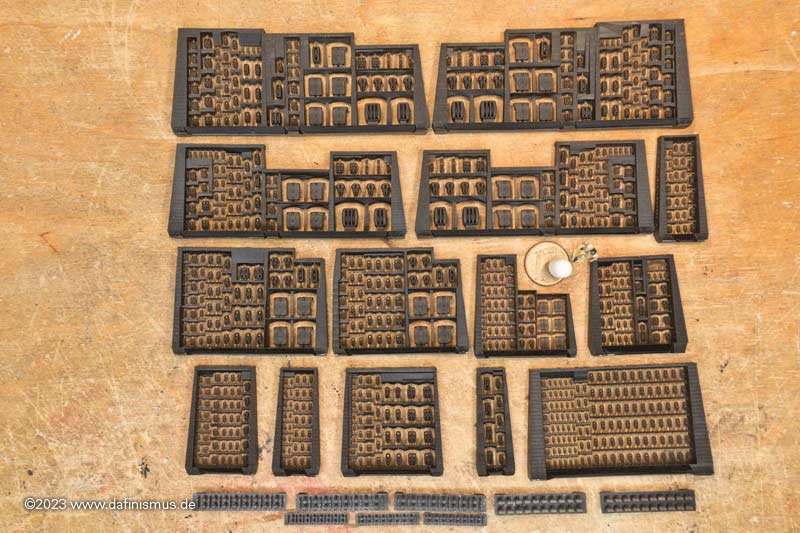
As with the standing rigging, I have summarised the block sets for the individual locations.
Here are the yards of the main mast ...
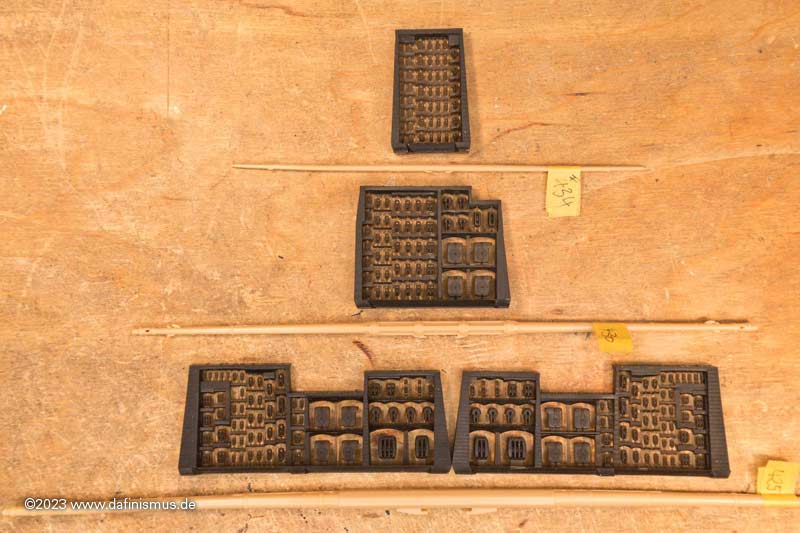
... of the foremast ...
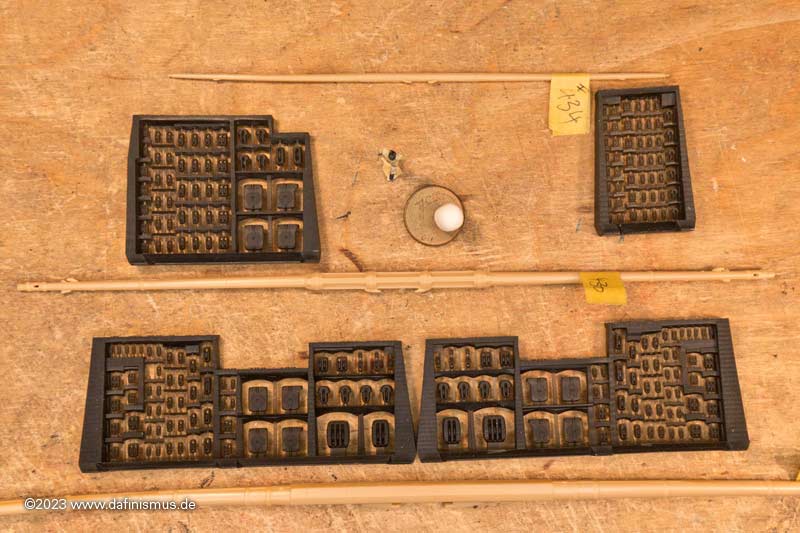
... and the mizzen mast.
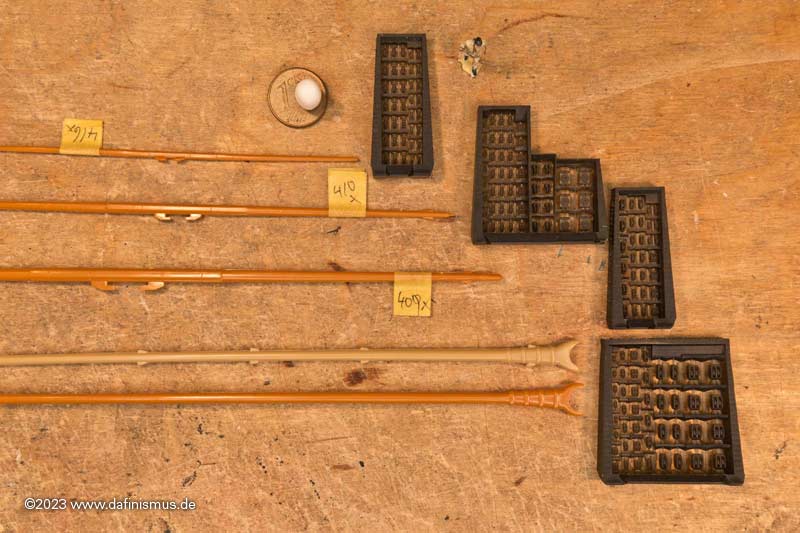
There are also the collections for headsails, stunsails and other locations.
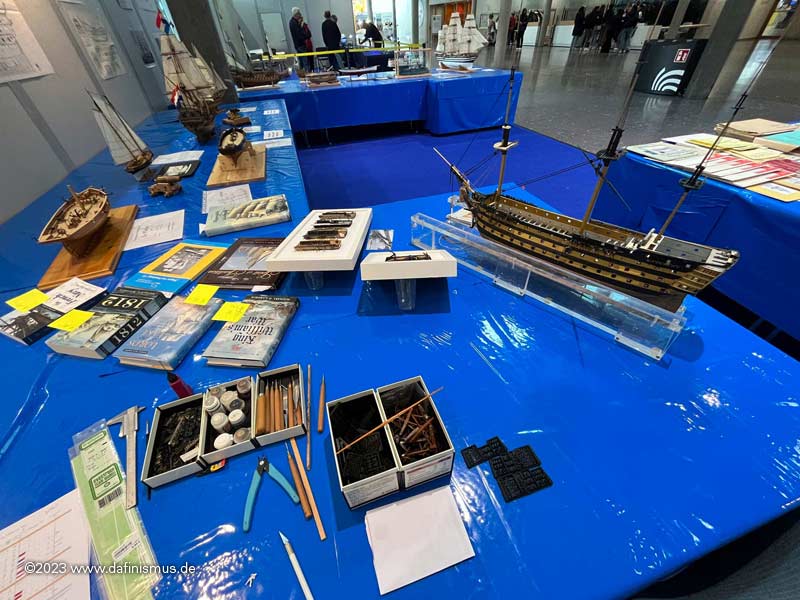
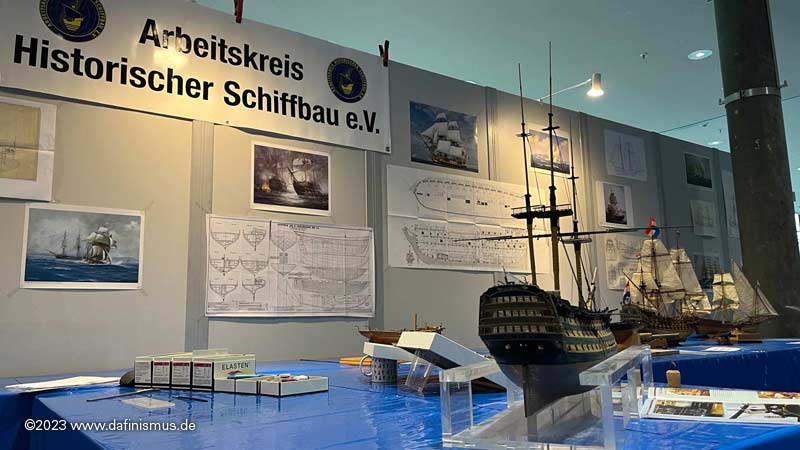
It was fun again at the trade fair.
Our booth ...

... my workplace ...
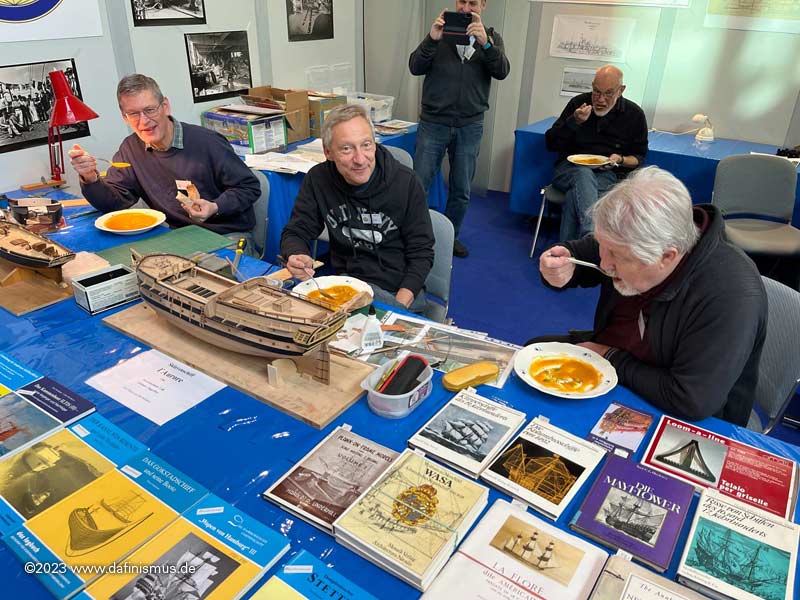
... and my colleagues in typical working posture
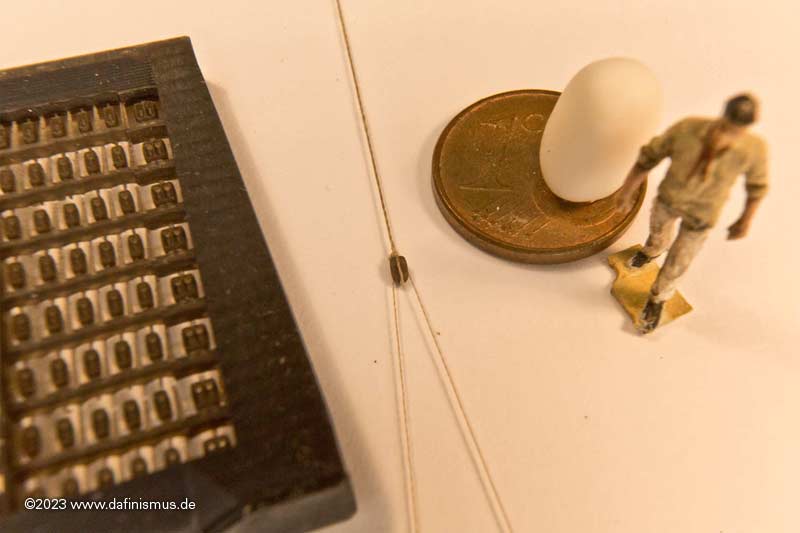
It was especially funny there when you want to try out the 2 mm blocks - the smallest of the sets - and don't have everything you need with you. Dear Alex then played vice and held my auxiliary jig for rigging - thanks for that!
It worked straight away and with my now tried and tested technique, even these small blocks are wonderfully quick and easy to rig.
What was still missing were the parrells. I also managed to do this in a last-minute operation. Here are the two sizes with ribs for the top and topgallant yards.
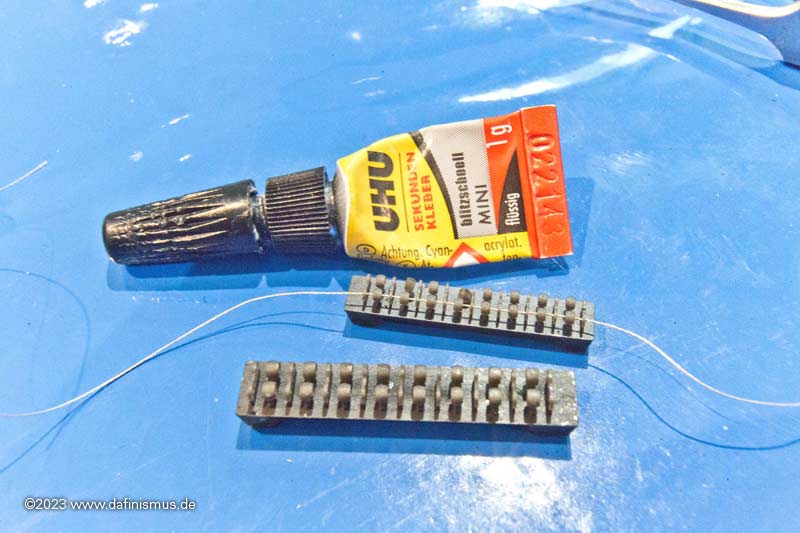
Threaded for neatening ...
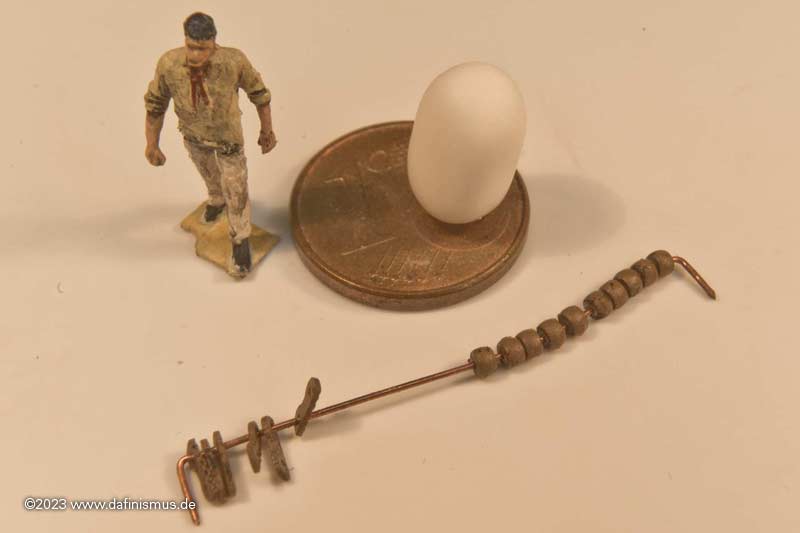
... and the first tying attempt to find out how many are needed.
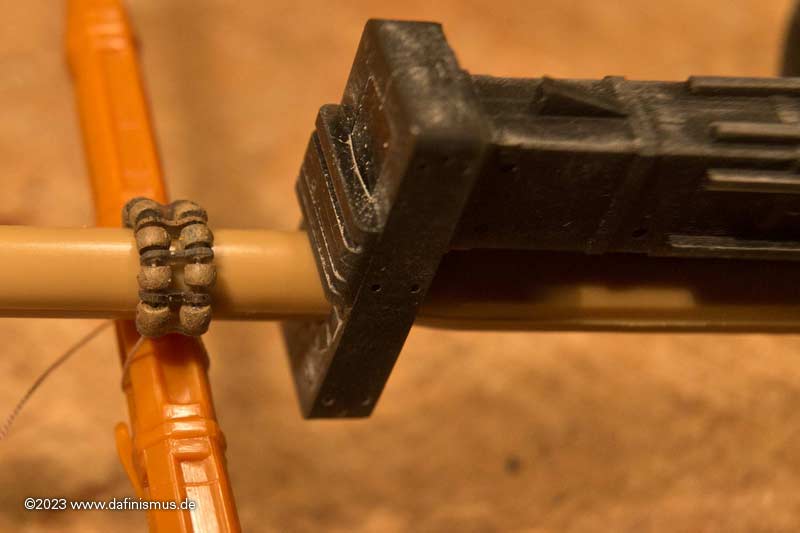
Here is the final version on the main top yard ...
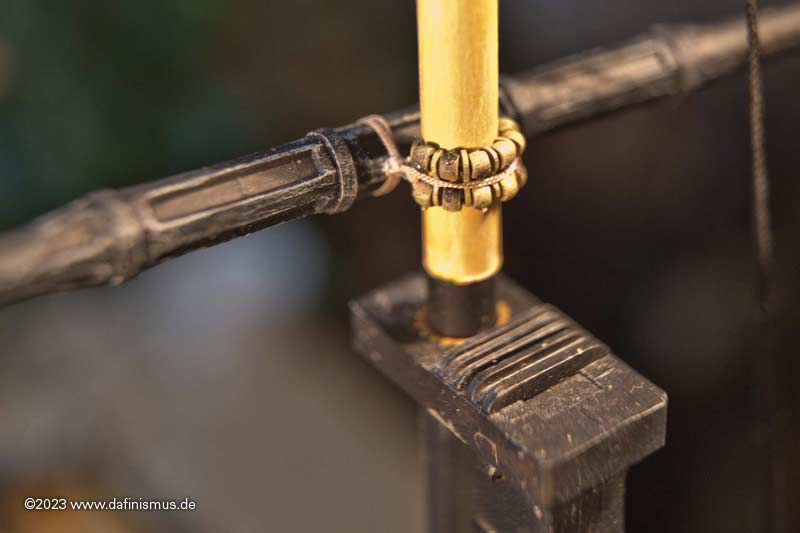
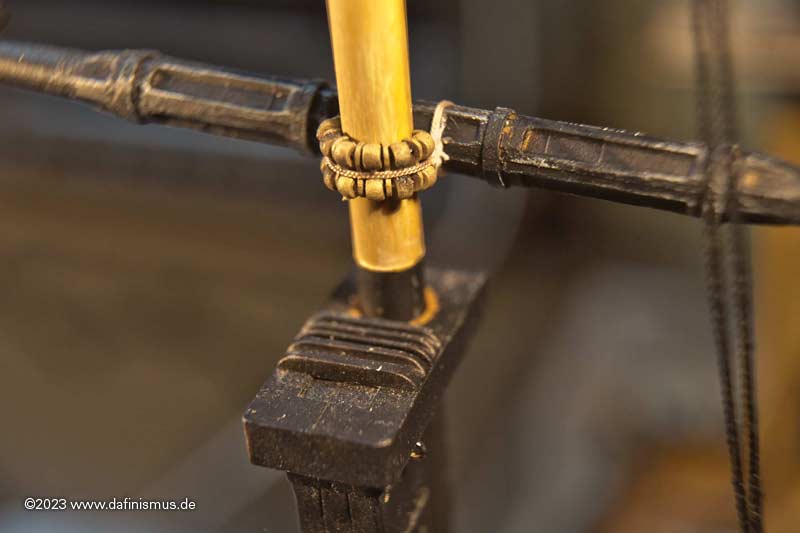
... and with a able seaman for the dimensions.
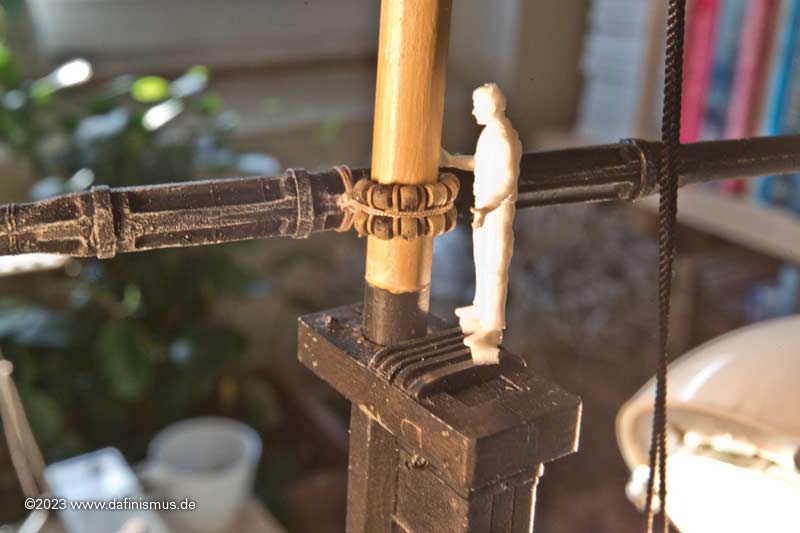
Someone also climbed up especially for the topgallant yard.
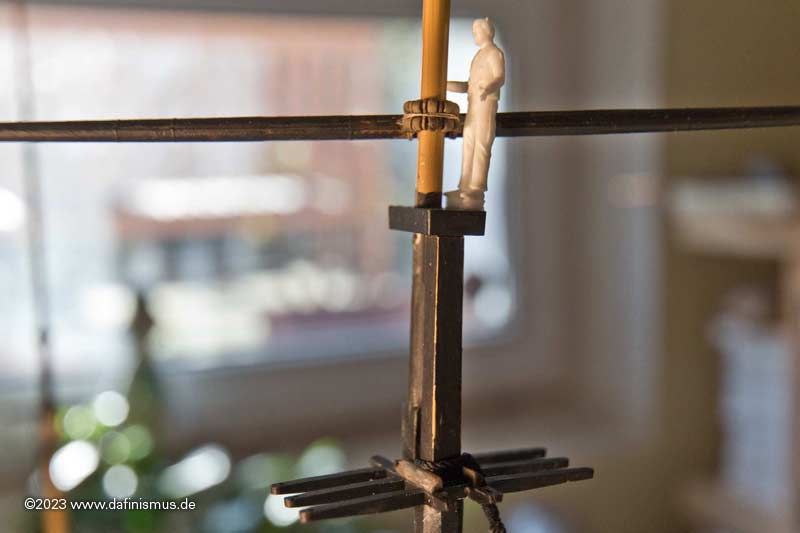
And to round things off, the stuff for the gaff also got their own size of parrells. First try ...
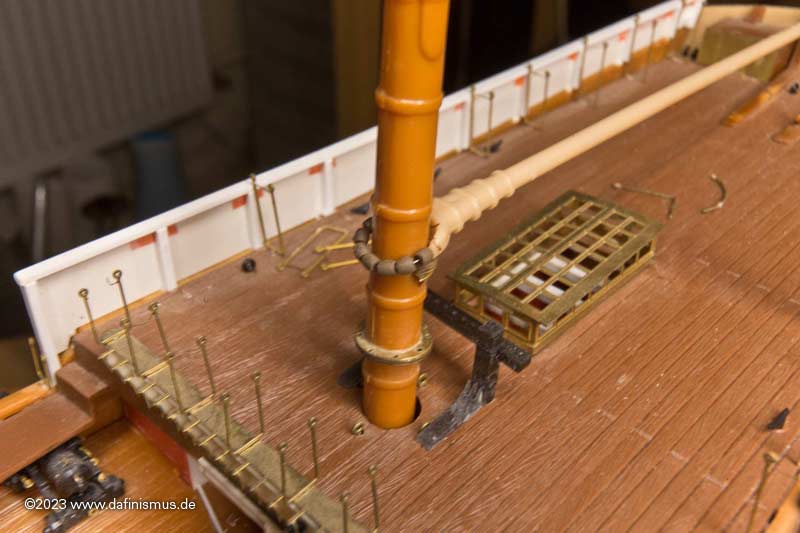
... the shape was adjusted a little and the final version is on its way.
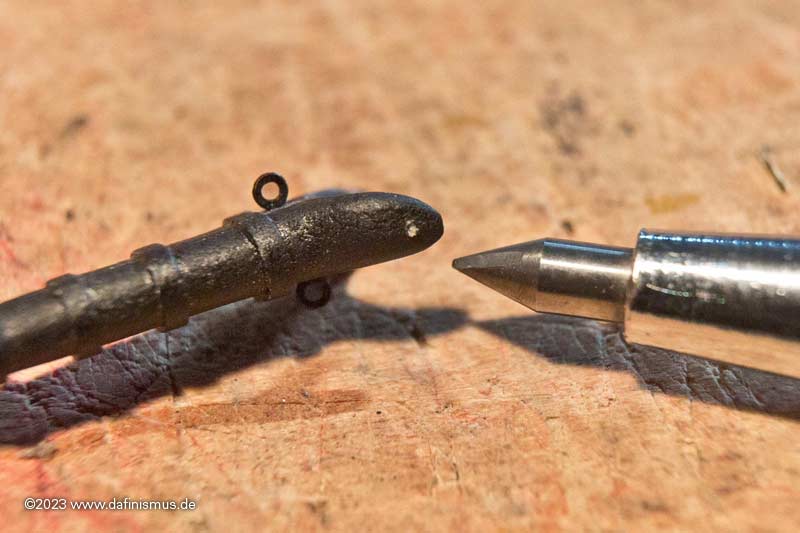
The claw is also grained with the centre punch ...
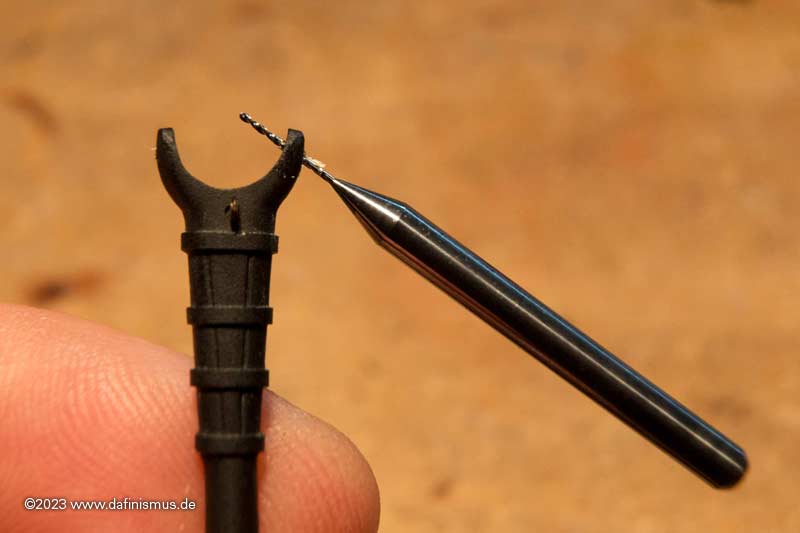
... and drilled out with 0.5 mm ...
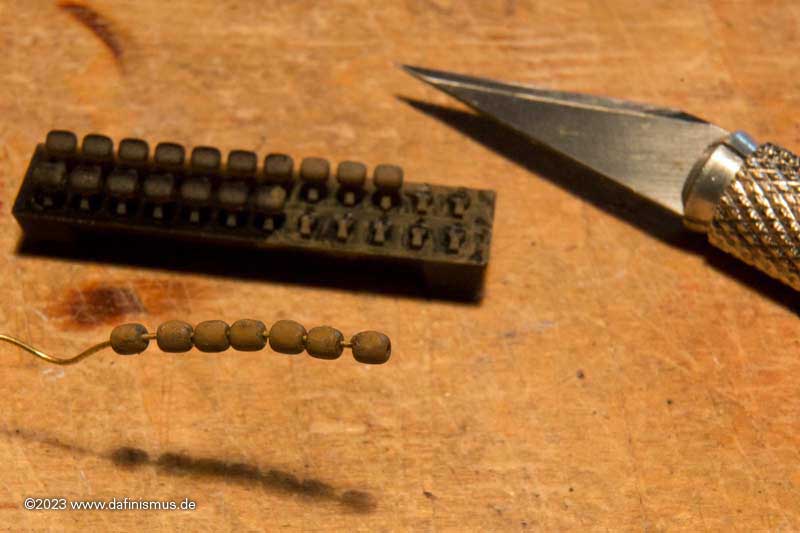
... the blocks trimmed and wooded ...
... and into place ...
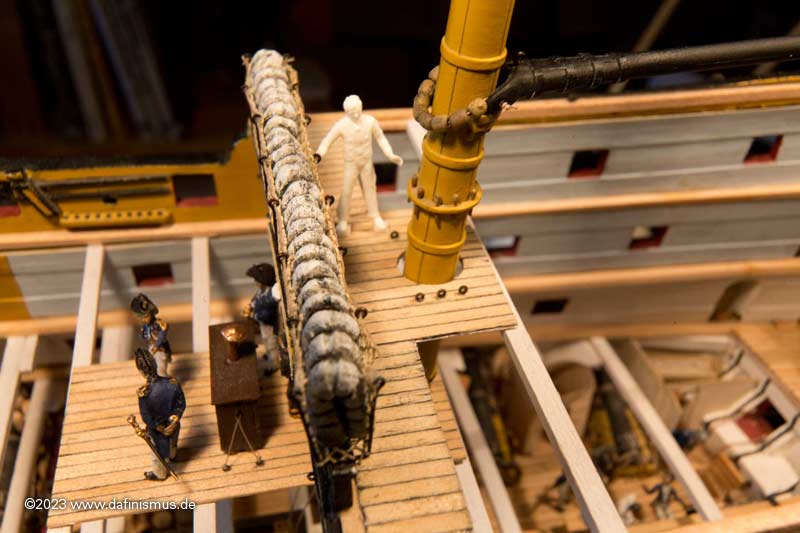
... and everything fits! Fits
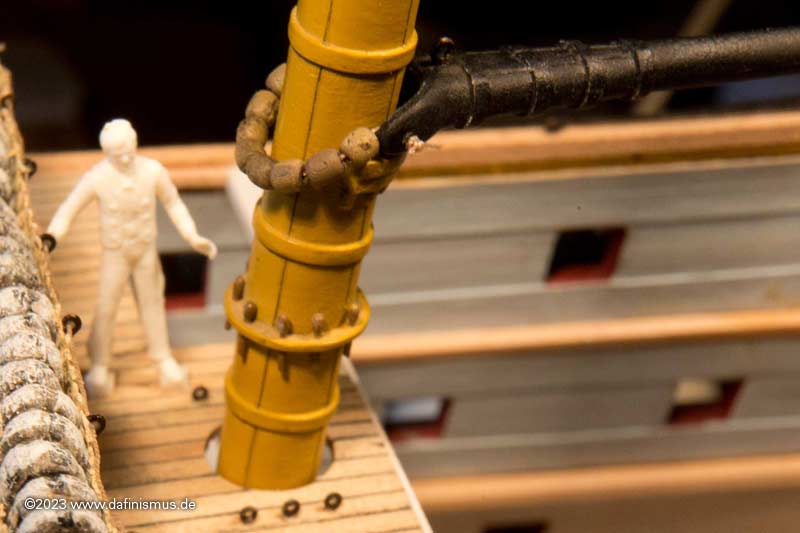
Best regards, Daniel
The dafi had its annual public tinkering session with its modelling club at the Stuttgart trade fair. Then we went straight from the trade fair to a customer in Austria for a while. I didn't have a chance to think about anything model-building-related.
I'm back home now, and I can only catch up on what I've been doing over the last two months. But first things first
Before the trade fair, I had finished the running rigging. I wanted to try it out at the fair to see if it would be manageable, as the stuff - if true to scale - is very, very small.
As with the standing rigging, I have summarised the block sets for the individual locations.
Here are the yards of the main mast ...
... of the foremast ...
... and the mizzen mast.
There are also the collections for headsails, stunsails and other locations.
It was fun again at the trade fair.
Our booth ...
... my workplace ...
... and my colleagues in typical working posture
It was especially funny there when you want to try out the 2 mm blocks - the smallest of the sets - and don't have everything you need with you. Dear Alex then played vice and held my auxiliary jig for rigging - thanks for that!
It worked straight away and with my now tried and tested technique, even these small blocks are wonderfully quick and easy to rig.
What was still missing were the parrells. I also managed to do this in a last-minute operation. Here are the two sizes with ribs for the top and topgallant yards.
Threaded for neatening ...
... and the first tying attempt to find out how many are needed.
Here is the final version on the main top yard ...
... and with a able seaman for the dimensions.
Someone also climbed up especially for the topgallant yard.
And to round things off, the stuff for the gaff also got their own size of parrells. First try ...
... the shape was adjusted a little and the final version is on its way.
The claw is also grained with the centre punch ...
... and drilled out with 0.5 mm ...
... the blocks trimmed and wooded ...
... and into place ...
... and everything fits! Fits
Best regards, Daniel
To Victory and beyond ...
viewtopic.php?f=59&t=99050&start=60
See also our german forum for the age of Sail and History:
http://www.segelschiffsmodellbau.com
viewtopic.php?f=59&t=99050&start=60
See also our german forum for the age of Sail and History:
http://www.segelschiffsmodellbau.com
-
marijn van gils
- Posts: 2743
- Joined: Tue Feb 06, 2007 10:24 am
- Location: Belgium
Re: To HMS Victory and beyond
Wonderful! 
-
JIM BAUMANN

- Posts: 5705
- Joined: Mon Jan 10, 2005 5:30 pm
- Location: Nr Southampton England
Re: To HMS Victory and beyond
Your Parrel beads are a wonderful assembly-- superb
Now Marjinn needs to make his--3 x smaller!! hehehe!
Now Marjinn needs to make his--3 x smaller!! hehehe!
....I buy them at three times the speed I build 'em.... will I live long enough to empty my stash...?
http://www.modelshipgallery.com/gallery ... index.html
IPMS UK SIG (special interest group) www.finewaterline.com
http://www.modelshipgallery.com/gallery ... index.html
IPMS UK SIG (special interest group) www.finewaterline.com
-
dafi
- Posts: 1005
- Joined: Mon Mar 12, 2012 11:13 am
- Location: Ludwigsburg/Germany
- Contact:
Re: To HMS Victory and beyond
This means, my 2 Millimeter blocks would be 0,666 mmm.
I would go for that just to see him suffer ...
*sadistic laugh from the off*
...
XXXDAn
I would go for that just to see him suffer ...
*sadistic laugh from the off*
...
XXXDAn
To Victory and beyond ...
viewtopic.php?f=59&t=99050&start=60
See also our german forum for the age of Sail and History:
http://www.segelschiffsmodellbau.com
viewtopic.php?f=59&t=99050&start=60
See also our german forum for the age of Sail and History:
http://www.segelschiffsmodellbau.com
-
marijn van gils
- Posts: 2743
- Joined: Tue Feb 06, 2007 10:24 am
- Location: Belgium
Re: To HMS Victory and beyond
That's too small for me too!
The smallest blocks I made are about 1mm: viewtopic.php?f=59&t=167367&start=660#p966067
I don't plan on stropping or rigging any of them. The larger ones have the strop already built on them, for the smaller I will only paint it on. Rigging will be metal wire, which I will glue to the blocks instead of pass through them.
Anything smaller than 1mm, I will simulate with blobs of white glue. Or if I need complex structures, with punched plastic discs like I did with the gun tackle: viewtopic.php?f=59&t=167367&start=1100#p1032931
I think I will simulate the parrels by gluing solder balls directly to the masts. I'm not sure if I will try to add strips in between the parrels on the topmasts though...
-
SG1
- Posts: 426
- Joined: Mon Apr 17, 2017 2:43 am
- Contact:
Re: To HMS Victory and beyond
marijn van gils wrote:I think I will simulate the parrels by gluing solder balls directly to the masts. I'm not sure if I will try to add strips in between the parrels on the topmasts though...
Marijn, what about using sections of 0.6 mm brass tubing and pass a wire through the sections? Time consuming maybe
, but worth a trydafi: spectacular work as usual

-
dafi
- Posts: 1005
- Joined: Mon Mar 12, 2012 11:13 am
- Location: Ludwigsburg/Germany
- Contact:
Re: To HMS Victory and beyond
By mistake I printed some parrells less than half size than wanted. This printer always amazes me from new.
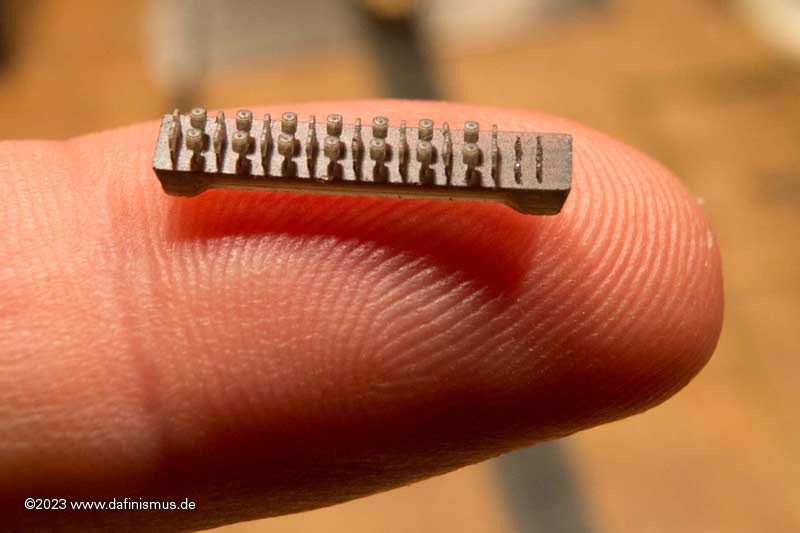
And to my big surprize I was able to thread through a 0,1 mm copper wire!
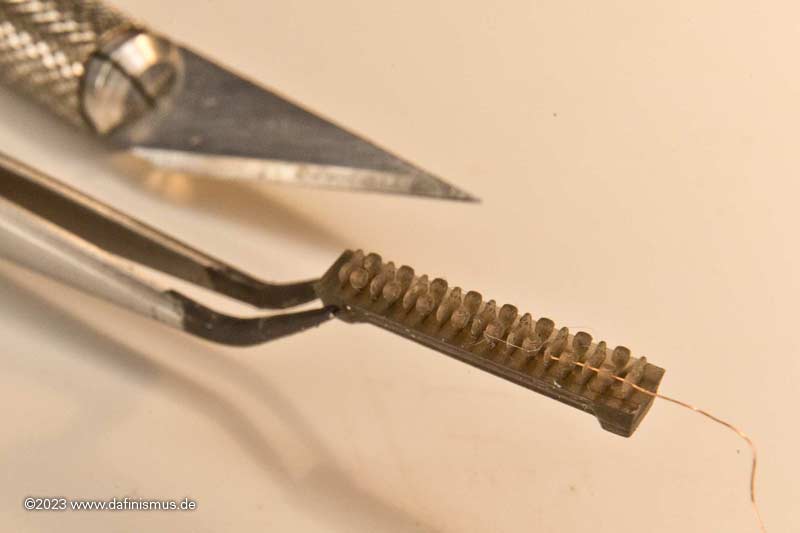
Now it is your turn @marijn van gils, it is almost your size. Just tell how much smaller you still like to have it
Go for it, I am sure you know how to tie a windsor knot into an ant�s necktie!
XXXDAn
And to my big surprize I was able to thread through a 0,1 mm copper wire!
Now it is your turn @marijn van gils, it is almost your size. Just tell how much smaller you still like to have it
Go for it, I am sure you know how to tie a windsor knot into an ant�s necktie!
XXXDAn
To Victory and beyond ...
viewtopic.php?f=59&t=99050&start=60
See also our german forum for the age of Sail and History:
http://www.segelschiffsmodellbau.com
viewtopic.php?f=59&t=99050&start=60
See also our german forum for the age of Sail and History:
http://www.segelschiffsmodellbau.com
-
109

- Posts: 627
- Joined: Sun Nov 16, 2008 7:56 am
- Contact:
Re: To HMS Victory and beyond
Beautiful work!!
Thanks & Sources: Nilsson (research) and J.Arntz (research, drawings).
-
dafi
- Posts: 1005
- Joined: Mon Mar 12, 2012 11:13 am
- Location: Ludwigsburg/Germany
- Contact:
Re: To HMS Victory and beyond
I've been busy lately and haven't had much time to tinker. But the list of blocks to be used on the Vic and the corresponding rope thicknesses has finally been finalized. Time to check some of them again. As the blocks are sorted by yards and other locations, here is the block set for the main yard.
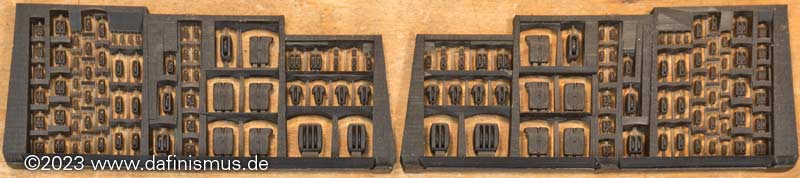
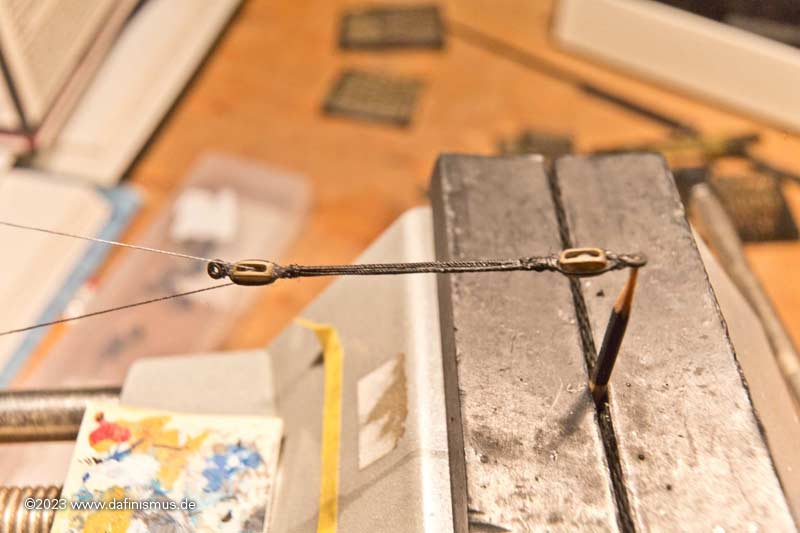
Since the main yard has already been started, I've taken on the lifts. First the hangers. As usually served with white glue and black paint.
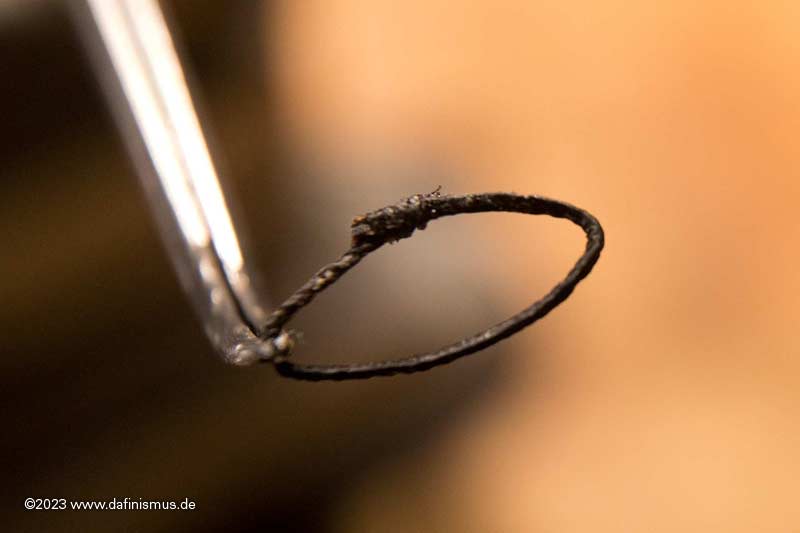
The loop underneath the cap that holds the hanger together.
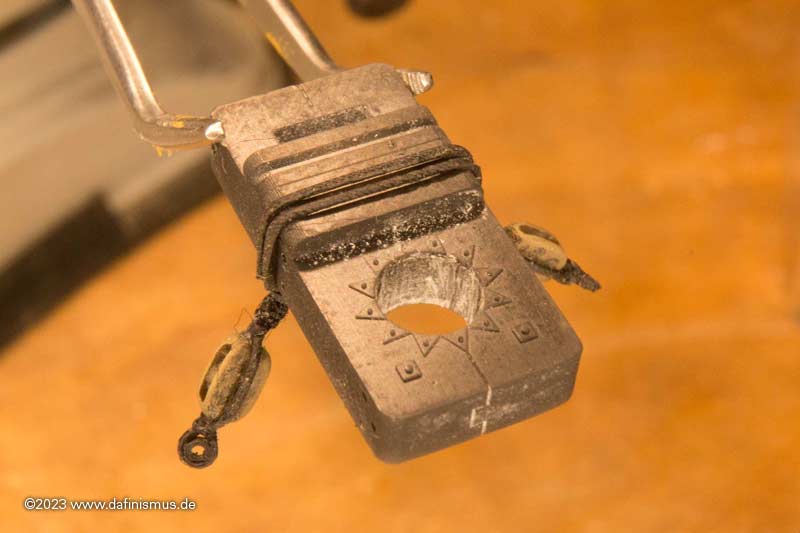
And here the assembly on a spare mast cap.
More hopefully soon.
XXXDAn
Since the main yard has already been started, I've taken on the lifts. First the hangers. As usually served with white glue and black paint.
The loop underneath the cap that holds the hanger together.
And here the assembly on a spare mast cap.
More hopefully soon.
XXXDAn
To Victory and beyond ...
viewtopic.php?f=59&t=99050&start=60
See also our german forum for the age of Sail and History:
http://www.segelschiffsmodellbau.com
viewtopic.php?f=59&t=99050&start=60
See also our german forum for the age of Sail and History:
http://www.segelschiffsmodellbau.com
-
dafi
- Posts: 1005
- Joined: Mon Mar 12, 2012 11:13 am
- Location: Ludwigsburg/Germany
- Contact:
Re: To HMS Victory and beyond
Next, of course, was the combination of blocks with a shoulder block for the top sail sheet and a normal block for the lift on the yardarm.
First the two blocks stropped together ...
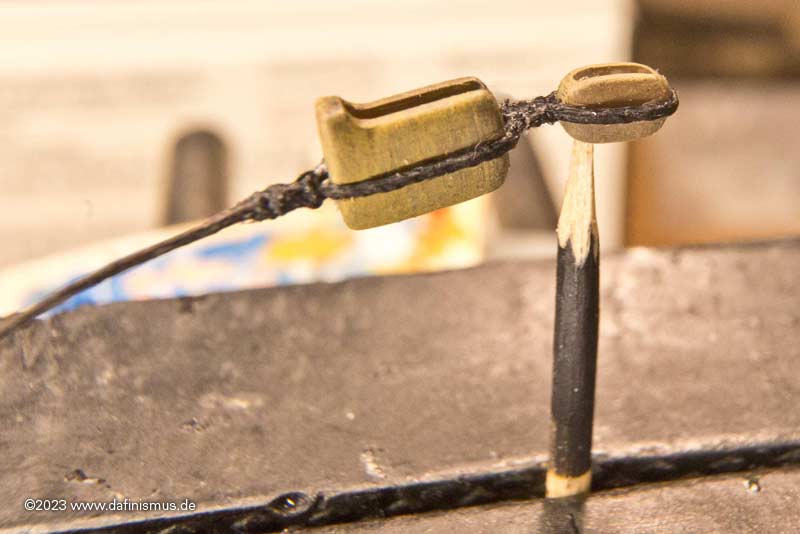
... then still smuggled in with bright rope the loop for the horses onto the cleat and finally tied in the eye for the double block at the outside.
First one side ...
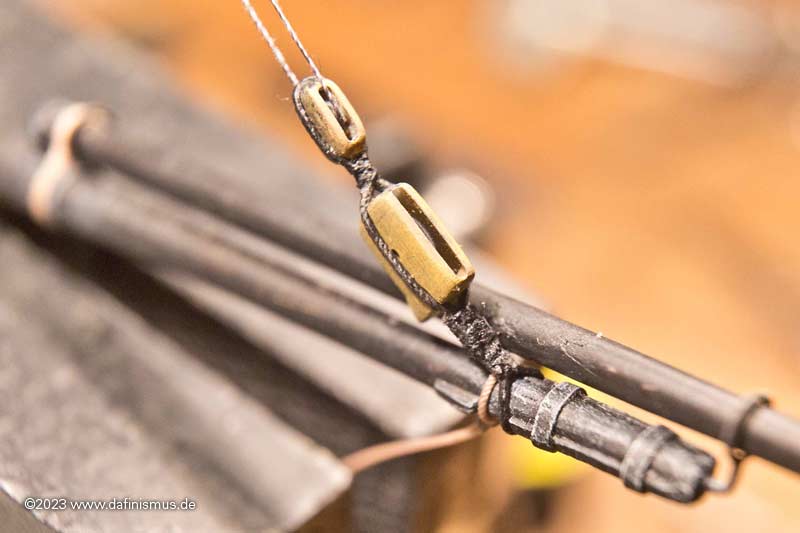
... and then the second ...
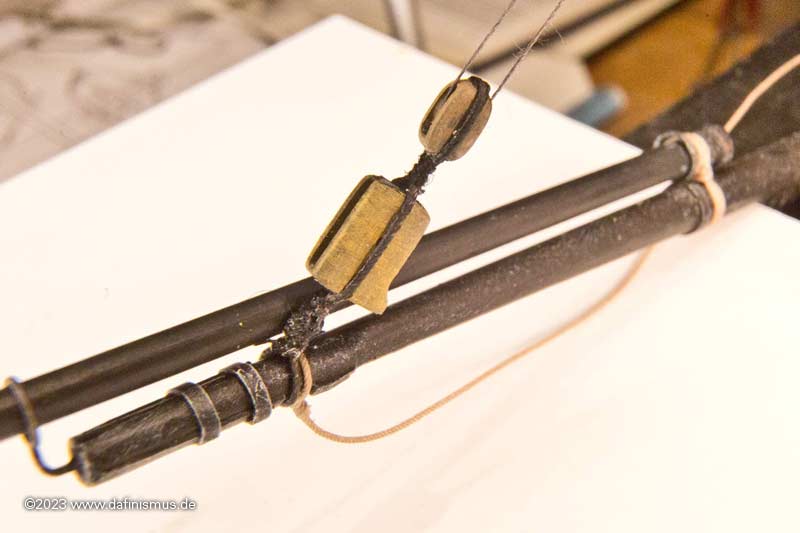
... and everything for the lifts is on the yardarm
XXXDAn
First the two blocks stropped together ...
... then still smuggled in with bright rope the loop for the horses onto the cleat and finally tied in the eye for the double block at the outside.
First one side ...
... and then the second ...
... and everything for the lifts is on the yardarm
XXXDAn
To Victory and beyond ...
viewtopic.php?f=59&t=99050&start=60
See also our german forum for the age of Sail and History:
http://www.segelschiffsmodellbau.com
viewtopic.php?f=59&t=99050&start=60
See also our german forum for the age of Sail and History:
http://www.segelschiffsmodellbau.com
-
JIM BAUMANN
- Posts: 5705
- Joined: Mon Jan 10, 2005 5:30 pm
- Location: Nr Southampton England
Re: To HMS Victory and beyond
excellent works-- lots of attention to minutua! 
but a question;
============
==> how to you -- retrospectively..-- smooth all the hairy bits on your ropes....?
In the olden days -( on larger scales) -people used to pull their modell-ropes over a piece of beeswax
to smooth/' stick the down ( glaetten ) thte little hars
but the wax does not work well with glue / adhesives/ CA and paint
best wishes
Jim B
but a question;
============
==> how to you -- retrospectively..-- smooth all the hairy bits on your ropes....?
In the olden days -( on larger scales) -people used to pull their modell-ropes over a piece of beeswax
to smooth/' stick the down ( glaetten ) thte little hars
but the wax does not work well with glue / adhesives/ CA and paint
best wishes
Jim B
....I buy them at three times the speed I build 'em.... will I live long enough to empty my stash...?
http://www.modelshipgallery.com/gallery ... index.html
IPMS UK SIG (special interest group) www.finewaterline.com
http://www.modelshipgallery.com/gallery ... index.html
IPMS UK SIG (special interest group) www.finewaterline.com
-
dafi
- Posts: 1005
- Joined: Mon Mar 12, 2012 11:13 am
- Location: Ludwigsburg/Germany
- Contact:
Re: To HMS Victory and beyond
Thank you Jim!
The wax is for the lines made of cotton or other fuzzy cords, to smoothen the small "hair" standing up from it. Ropes made from synthetics usually do not have this problem. My ropes are made from fly fishing yarn, basically a kind of tooth floss
The wax is not meant to change the appearence of the rope, it�s just to make it look neat and tidy. In the contrary the white glue cover I use for some of my ropes is the imitation of serving the rope. There it is unwantetd to see the structure of the rope, as it was completely coverd by yarn. At my scale it is first rather impracticable to really serve the thinner ropes, and second it always looks overscale.
Cheers, DAniel
The wax is for the lines made of cotton or other fuzzy cords, to smoothen the small "hair" standing up from it. Ropes made from synthetics usually do not have this problem. My ropes are made from fly fishing yarn, basically a kind of tooth floss
The wax is not meant to change the appearence of the rope, it�s just to make it look neat and tidy. In the contrary the white glue cover I use for some of my ropes is the imitation of serving the rope. There it is unwantetd to see the structure of the rope, as it was completely coverd by yarn. At my scale it is first rather impracticable to really serve the thinner ropes, and second it always looks overscale.
Cheers, DAniel
To Victory and beyond ...
viewtopic.php?f=59&t=99050&start=60
See also our german forum for the age of Sail and History:
http://www.segelschiffsmodellbau.com
viewtopic.php?f=59&t=99050&start=60
See also our german forum for the age of Sail and History:
http://www.segelschiffsmodellbau.com
-
marijn van gils
- Posts: 2743
- Joined: Tue Feb 06, 2007 10:24 am
- Location: Belgium
Re: To HMS Victory and beyond
Simply splendid!
Even though I won't be able to work in this much detail in 1/300 at all, I'm taking notes!
Even though I won't be able to work in this much detail in 1/300 at all, I'm taking notes!
-
Guest
Re: To HMS Victory and beyond
It certainly is Marijn, this has got to be the best build log of Victory ever done.
-
dafi
- Posts: 1005
- Joined: Mon Mar 12, 2012 11:13 am
- Location: Ludwigsburg/Germany
- Contact:
Re: To HMS Victory and beyond
Yes, dafi knows how to do it, dafi hasn't forgotten anything ...
...
...
... the wrecking ball!
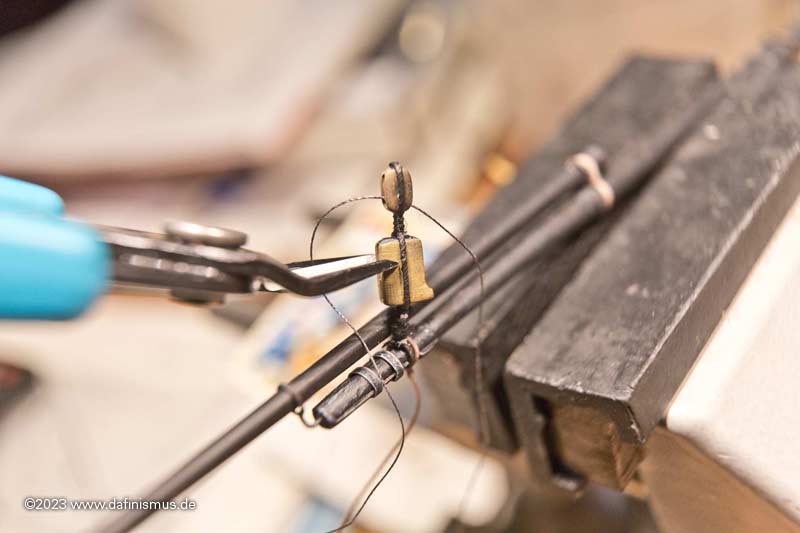
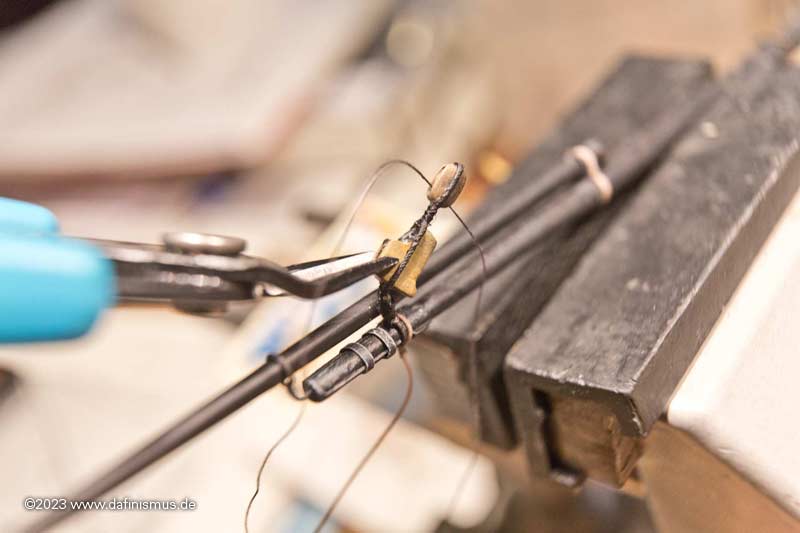
What happened again?
I always say it, my biggest problem is getting the big exhibit in P. out of my head.
For almost 20 years now, I've been looking forward to those great special shoulder and quarter blocks that I discovered back then back there, building them exactly according to McKay and Bugler's plans and, in my exuberance, not even realizing that they are much rounder in the classic literature ...
Thank goodness there are some people in my german pack and also in the MSW who are not so obsessed and have a keen eagle eye and have pointed this out to me. Thank you!
So I made new rounder blocks. I also finally did some research, as I was slightly irritated at the first pass when I noticed that these blocks on the foremast lower mast and topsail are all the same size, just like on the main mast lower mast and topsail. Thanks to druxey from the MSW for reassuring me and confirming this on the basis of Steel's information.
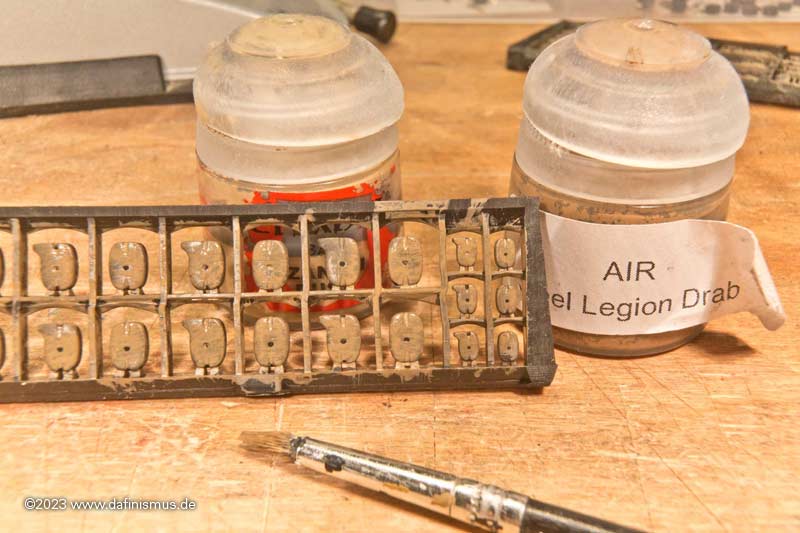
At this point, in response to a few questions, I would like to repeat the painting method: first, using an old disheveled brush, two layers of very thin paint in a darker brown, which is the base color. The thin paint makes it easy to get to the sides without pasting over the holes.
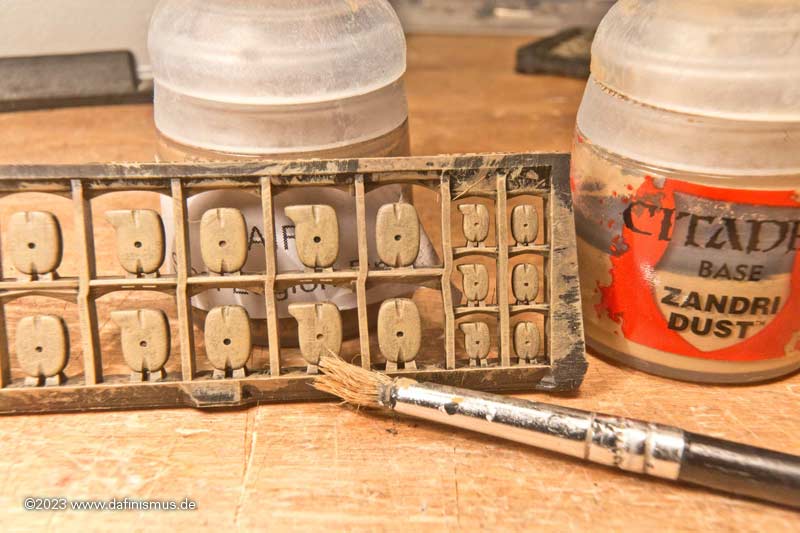
The highlighting color in a lighter brown, applied with a dry brush, is applied on top. This emphasizes the edges and the depths remain slightly darker, which gives optical depth. And the deliberately uneven application of color keeps the whole thing alive and no longer looks like plastic.
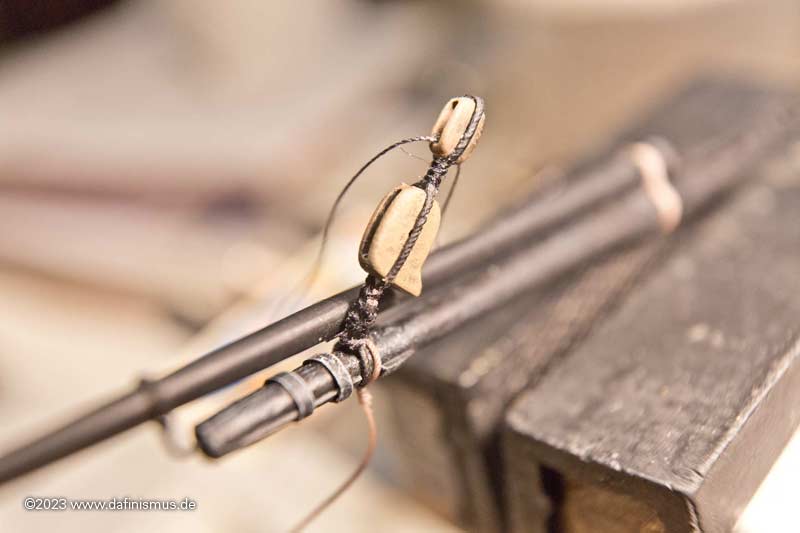
Then the grand finale: as the new round blocks are the same size as the old square ones, simply press the new ones back into the strop from the side and you're done.
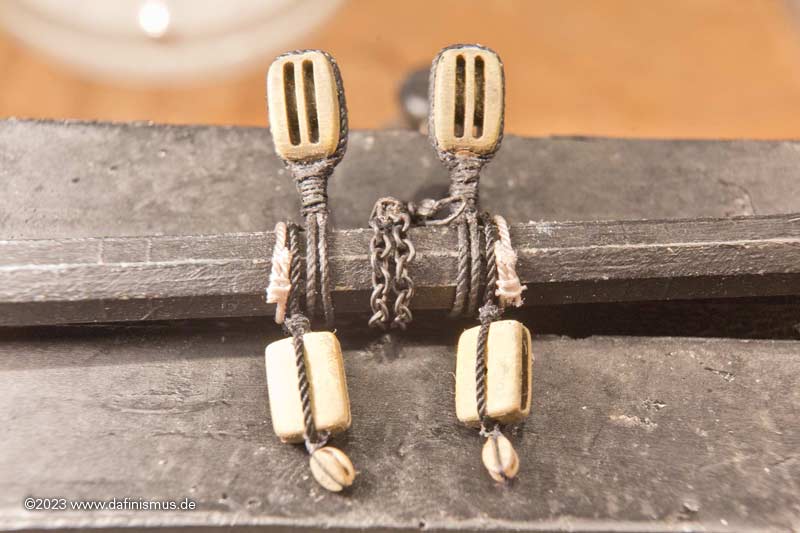
The same with the sheet quarter blocks, before - after
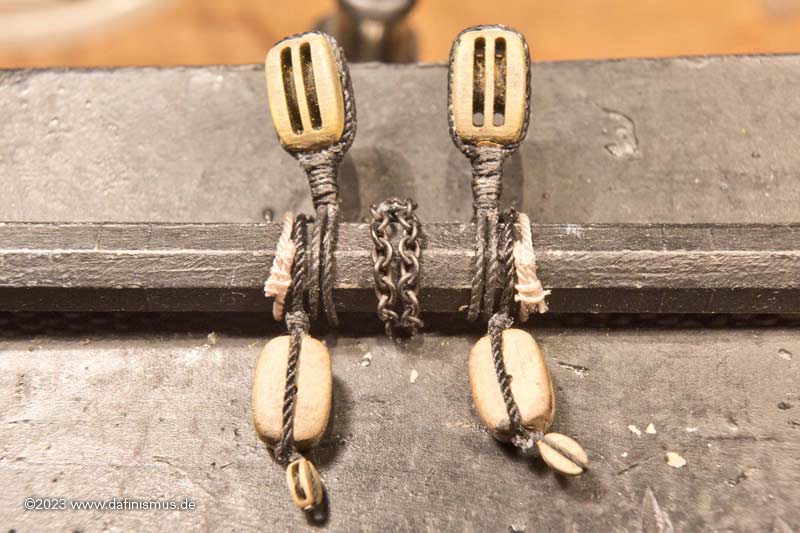
You see dafi still can do it
XXXDAn
PS: All those of you that already got a delivery of blocks will get a free upgade of the blocks in question
...
...
... the wrecking ball!
What happened again?
I always say it, my biggest problem is getting the big exhibit in P. out of my head.
For almost 20 years now, I've been looking forward to those great special shoulder and quarter blocks that I discovered back then back there, building them exactly according to McKay and Bugler's plans and, in my exuberance, not even realizing that they are much rounder in the classic literature ...
Thank goodness there are some people in my german pack and also in the MSW who are not so obsessed and have a keen eagle eye and have pointed this out to me. Thank you!
So I made new rounder blocks. I also finally did some research, as I was slightly irritated at the first pass when I noticed that these blocks on the foremast lower mast and topsail are all the same size, just like on the main mast lower mast and topsail. Thanks to druxey from the MSW for reassuring me and confirming this on the basis of Steel's information.
At this point, in response to a few questions, I would like to repeat the painting method: first, using an old disheveled brush, two layers of very thin paint in a darker brown, which is the base color. The thin paint makes it easy to get to the sides without pasting over the holes.
The highlighting color in a lighter brown, applied with a dry brush, is applied on top. This emphasizes the edges and the depths remain slightly darker, which gives optical depth. And the deliberately uneven application of color keeps the whole thing alive and no longer looks like plastic.
Then the grand finale: as the new round blocks are the same size as the old square ones, simply press the new ones back into the strop from the side and you're done.
The same with the sheet quarter blocks, before - after
You see dafi still can do it
XXXDAn
PS: All those of you that already got a delivery of blocks will get a free upgade of the blocks in question
To Victory and beyond ...
viewtopic.php?f=59&t=99050&start=60
See also our german forum for the age of Sail and History:
http://www.segelschiffsmodellbau.com
viewtopic.php?f=59&t=99050&start=60
See also our german forum for the age of Sail and History:
http://www.segelschiffsmodellbau.com
-
JIM BAUMANN
- Posts: 5705
- Joined: Mon Jan 10, 2005 5:30 pm
- Location: Nr Southampton England
Re: To HMS Victory and beyond
I must say that I admire your dedication;
.........and I must say that the ' new' blocks do actually look
a lot more as one would expect blocks-to-look-like !
 JB
JB
.........and I must say that the ' new' blocks do actually look
a lot more as one would expect blocks-to-look-like !
JB....I buy them at three times the speed I build 'em.... will I live long enough to empty my stash...?
http://www.modelshipgallery.com/gallery ... index.html
IPMS UK SIG (special interest group) www.finewaterline.com
http://www.modelshipgallery.com/gallery ... index.html
IPMS UK SIG (special interest group) www.finewaterline.com
-
dafi
- Posts: 1005
- Joined: Mon Mar 12, 2012 11:13 am
- Location: Ludwigsburg/Germany
- Contact:
Re: To HMS Victory and beyond
Thanx Jim
Well, what can I say. I'm only away for a few weeks because of work and already my tinkering room doesn't want to let me back in ...
"What does THIS strange man want here?!" was one of the nicer questions I had to listen to ...
After some persuasion � la "man cave whisperer", I was allowed to do something in there after all. In the meantime, I had revised my lists of blocks for the Victory again. I had noticed that McKay had left out some quite some blocks in the AOTS and that there were also some errors among them. I had therefore plowed through the entire Steel of 1795 and worked through the various entries, compared them and selected the most plausible variant, possibly adding variants. All in all, there were significantly more blocks added, both the standard blocks and the special types. But more on that later.
The last thing I did was to replace the square shoulder blocks, which are used on the ship today and which McKay also shows, with contemporary round ones. The main yard continues to serve as a model playing field. Here is a reminder of the last status.
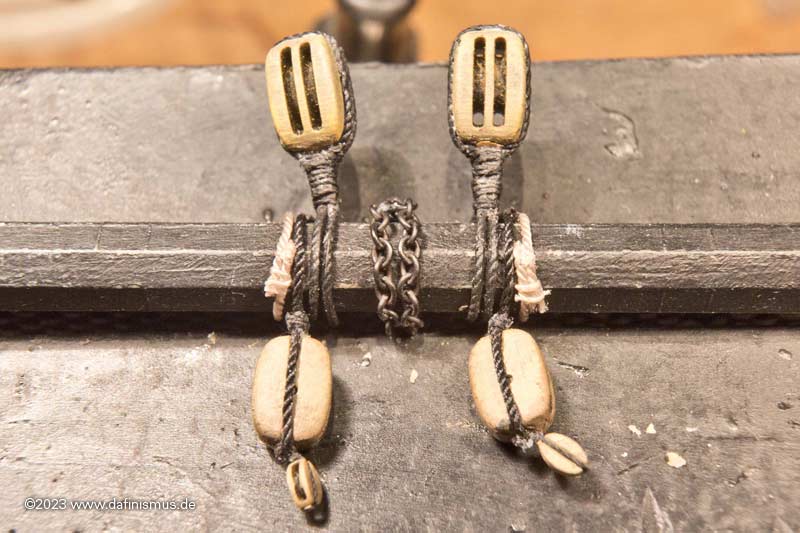
Next came 3 x 2.5 mm blocks on each side for the belly and nock gordings.
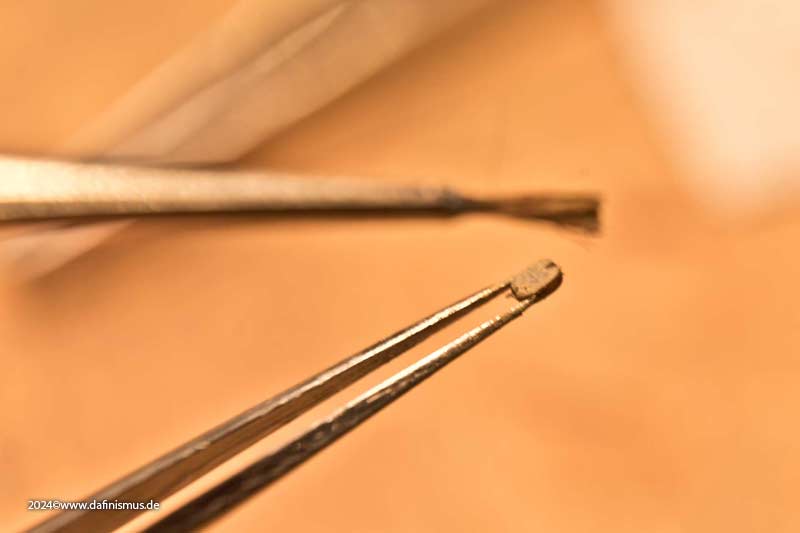
Check on the tweezers whether the paint application is complete and either brush on the tweezers immediately ...
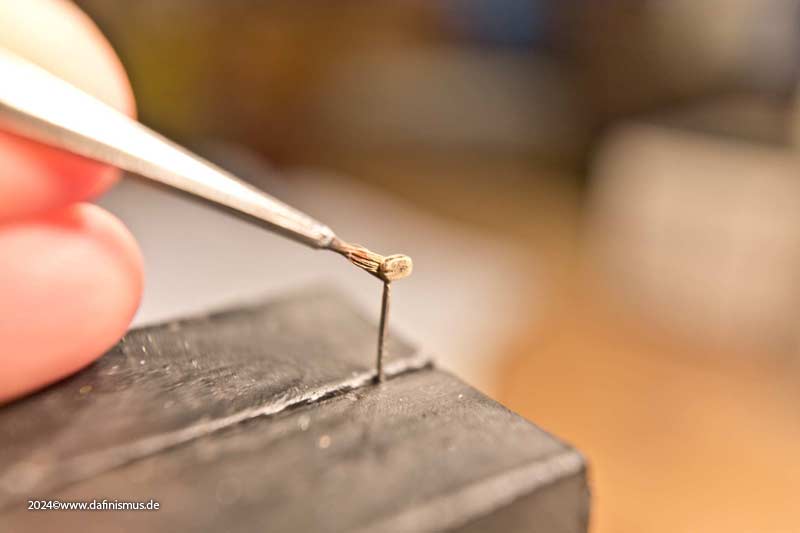
... or after the block has been pinned. Place a strop around the fixed block as described before ...
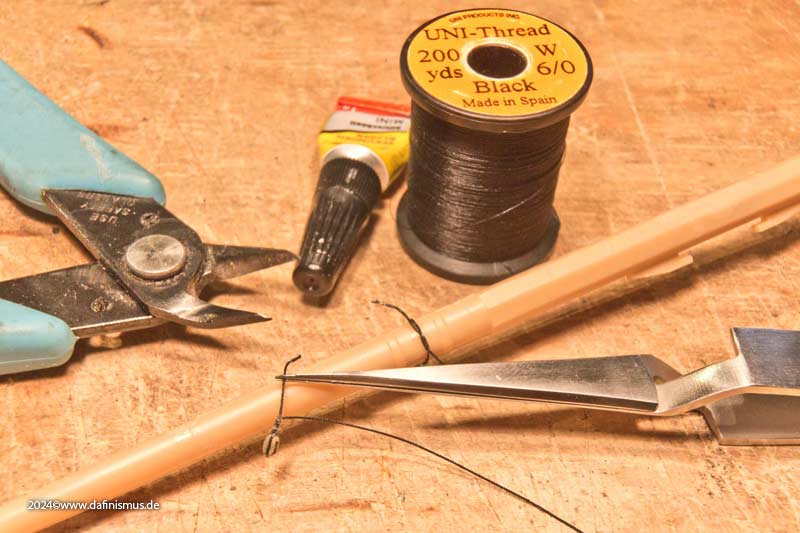
... and checked the length in place. Since the block hangs in front of the yard, the legs must of course be different lengths.
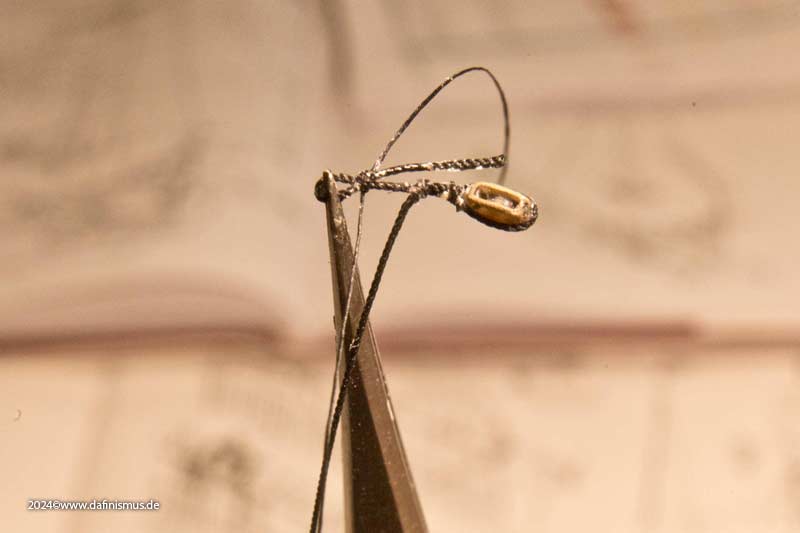
The pointed tweezers with clamping function do a good job here, first one side ...
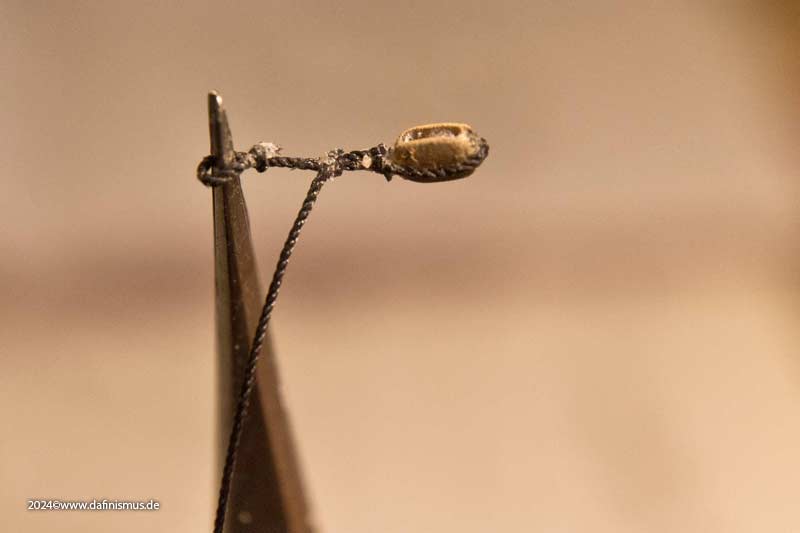
... and neatly trimmed, and the other and you're done
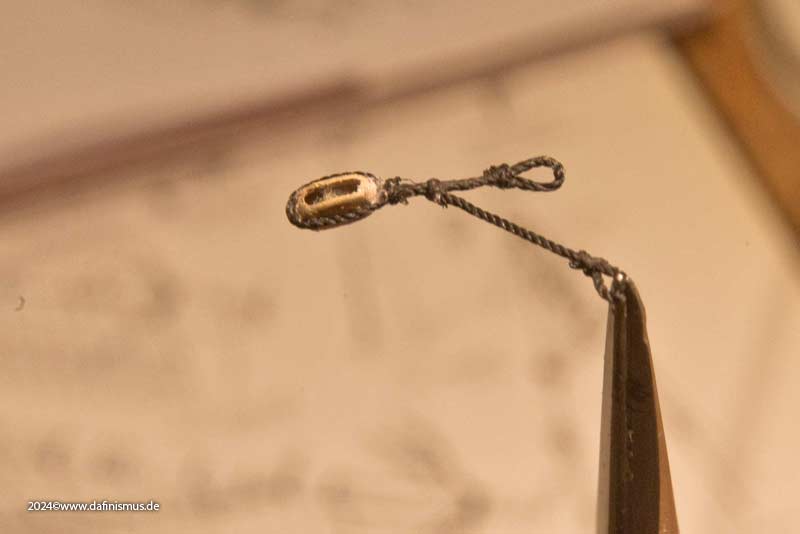
Here is a comparison of the simplified version with a simple knot on the top of the yardarm and the more correct solution with a lashing.
Since the lashing is tricky to thread, a classic needle helps.
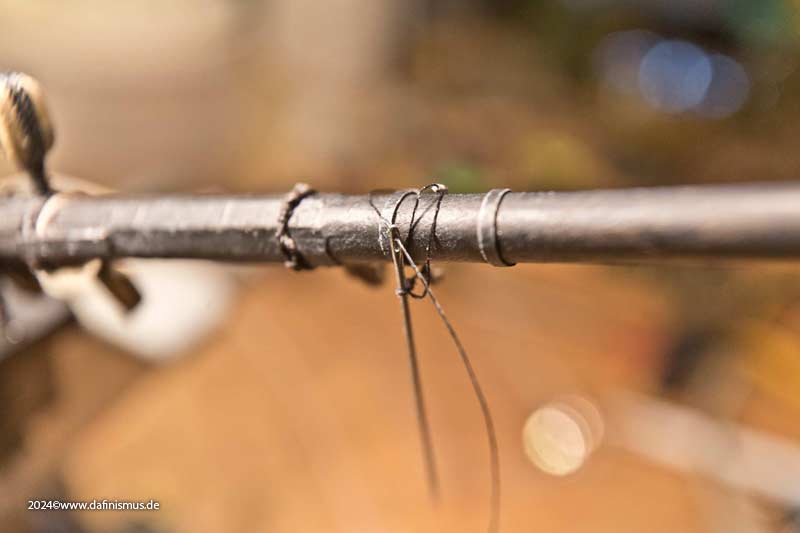
And this is how it should look
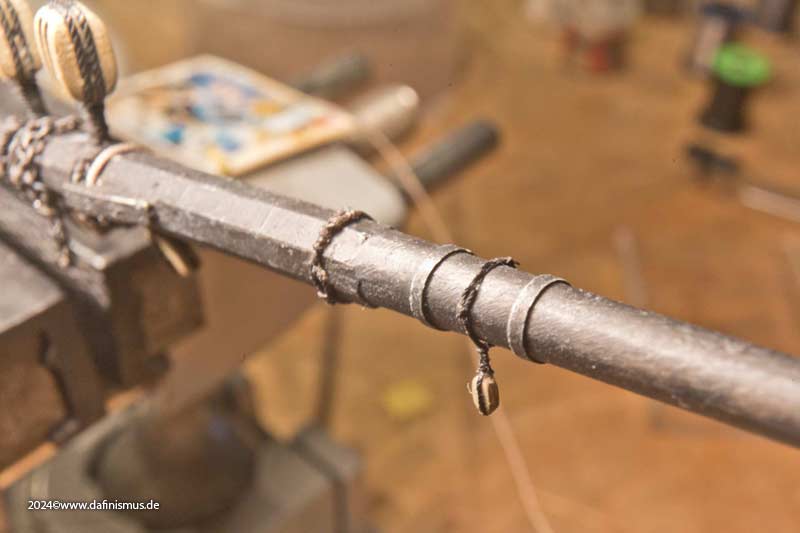
With this technique, I'm now just as fast for the small blocks as I am for the large ones
XXXDAn
Well, what can I say. I'm only away for a few weeks because of work and already my tinkering room doesn't want to let me back in ...
"What does THIS strange man want here?!" was one of the nicer questions I had to listen to ...
After some persuasion � la "man cave whisperer", I was allowed to do something in there after all. In the meantime, I had revised my lists of blocks for the Victory again. I had noticed that McKay had left out some quite some blocks in the AOTS and that there were also some errors among them. I had therefore plowed through the entire Steel of 1795 and worked through the various entries, compared them and selected the most plausible variant, possibly adding variants. All in all, there were significantly more blocks added, both the standard blocks and the special types. But more on that later.
The last thing I did was to replace the square shoulder blocks, which are used on the ship today and which McKay also shows, with contemporary round ones. The main yard continues to serve as a model playing field. Here is a reminder of the last status.
Next came 3 x 2.5 mm blocks on each side for the belly and nock gordings.
Check on the tweezers whether the paint application is complete and either brush on the tweezers immediately ...
... or after the block has been pinned. Place a strop around the fixed block as described before ...
... and checked the length in place. Since the block hangs in front of the yard, the legs must of course be different lengths.
The pointed tweezers with clamping function do a good job here, first one side ...
... and neatly trimmed, and the other and you're done
Here is a comparison of the simplified version with a simple knot on the top of the yardarm and the more correct solution with a lashing.
Since the lashing is tricky to thread, a classic needle helps.
And this is how it should look
With this technique, I'm now just as fast for the small blocks as I am for the large ones
XXXDAn
To Victory and beyond ...
viewtopic.php?f=59&t=99050&start=60
See also our german forum for the age of Sail and History:
http://www.segelschiffsmodellbau.com
viewtopic.php?f=59&t=99050&start=60
See also our german forum for the age of Sail and History:
http://www.segelschiffsmodellbau.com
-
dafi
- Posts: 1005
- Joined: Mon Mar 12, 2012 11:13 am
- Location: Ludwigsburg/Germany
- Contact:
Re: To HMS Victory and beyond
After the leechline and bowline blocks had worked out so well, we continued with the tricing lines of the yard tackles pendants.
The block on the yard tackle pendant was hauled to the yard with the outer tricing line and the lower block with hooks was hauled with the inner tricing lines to the shrouds to be hooked/fastened there. Unlike other load rigs, the yard tackles were not struck off when not in use, but were also used as to support the braces in strong winds or for other purposes.
And so that the whole thing doesn't get too boring, this time the blocks are 7" and 8", i.e. 2 mm in my scale. But it doesn't matter, it works just like the others
First on the filed needle, then stropped in as usual ...
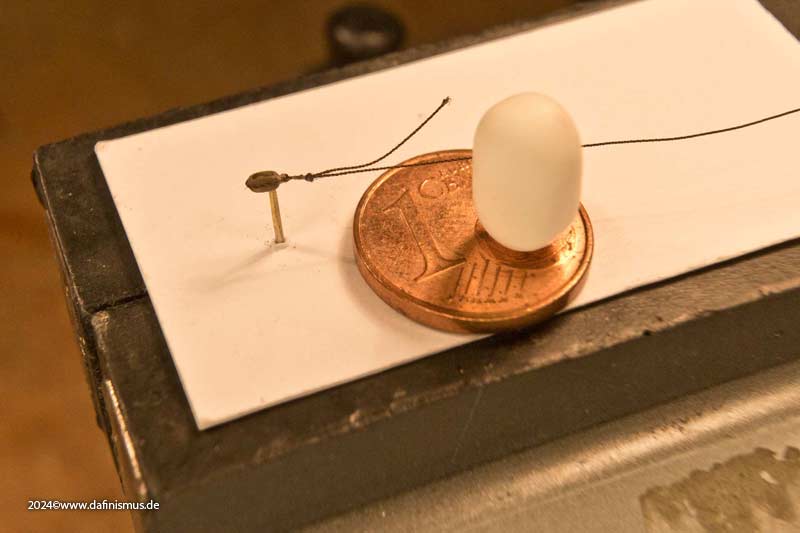
... and succeding the function test.
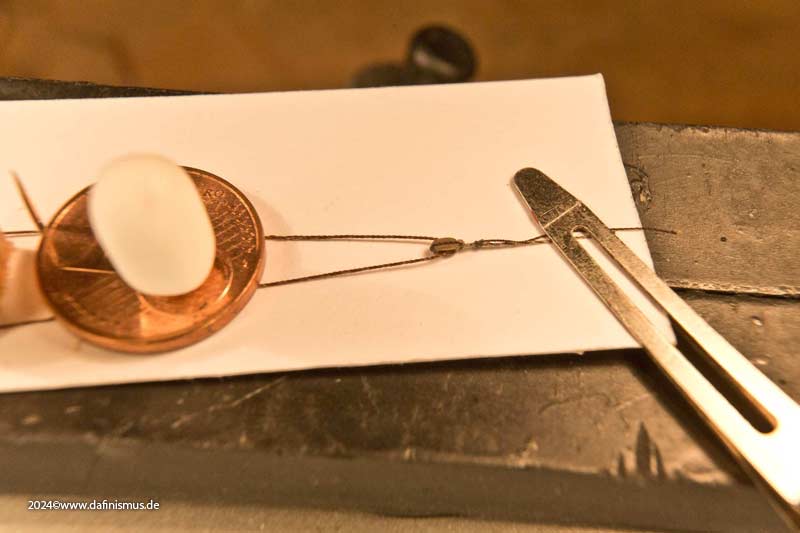
Fits. Then, as usual, tied the eyes with the pointed clamping tweezers and quickly put them all on the leash, such a stopped block is too quickly inhaled.
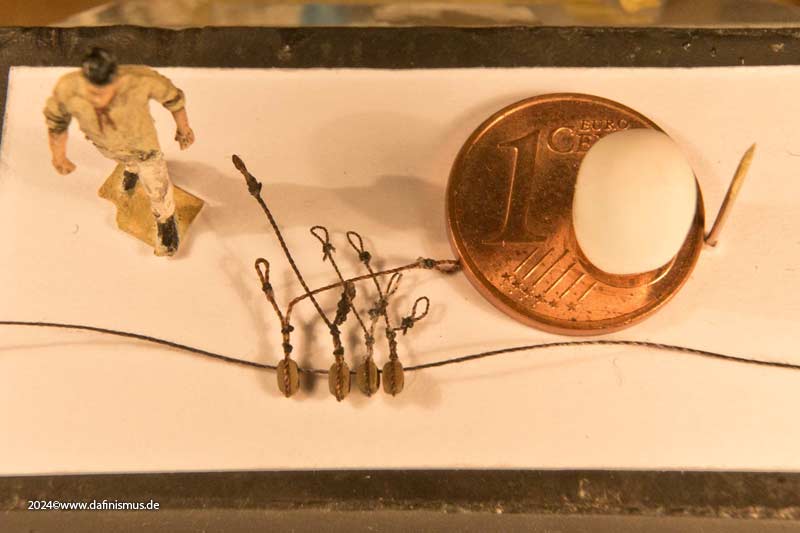
And to show that you can get these blocks to the yard even with sausage fingers like mine ...
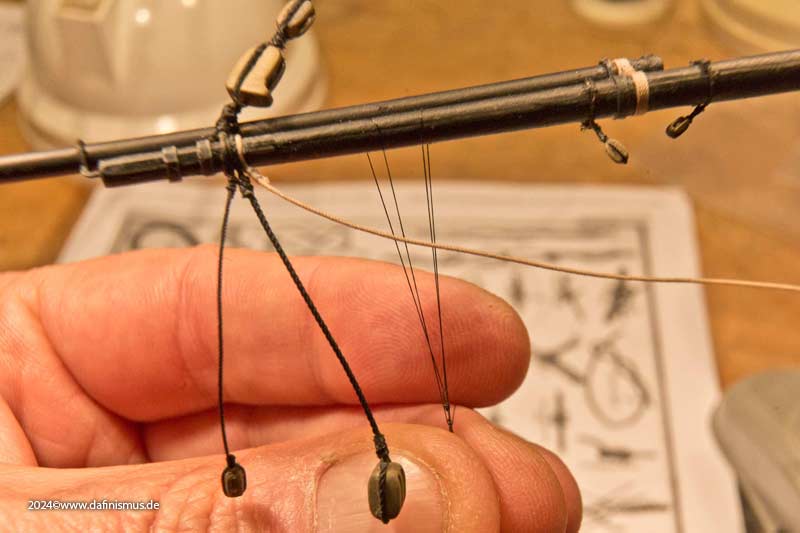
... you just have to make sure that you �
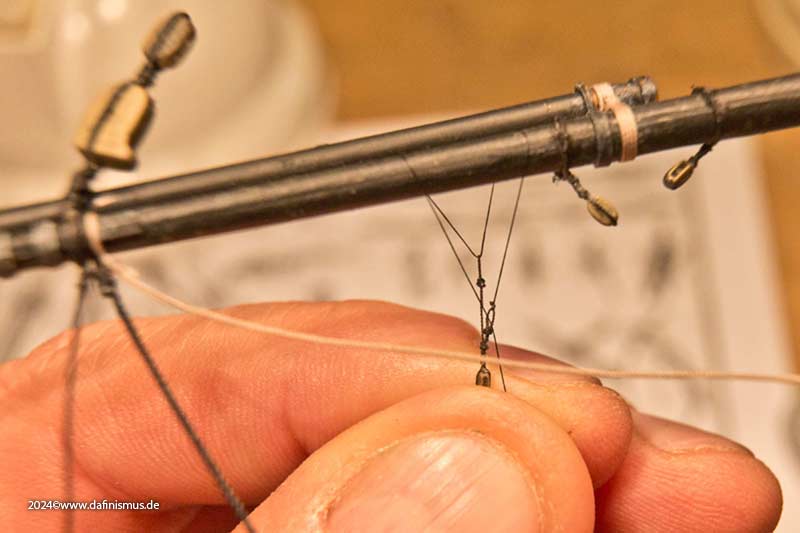
� get not tangled. And already finished.
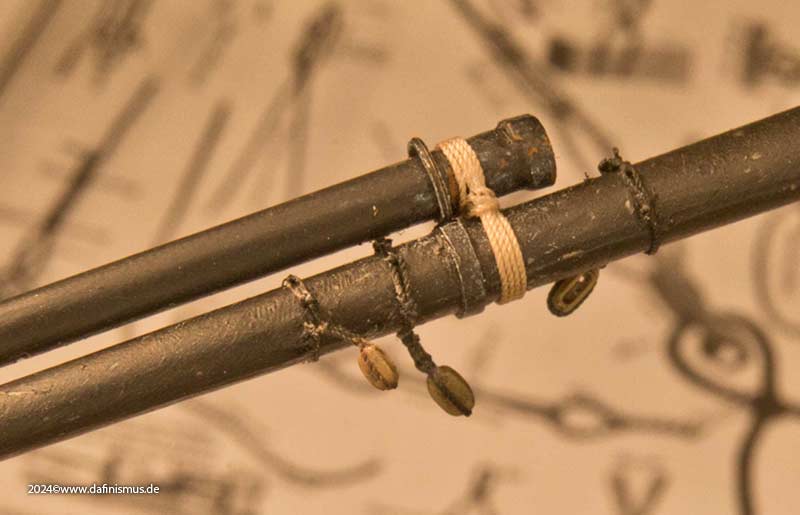
You can clearly see the noticeable difference between the 2 mm block of the tricing line and the 2.5 mm blocks of the leechline.
The tricing line is one of the thinnest in the entire rigging, here hanging loosely with the yard tackle in use ...
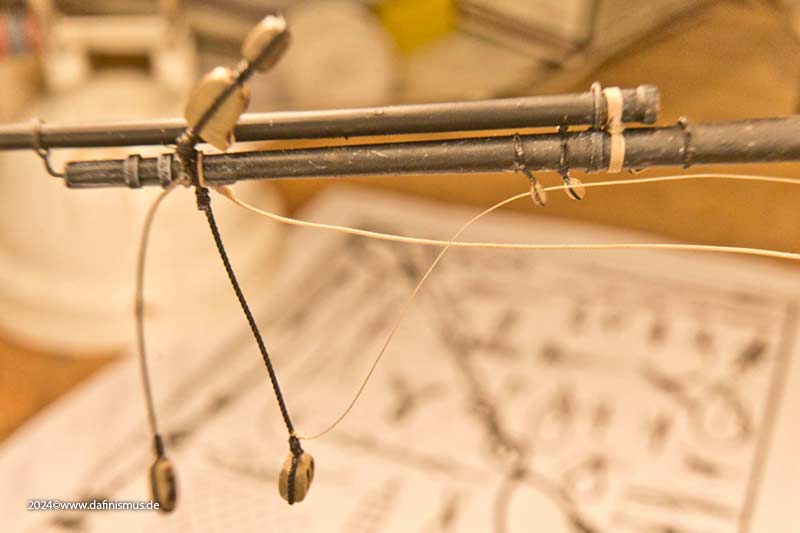
... and with the yard tackle pulled up.
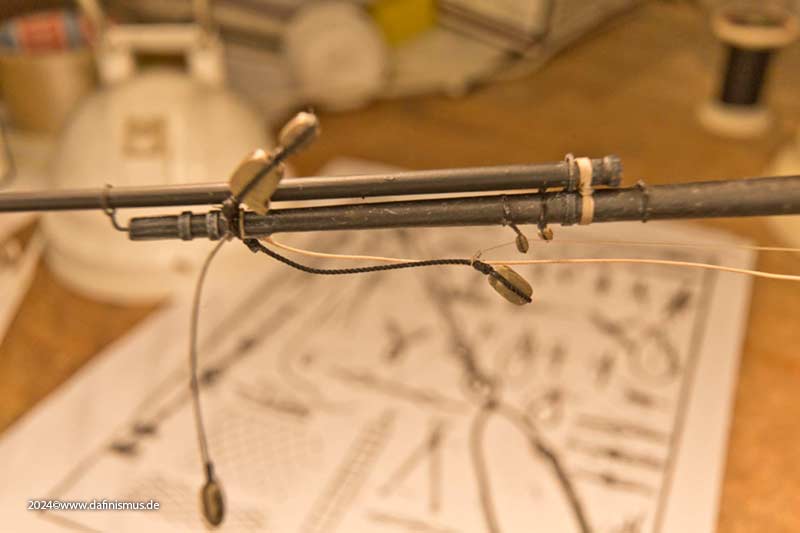
For the sake of completeness, the inner tricing line next to the 4 mm clue line block.
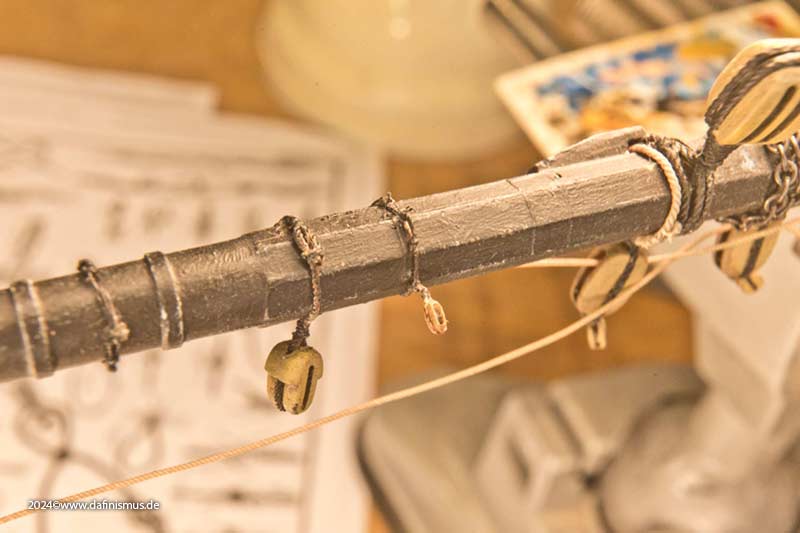
XXXDAn
The block on the yard tackle pendant was hauled to the yard with the outer tricing line and the lower block with hooks was hauled with the inner tricing lines to the shrouds to be hooked/fastened there. Unlike other load rigs, the yard tackles were not struck off when not in use, but were also used as to support the braces in strong winds or for other purposes.
And so that the whole thing doesn't get too boring, this time the blocks are 7" and 8", i.e. 2 mm in my scale. But it doesn't matter, it works just like the others
First on the filed needle, then stropped in as usual ...
... and succeding the function test.
Fits. Then, as usual, tied the eyes with the pointed clamping tweezers and quickly put them all on the leash, such a stopped block is too quickly inhaled.
And to show that you can get these blocks to the yard even with sausage fingers like mine ...
... you just have to make sure that you �
� get not tangled. And already finished.
You can clearly see the noticeable difference between the 2 mm block of the tricing line and the 2.5 mm blocks of the leechline.
The tricing line is one of the thinnest in the entire rigging, here hanging loosely with the yard tackle in use ...
... and with the yard tackle pulled up.
For the sake of completeness, the inner tricing line next to the 4 mm clue line block.
XXXDAn
To Victory and beyond ...
viewtopic.php?f=59&t=99050&start=60
See also our german forum for the age of Sail and History:
http://www.segelschiffsmodellbau.com
viewtopic.php?f=59&t=99050&start=60
See also our german forum for the age of Sail and History:
http://www.segelschiffsmodellbau.com
-
marijn van gils
- Posts: 2743
- Joined: Tue Feb 06, 2007 10:24 am
- Location: Belgium
Re: To HMS Victory and beyond
Great job on such small tackles!
Quite a feat to rig these like the real thing in 1/100. Bravo!
Quite a feat to rig these like the real thing in 1/100. Bravo!