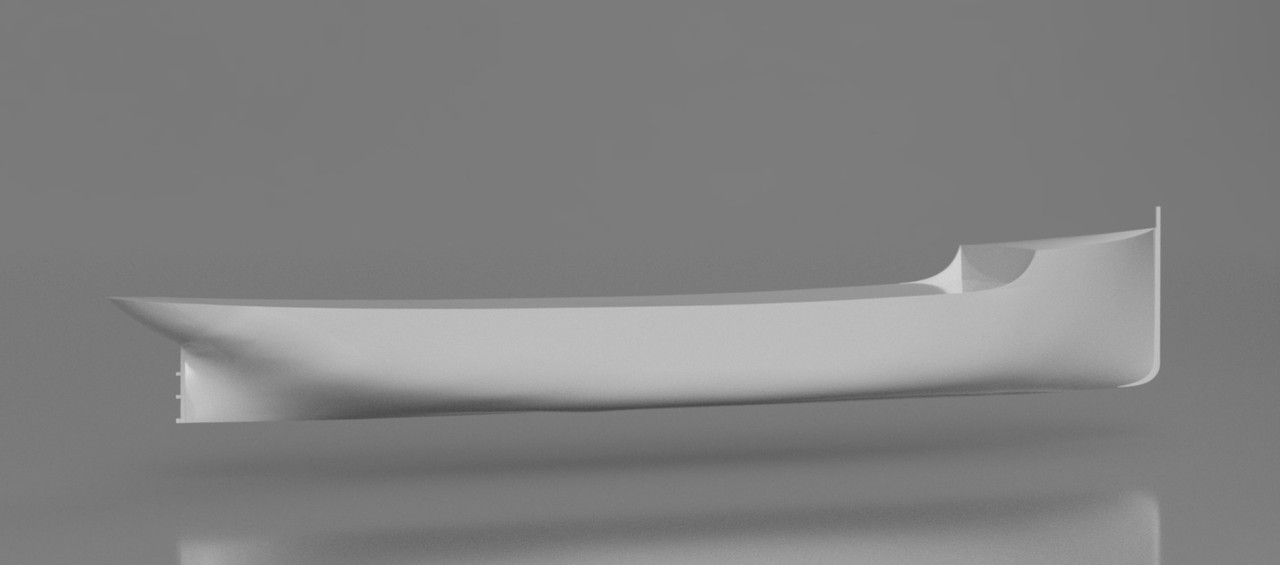
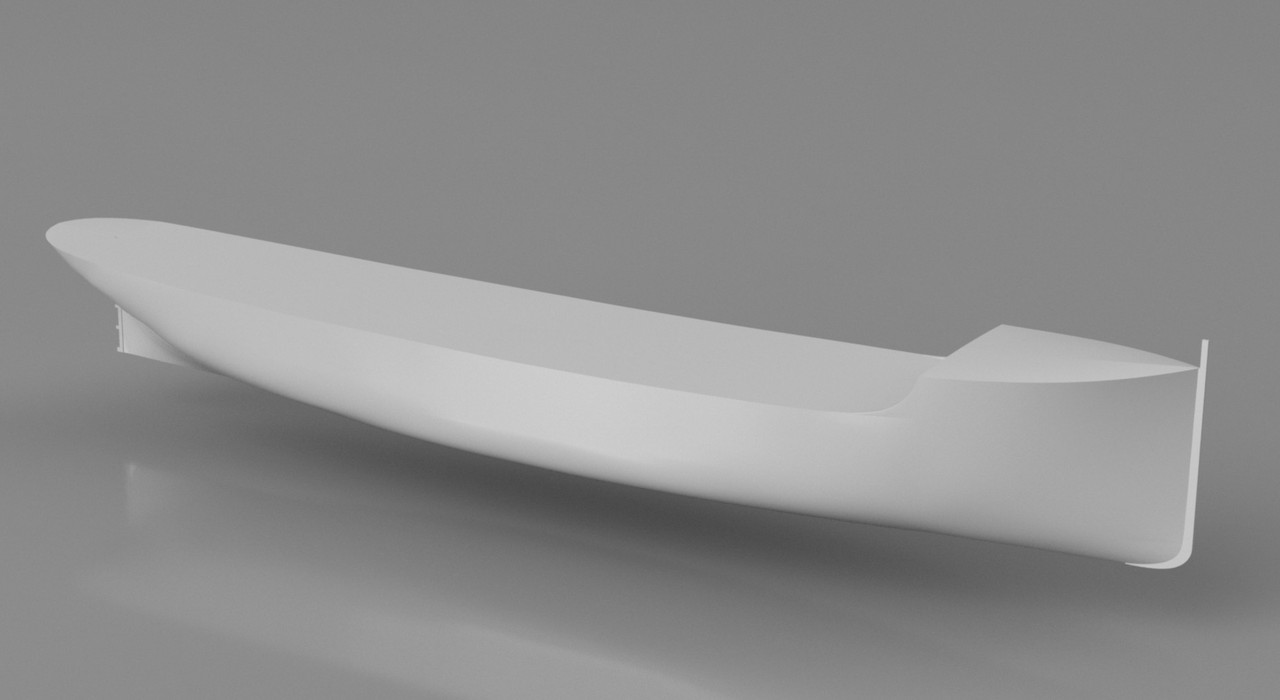
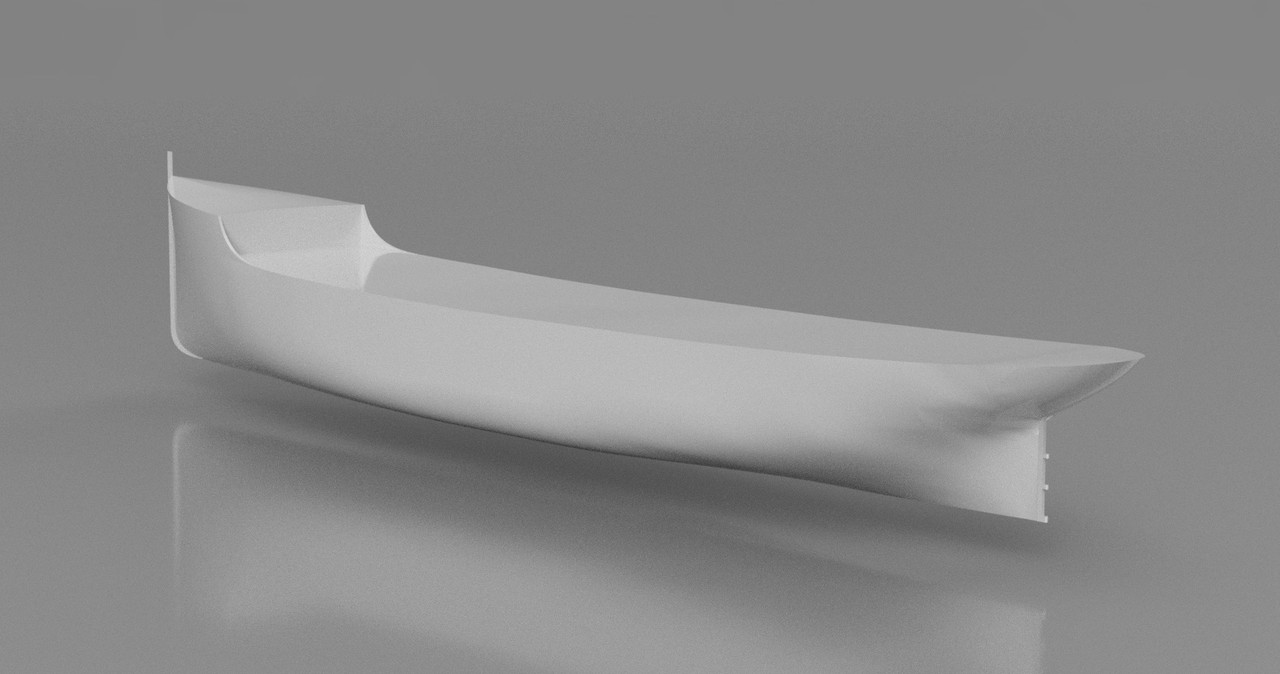
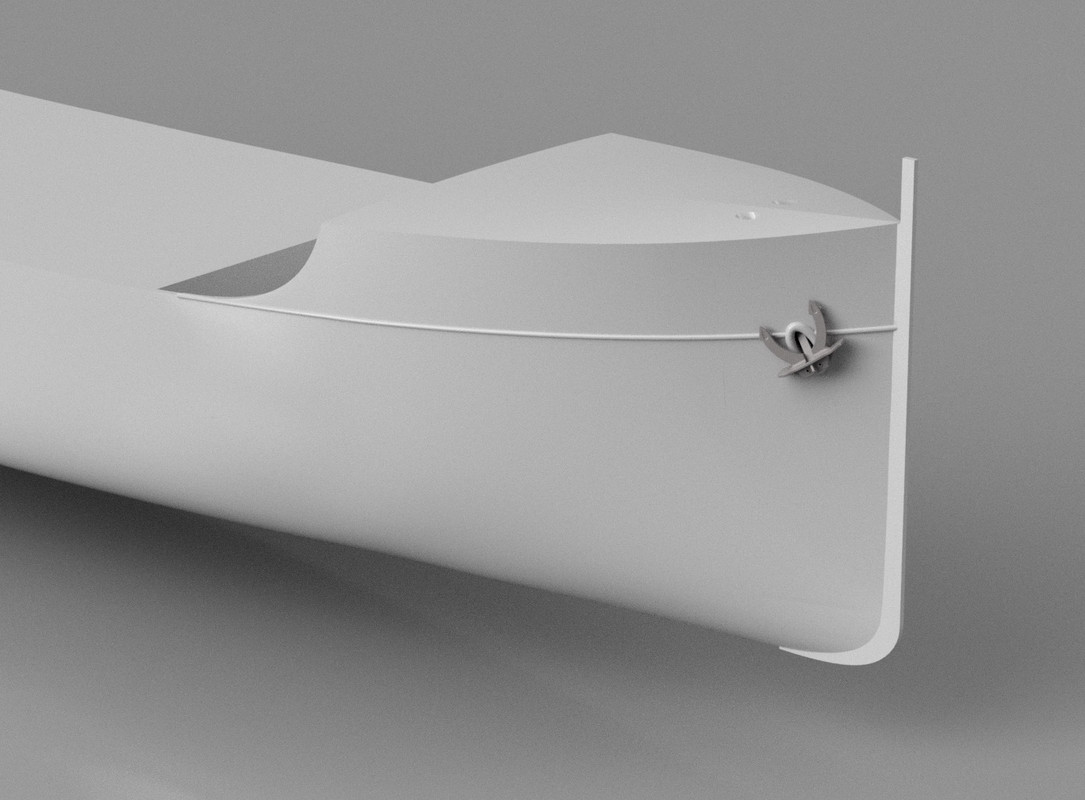
SS Hydrograaf, 1/100 3D, hydrographic ship, Royal Dutch Navy
Posted: Tue Aug 03, 2021 6:30 am
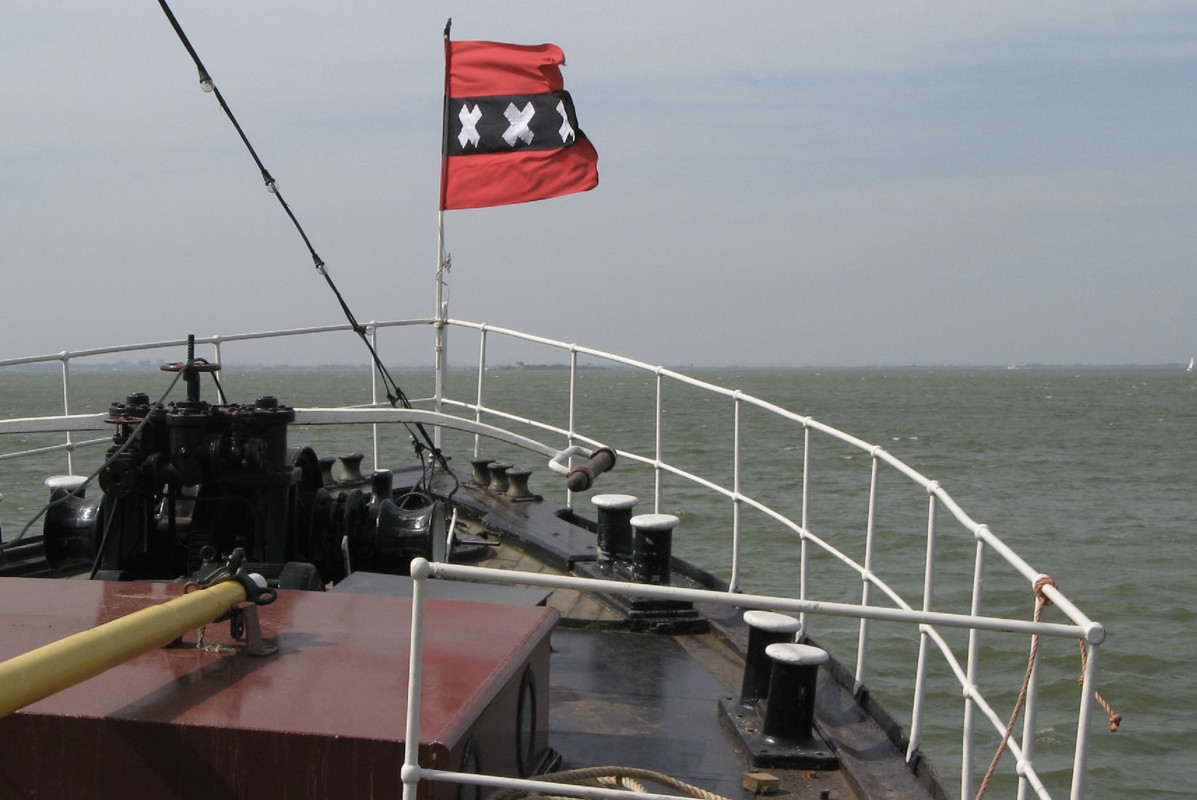
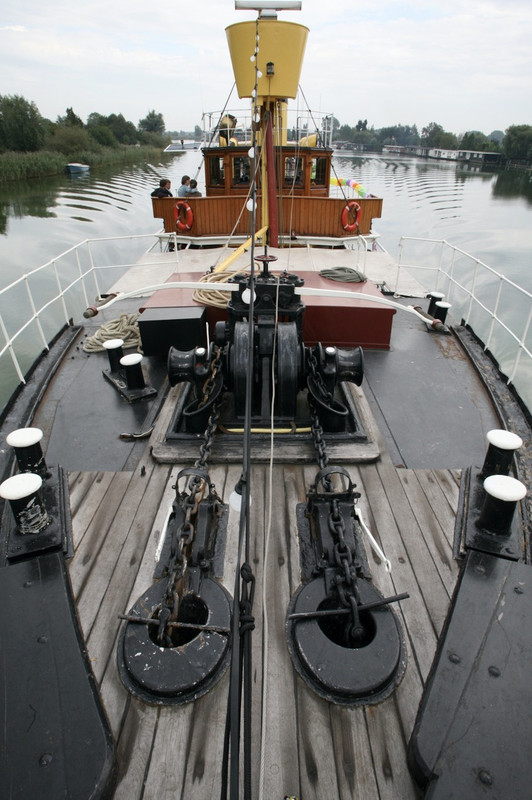
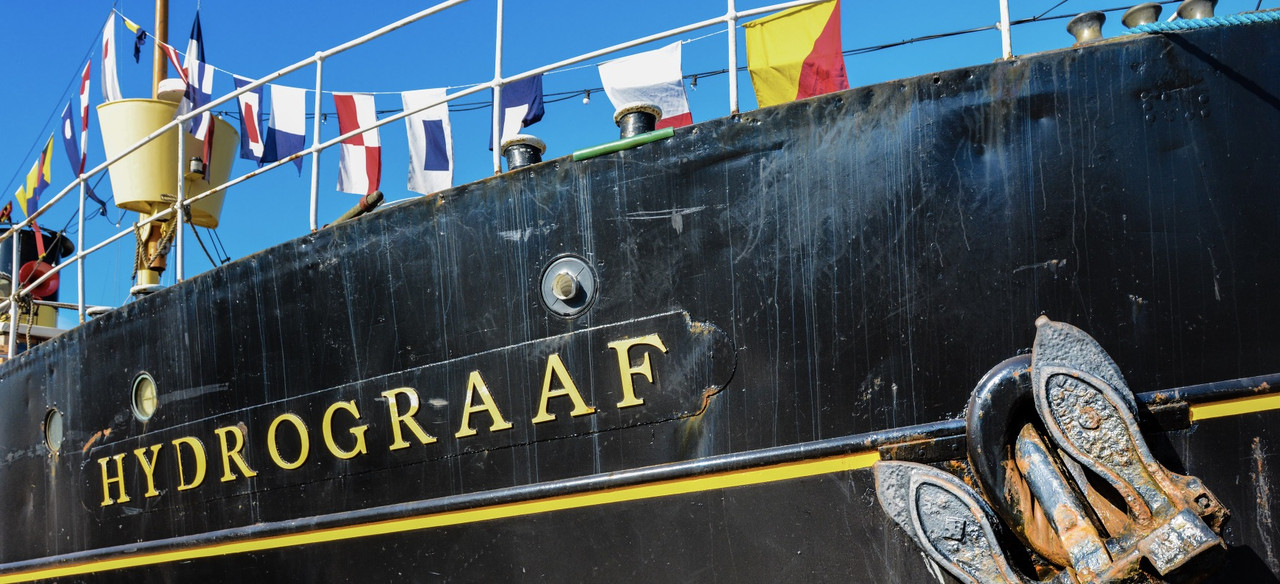
SS Hydrograaf, 1/100, hydrographic ship of the Royal Dutch Navy.
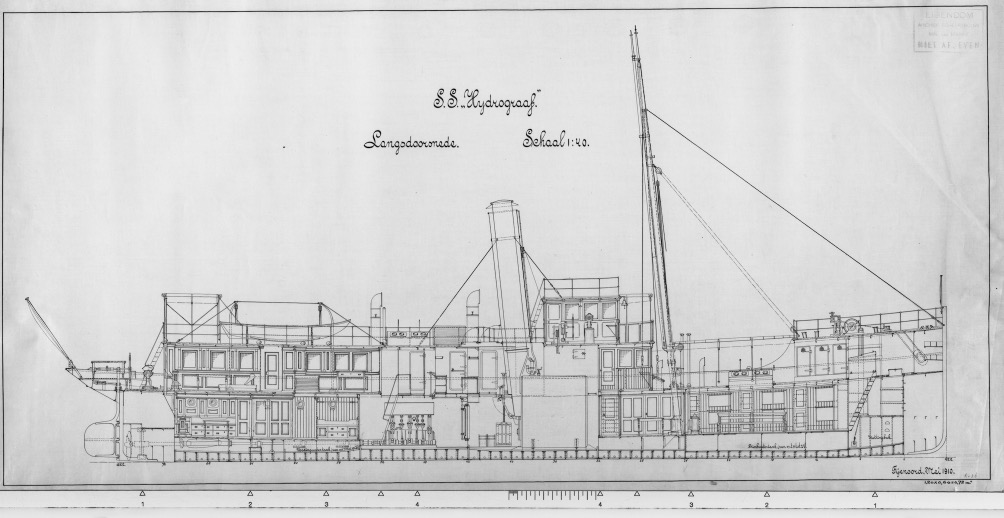
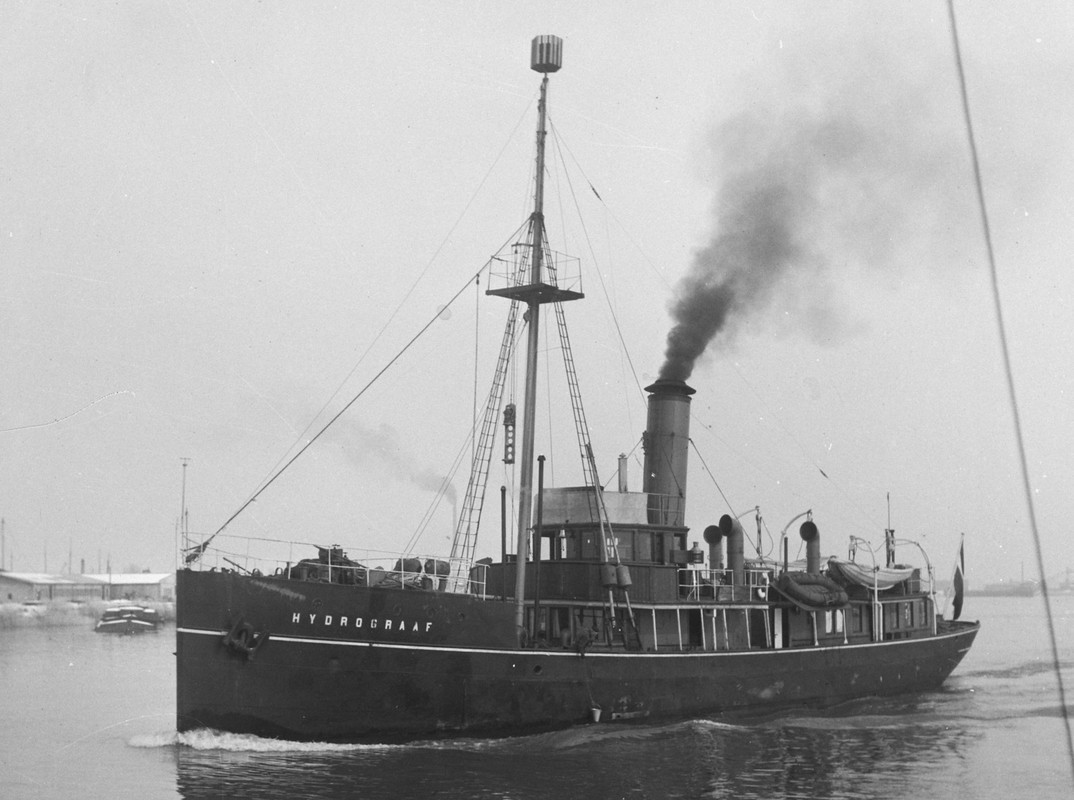
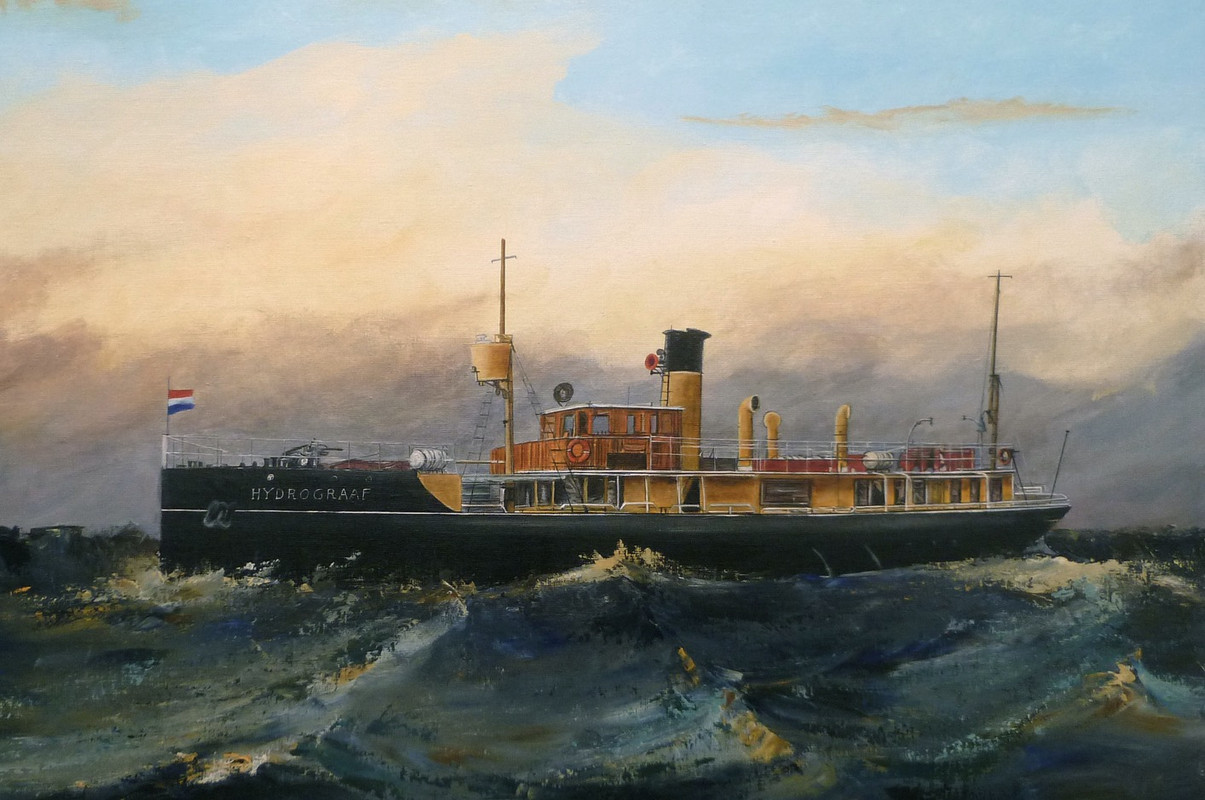
Shipyard: Fijenoord shipbuilding and engineering company in Rotterdam
Keel laying 11 October 1909
Launched 26 January 1910
Employed 4 May 1910
Out of service 16 October 1962
Active status
Home port Den Helder; 1985: Amsterdam
Owners:
Netherlands
Owner 1998 - Rederij de Hydrograaf BV Weesp
Charterer Dutch Glory
Previous owners 1910 Royal Netherlands Navy
1964 Sea Cadet Corps, Rotterdam
1985 The Sailing Museum Ship Foundation, Amsterdam
General characteristics
1910 Hydrographic ship
1985 Saloon boat
Length 40.5 metres
Width 6.70 metres
Draft 1.80 metres
Displacement 297 tonnes
Passengers 200 maximum (since 1985)
Propulsion and power 2 steam engines, two screws, 411 hp
1985: 2 MAN diesel engines, 2 x 480 hp
Speed 10.5 knots
Port of Morlaix (29), France.
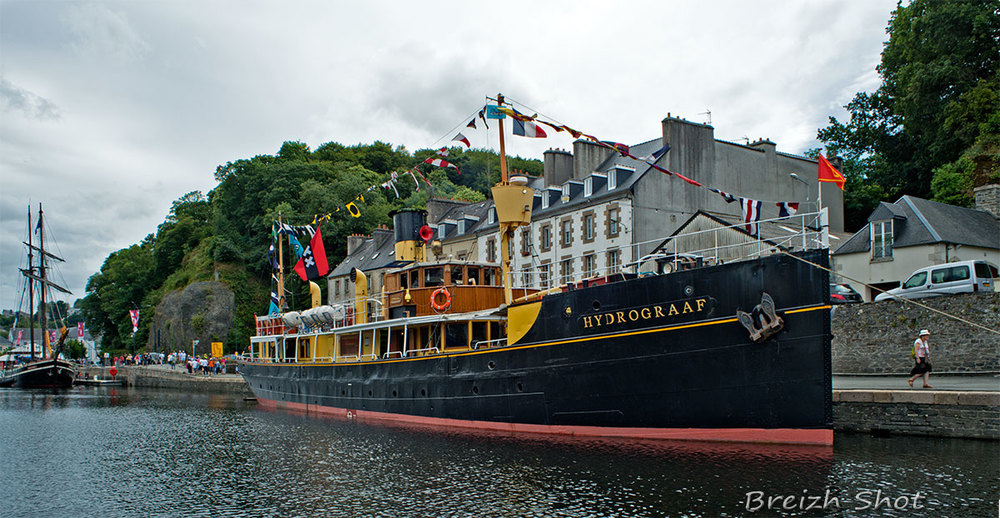
A little history:
The ship was built in 1909-1910 by the Scheeps-en Werktuigbouw Fijenoord in Rotterdam . The ship was launched on 11 October 1909 and launched on 26 January 1910. As was customary at the time, it was a steamship with two coal-fired steam engines. With a draught of only 1.80 metres, she was perfectly capable of operating in the shallow coastal waters of the southwestern Netherlands, the Zuiderzee and the Waddenzee.
On 4 May 1910, the Royal Navy commissioned the Hydrograaf . As a rule, the ship served as a depth survey ship in a particular area from April to October. Outside this season, it was not possible to carry out bathymetric surveys because of the weather. The vessel was officially commissioned and decommissioned for each season. During the winter months the ship usually stayed in Hellevoetsluis or Willemsoord, Den Helder . The ship did not sail in the grey colours of the navy, but had a black hull and yellow superstructure. In 1921 the ship was reinforced by the Eilerts de Haan, built at the same yard.
The Hydrograaf was used several times as a royal yacht during visits of Queen Wilhelmina, Prince Hendrik and Princess Juliana to the waters of South Holland and Zeeland.
There was a cabin below deck at the stern for this purpose. During the royal visit to Zeeland in 1921, the royal party spent the night of 15 to 16 September on board the ship, which was moored in the port of Vlissingen.
In May 1940, the ship left Vlissingen for England. During the Second World War, the ship was used as an accommodation ship for the bomb disposal service. On 25 September 1943, the ship arrived in Harwich to serve as a depot ship. After the conquest of Zeeuws-Vlaanderen, the ship was placed at the disposal of the commander in Zeeland in October 1944. She immediately served again as a survey ship to better map the important access to the port of Antwerp. After the war, the ship returned to the service of the Hydrographic Service. As such, she was withdrawn from service by the Royal Navy on 16 October 1962 and replaced by the modern ship Zeefakkel. She was the last coal-fired steamer of the Royal Navy.
From 30 August to 8 September 2006, the Hydrograaf was used as a stage for the theatrical performance of The Sinking of the Titanic, one of the open-air performances at the Zeeland Nazomer Festival. The audience was taken on a journey through Zeeland's waters from various ports, during which the story of the sinking of the Titanic was told as a metaphor for the decline of Western civilisation during a tour of the ship.
Wiki.
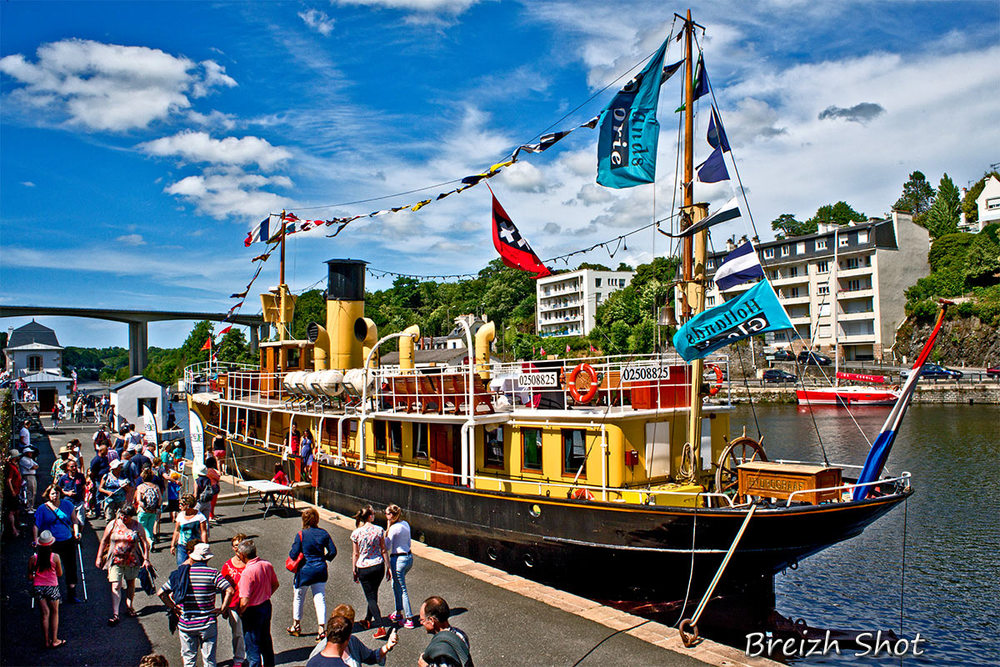
This ship often comes to France, in summer, during the various national maritime festivals, such as "Tonnerre de Brest", La semaine du Golf du Morbihan, Terre et Mer etc.
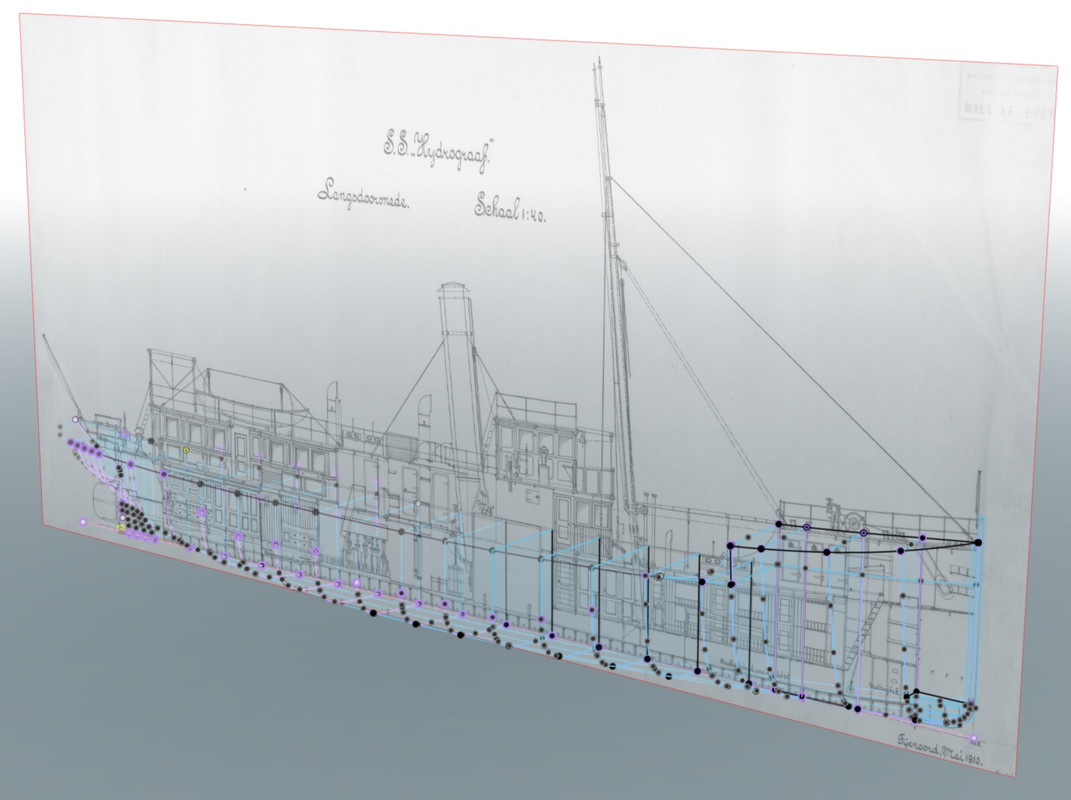
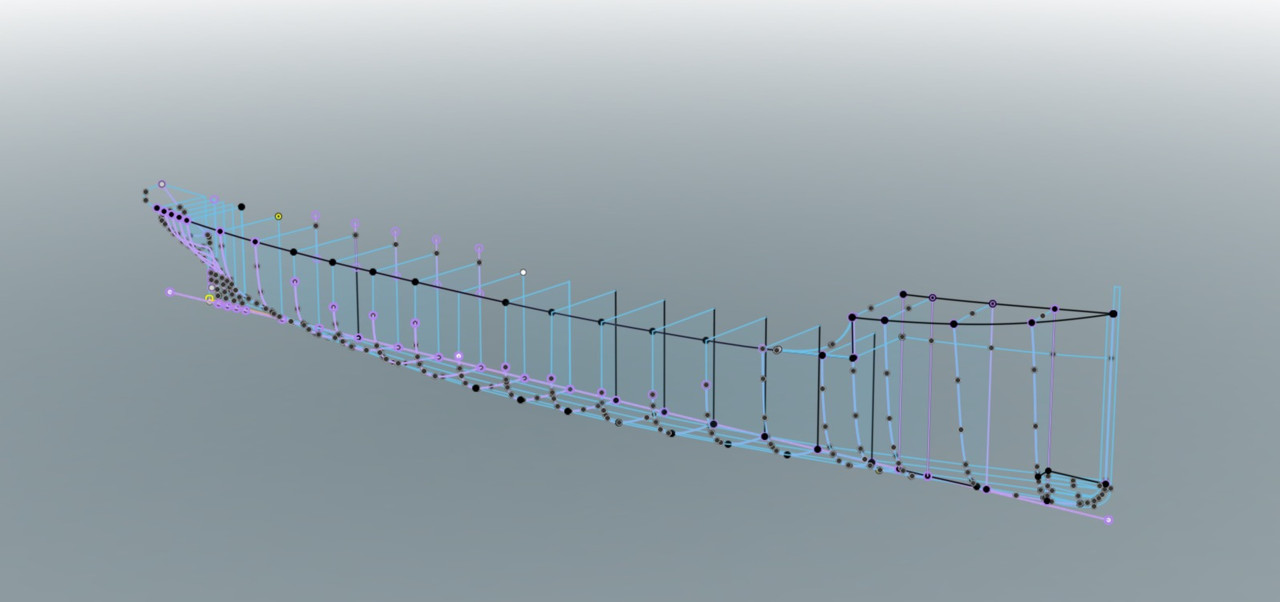
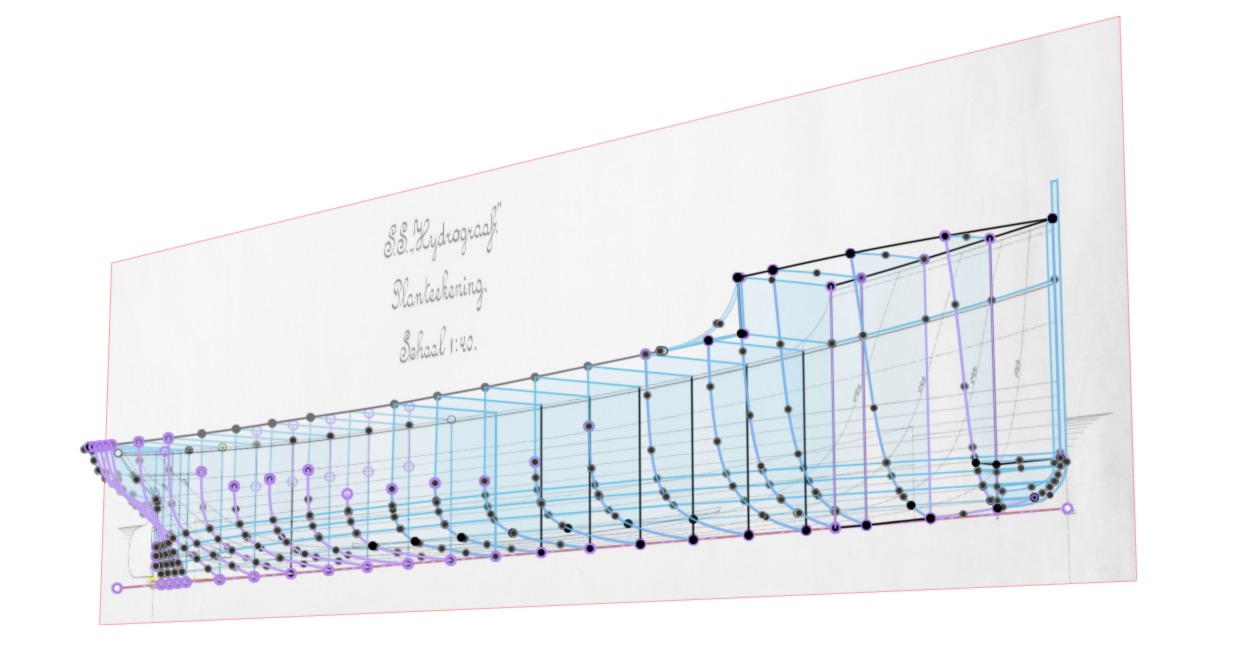
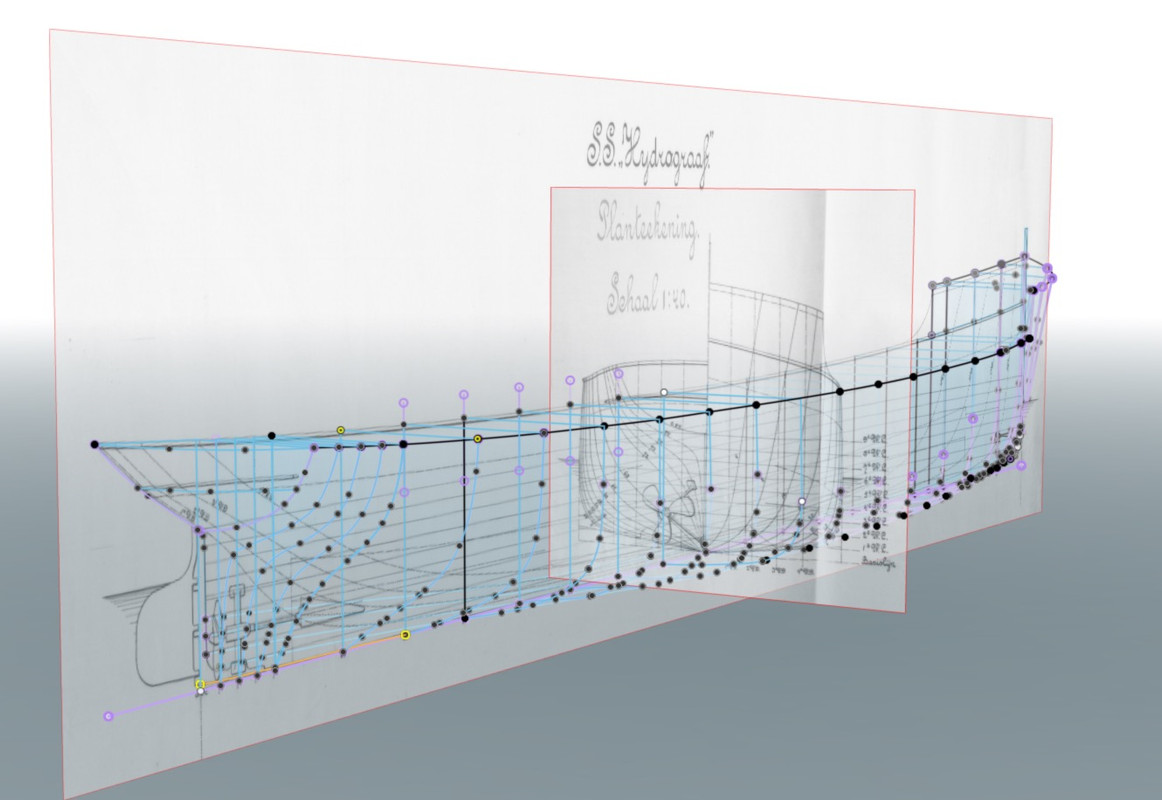
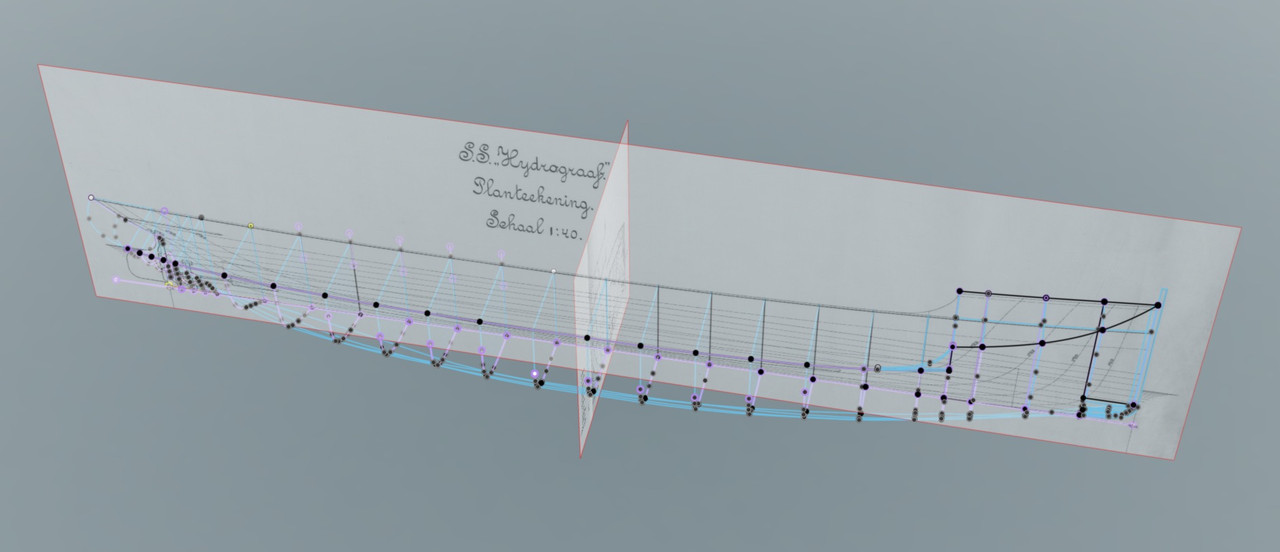
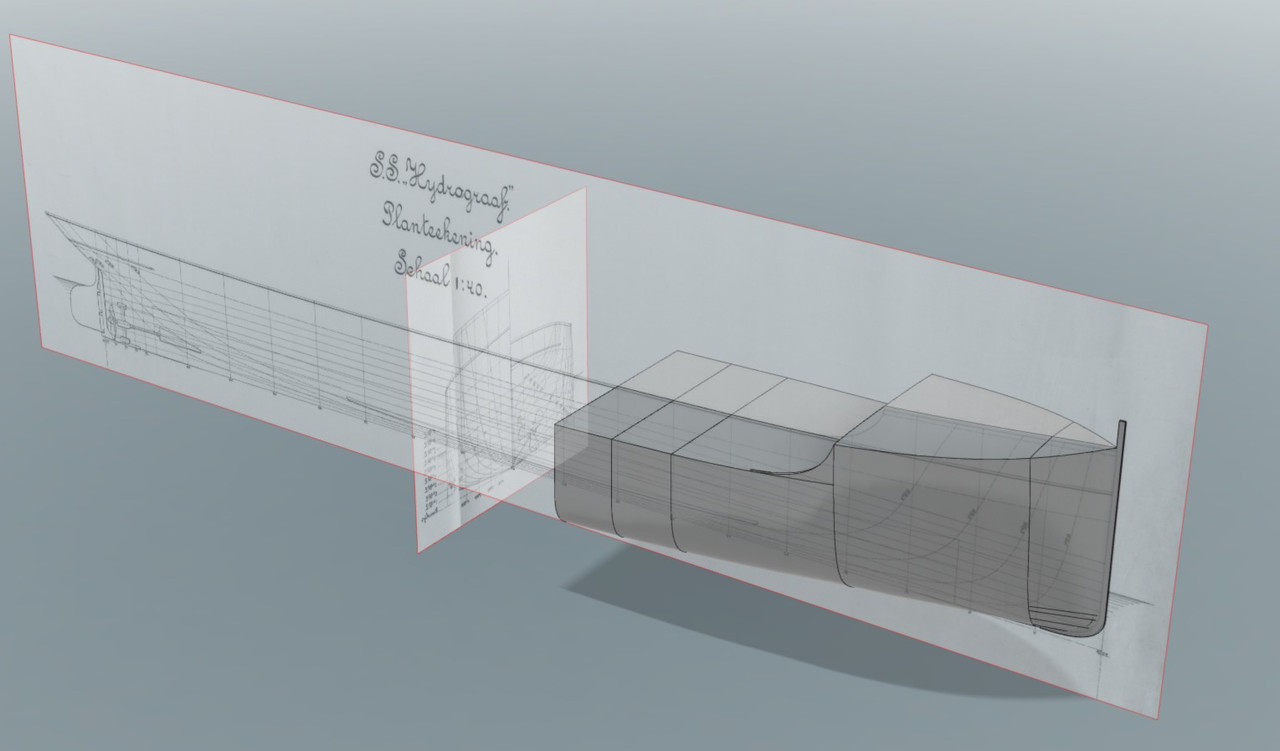
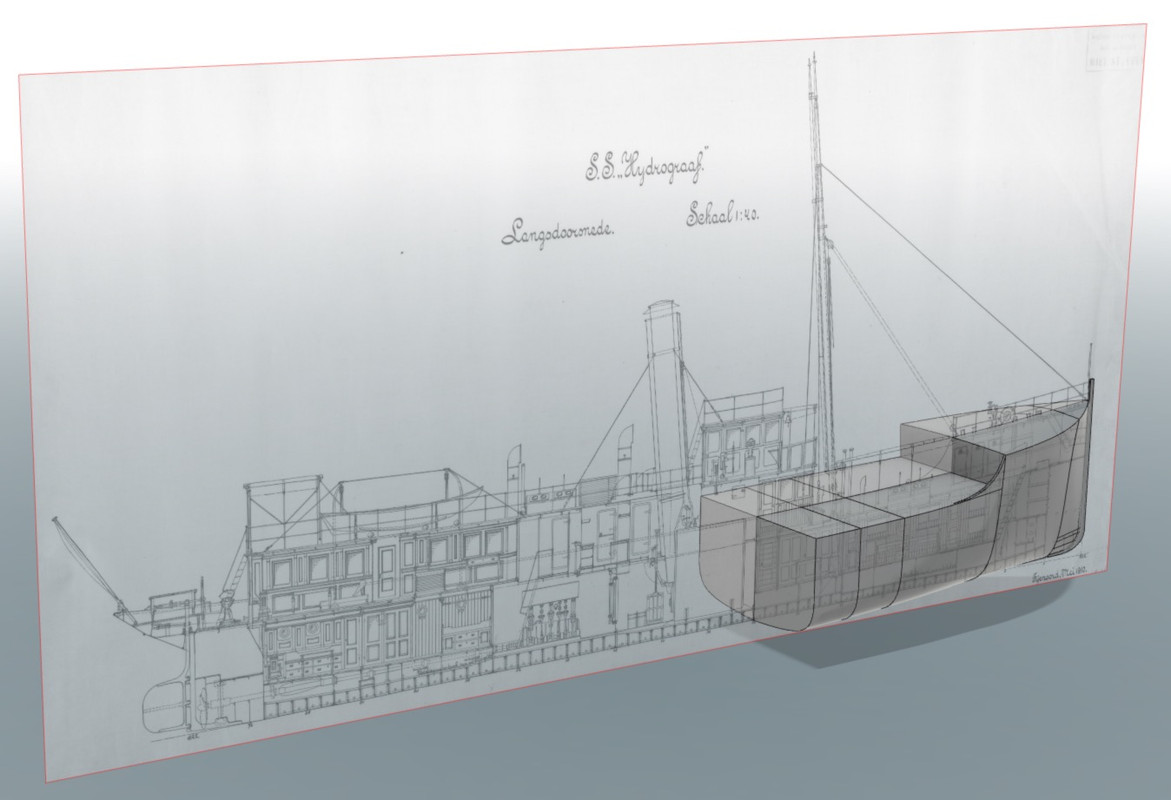
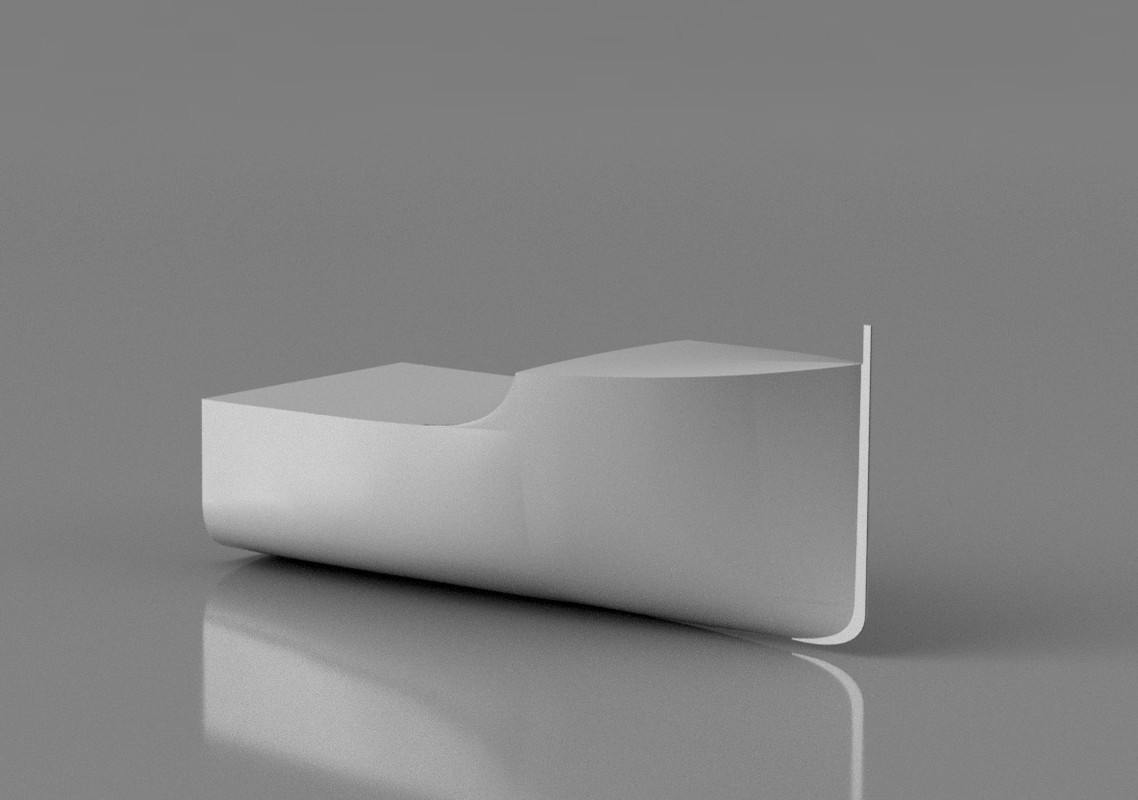
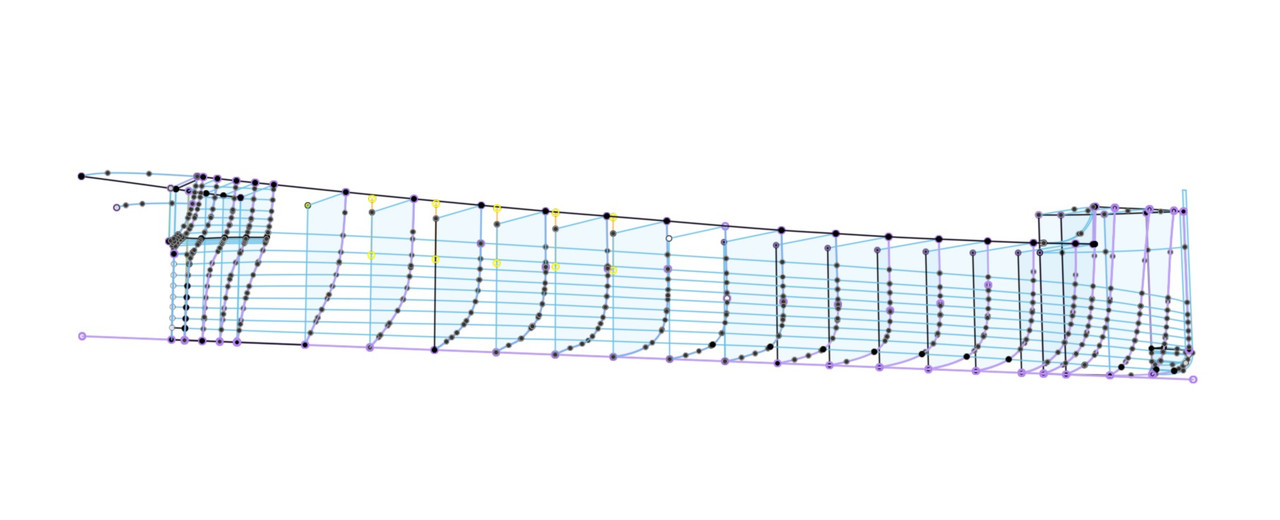
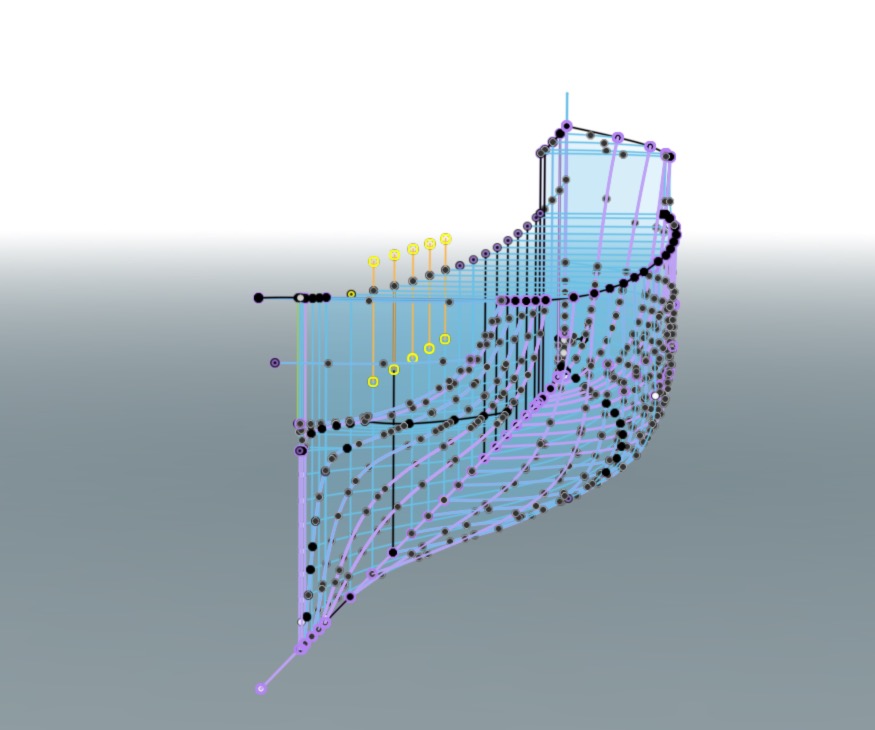
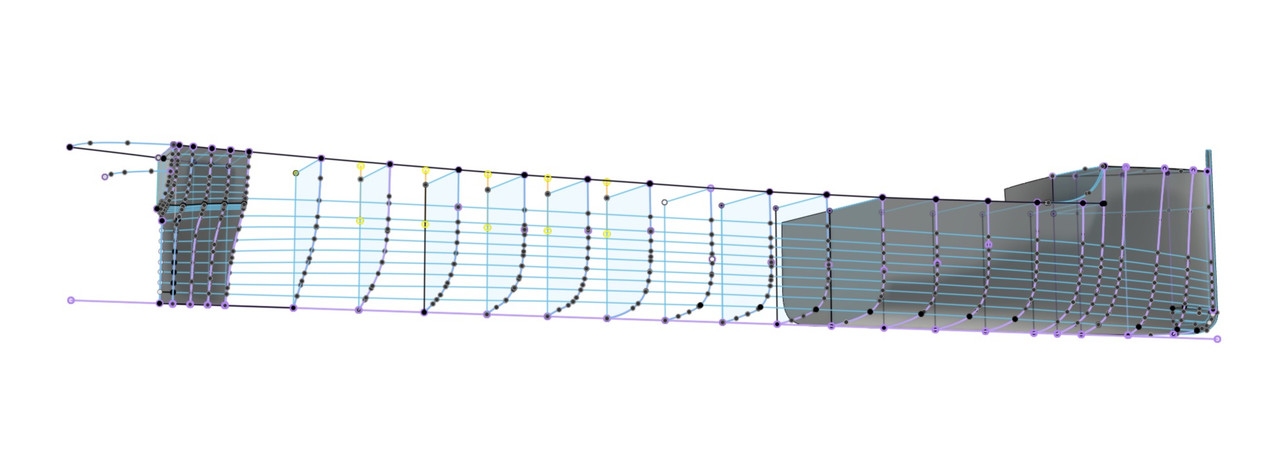
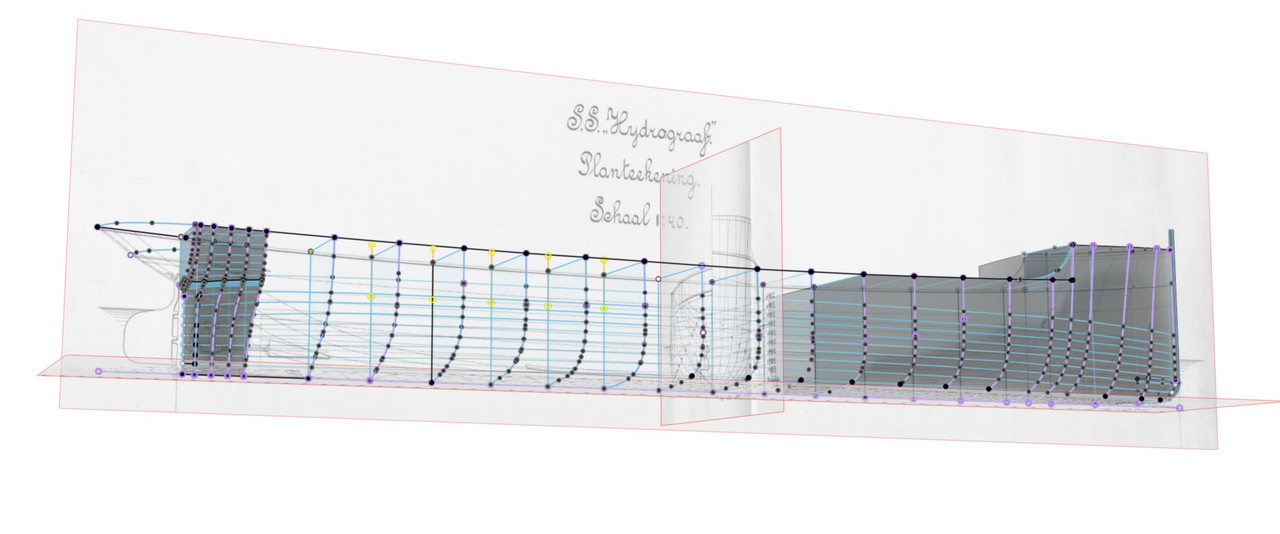
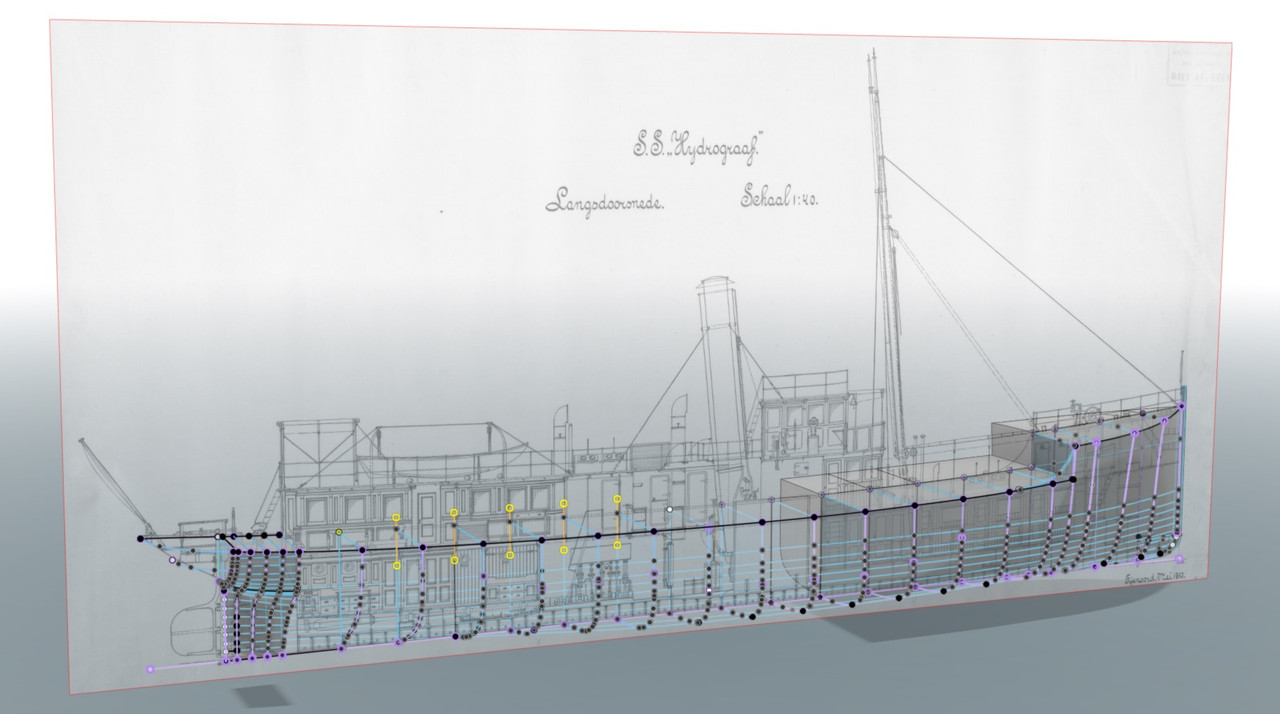
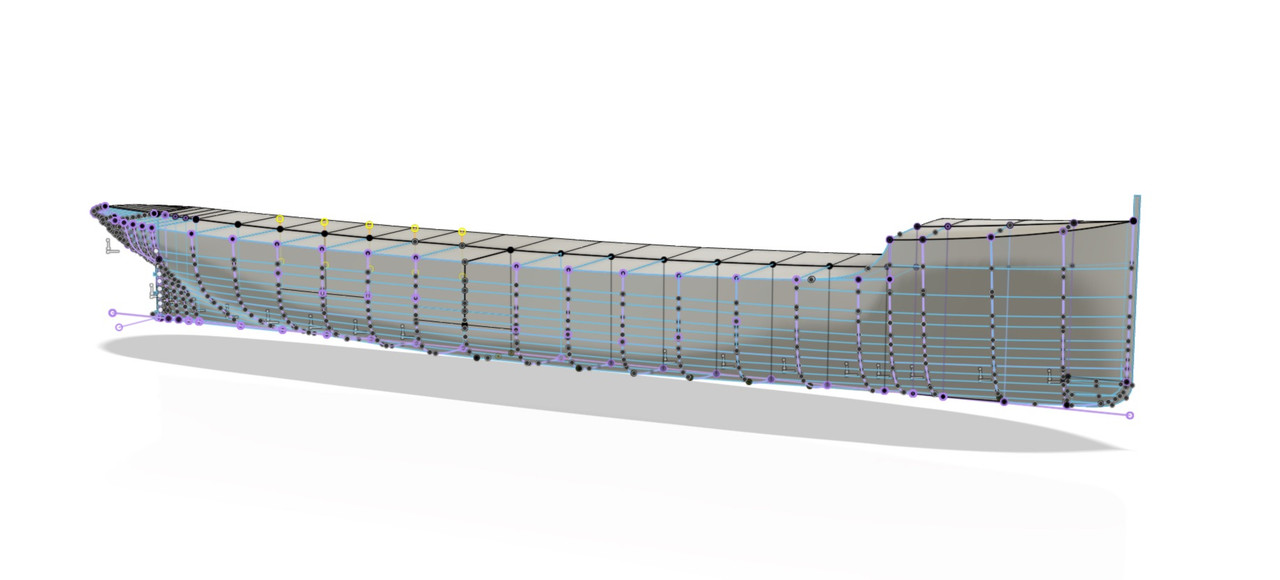
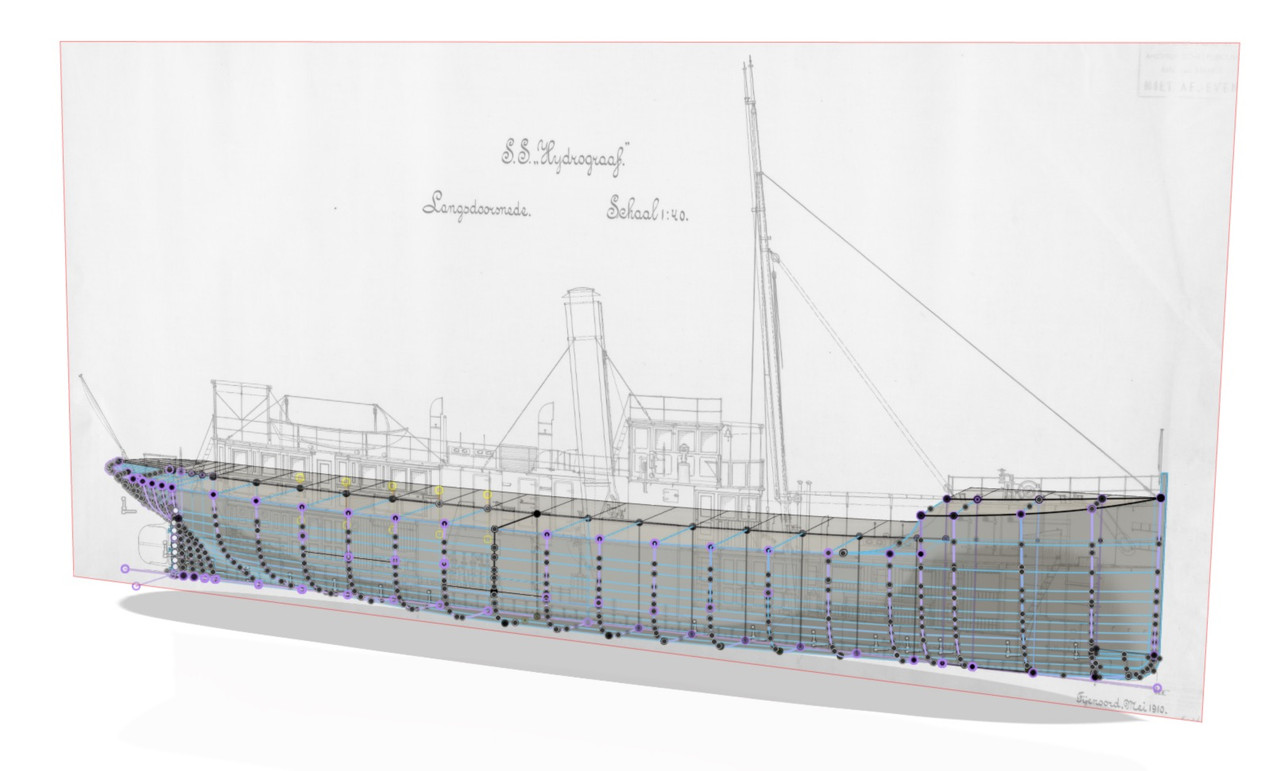
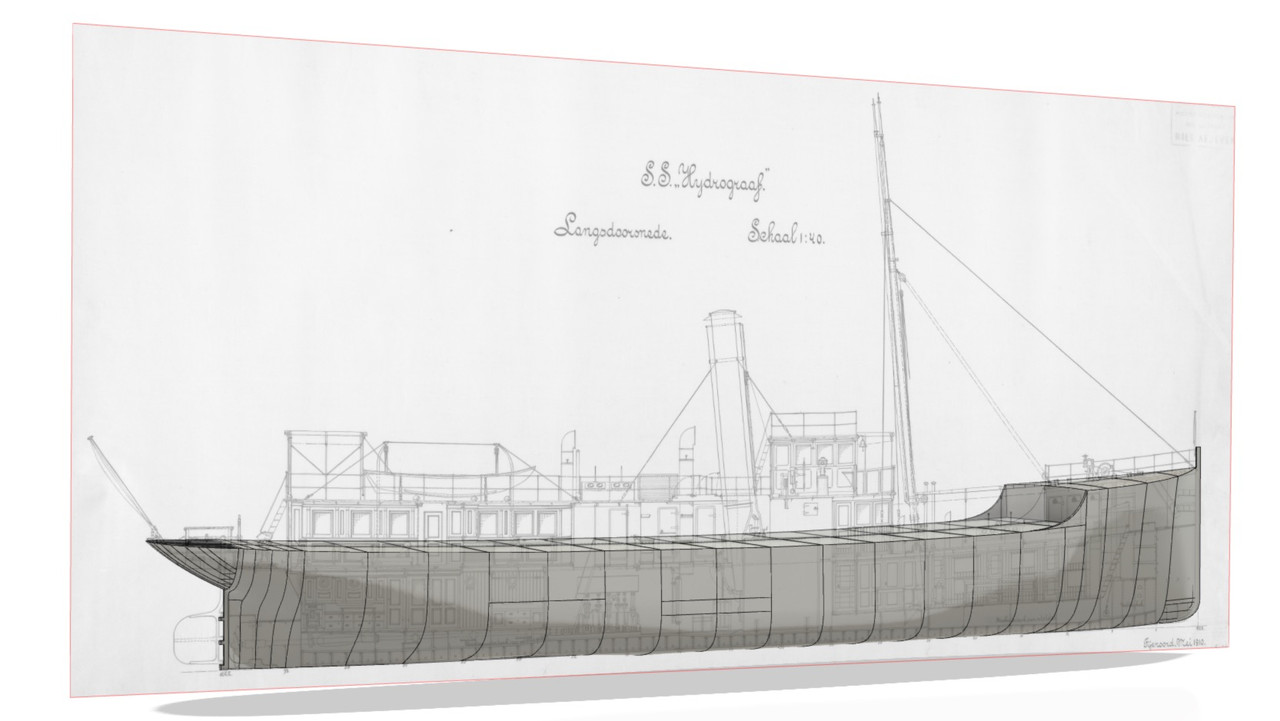
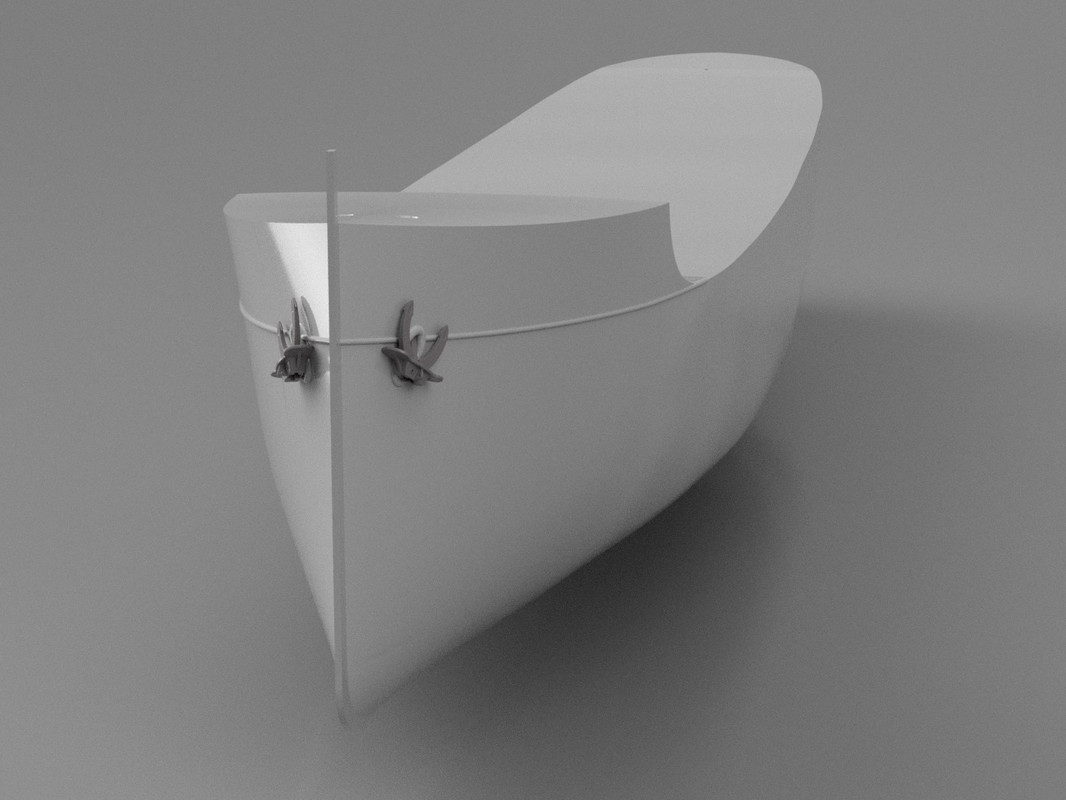
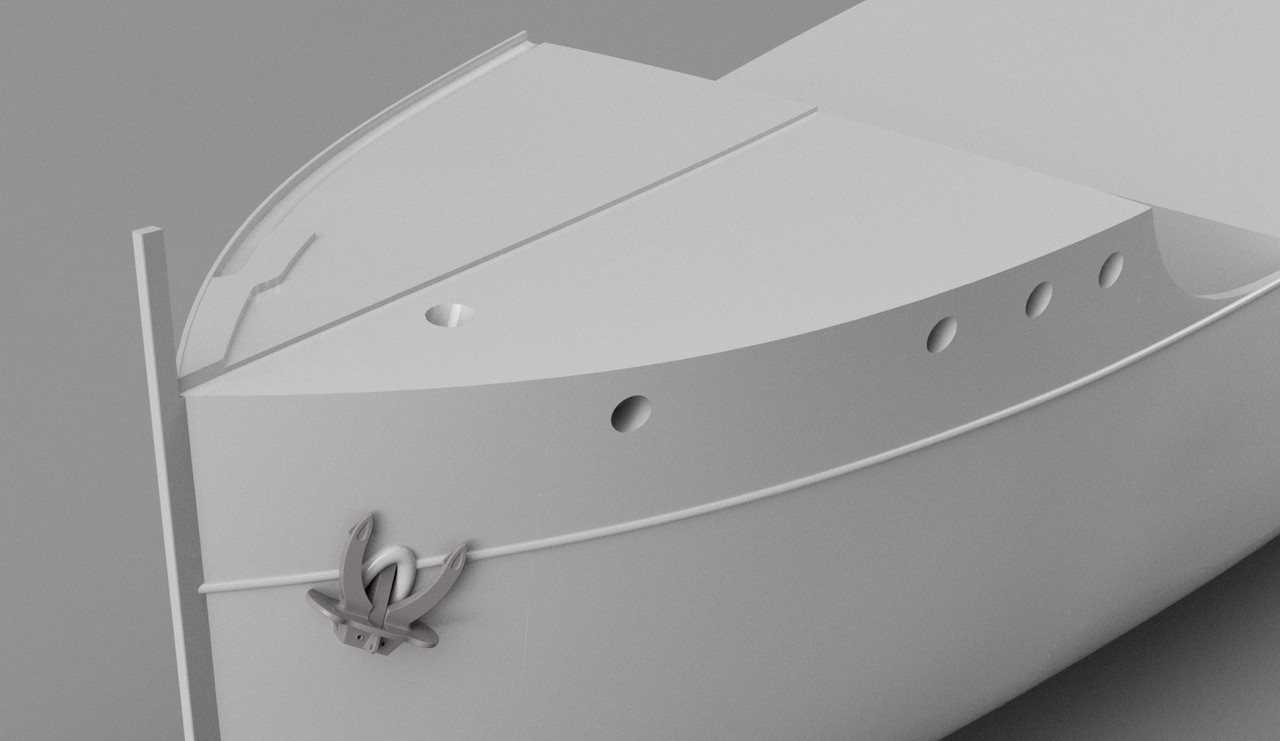
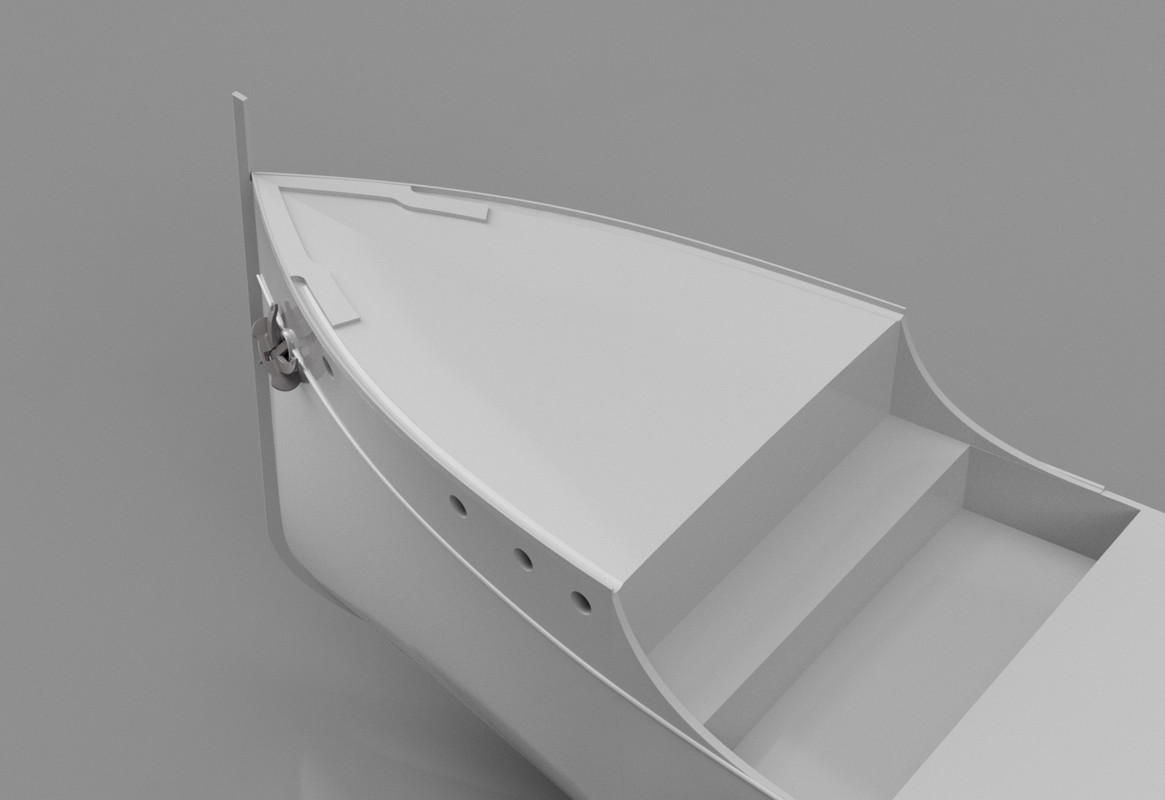
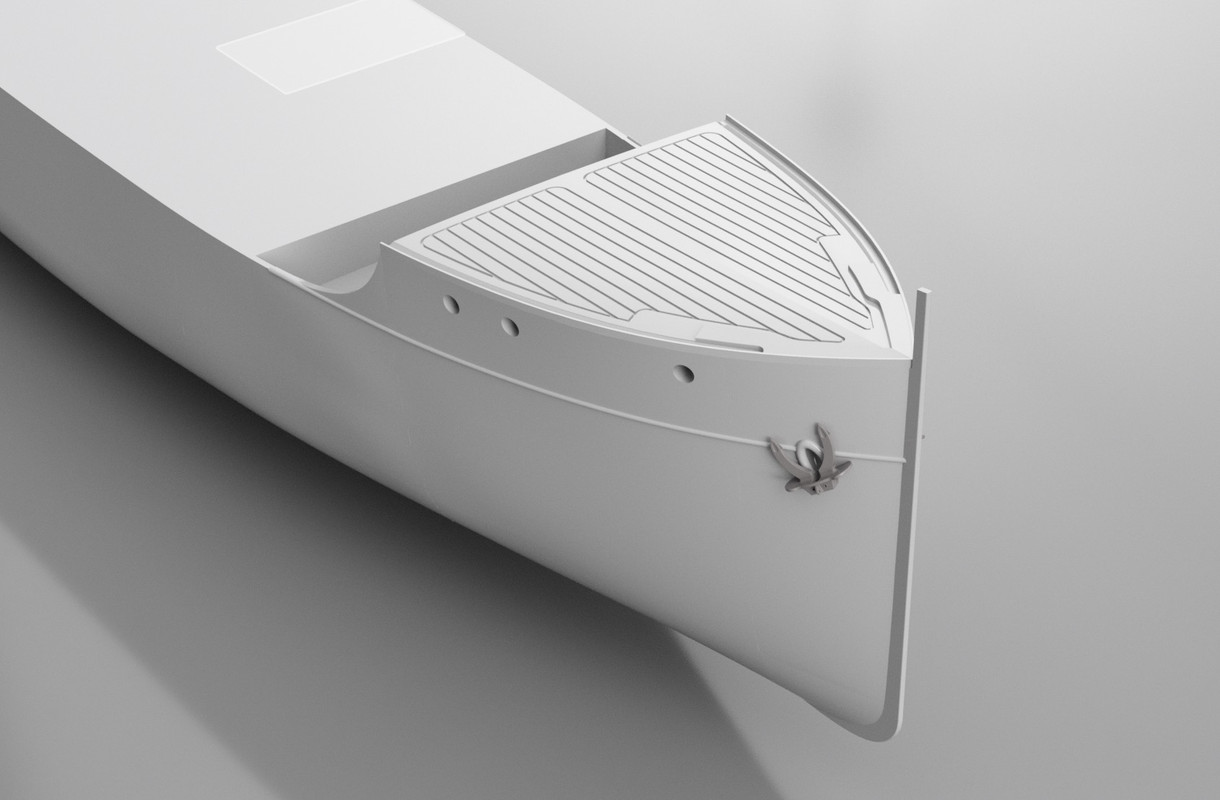
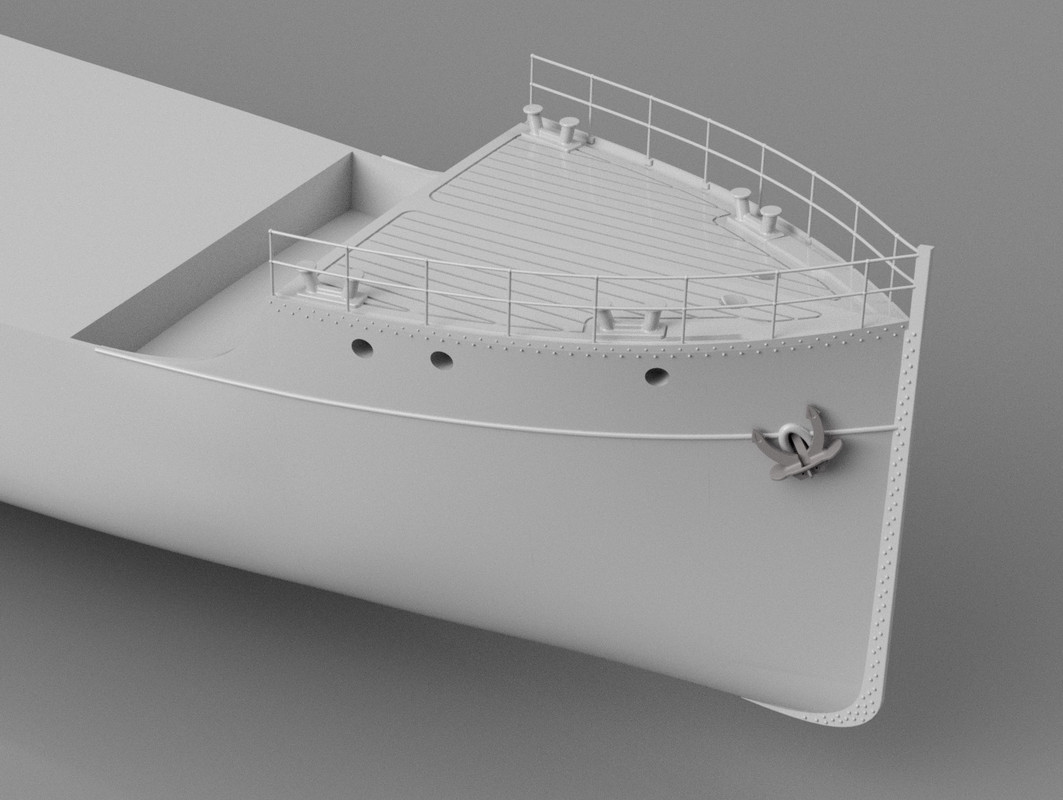
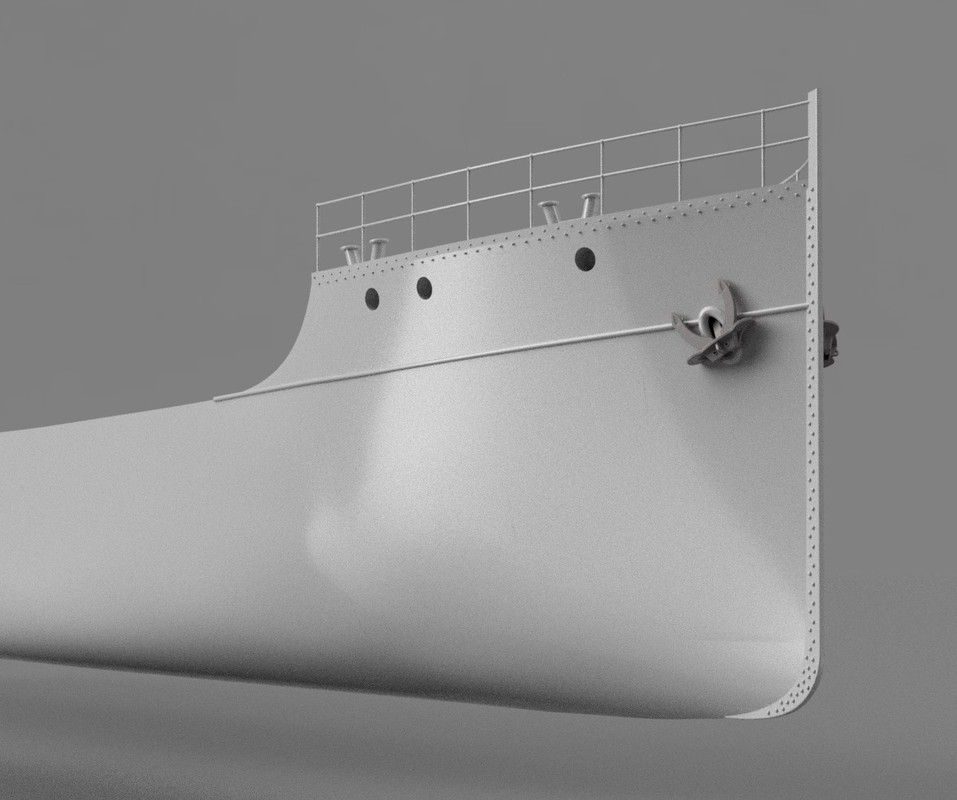
Thanks to Roland for finding me the necessary plans to draw the hull in 3D.
At 1/100 the ship will be 40.5 cm long overall.
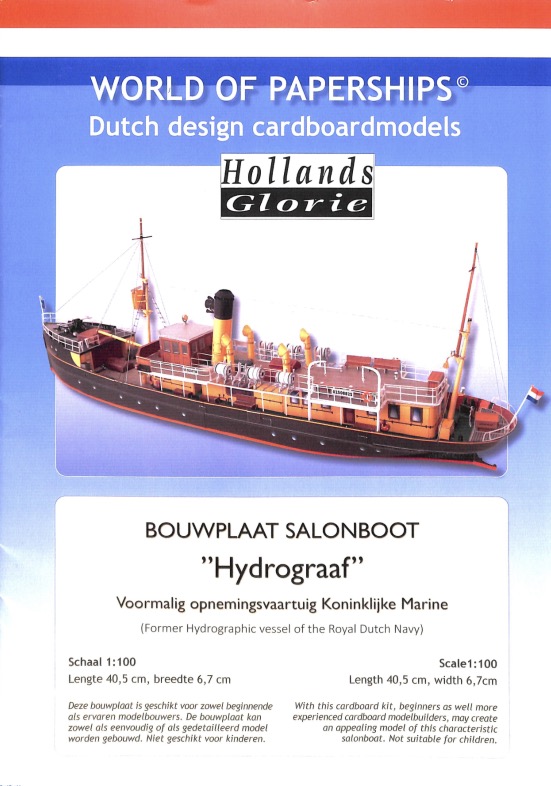
A nice model never reproduced in plastic, there is a paper/cardboard version.
https://www.postbeeld.nl/vnhphydro100-s ... hydrograaf
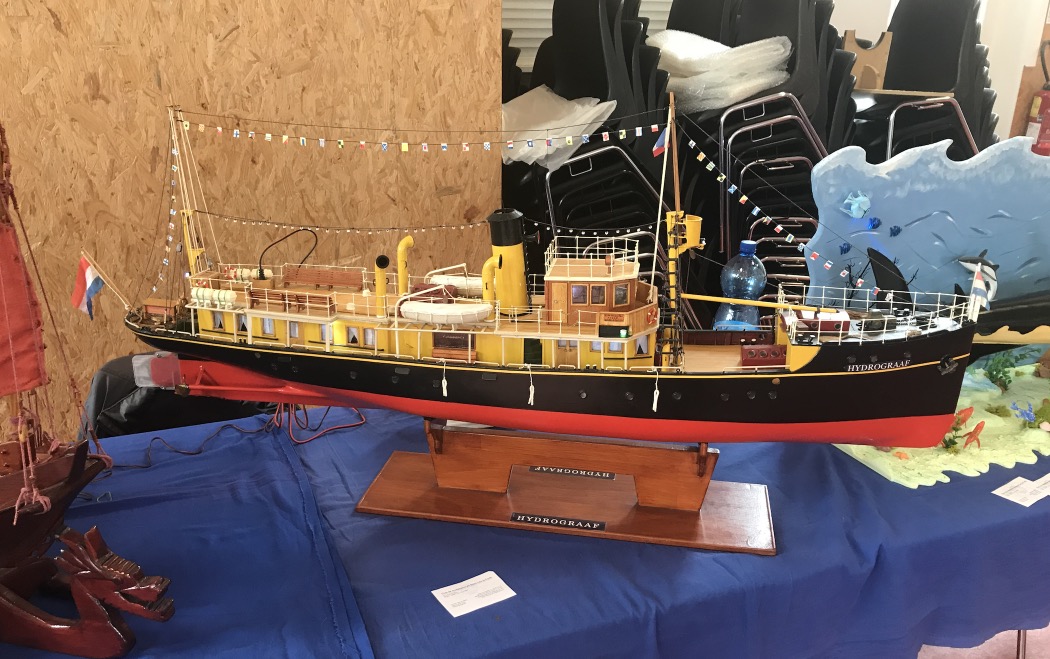
Some nice examples exist in a large scale sailing version.
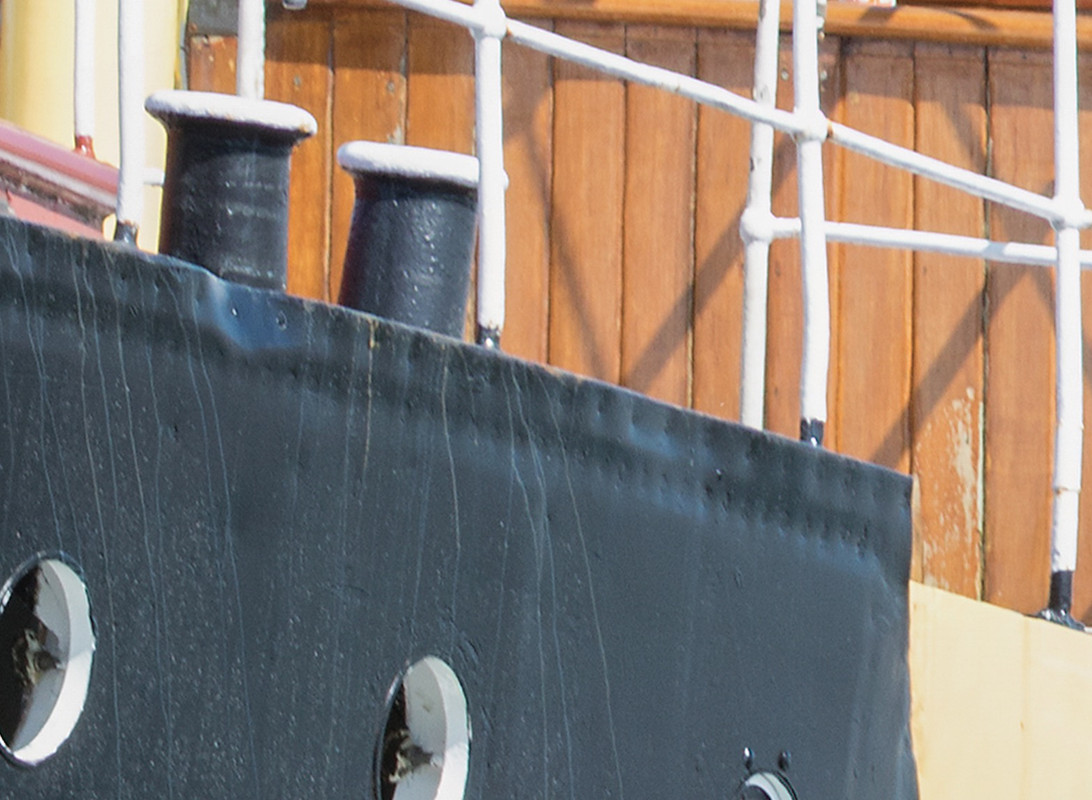
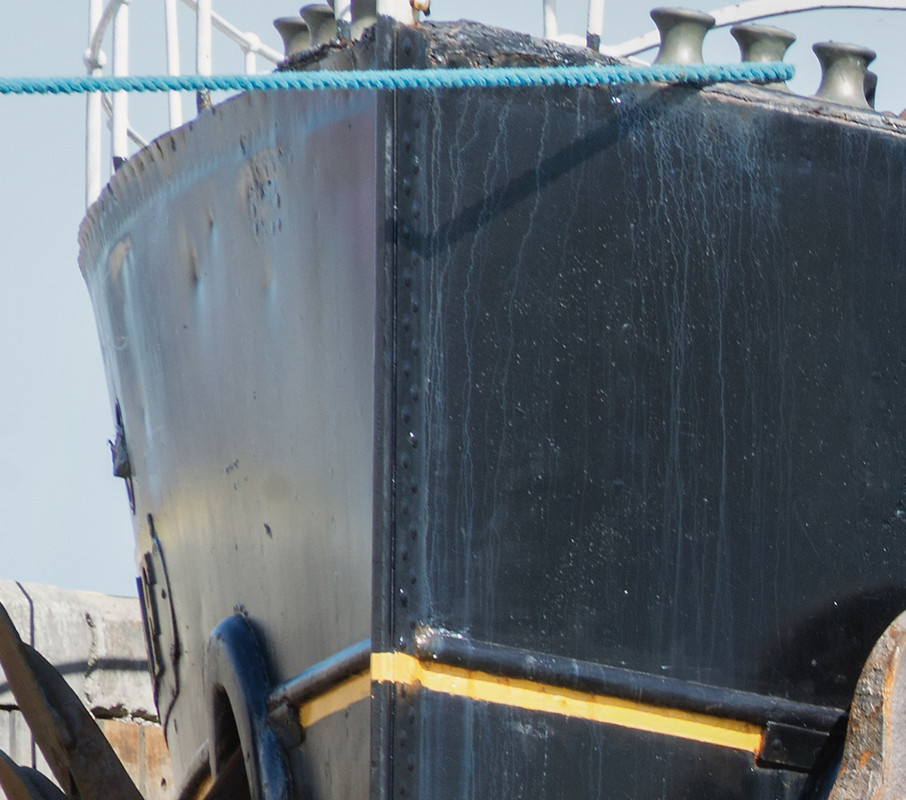
I had the chance to see her several times, at Brest 2000, at sea, and more closely in the port of Morlaix, which is what gave me the idea to reproduce this elegant ship in 3D printing lately.
The version will probably be the 1910 one, at least with the elements I have at the moment.
Shipyard: Fijenoord shipbuilding and engineering company in Rotterdam
Keel laying 11 October 1909
Launched 26 January 1910
Employed 4 May 1910
Out of service 16 October 1962
Active status
Home port Den Helder; 1985: Amsterdam
Owners:
Netherlands
Owner 1998 - Rederij de Hydrograaf BV Weesp
Charterer Dutch Glory
Previous owners 1910 Royal Netherlands Navy
1964 Sea Cadet Corps, Rotterdam
1985 The Sailing Museum Ship Foundation, Amsterdam
General characteristics
1910 Hydrographic ship
1985 Saloon boat
Length 40.5 metres
Width 6.70 metres
Draft 1.80 metres
Displacement 297 tonnes
Passengers 200 maximum (since 1985)
Propulsion and power 2 steam engines, two screws, 411 hp
1985: 2 MAN diesel engines, 2 x 480 hp
Speed 10.5 knots
Port of Morlaix (29), France.
A little history:
The ship was built in 1909-1910 by the Scheeps-en Werktuigbouw Fijenoord in Rotterdam . The ship was launched on 11 October 1909 and launched on 26 January 1910. As was customary at the time, it was a steamship with two coal-fired steam engines. With a draught of only 1.80 metres, she was perfectly capable of operating in the shallow coastal waters of the southwestern Netherlands, the Zuiderzee and the Waddenzee.
On 4 May 1910, the Royal Navy commissioned the Hydrograaf . As a rule, the ship served as a depth survey ship in a particular area from April to October. Outside this season, it was not possible to carry out bathymetric surveys because of the weather. The vessel was officially commissioned and decommissioned for each season. During the winter months the ship usually stayed in Hellevoetsluis or Willemsoord, Den Helder . The ship did not sail in the grey colours of the navy, but had a black hull and yellow superstructure. In 1921 the ship was reinforced by the Eilerts de Haan, built at the same yard.
The Hydrograaf was used several times as a royal yacht during visits of Queen Wilhelmina, Prince Hendrik and Princess Juliana to the waters of South Holland and Zeeland.
There was a cabin below deck at the stern for this purpose. During the royal visit to Zeeland in 1921, the royal party spent the night of 15 to 16 September on board the ship, which was moored in the port of Vlissingen.
In May 1940, the ship left Vlissingen for England. During the Second World War, the ship was used as an accommodation ship for the bomb disposal service. On 25 September 1943, the ship arrived in Harwich to serve as a depot ship. After the conquest of Zeeuws-Vlaanderen, the ship was placed at the disposal of the commander in Zeeland in October 1944. She immediately served again as a survey ship to better map the important access to the port of Antwerp. After the war, the ship returned to the service of the Hydrographic Service. As such, she was withdrawn from service by the Royal Navy on 16 October 1962 and replaced by the modern ship Zeefakkel. She was the last coal-fired steamer of the Royal Navy.
From 30 August to 8 September 2006, the Hydrograaf was used as a stage for the theatrical performance of The Sinking of the Titanic, one of the open-air performances at the Zeeland Nazomer Festival. The audience was taken on a journey through Zeeland's waters from various ports, during which the story of the sinking of the Titanic was told as a metaphor for the decline of Western civilisation during a tour of the ship.
Wiki.
This ship often comes to France, in summer, during the various national maritime festivals, such as "Tonnerre de Brest", La semaine du Golf du Morbihan, Terre et Mer etc.
Thanks to Roland for finding me the necessary plans to draw the hull in 3D.
At 1/100 the ship will be 40.5 cm long overall.
A nice model never reproduced in plastic, there is a paper/cardboard version.
https://www.postbeeld.nl/vnhphydro100-s ... hydrograaf
Some nice examples exist in a large scale sailing version.
I had the chance to see her several times, at Brest 2000, at sea, and more closely in the port of Morlaix, which is what gave me the idea to reproduce this elegant ship in 3D printing lately.
The version will probably be the 1910 one, at least with the elements I have at the moment.