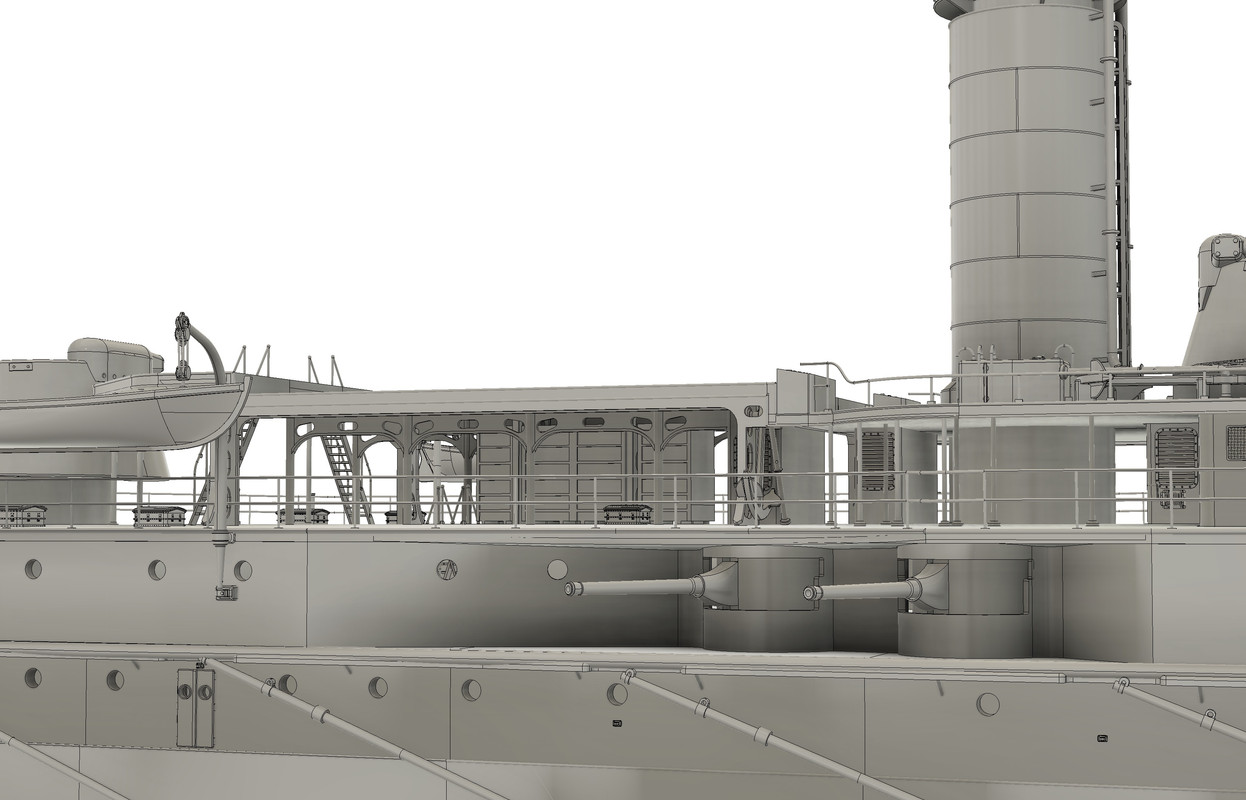
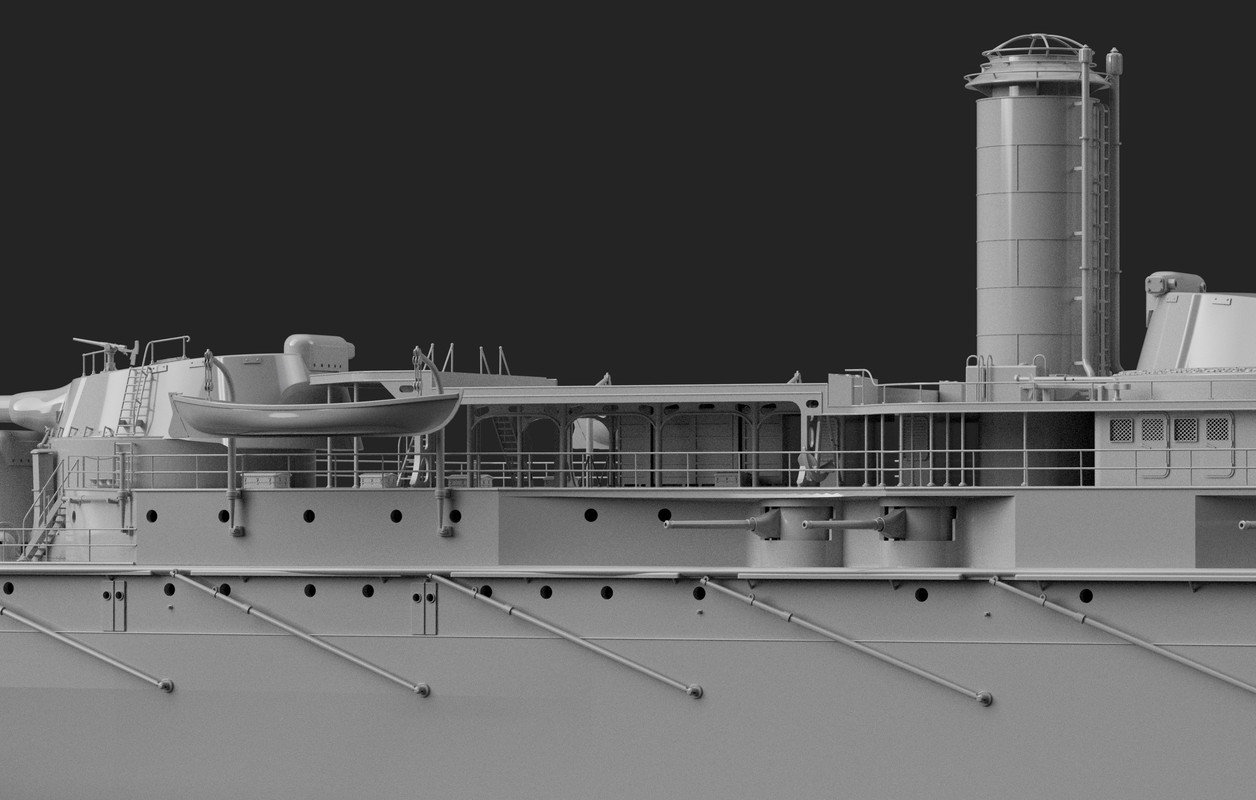
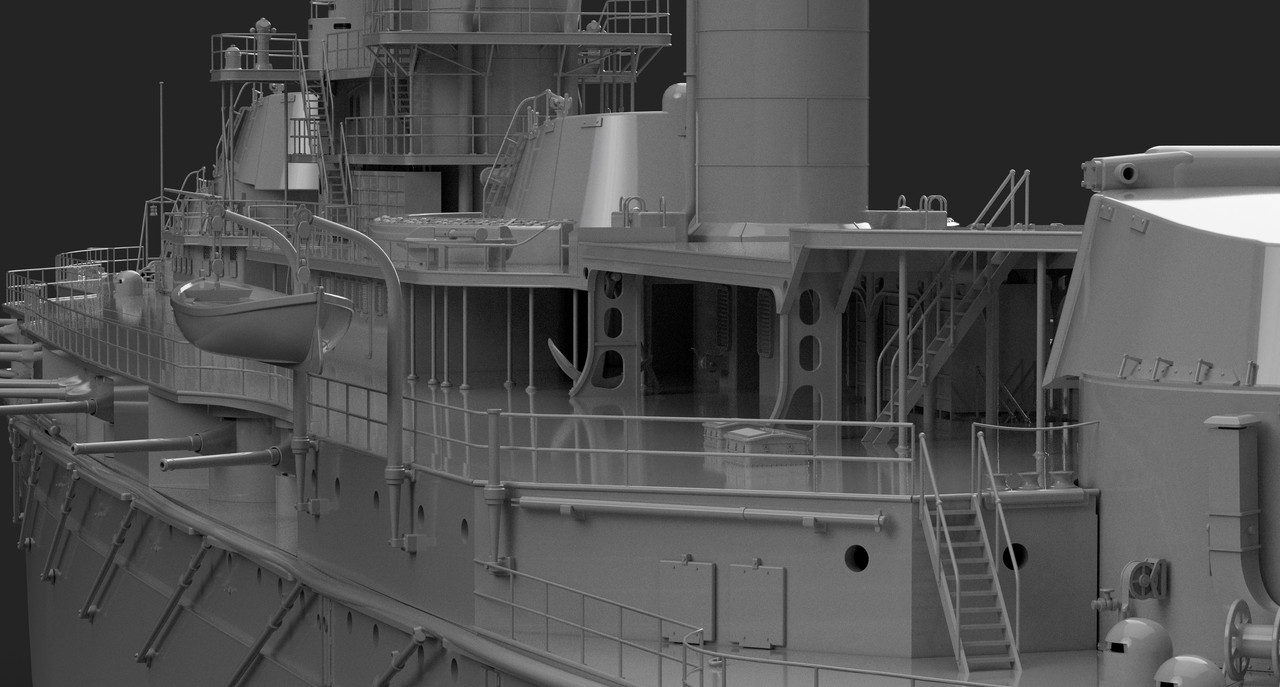
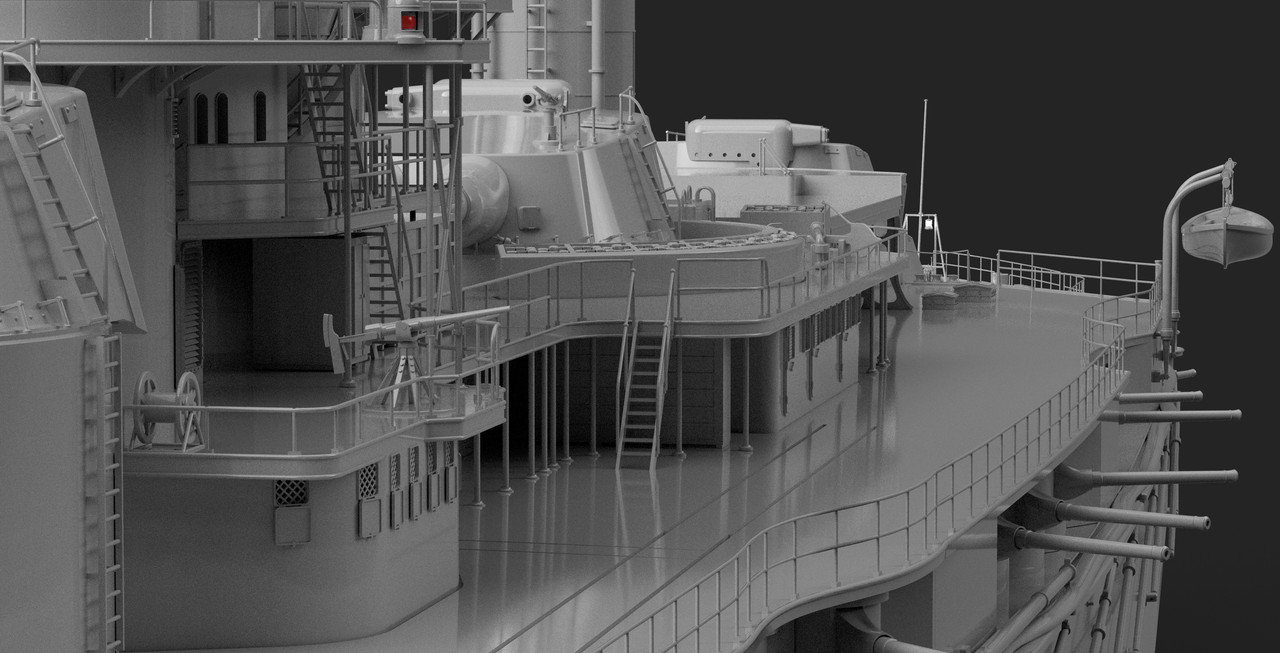
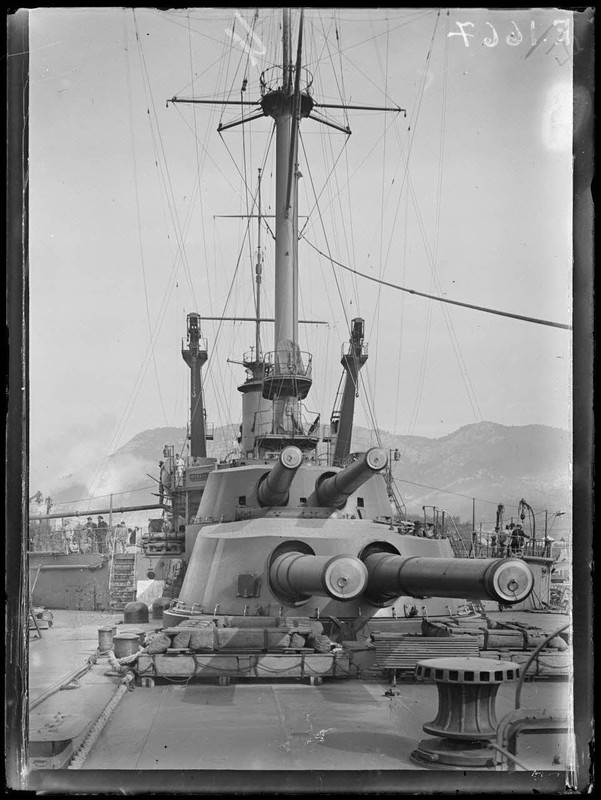
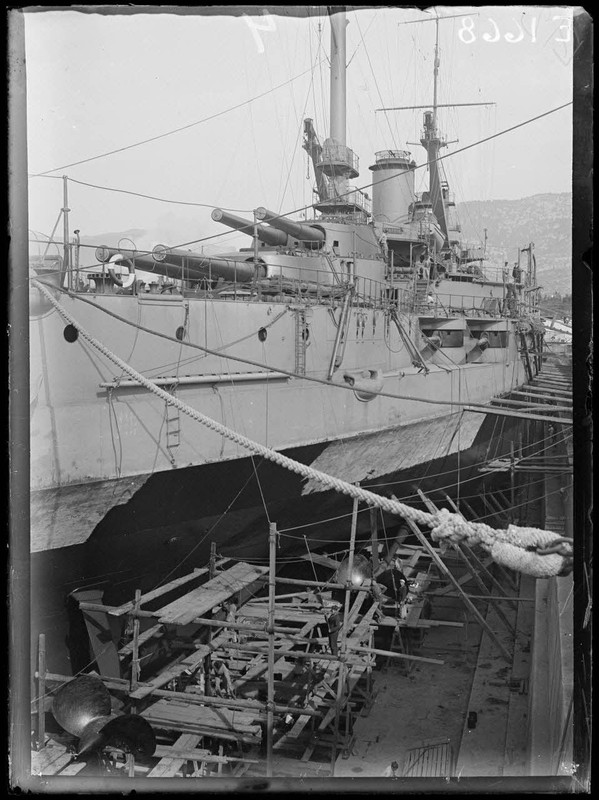
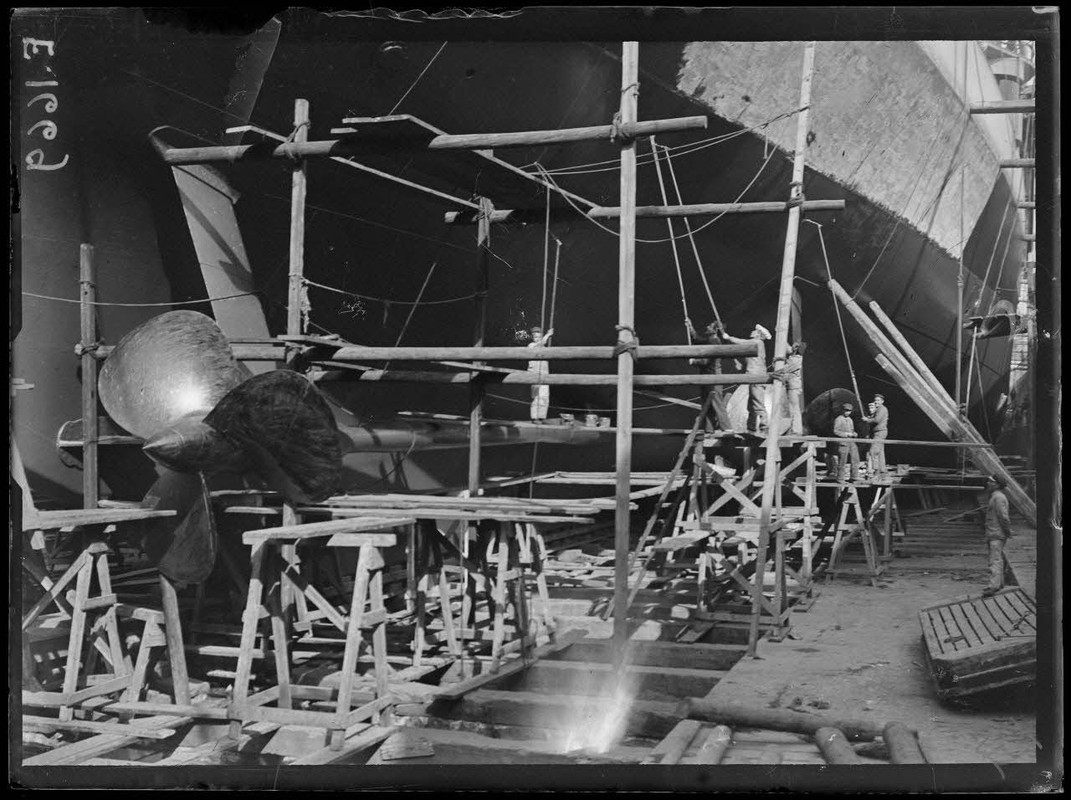
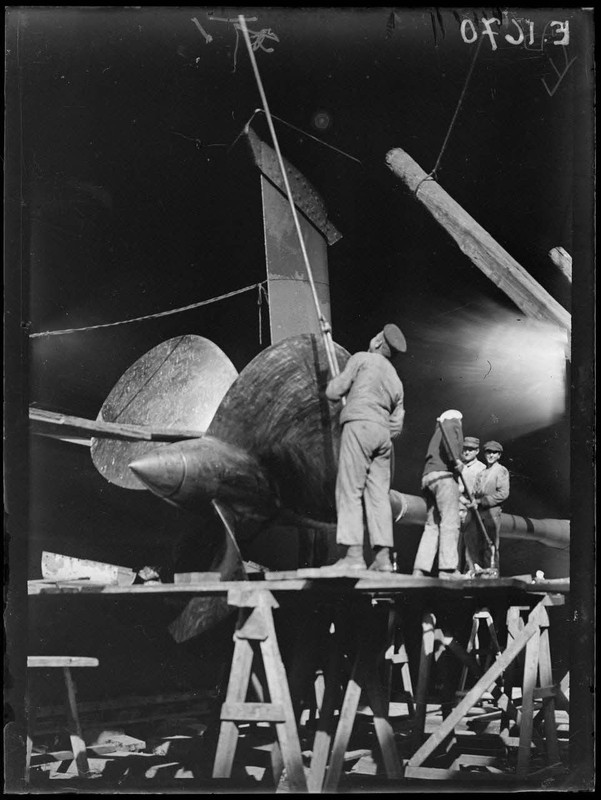
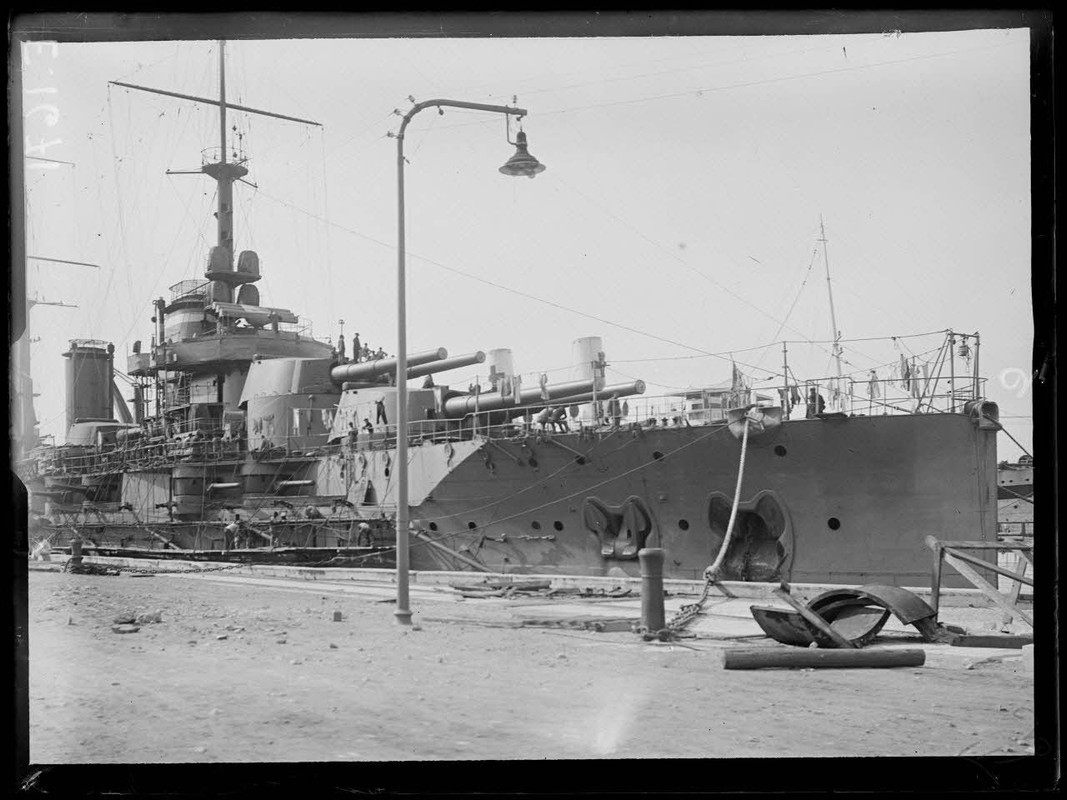
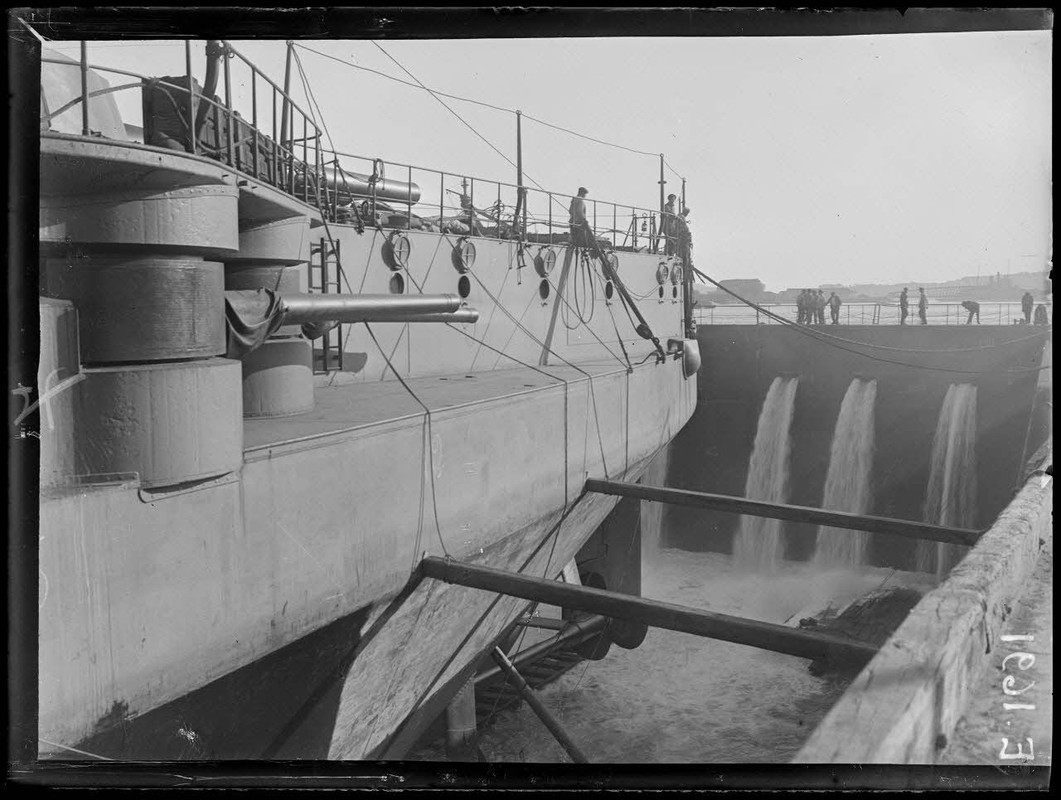
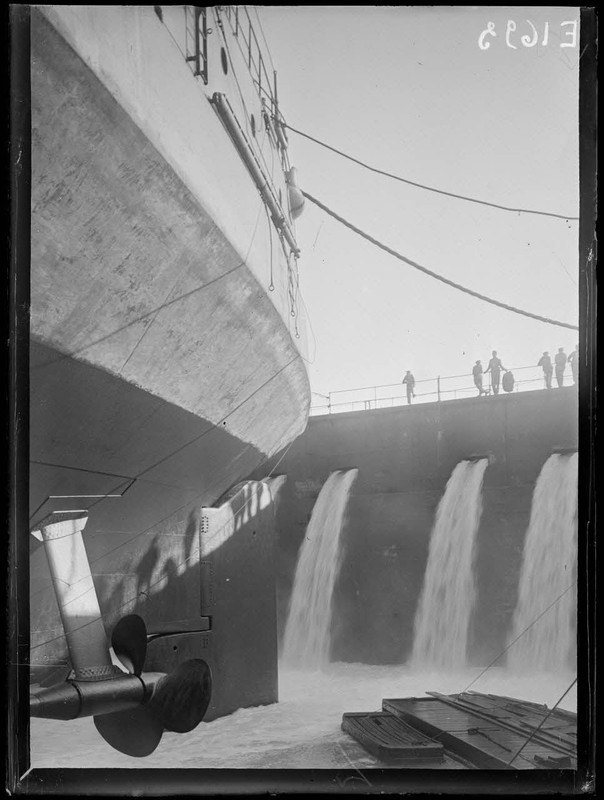
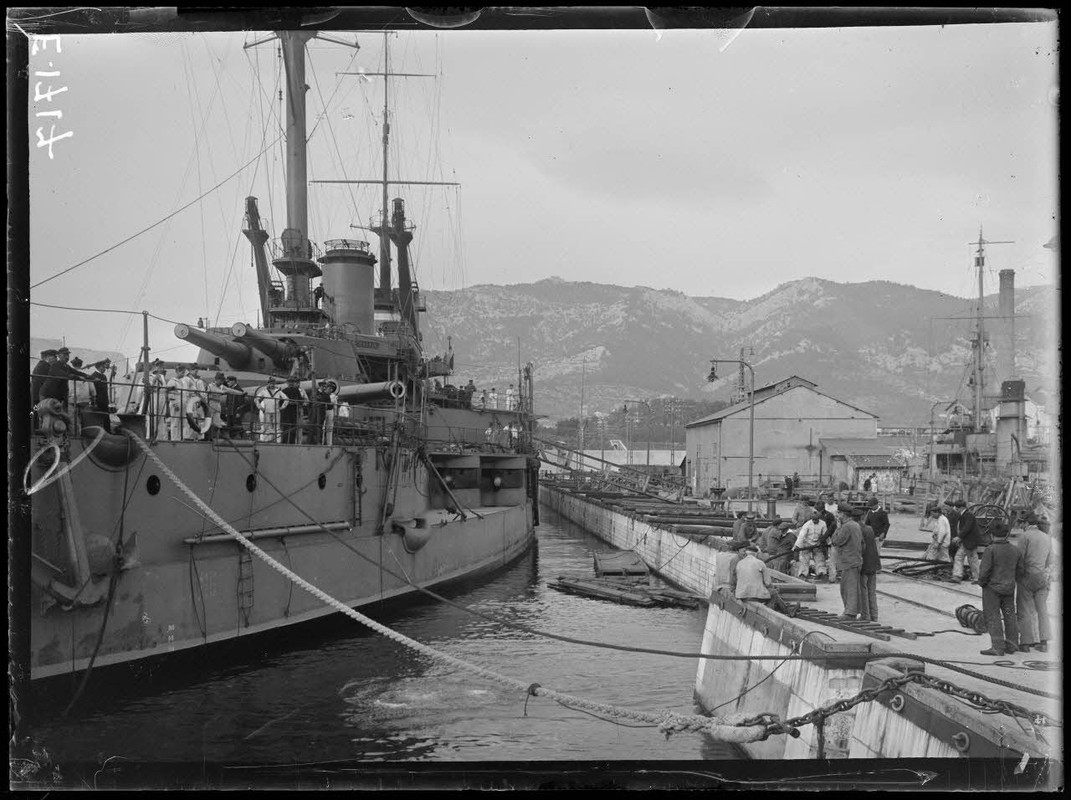
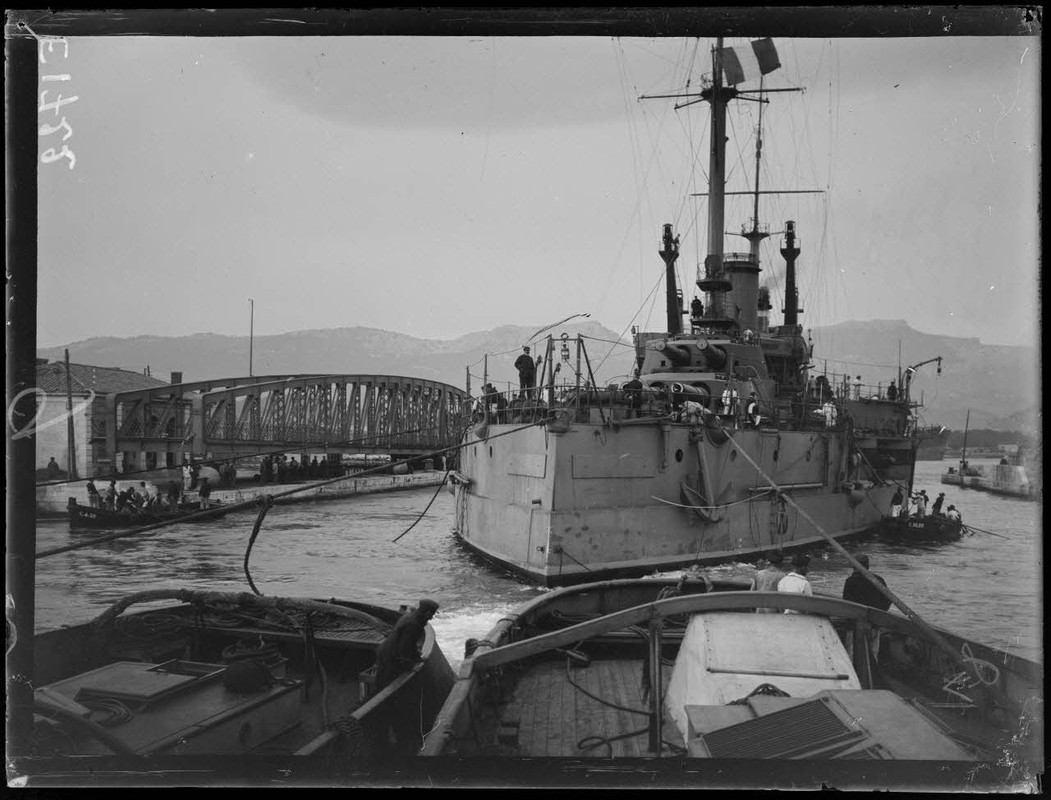
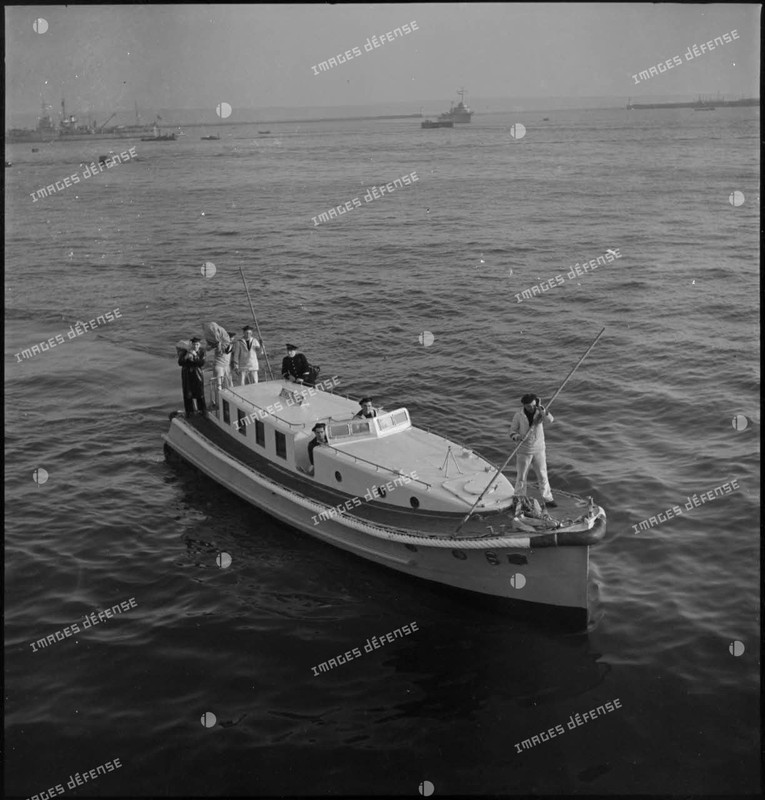
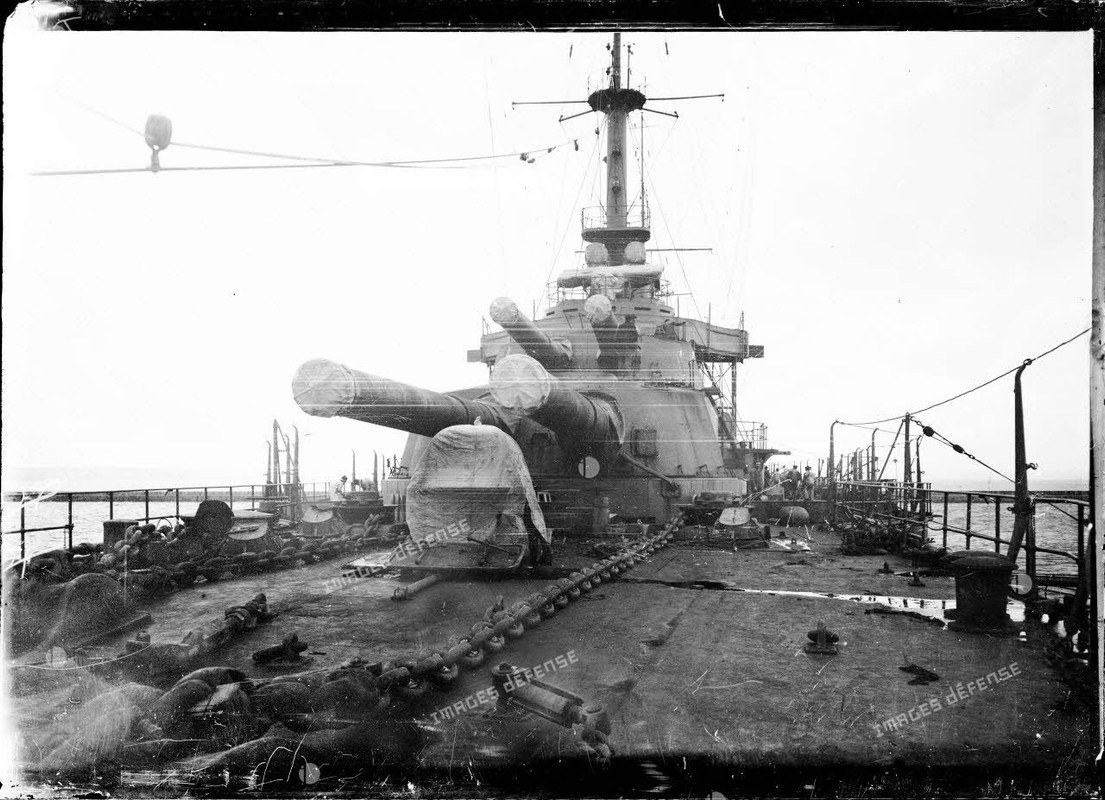
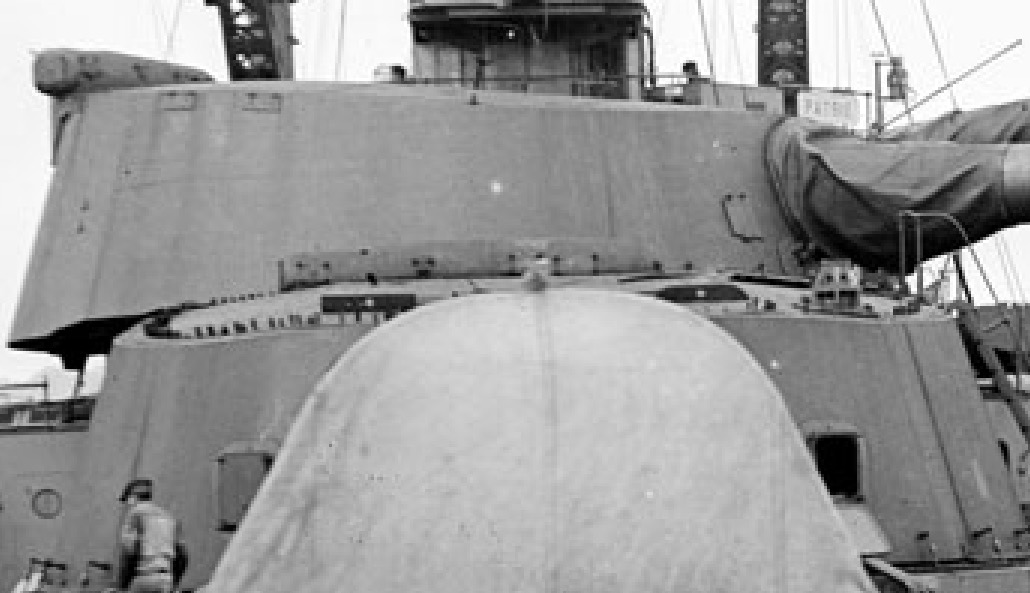
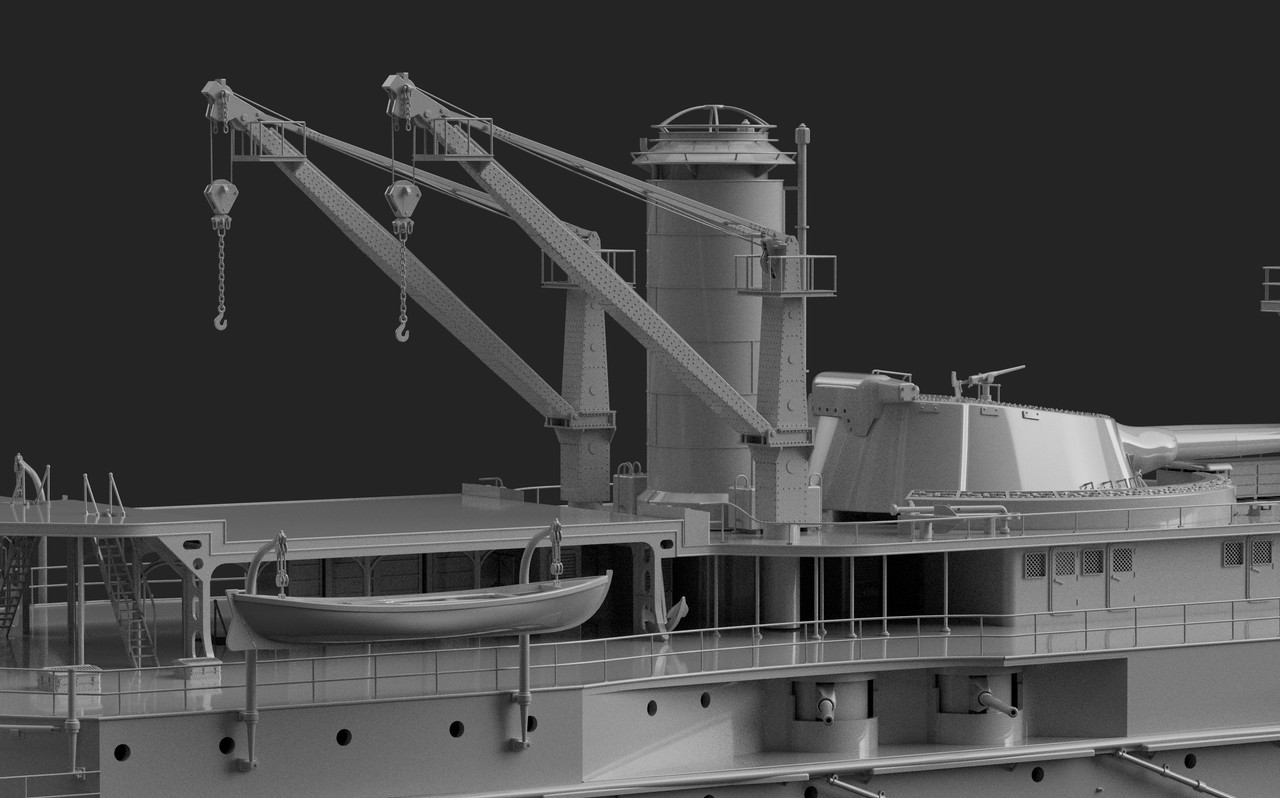
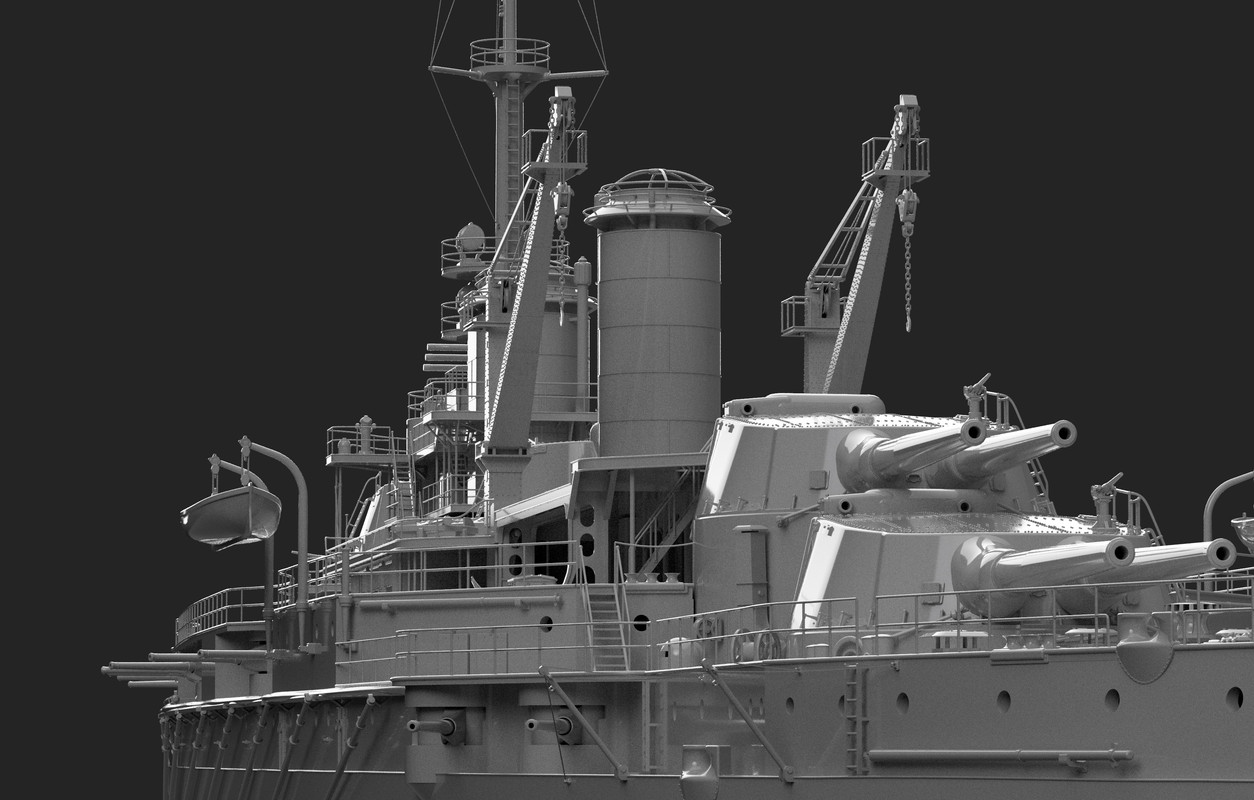
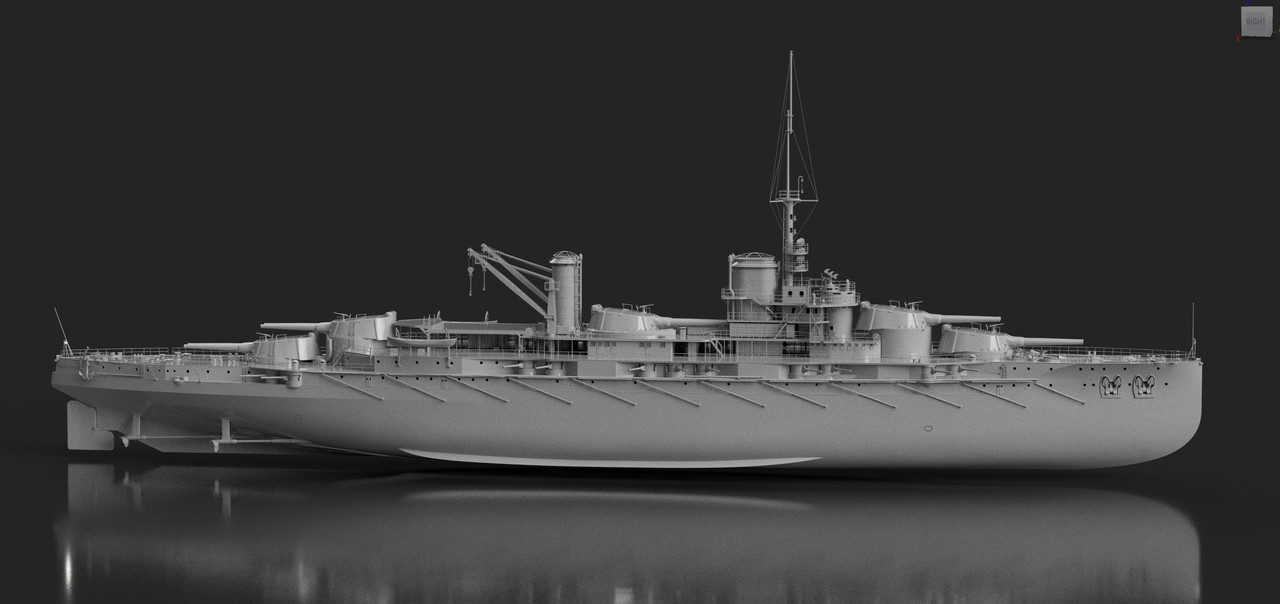
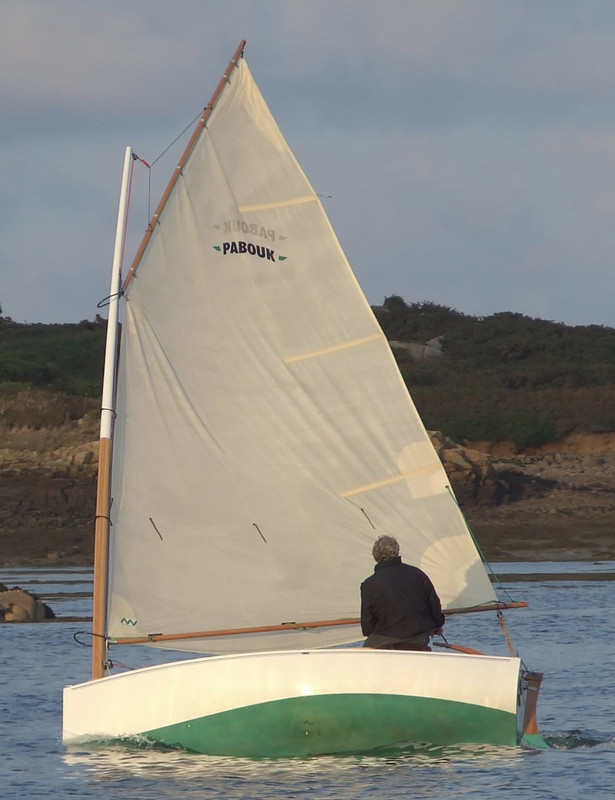
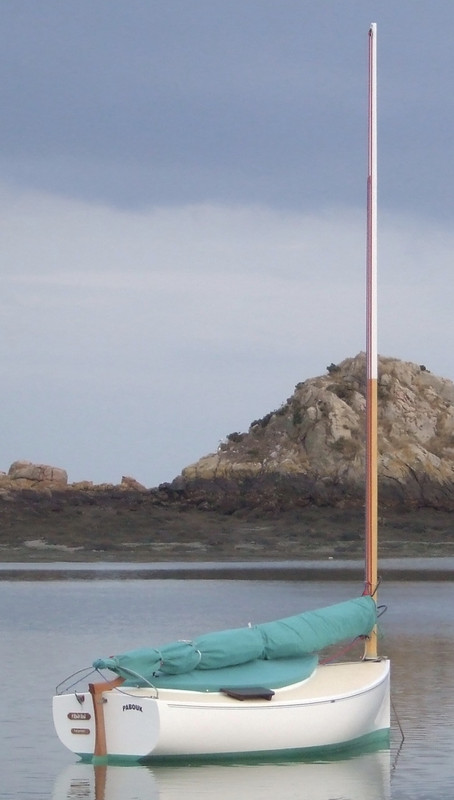
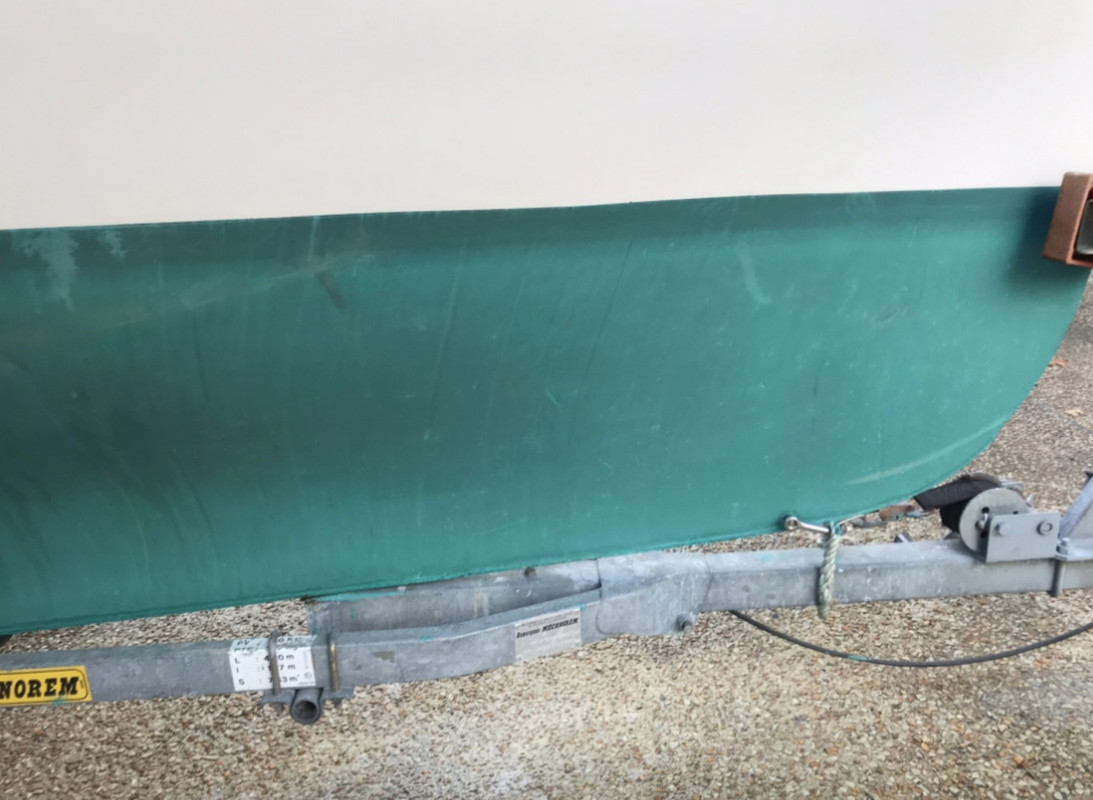
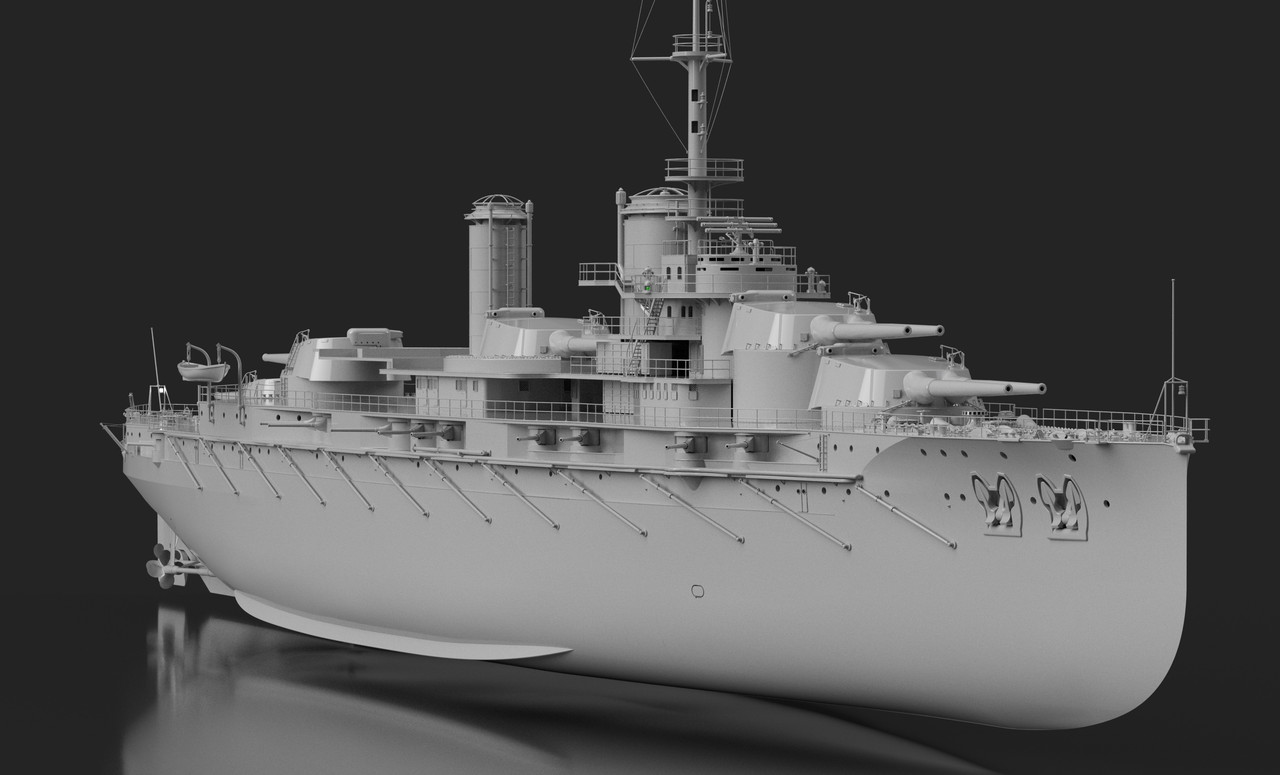
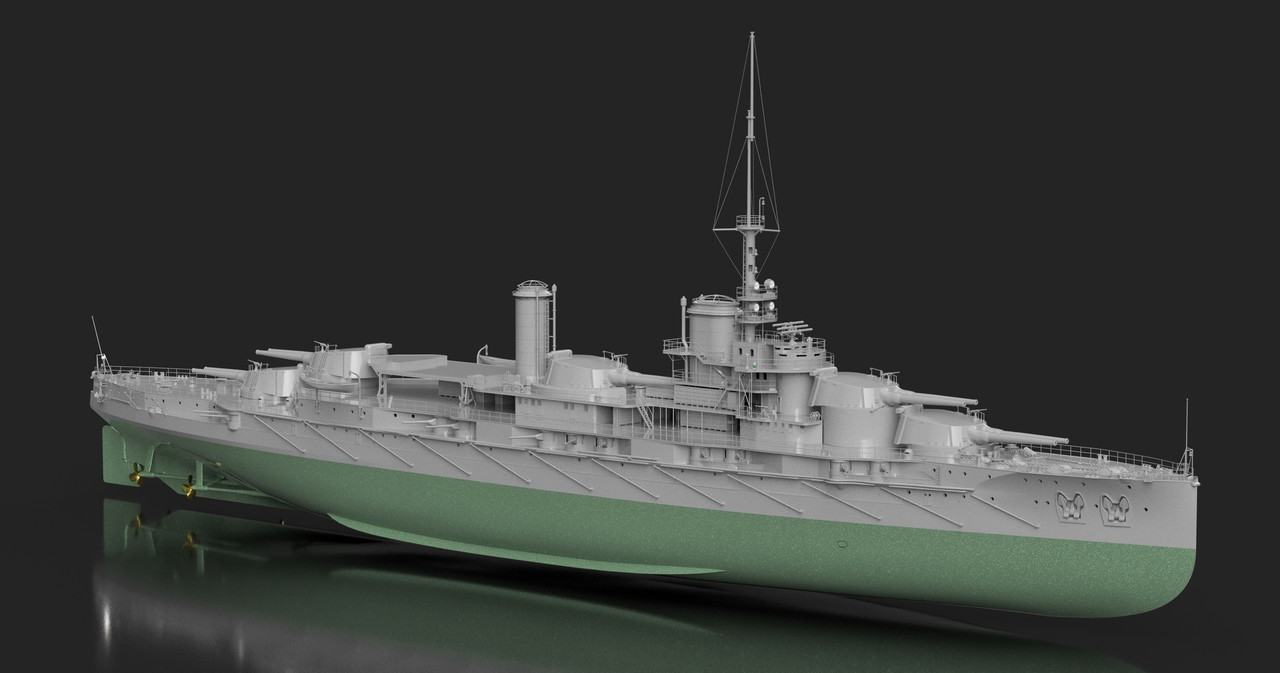
I would make the green a bit stronger next time, although here it is shown after a few weeks in the water with already some concretions.
Antifouling paints tend to lighten up a lot after a few weeks in the sea water in my experience.
It's even surprising when you go to the dry dock to apply a new green, red or black paint. I thought to myself, "well this green that he applies is much darker than the previous one". But no, after a few weeks the color was identical.
It was all the more obvious when the sailors applied antifouling patches afloat when the ship was light, mainly in the areas where the fenders rubbed. The darker patches would gradually fade into the green of the hull.
I also have a small sailboat that had a green antifouling from Boero, the same phenomenon occurred. �
Very effective long lasting antifouling without organotin toxin, with high copper salt content:
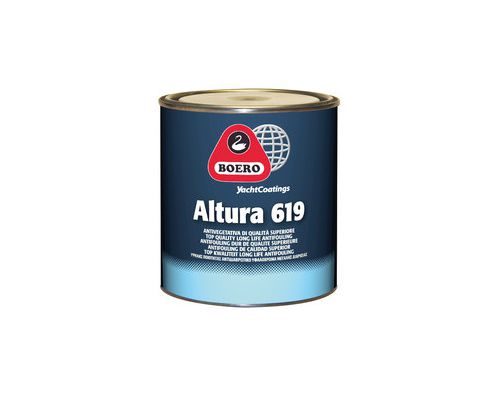
This green looks a lot like the Schweinfurt green or Paris green, but much less toxic...!
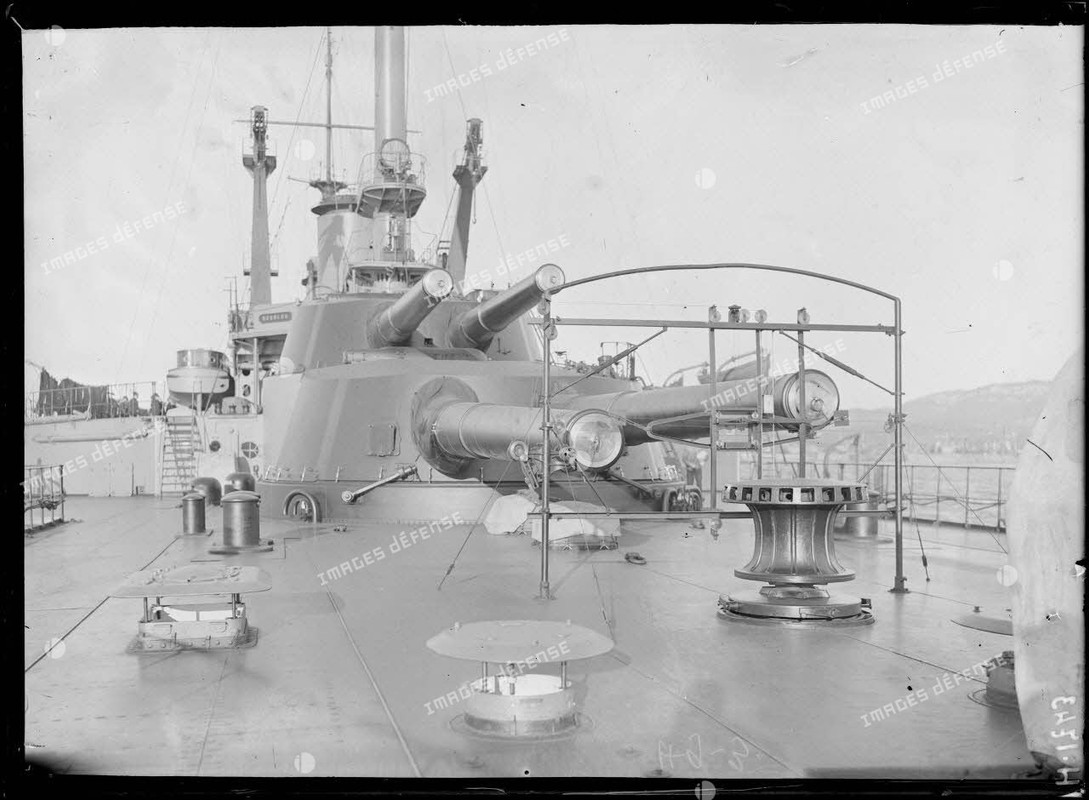
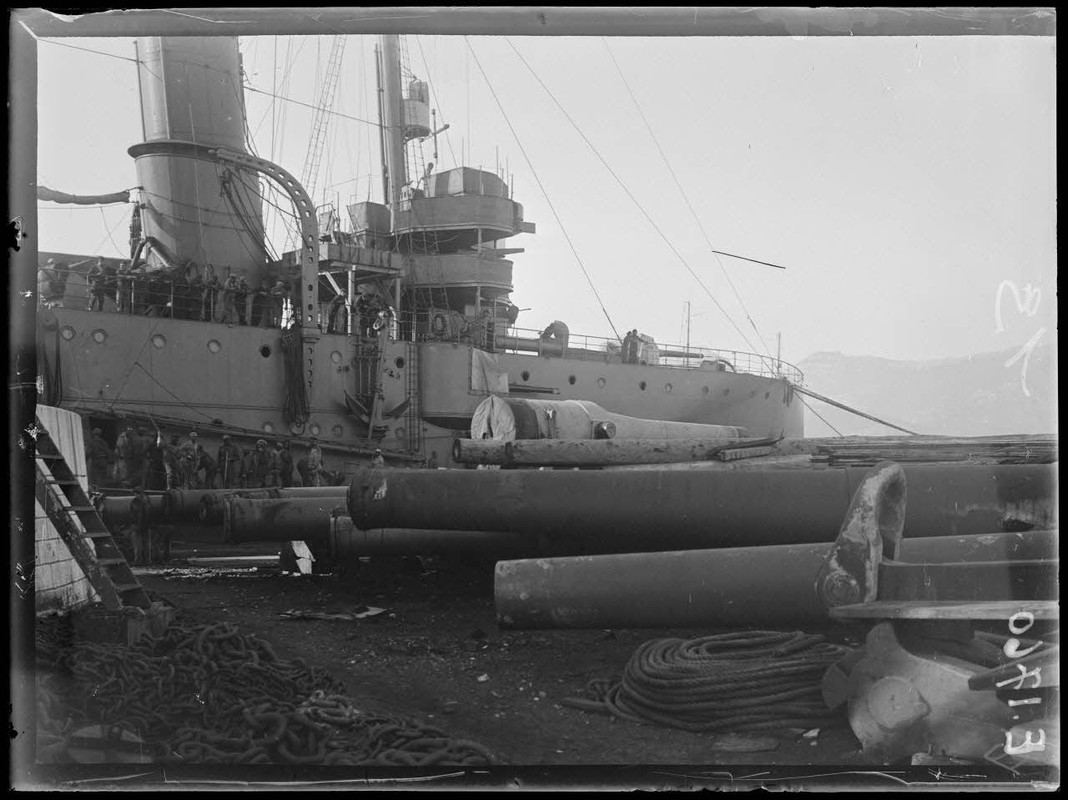
You can see on these personal photos the difference between the application of the paint coming out of the pot and after a few weeks in the sea water. You can also see clearly at the actual waterline the difference in color.
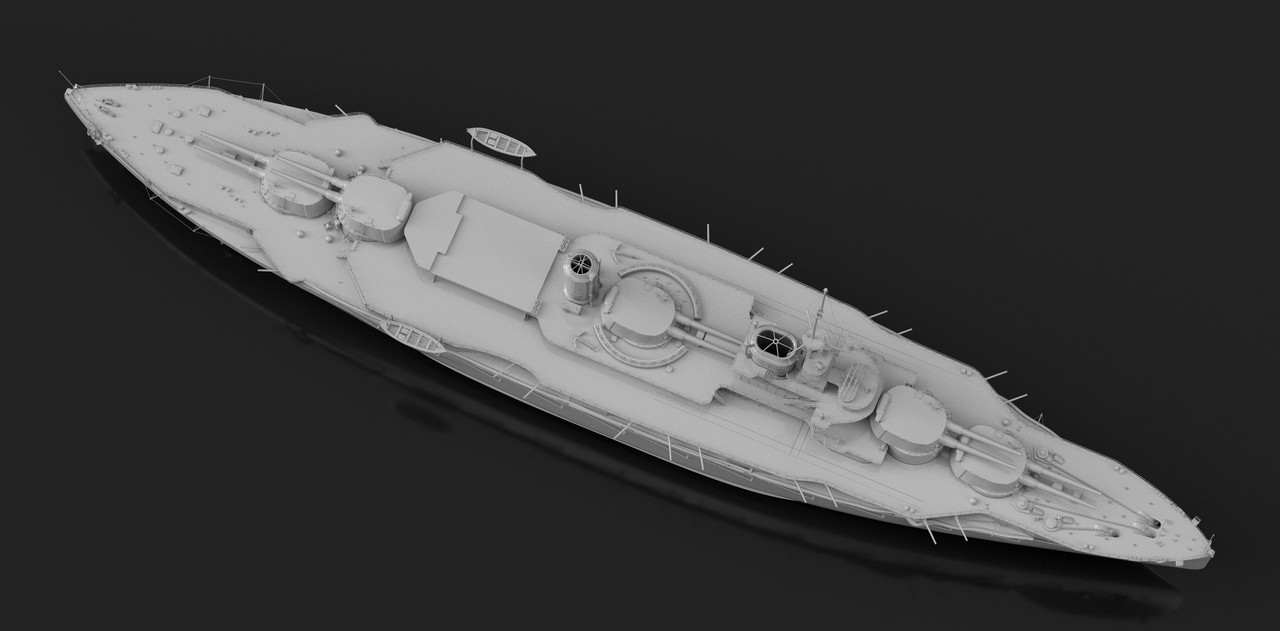
It would be interesting to take this into account on the models at the waterline.

 Schweinfurt Grun
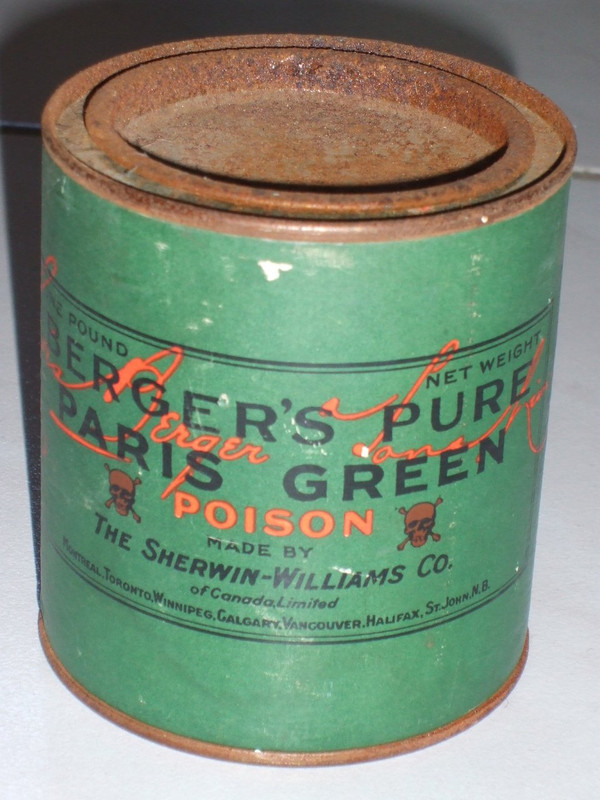
In 1805, while precipitating verdigris with an arsenic compound, the Austrian Ignaz Edler von Mitis (1771-1842) discovered "copper arsenic acid", a yellow-green pigment that was named Mitis green after him. The industrial production of the bright and lightfast arsenic pigment started around 1808 in Schweinfurt in the Wilhelm Sattler paint and ceramics factory.
The place of manufacture gave the pigment the name Schweinfurter Gr�n. The Merseburg physician Carl von Basedow first published evidence of the toxic effect of wallpaper printed with Schweinfurt green in 1844. He showed that a certain fungus (Penicillium brevicaule) in the Schweinfurt green bound to the glue releases organic arsenic compounds which lead to poisoning by the air we breathe.
Schweinfurter Gr�n was very popular in the 19th century. An indication of this is the large number of color names. We also speak of Parisian green, varnished green, Viennese green, emerald green, parrot green, imperial green, etc.. It was used to paint walls, to print on wallpapers, to dye fabrics, for example for the emerald green ball gowns of fashion-conscious women in the 19th century or as an artist's paint. It was particularly popular in the color palette of French impressionists such as Paul Gauguin and Vincent van Gogh.
In Germany, Schweinfurter Gr�n has been banned for painting and wallpaper since 1882.
(

Stefan Muntwyler / Georg Kremer, 2010)
Poison Green' and the death of Napoleon
Well... and what does Schweinfurter Gr�n have to do with the death of Napoleon Bonaparte? For a long time there was speculation as to the cause of Napoleon Bonaparte's death and whether it had anything to do with the green color of the wallpaper on St. Helena. Napoleon died there in 1821. Green was all the rage at the time. Only 19 years later - in 1840 - his body returned to France.
It was precisely at this time that scientists were just beginning to worry about arsenic in the bright green paint. His body was barely decomposed, raising suspicion of arsenic poisoning. However, this was challenged in 2008 by an Italian research group, which, through hair analysis, came to the conclusion that in all phases of Napoleon's life considered, as well as in the hair samples of his son and wives, there were equally high levels. of the toxic metal in the body and therefore no poisoning (at least intentional).
https://www.caparol.de/gestaltung/inspi ... rter-gruen
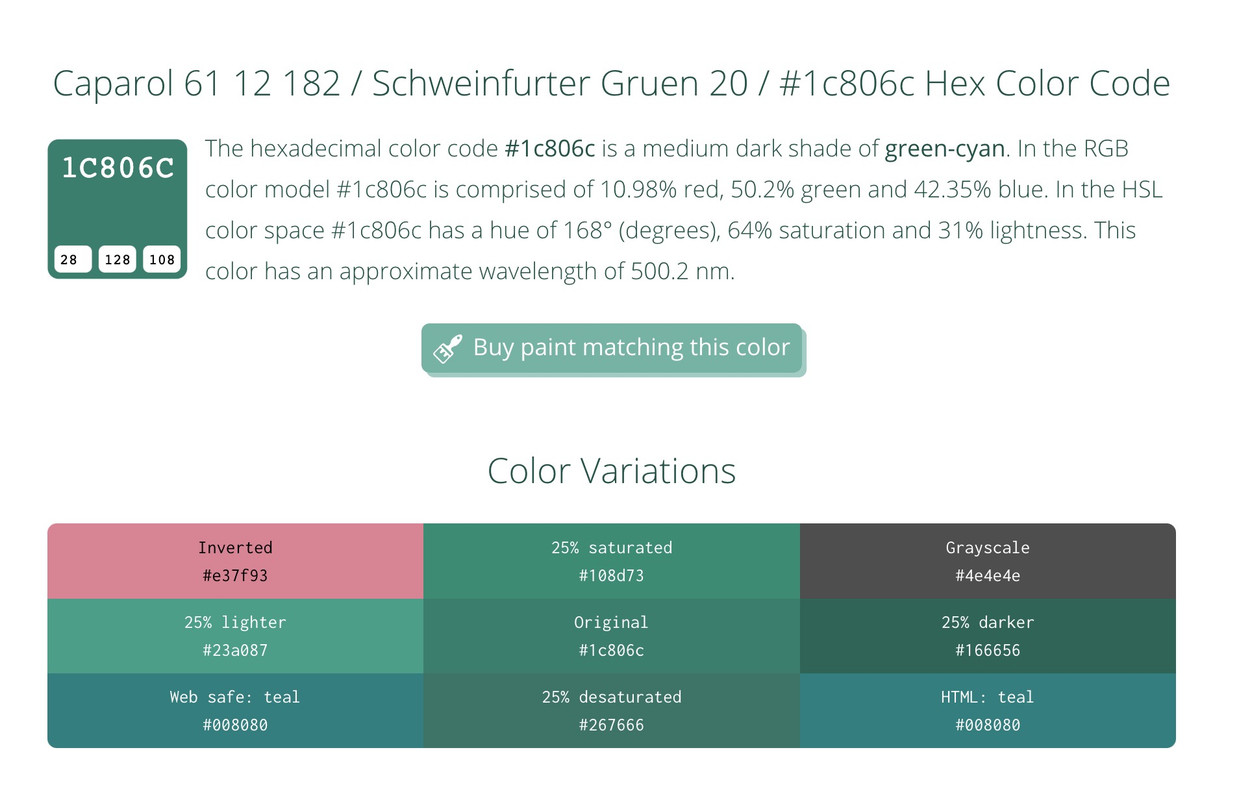
The computer color palette color code I will use next time for the drawing:










 Stefan Muntwyler / Georg Kremer, 2010)