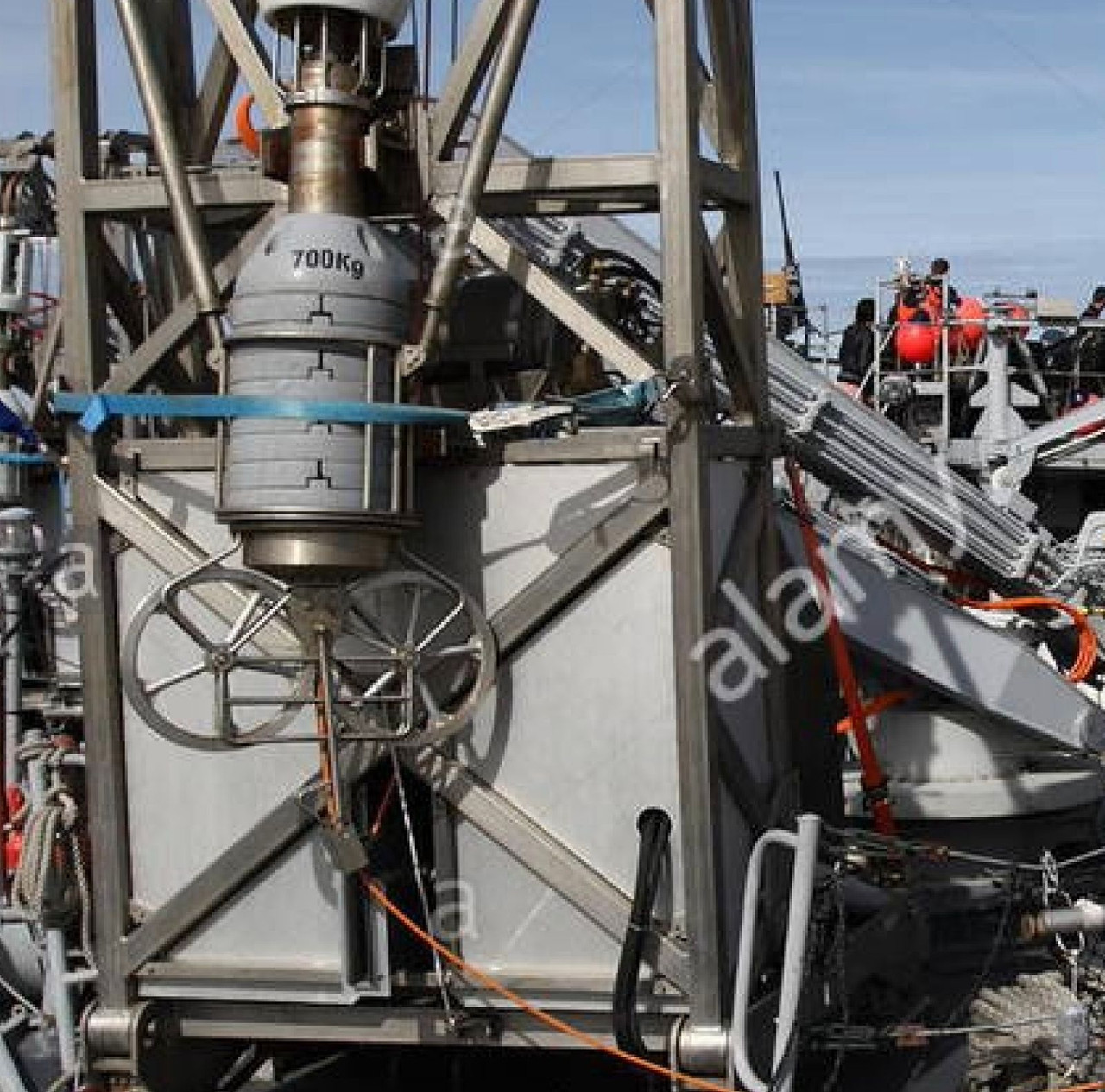
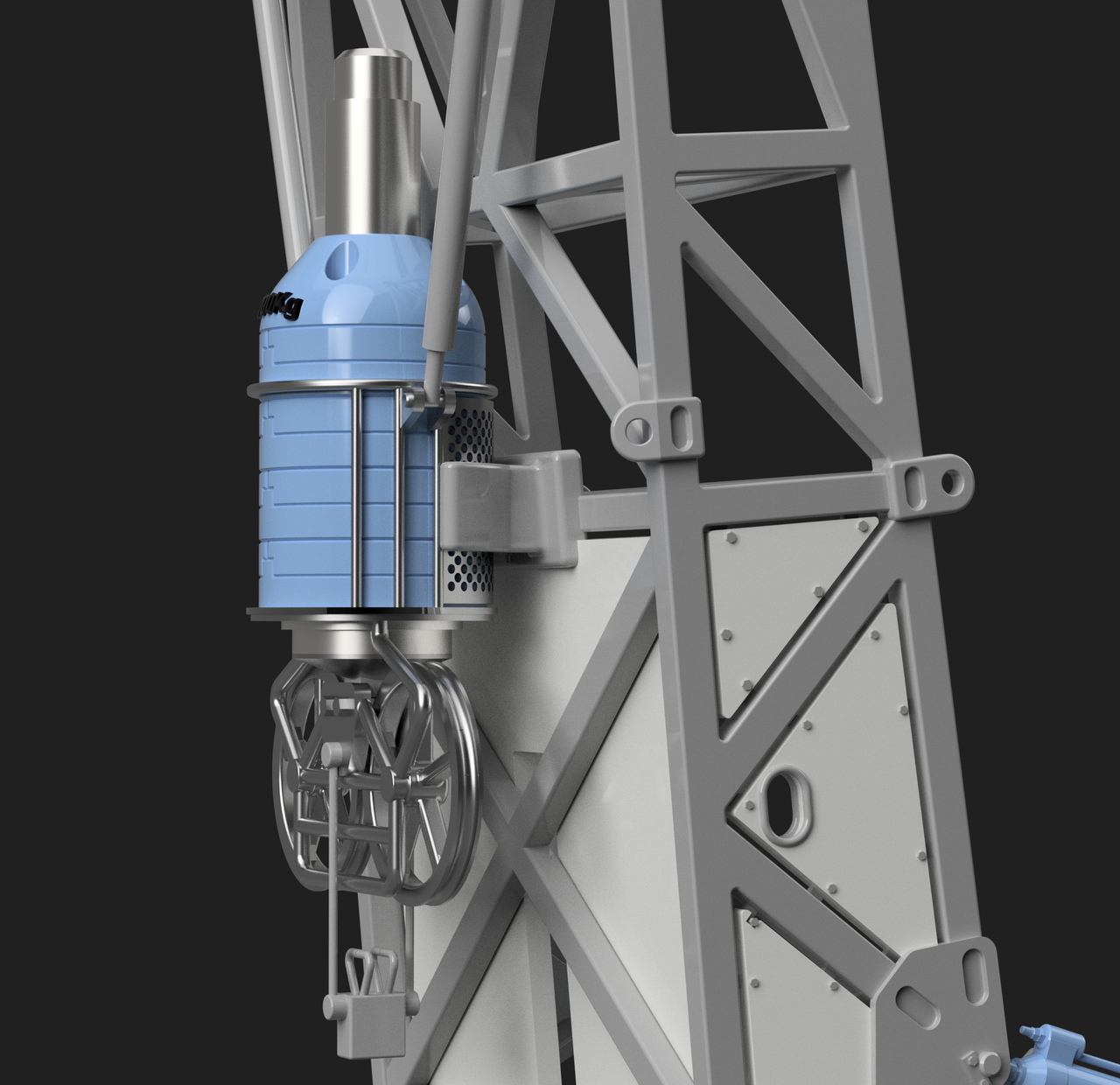
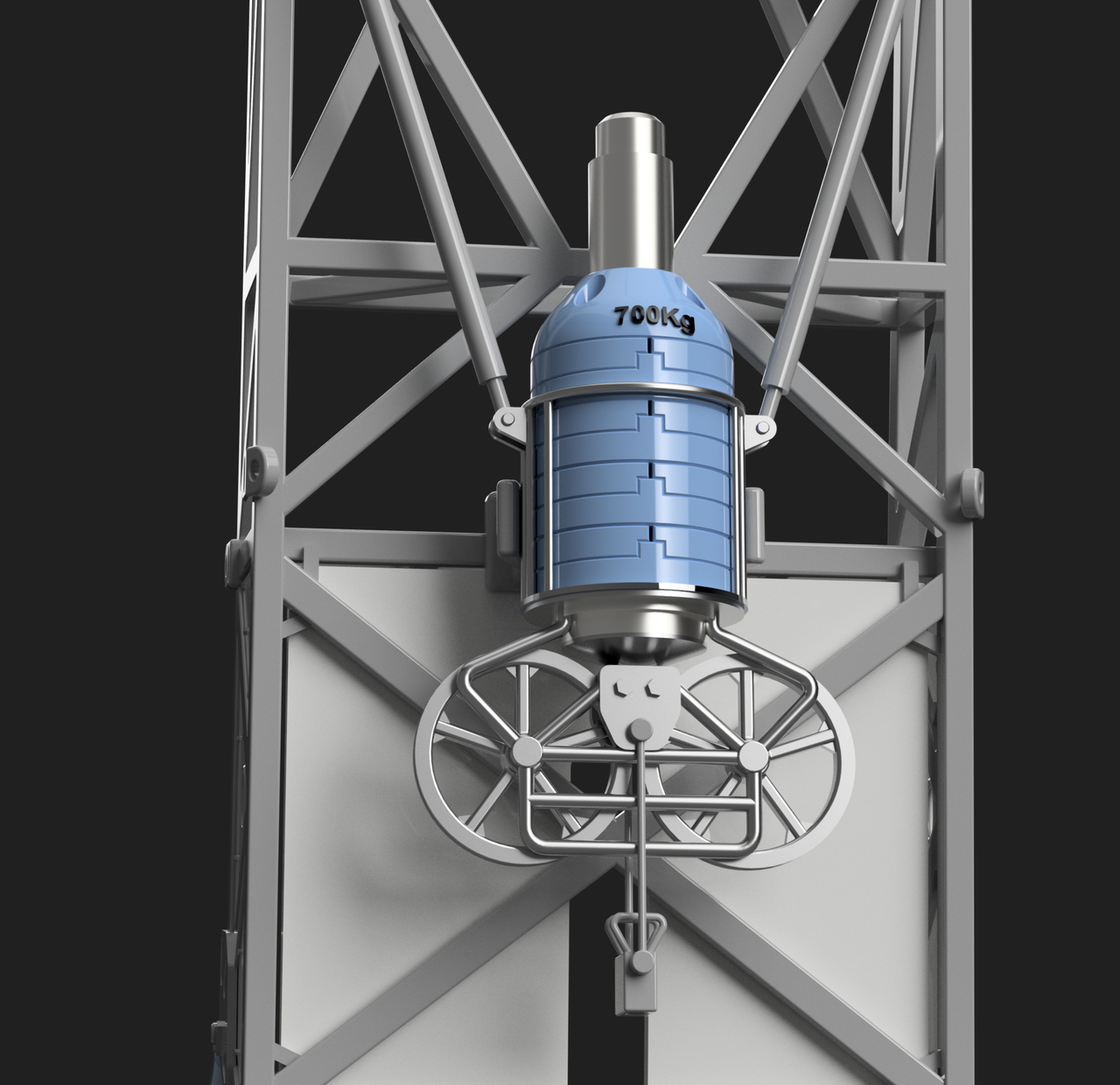
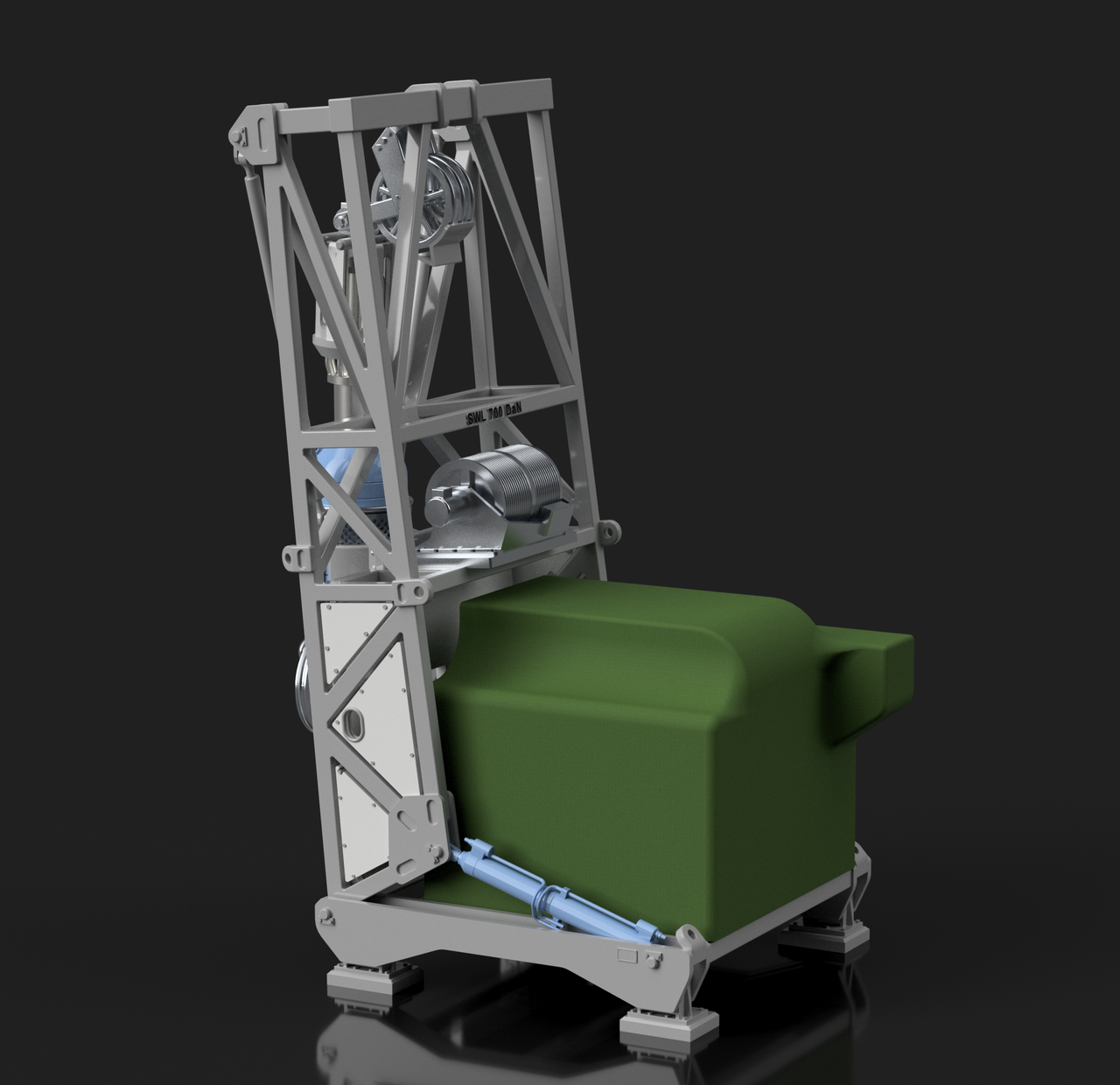
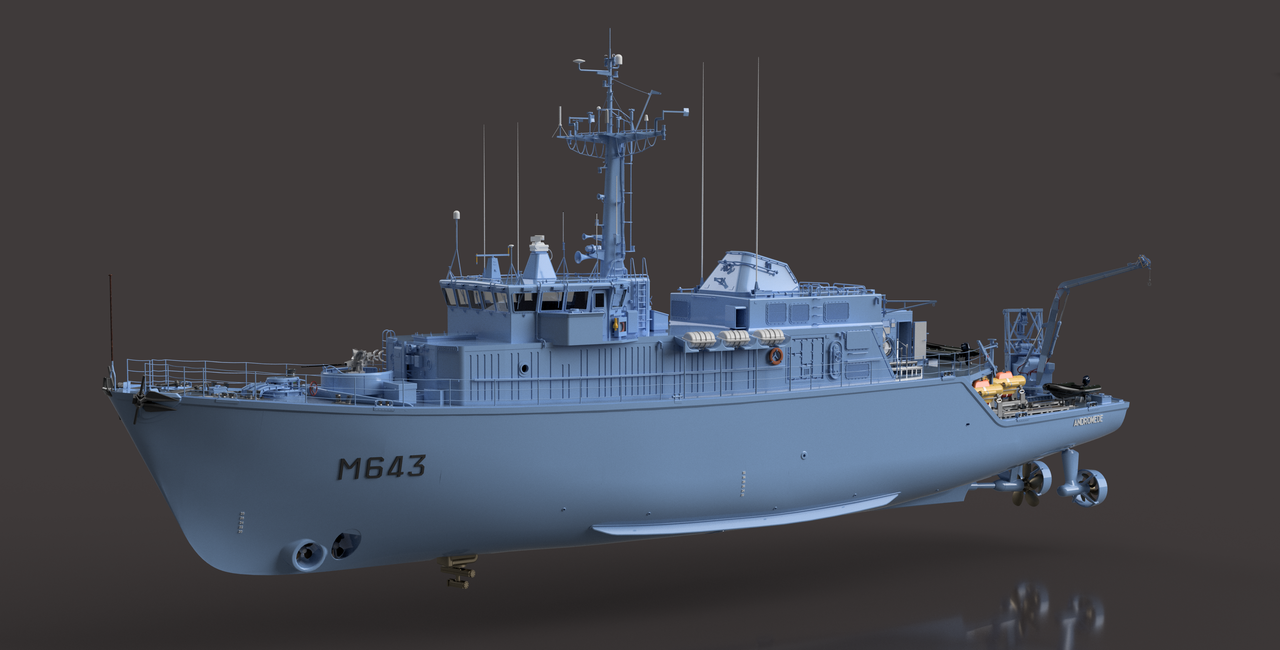
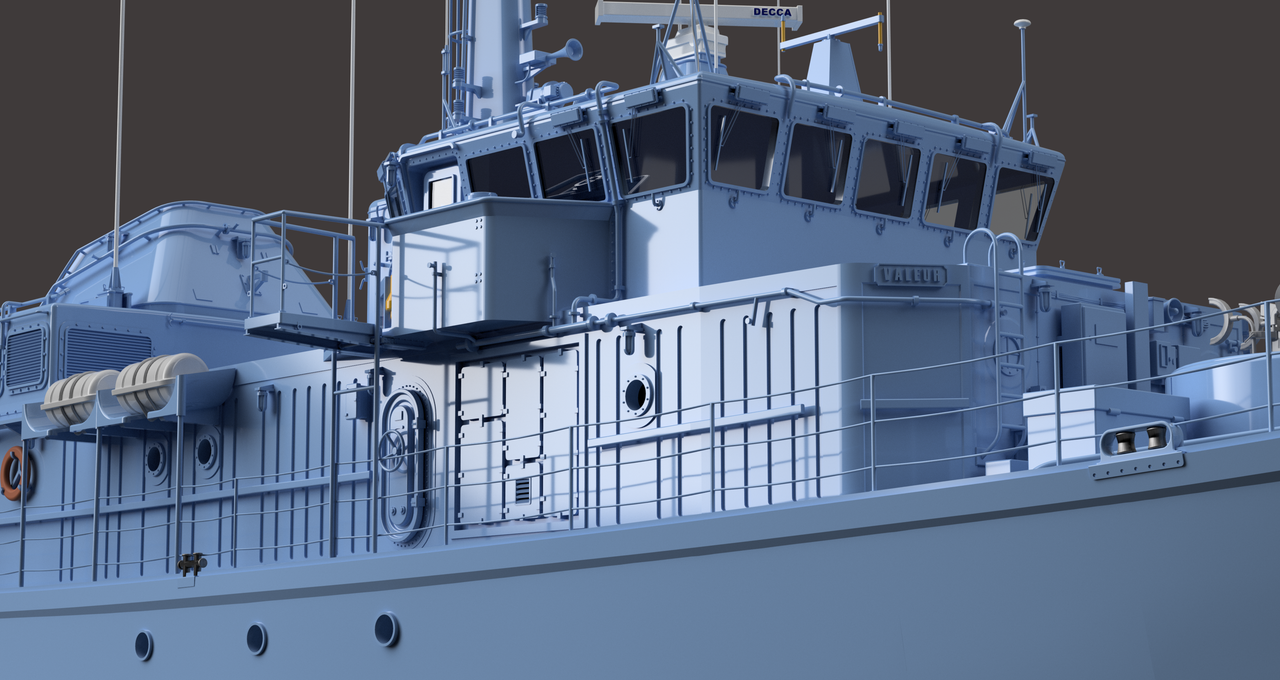
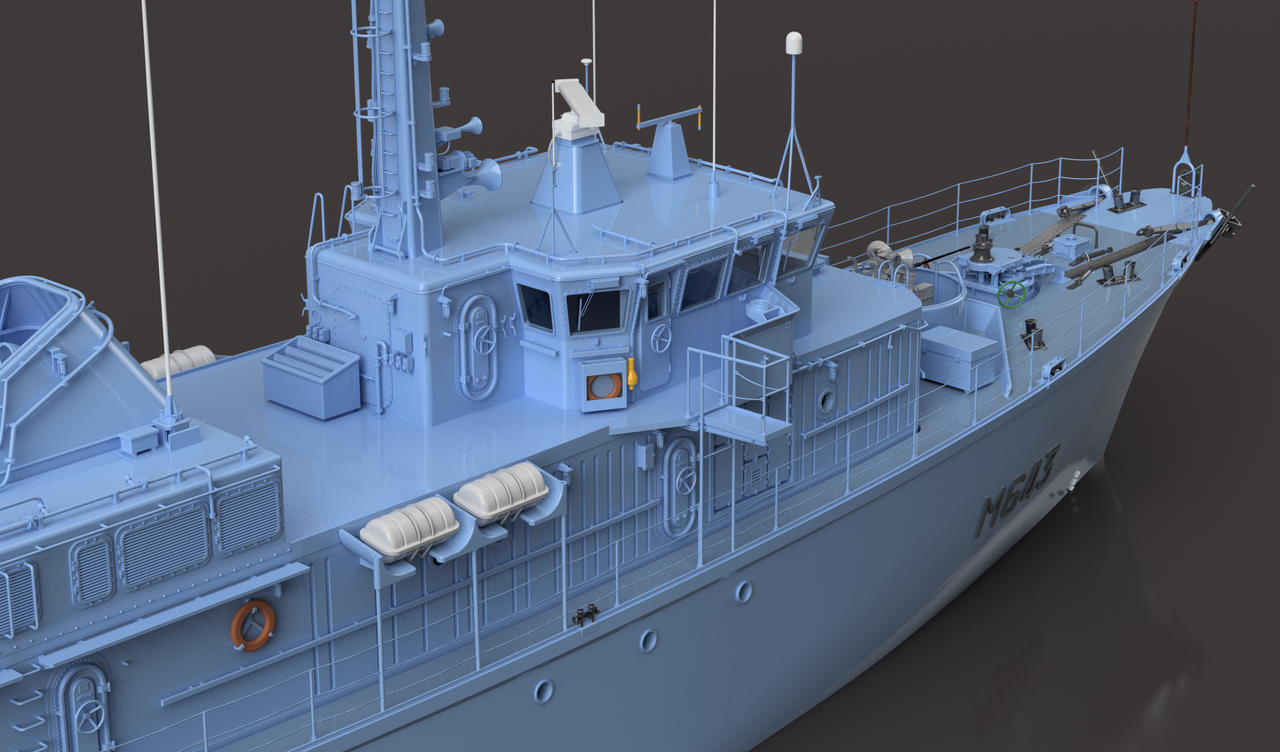
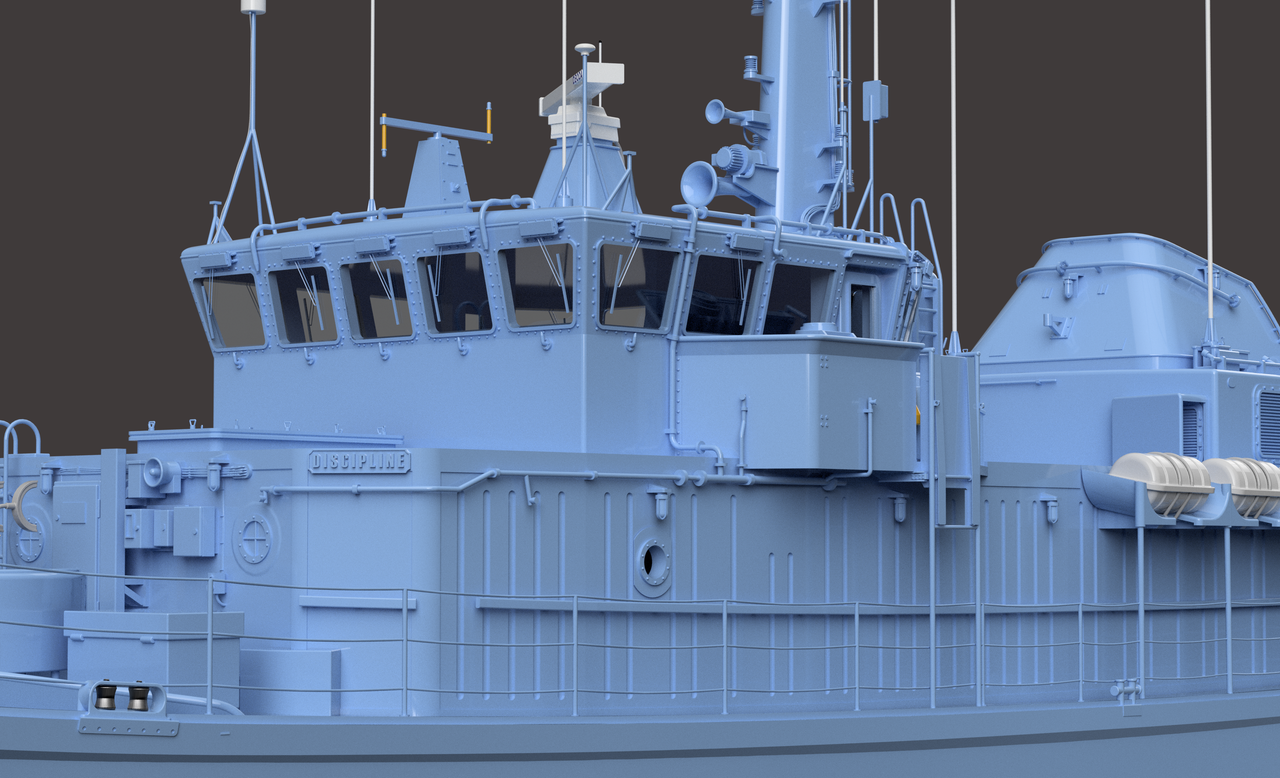
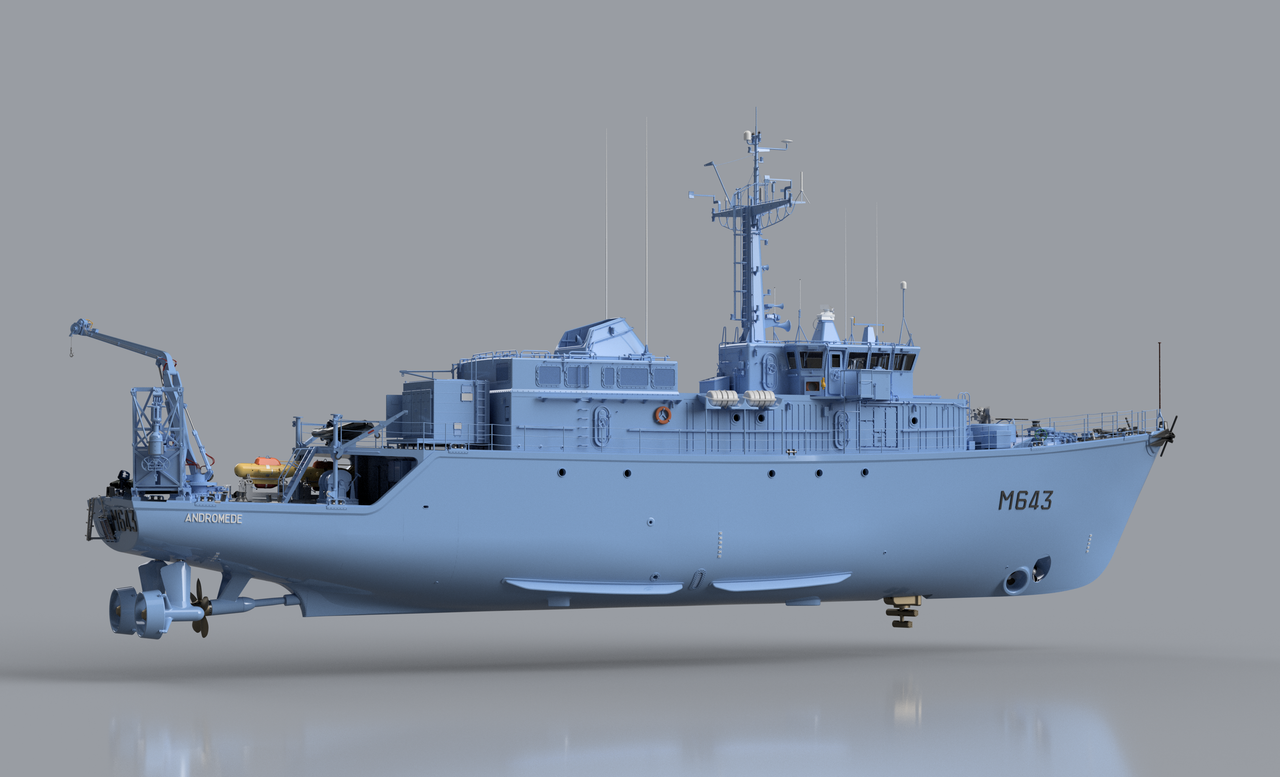
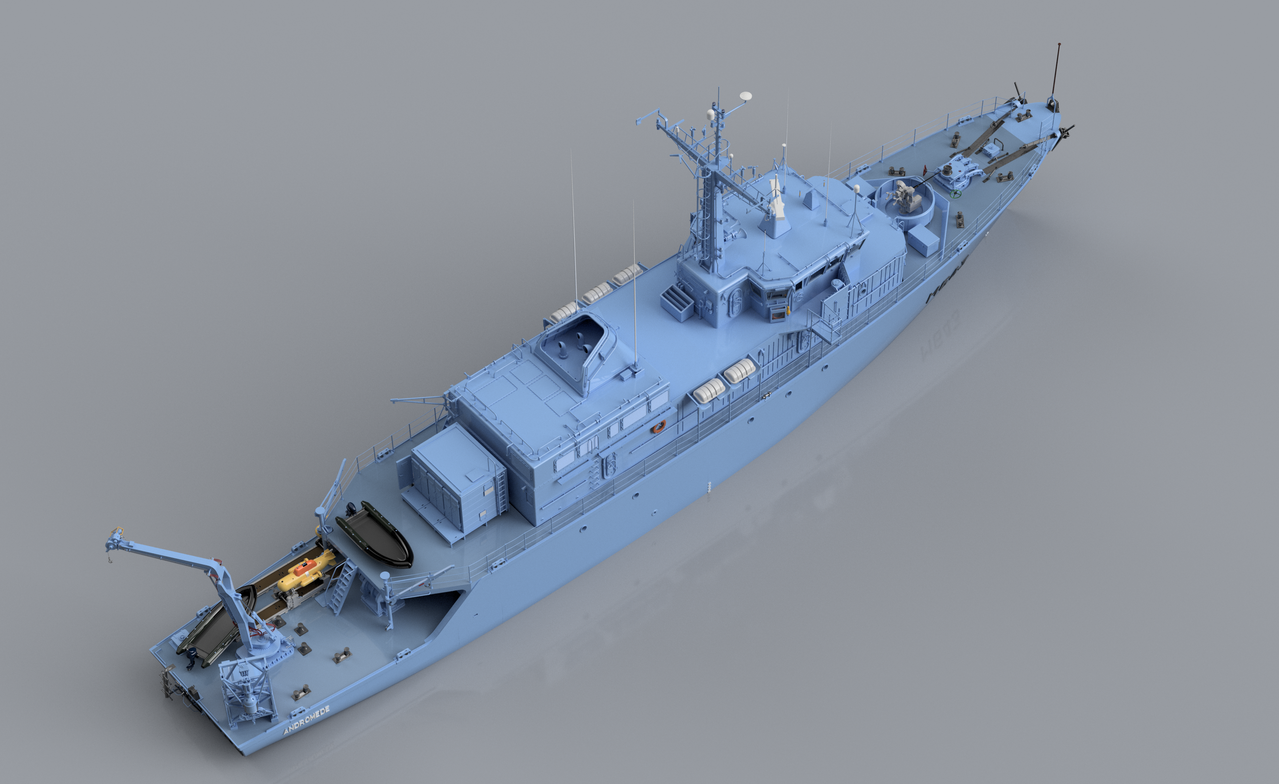
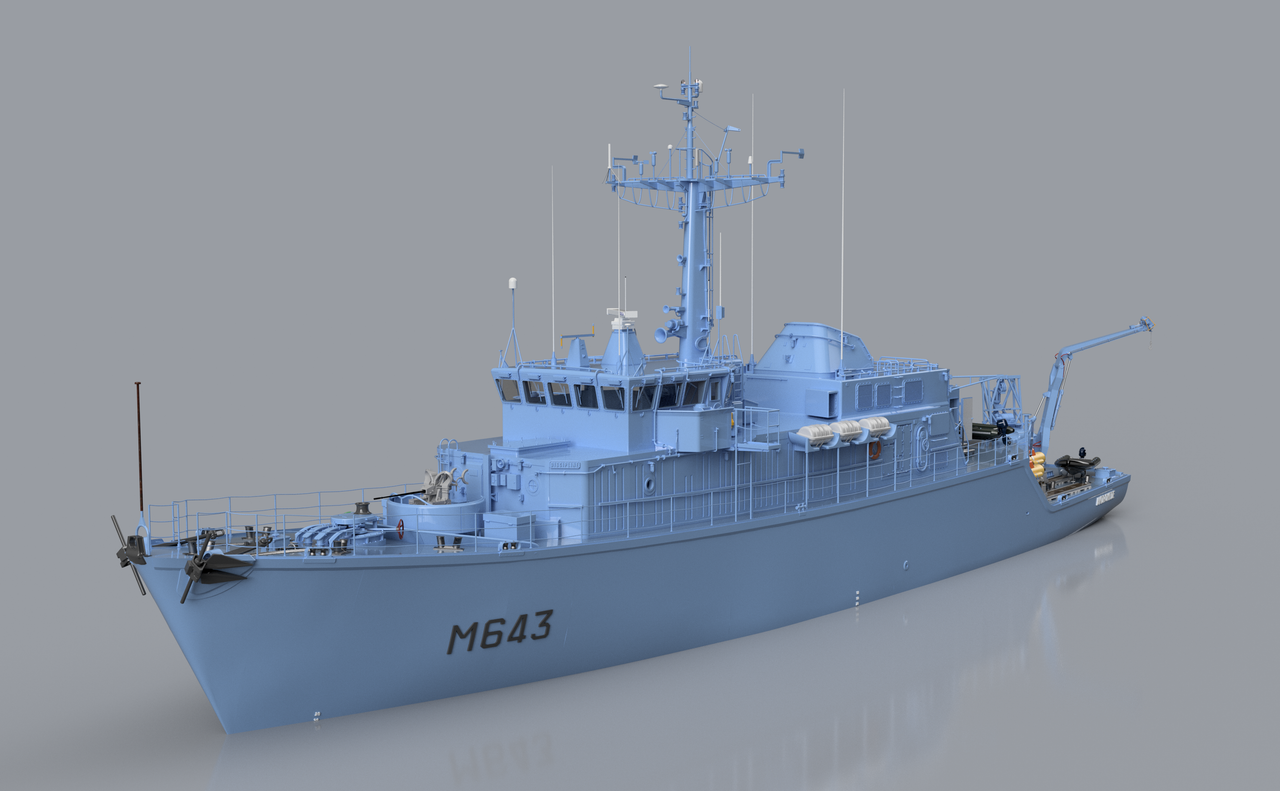
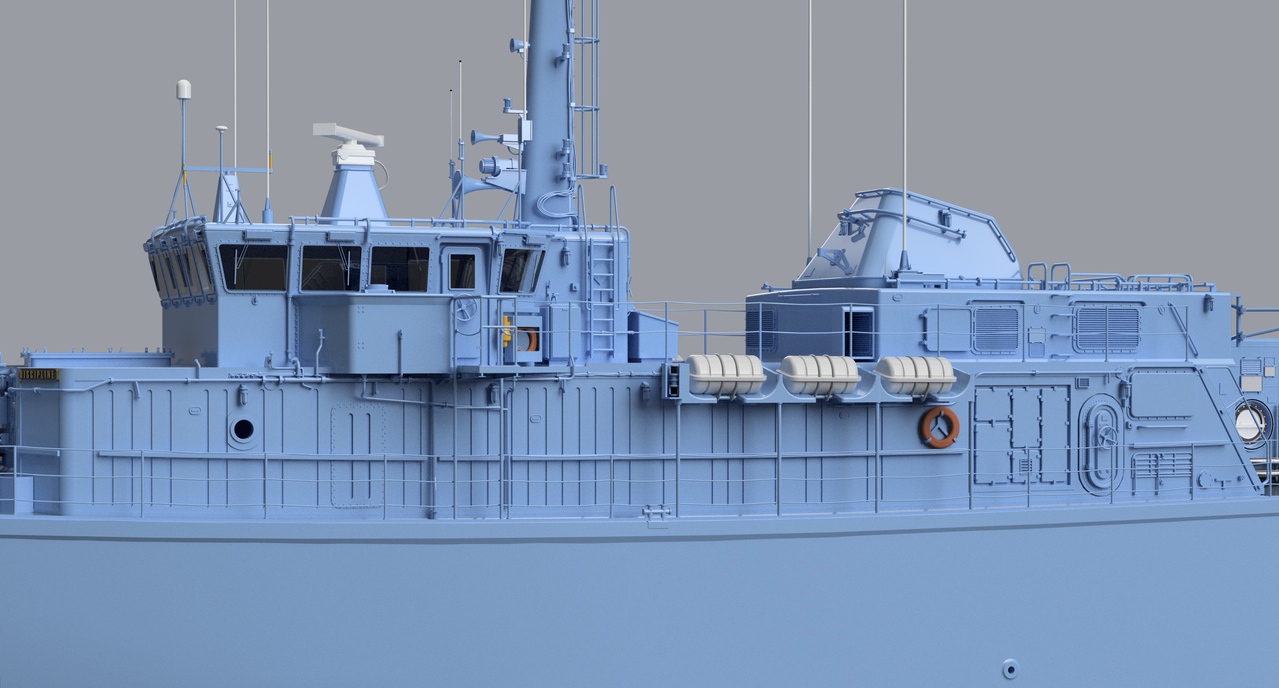
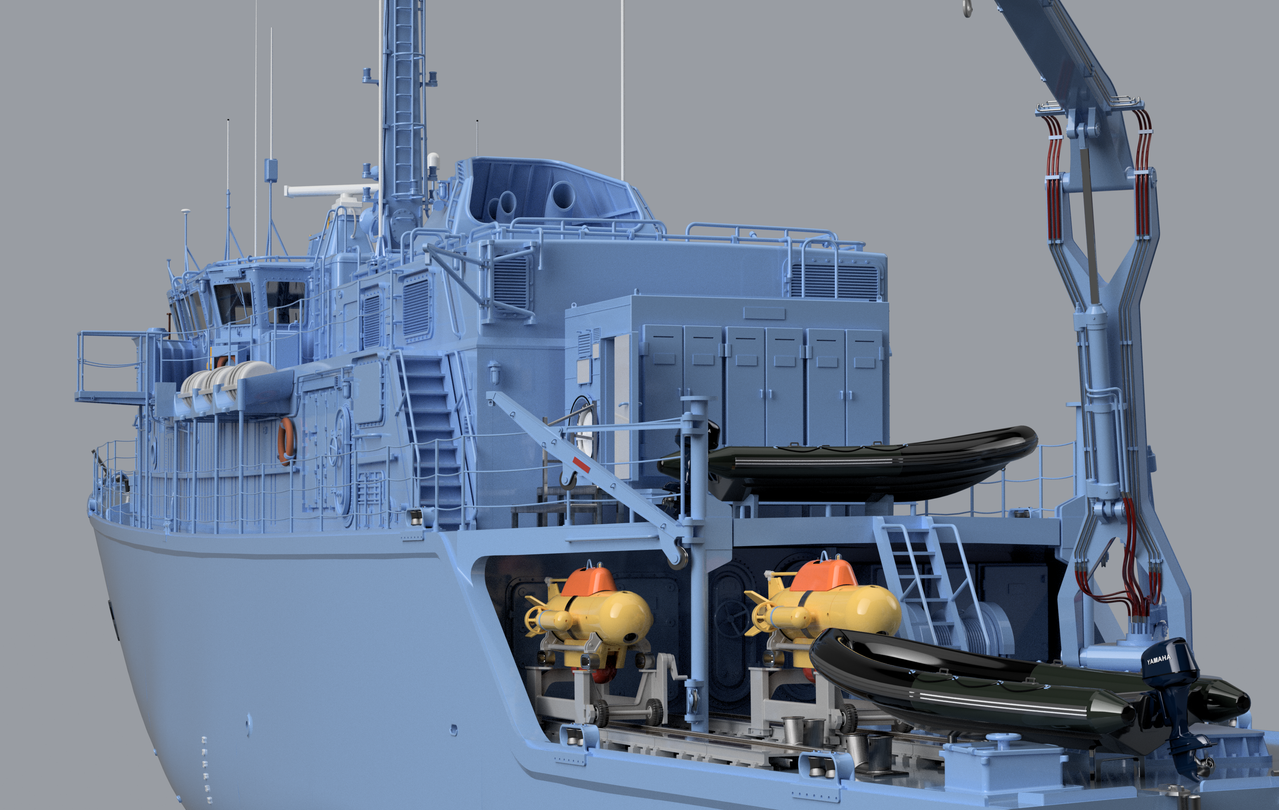
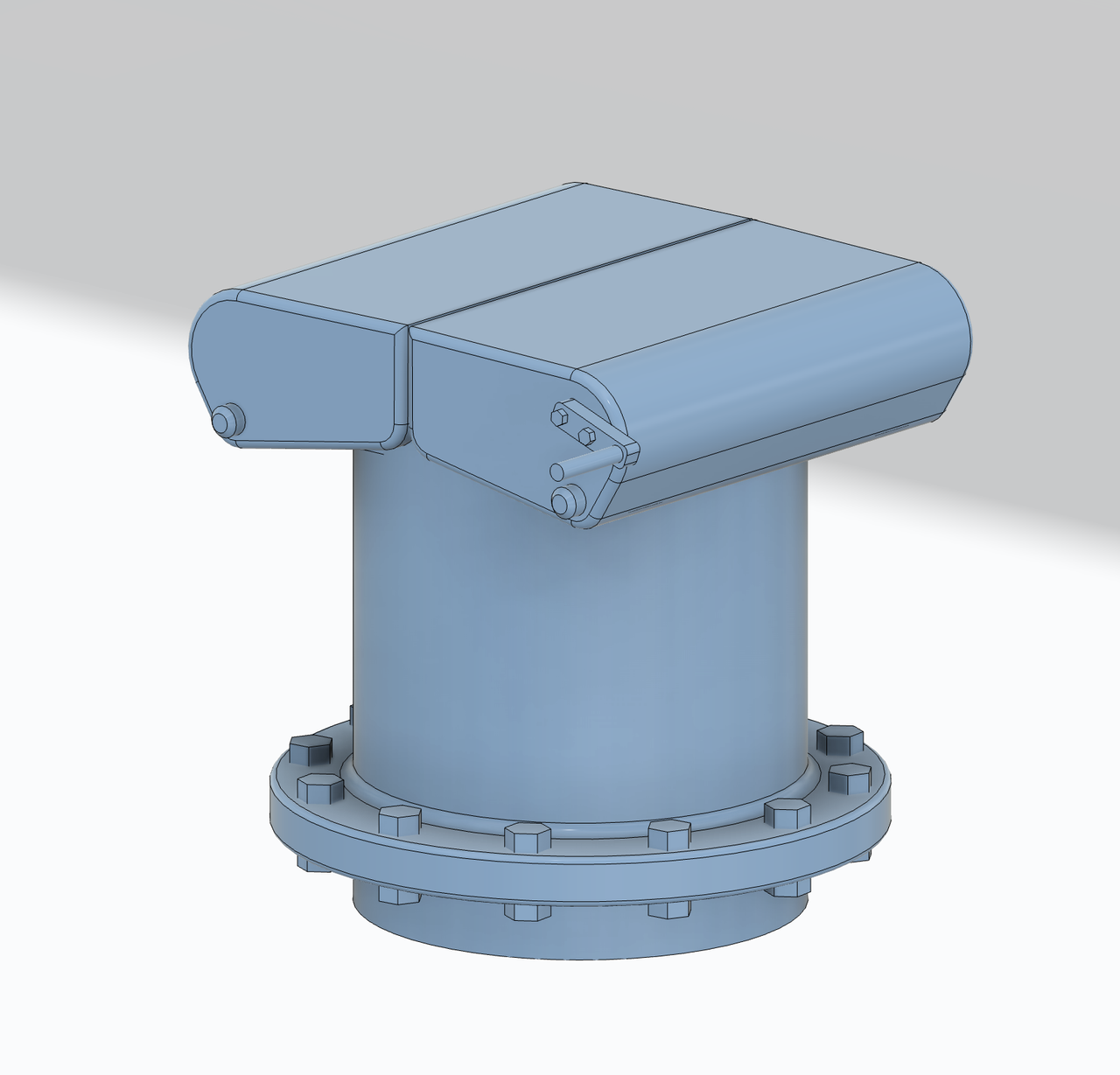
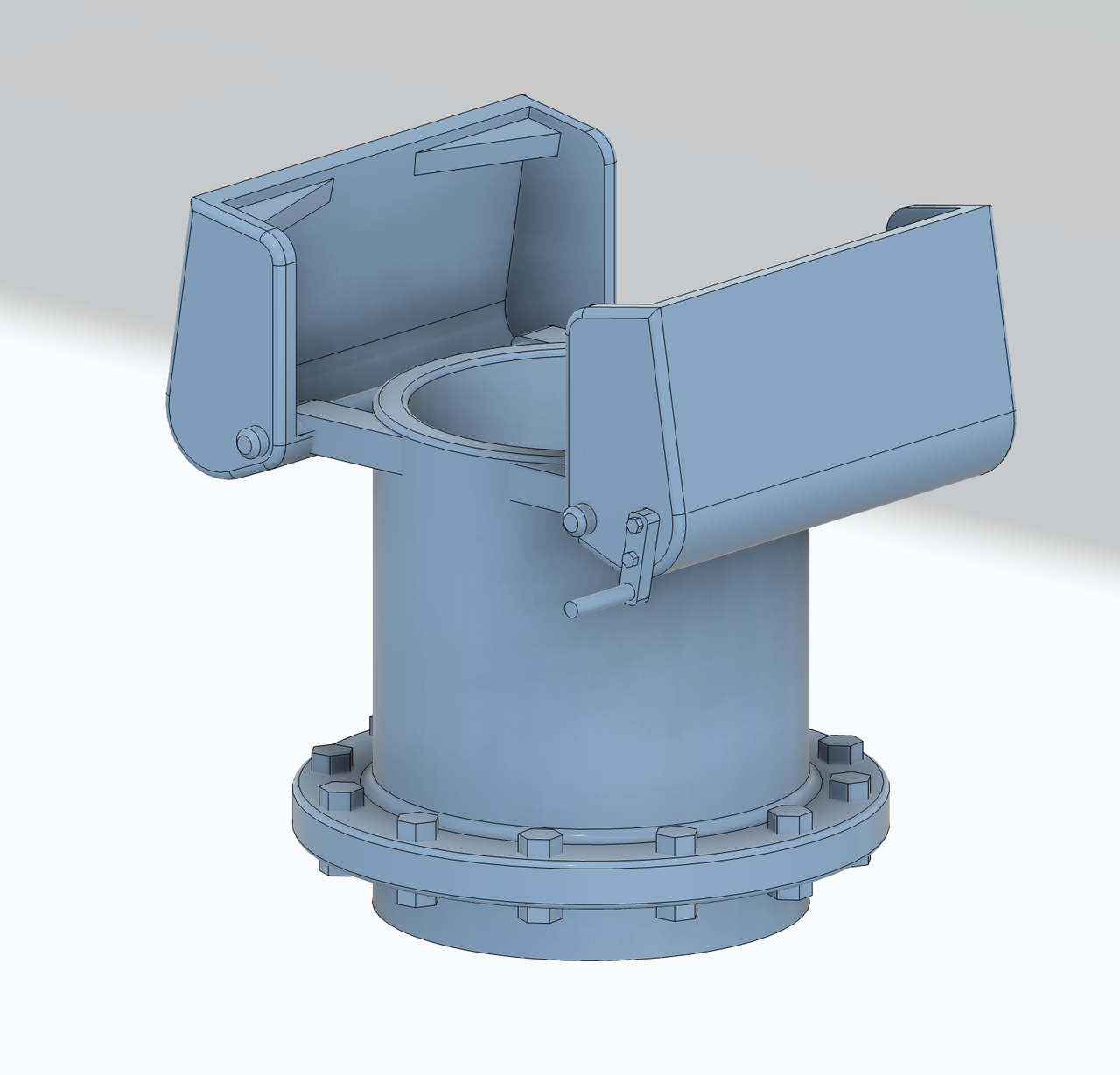
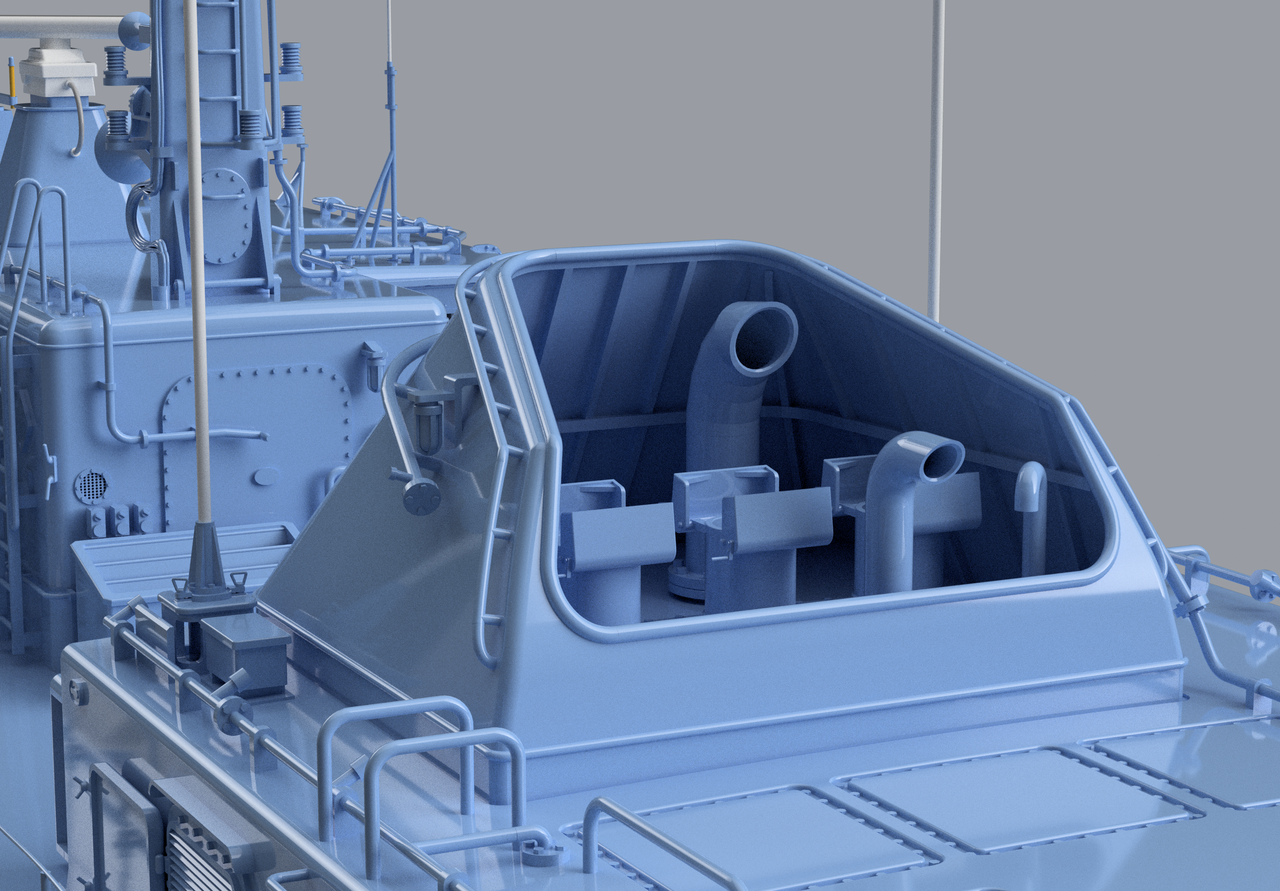
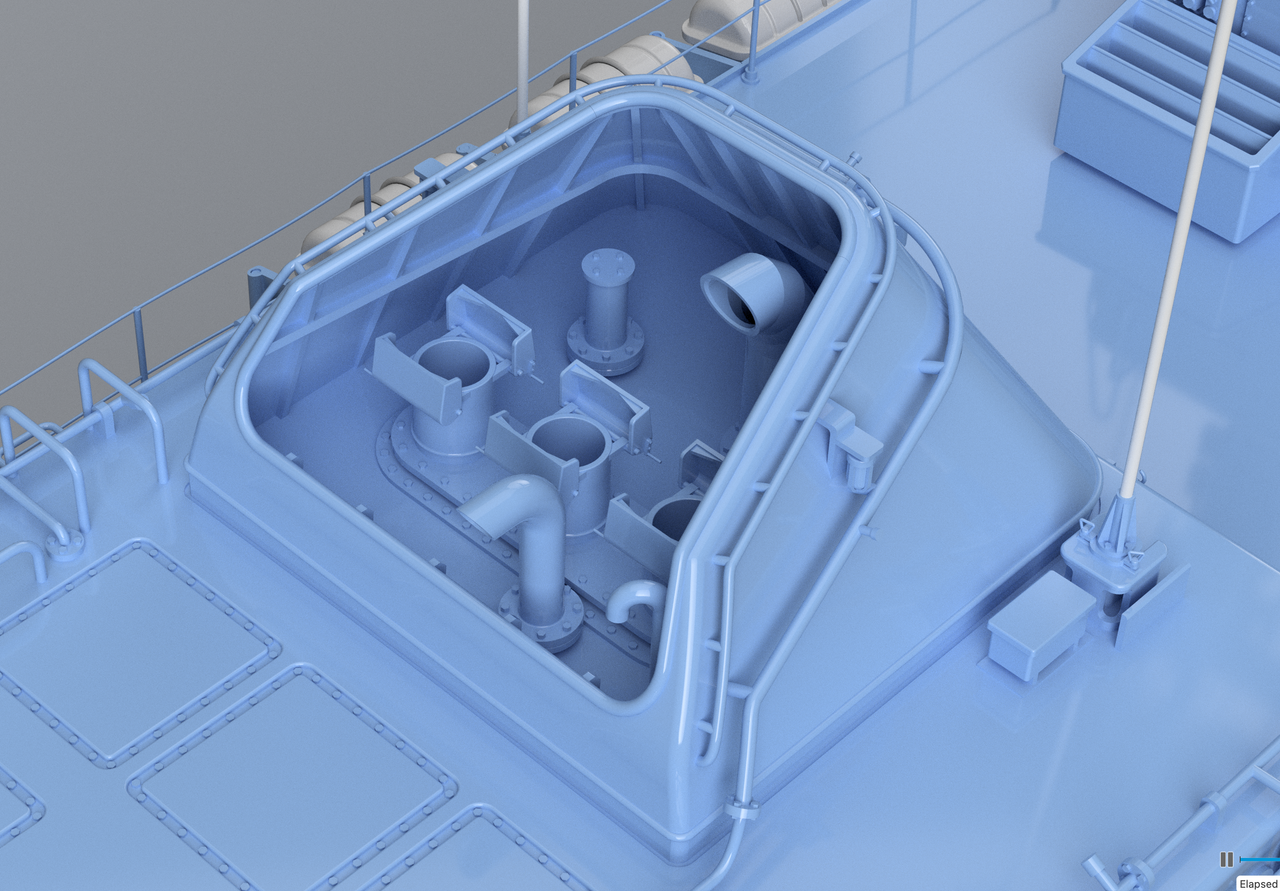
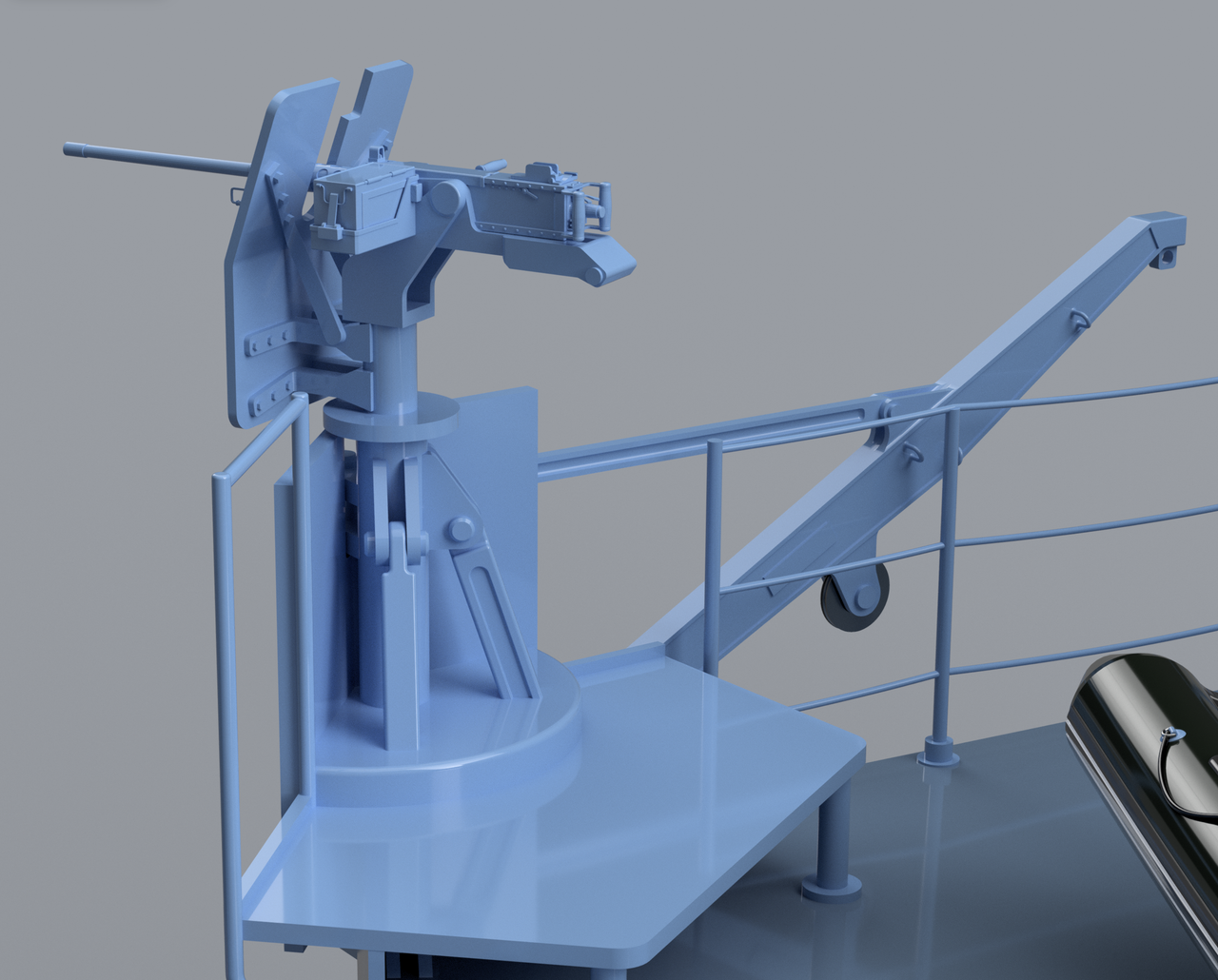
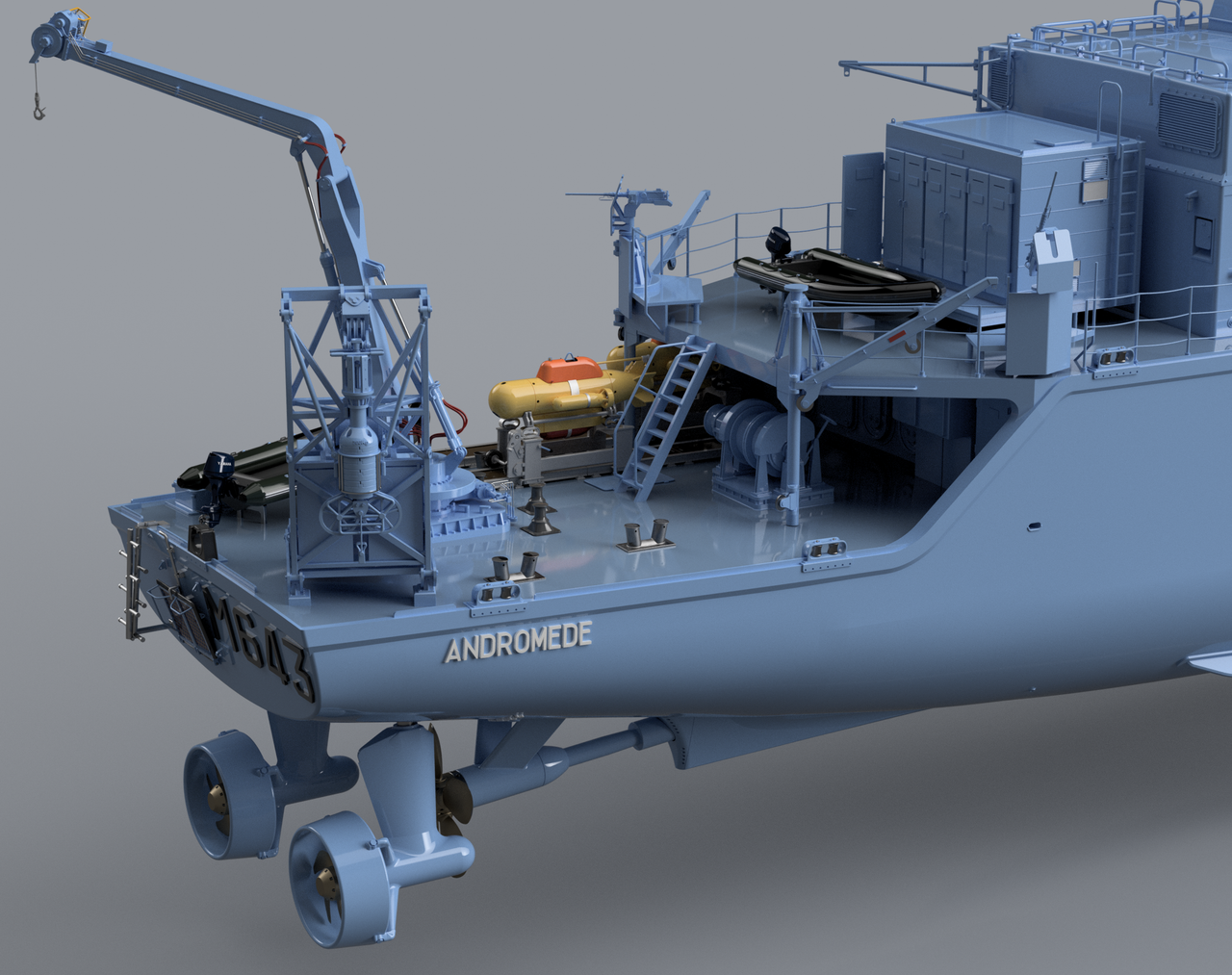
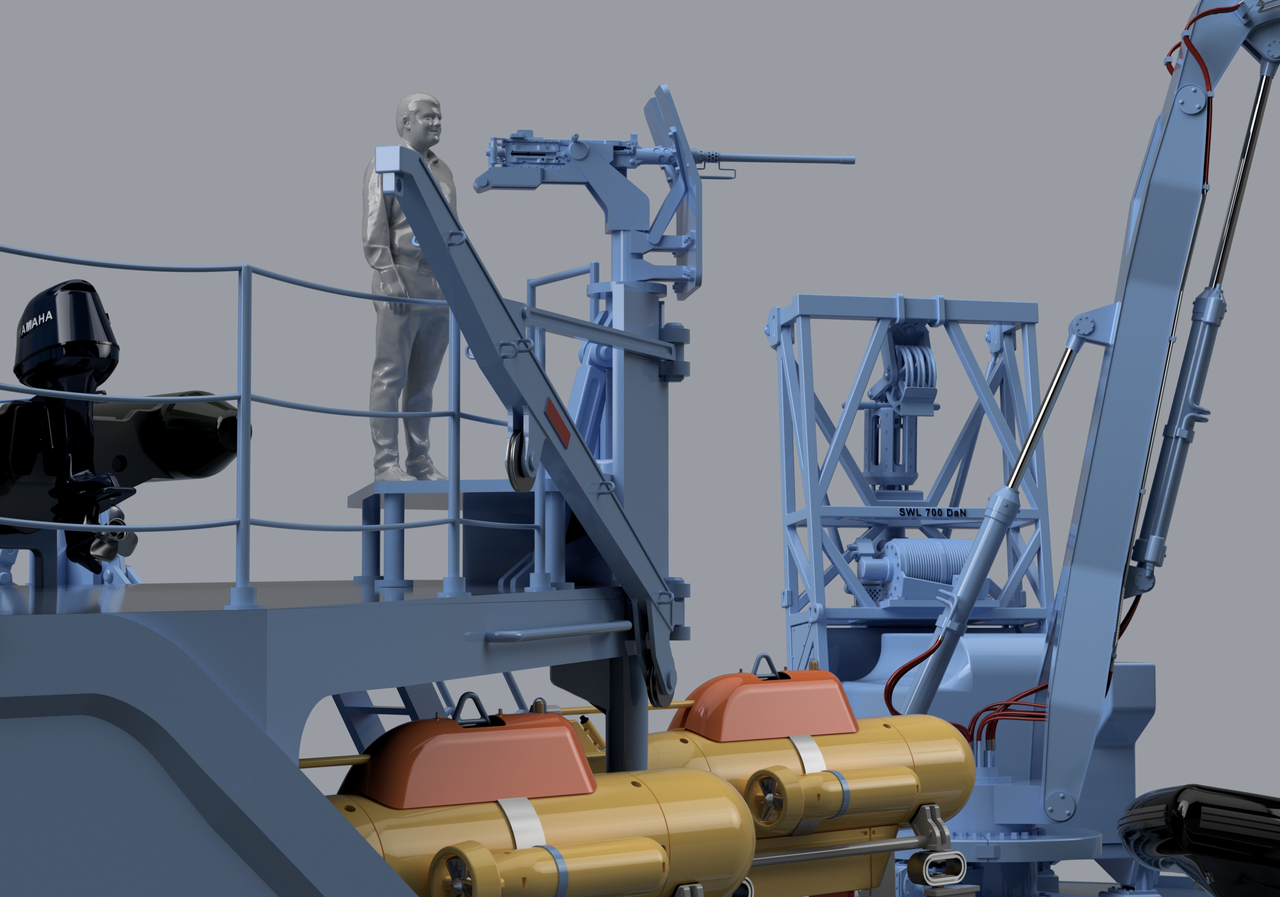
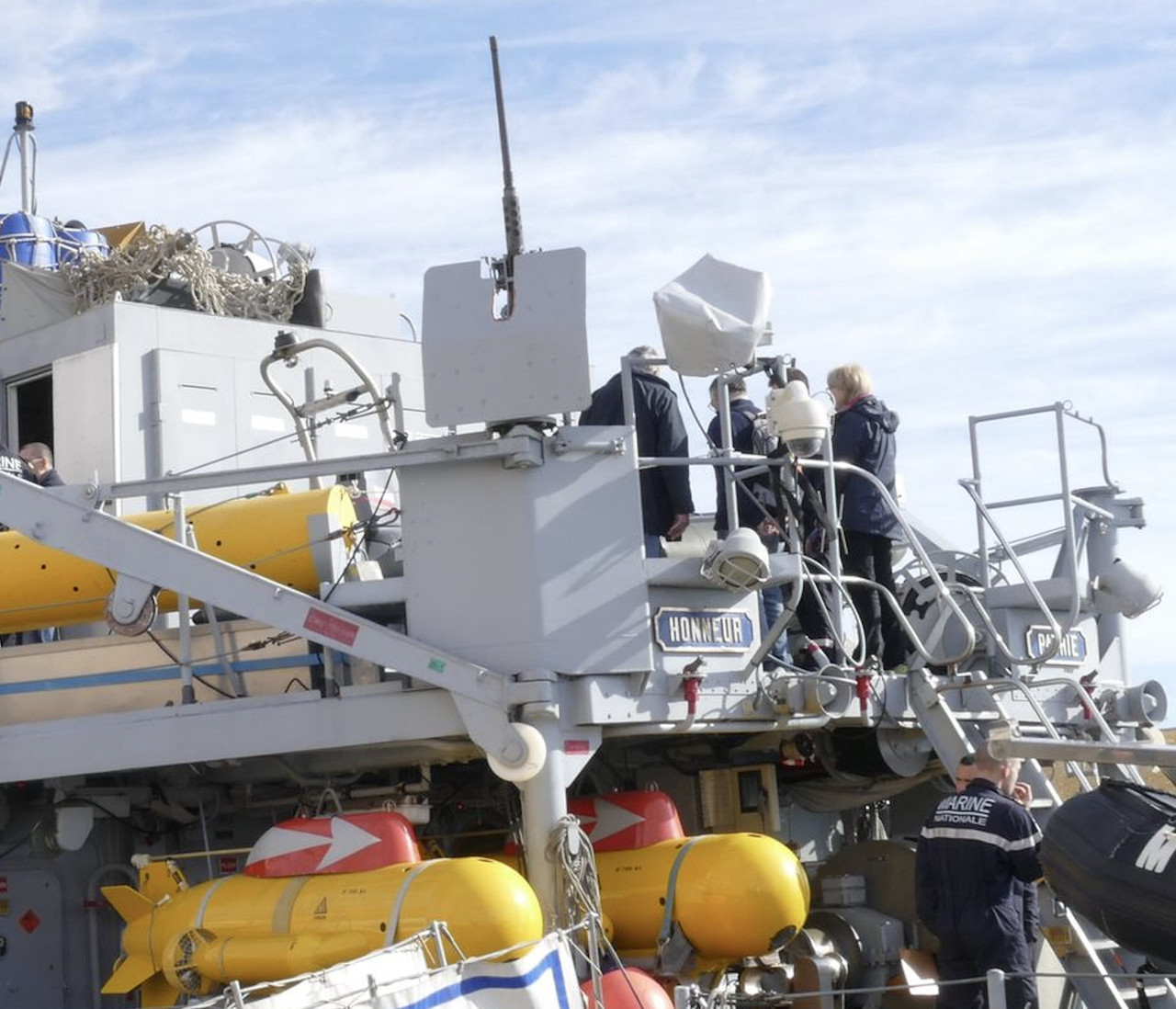
Drawing of the ‘Hyperbar’ block. It's not finished yet; I still need to draw a few pipes on the decompression chamber. I won't go into too much detail, as it's inside the room.
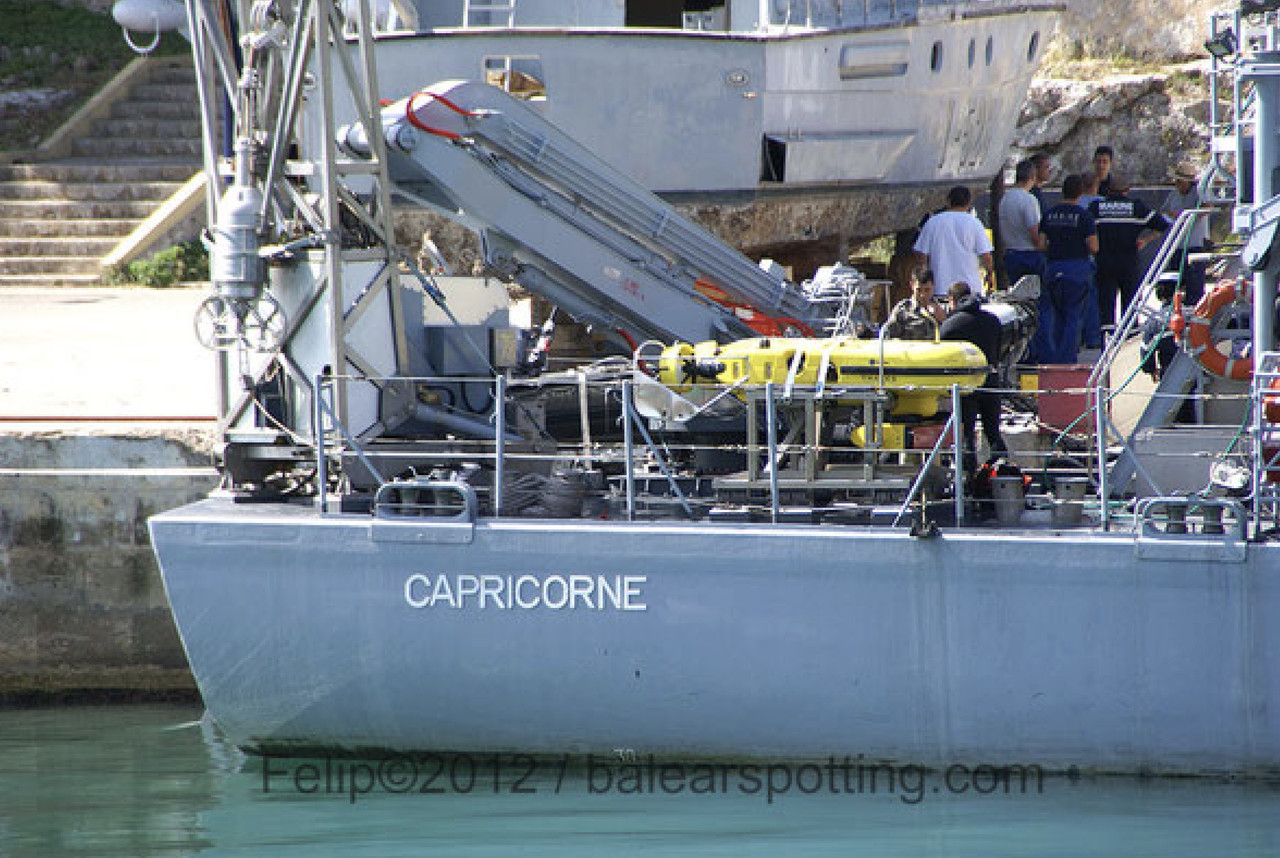
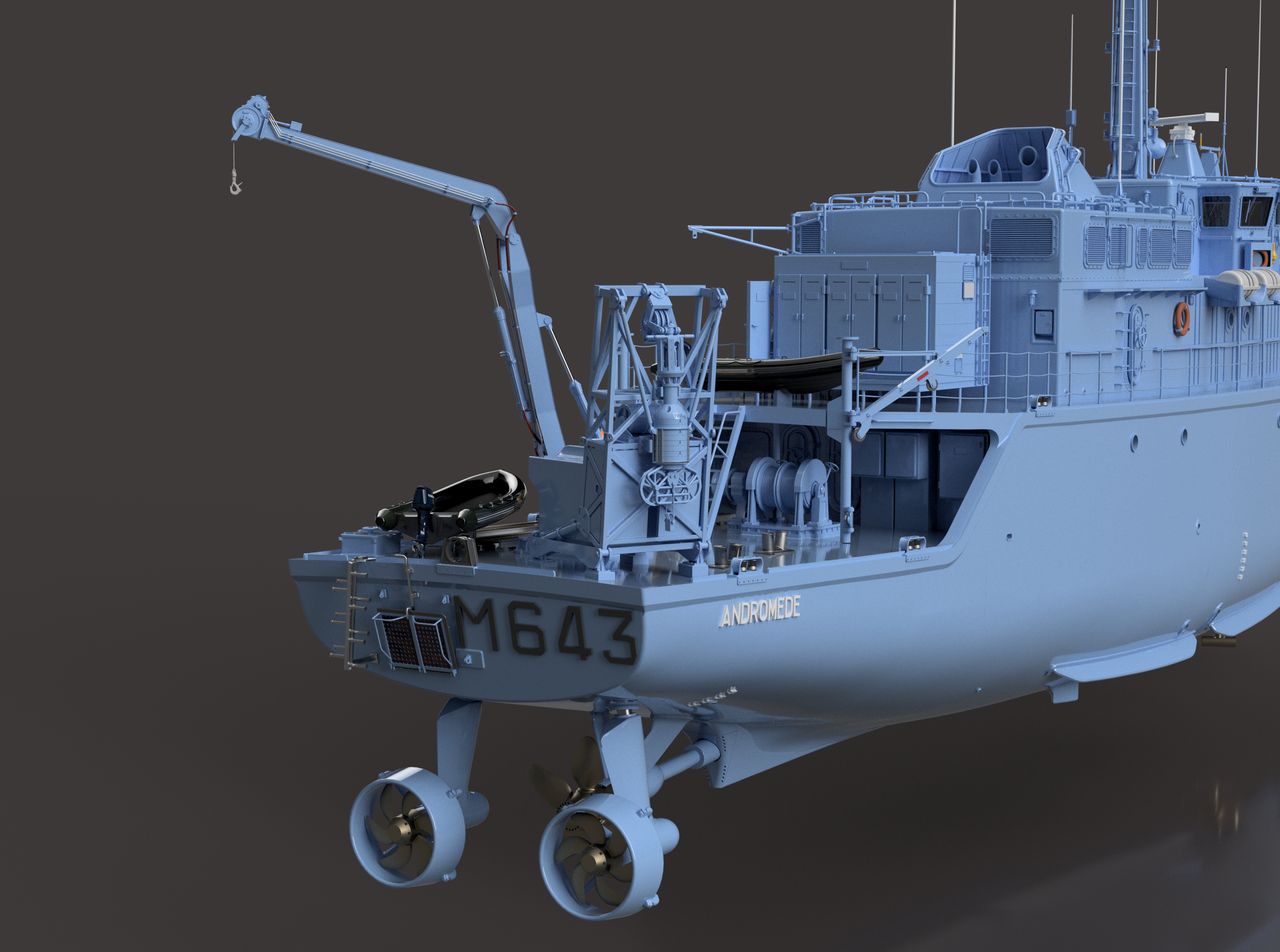
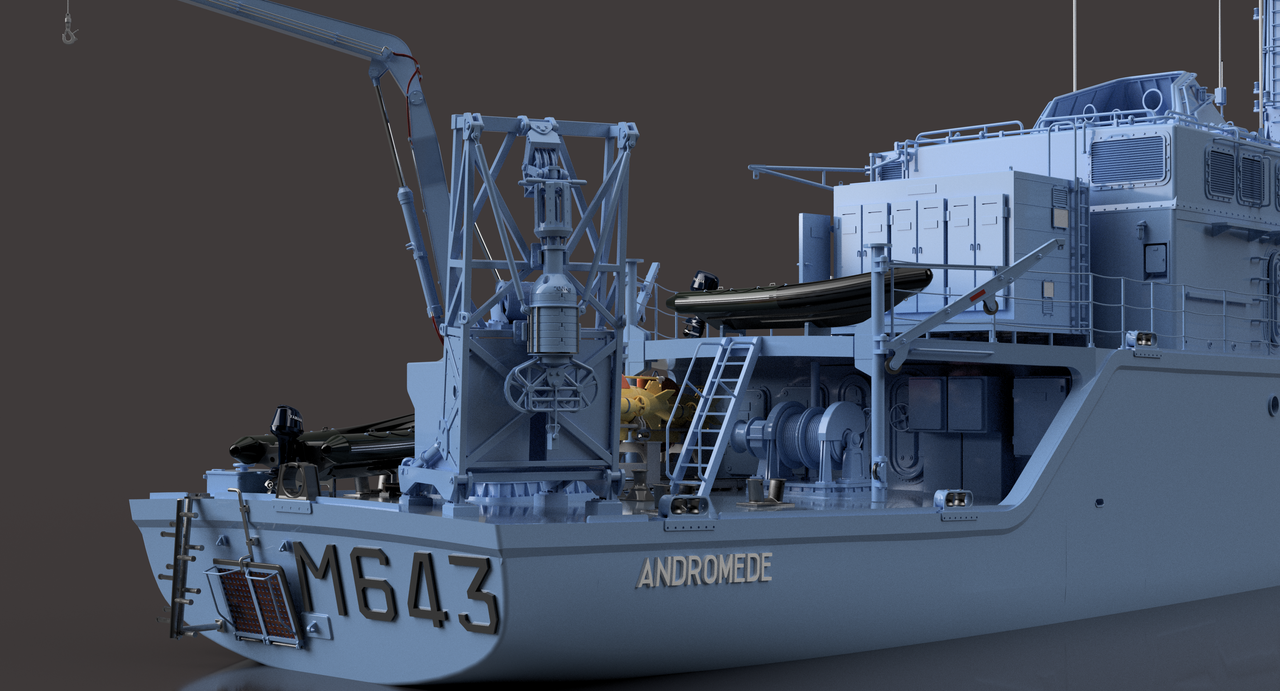
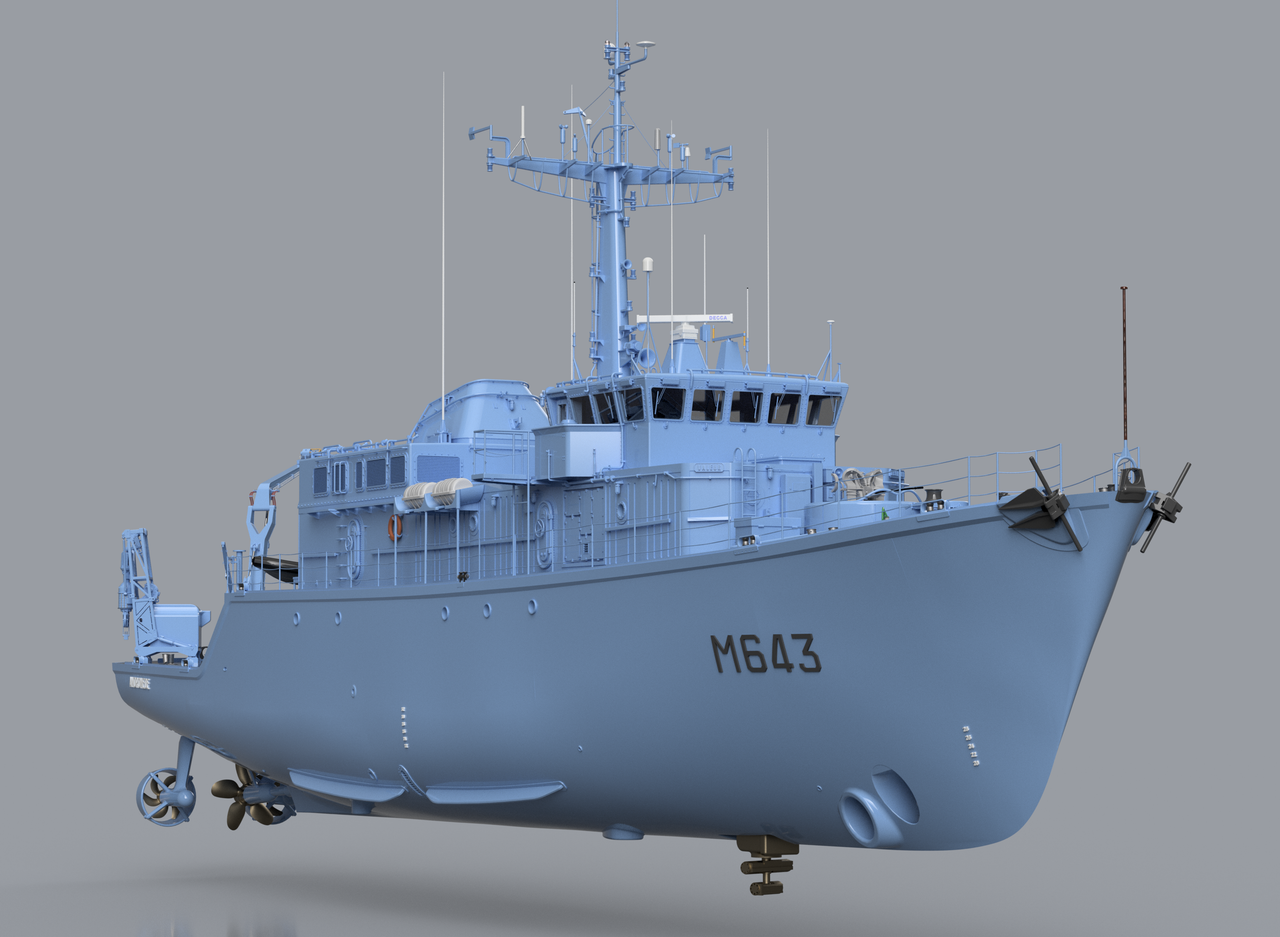
What is the thing on the transom just to the left of the hull number? It looks like a vent, but it has cables and such attached that make it look like something that can be deployed into the ocean.
Also, if I double click n your photos I get full screen danger warnings of attempts to hack into my computer.
A collision at sea will ruin your entire day. Aristotle
It's designed for a scale of at least 1/144 (the smallest).
After a long break from drafting, I’m resuming the project with a brand-new Mac (M5 Pro) and a new 27-inch monitor. My 2017 27-inch iMac was no longer compatible with Fusion 360 as of April 2026—so much for planned obsolescence, even though the machine was still holding up just fine!
Well, I have to admit that in nine years, Apple has made some significant leaps in development. It will certainly save me time, though it comes at a steep price... Thanks, AI data centers!
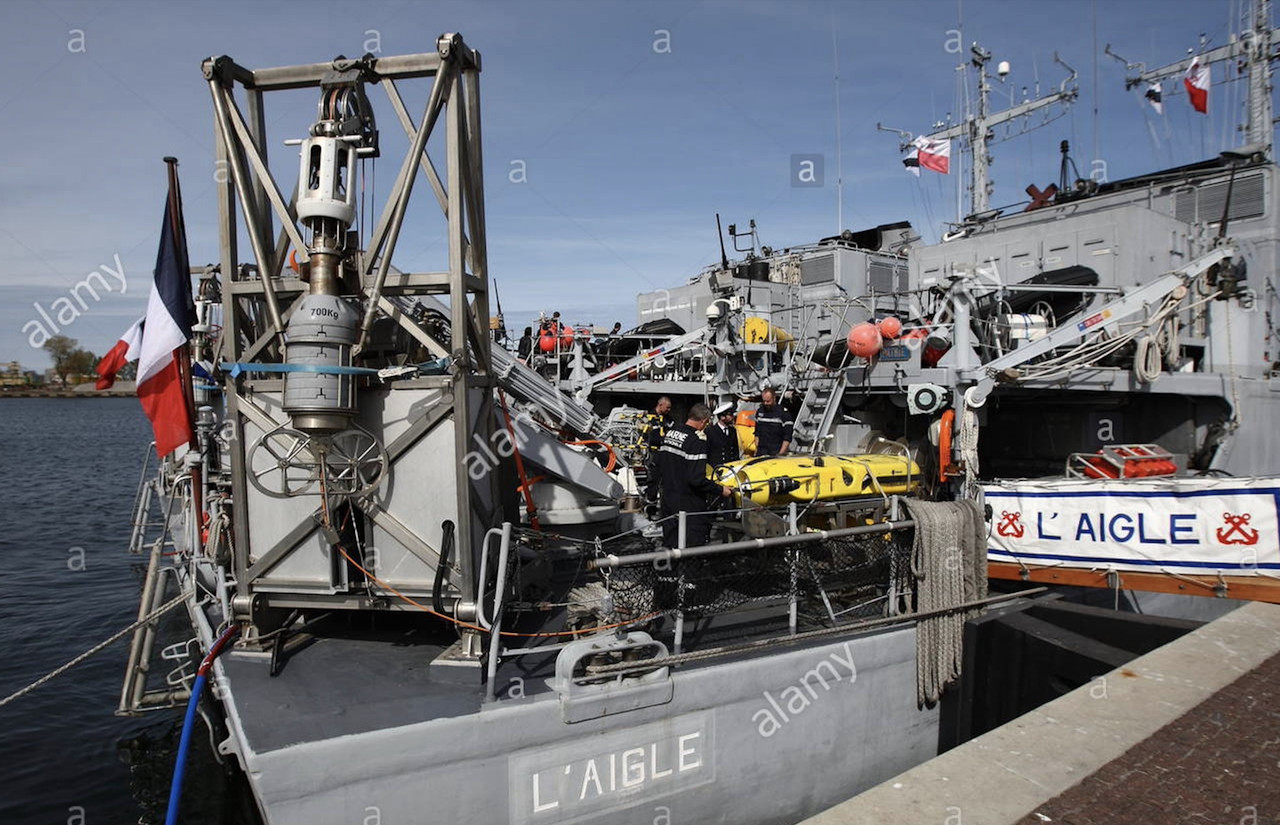
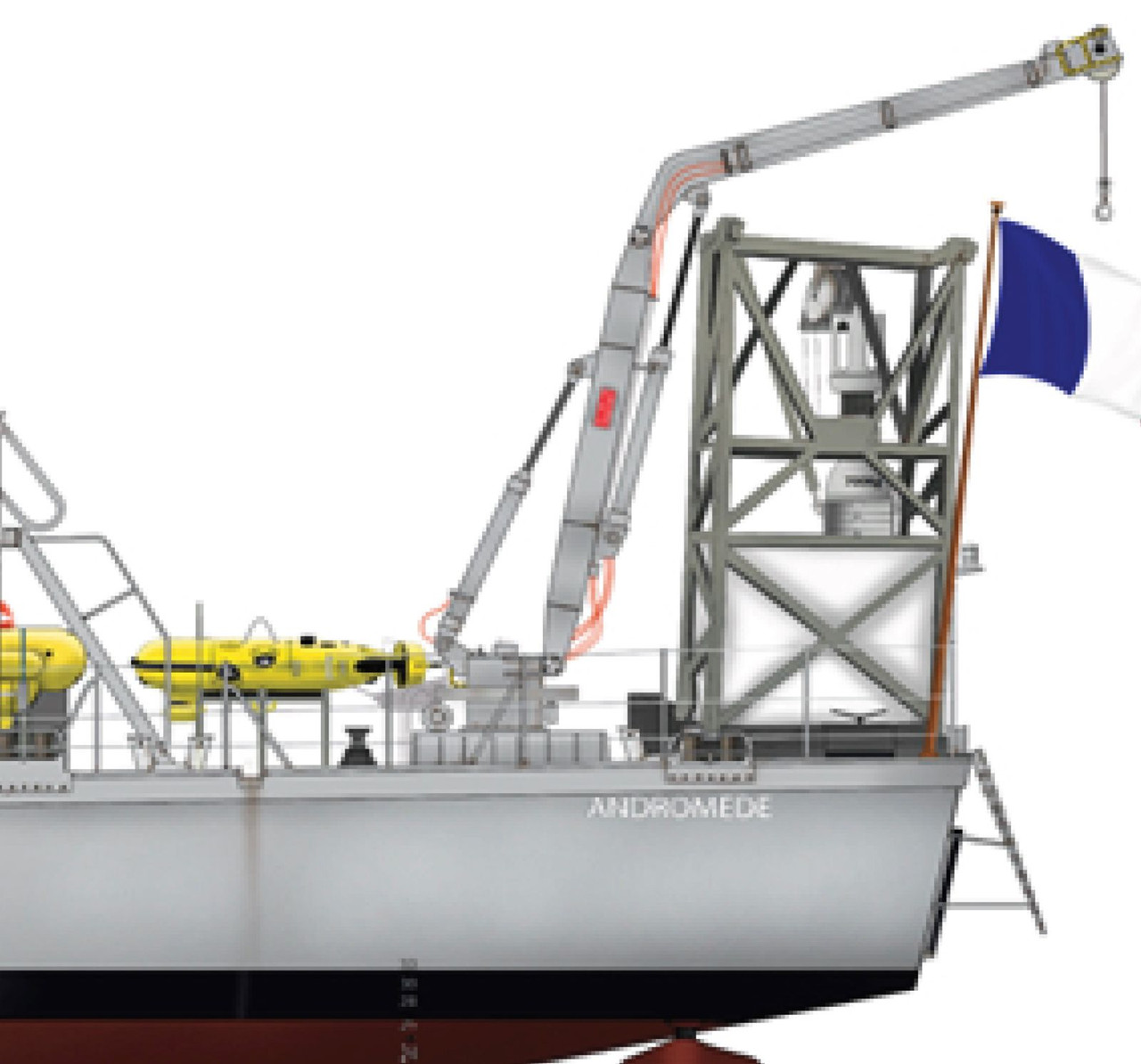
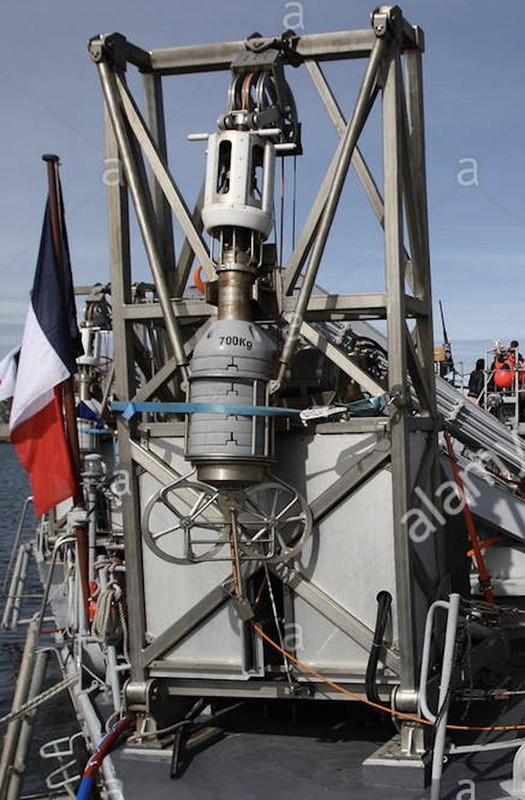
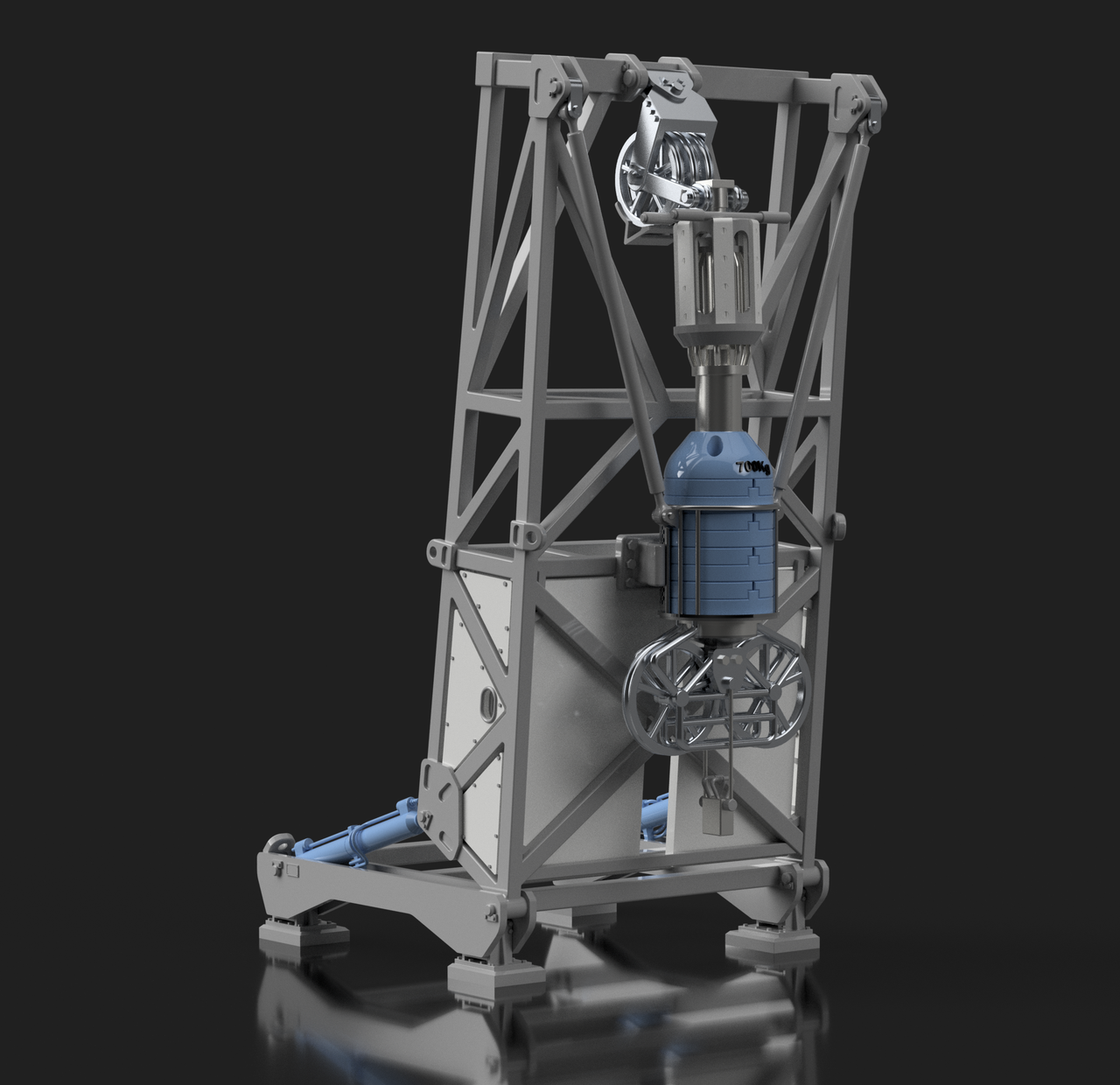
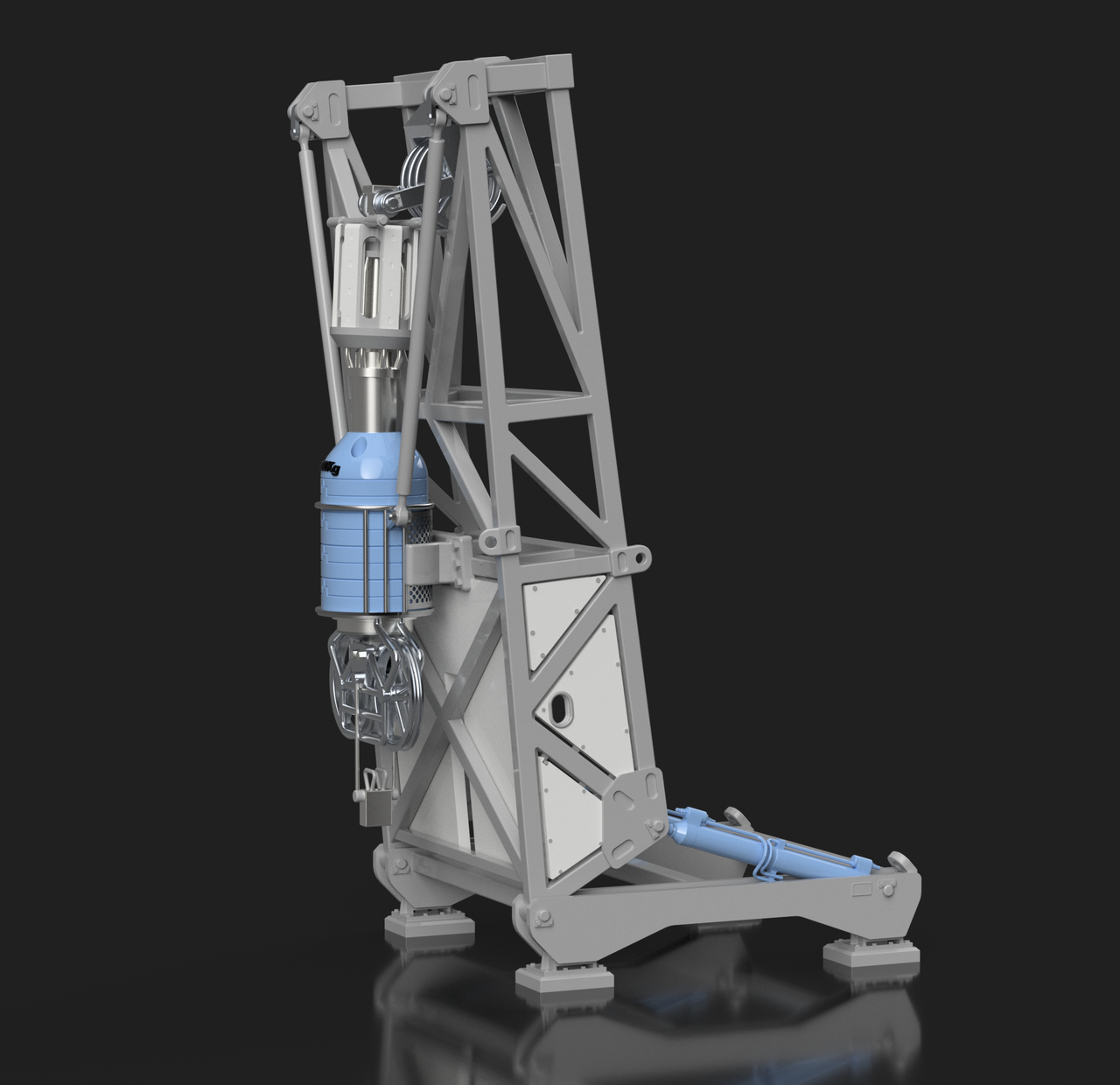
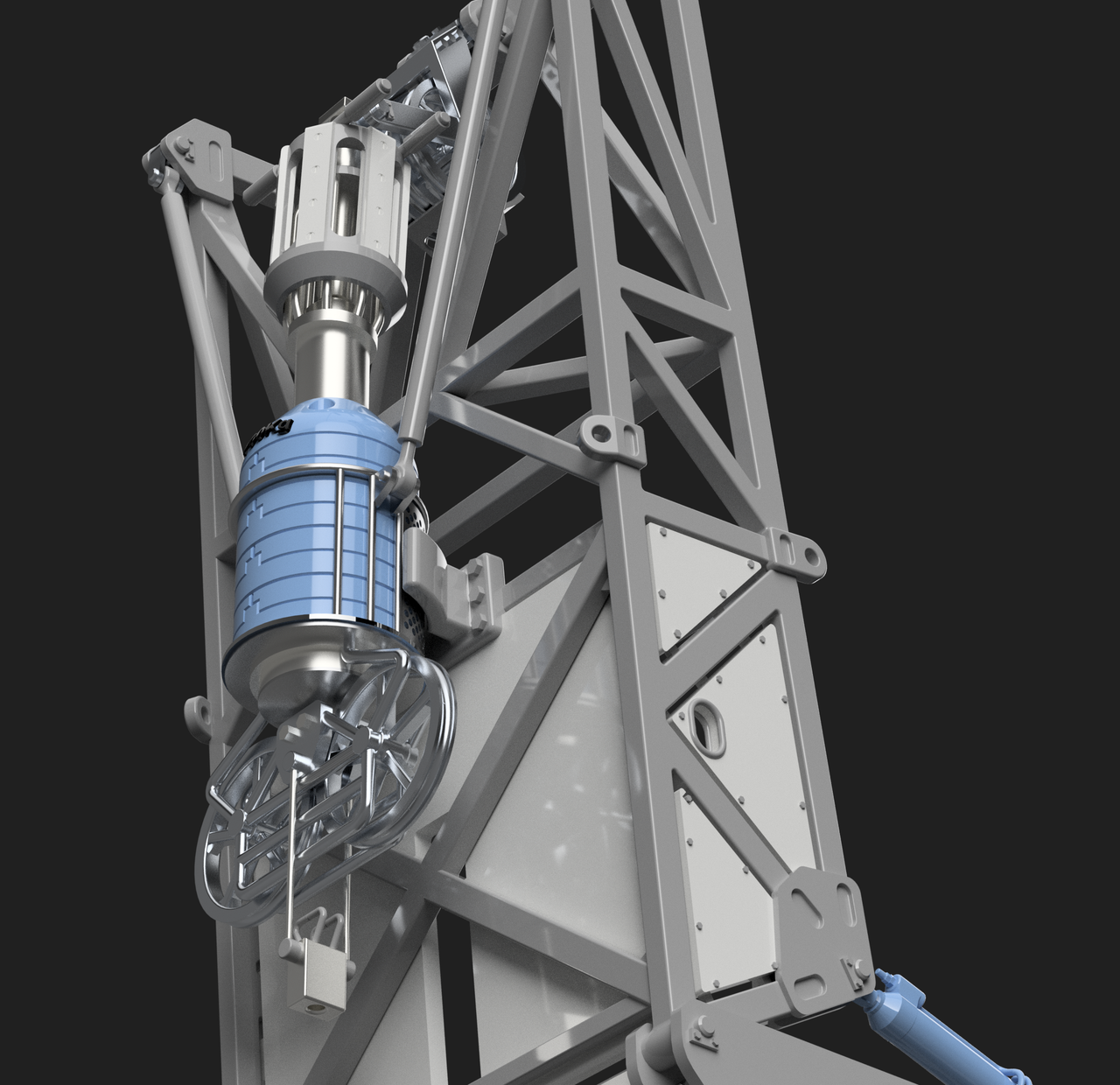
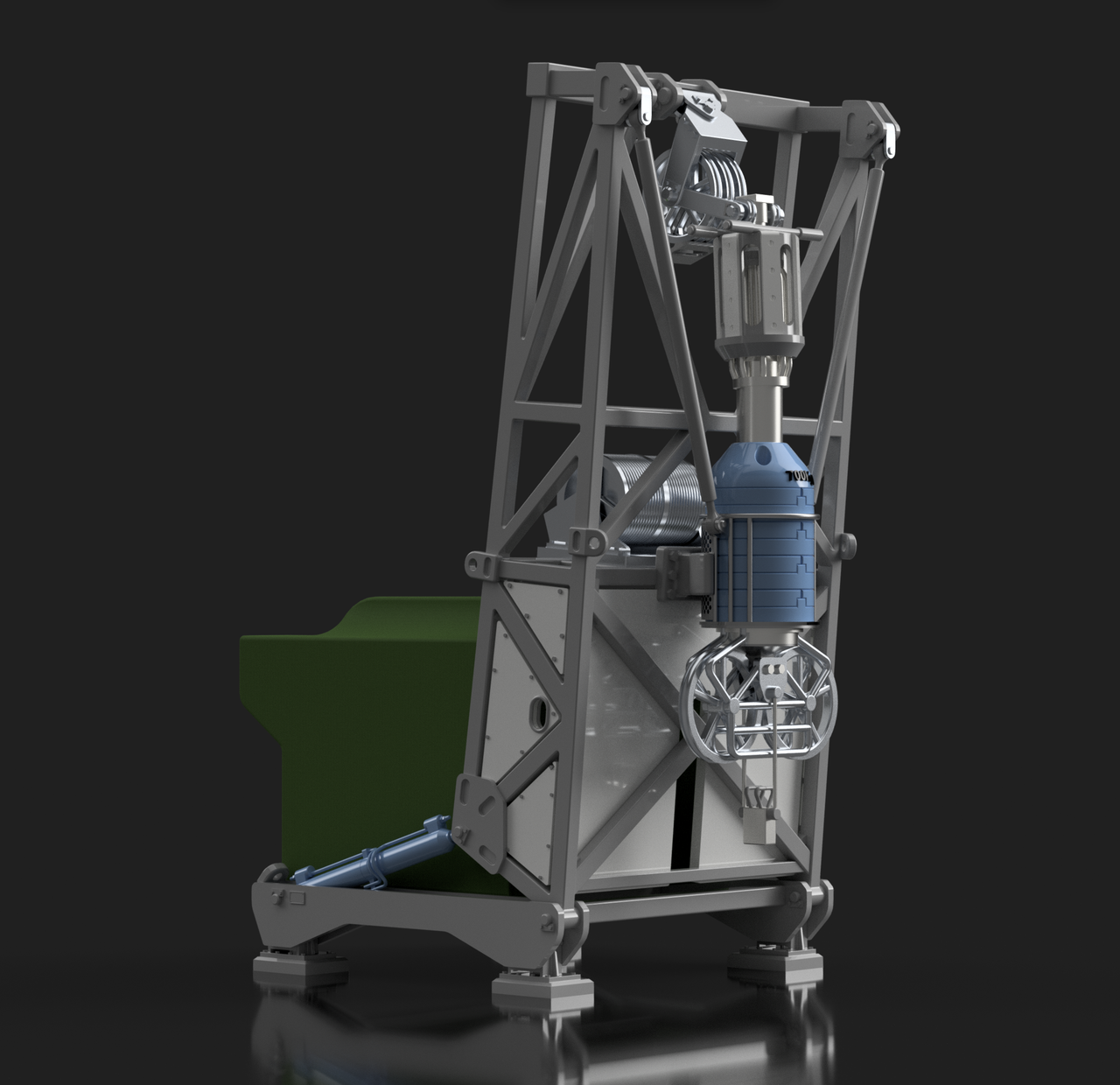
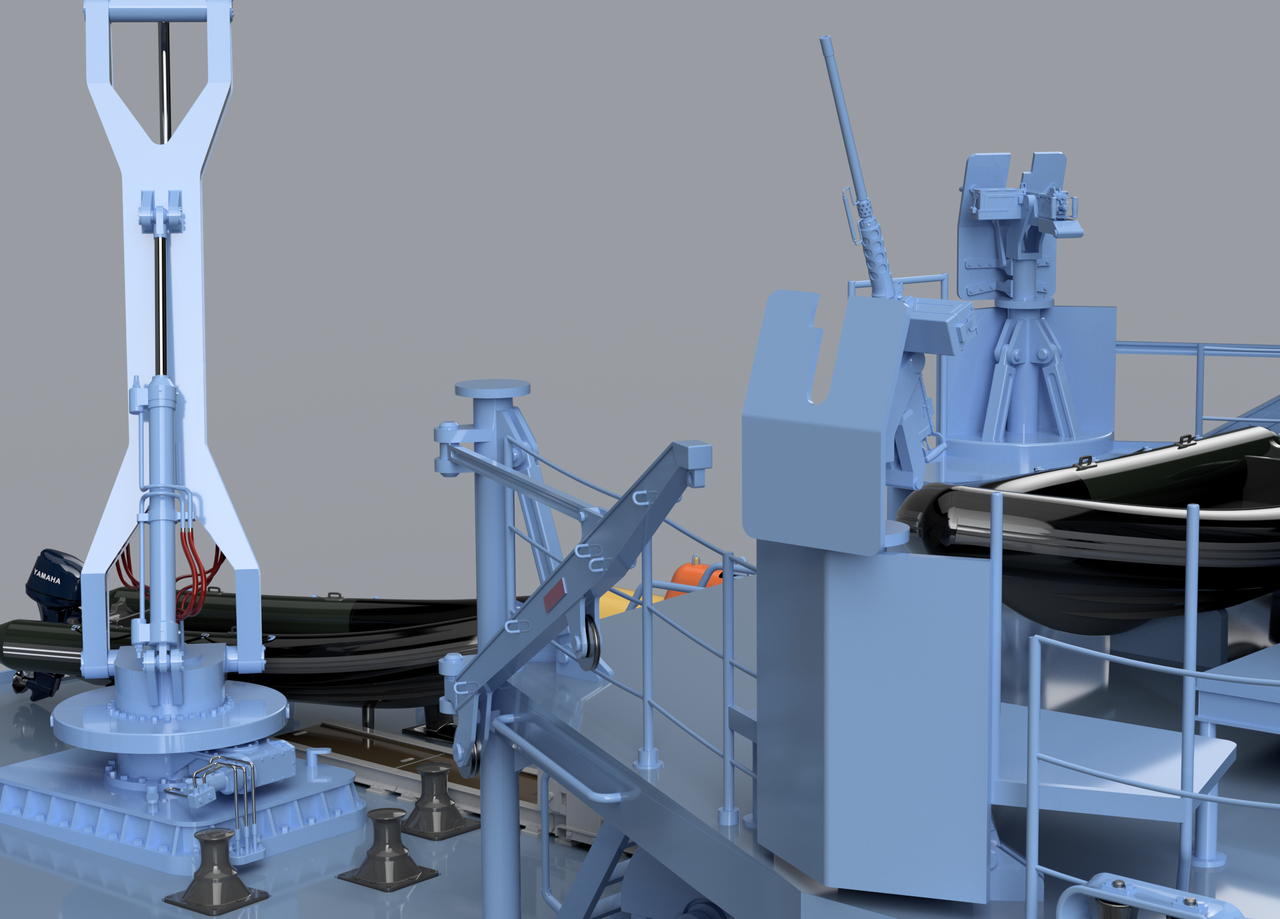
I’ve looked for a blueprint of this winch gantry, but I think that’s a lost cause. I’ll have to work from photographs—I have quite a few—though figuring out dimensions and proportions that way is always tricky. Thanks to Lionel for his help.
At least with the crane, I had something resembling a blueprint to get started.
Regarding this specific gantry:
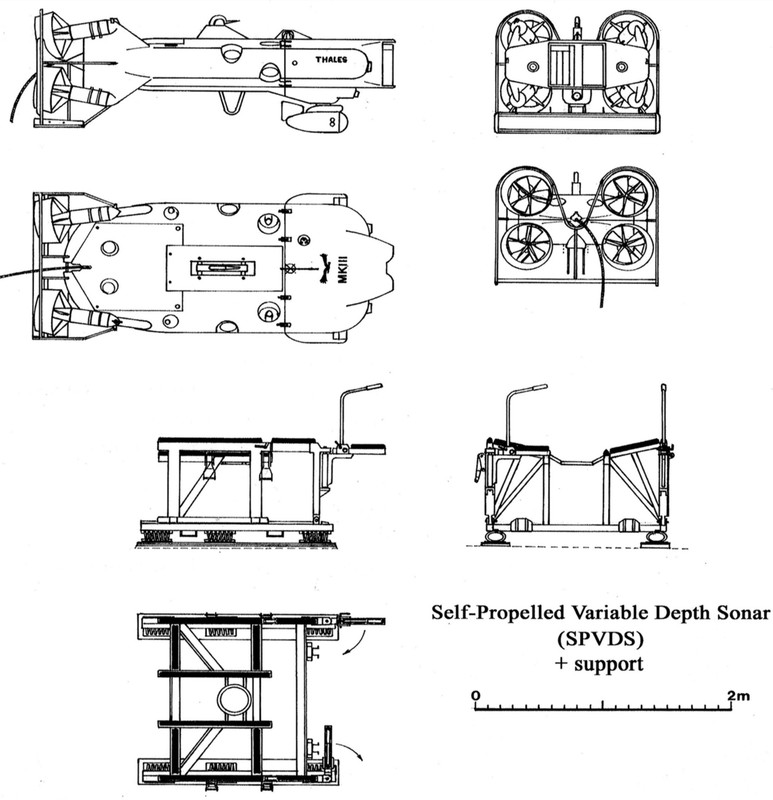
• Primary role: It is used for the deployment and handling of the Variable Depth Sonar (VDS)—or *Sonar Propulsé à Immersion Variable* (SPIV) in French.
• Sonar operation: This sonar (a Thales TSM 2022 Mk 3 model) is mounted on a *Double Eagle Mk2* remotely operated underwater vehicle (designed by Bofors). The aft gantry allows for the safe launch and recovery of this underwater drone from the ship’s fantail (aft deck).
• Fleet-wide deployment: The integration of this gantry took place between 2000 and 2005. The *Andromède* was the first French Navy vessel to be equipped with it, and the *Persée* was the last, marking the conclusion of the modernization program for the CMT (mine-hunting) class of ships. The Double Eagle Mk II (developed by Saab) is a world-class remotely operated vehicle (ROV) used for naval mine countermeasures. Integrated onto the aft deck of Tripartite-class minehunters, its operational mode relies on a precise technological synergy. Several models exist.
1. The PVDS (Propelled Variable Depth Sonar) Concept
Unlike expendable drones or fixed hull-mounted sonars, the Double Eagle Mk II functions as a self-propelled, variable-depth sonar system.
• Advanced scout: The vehicle operates several hundred meters ahead of the minehunter, allowing the host vessel to remain at a safe distance from potentially mined areas.
• Depth and angle adjustment: By housing the detection and classification sonar (Thales TSM 2022 Mk 3) directly in its nose, the Double Eagle allows operators to adjust the sonar’s depth—enabling it to operate beneath thermal layers in the water (which can disrupt acoustic waves)—and to optimize the viewing angle toward a target.
2. Propulsion and Piloting
The vehicle weighs approximately 360 kg and features a highly stable, hydrodynamic dual-hull design.
• Multidirectional propulsion: It is equipped with an array of electric thrusters—typically six for vertical and lateral movement, and four high-power thrusters for forward and reverse motion—providing six degrees of freedom. It can counter challenging ocean currents and navigate at speeds of up to 6 knots.
• The "Tether" (umbilical): The drone remains permanently connected to the MCMV (Mine Countermeasures Vessel) via a fiber-optic reinforced umbilical cable (often 1,000 meters in length). This cable provides an unlimited power supply from the ship and ensures the real-time transfer of sonar data and high-definition video feeds to the operations room.
3. Typical mission sequence
1. Deployment: The A-frame (gantry) on the aft deck picks up the Double Eagle Mk II and lowers it into the water in a stabilized manner.
2. Guided transit: The operator on board integrates the ROV’s path with the ship’s combat management system using waypoints.
3. Detection & Identification: The drone scans the seabed ahead. As soon as a suspicious echo is detected by its Thales sonar, the operator maneuvers the vehicle closer and uses its onboard floodlights and low-light television cameras to visually identify the mine. 4. Neutralization (optional): Although the French mine-countermeasure vessels (CMTs) primarily use it in "propelled sonar" mode for search operations, the Double Eagle platform can carry a neutralization charge or mechanical/explosive cable cutters to sever the mooring lines of anchored mines.
I don't have all the correct technical or visual information to do some specific things, but it's close to this:
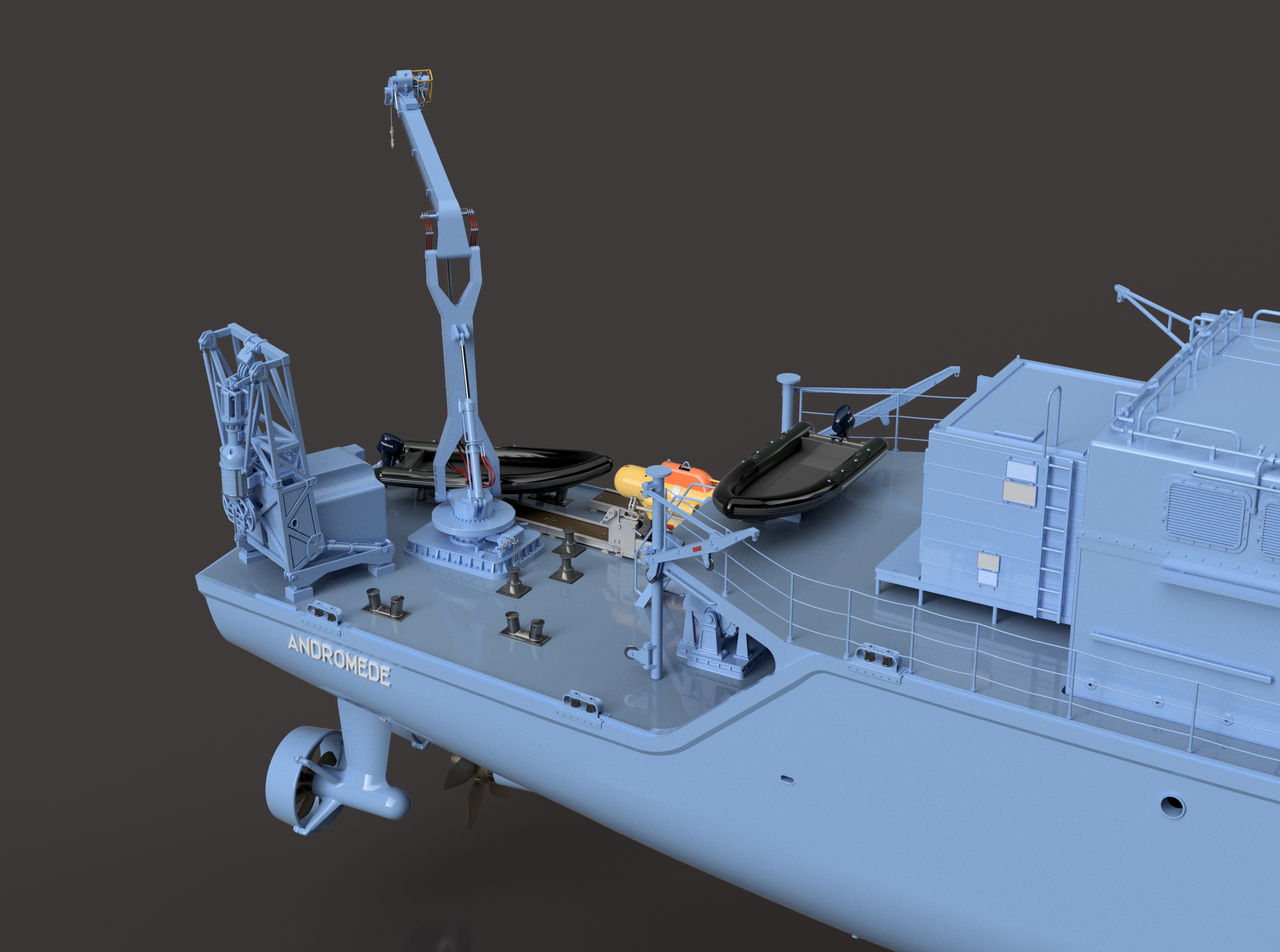
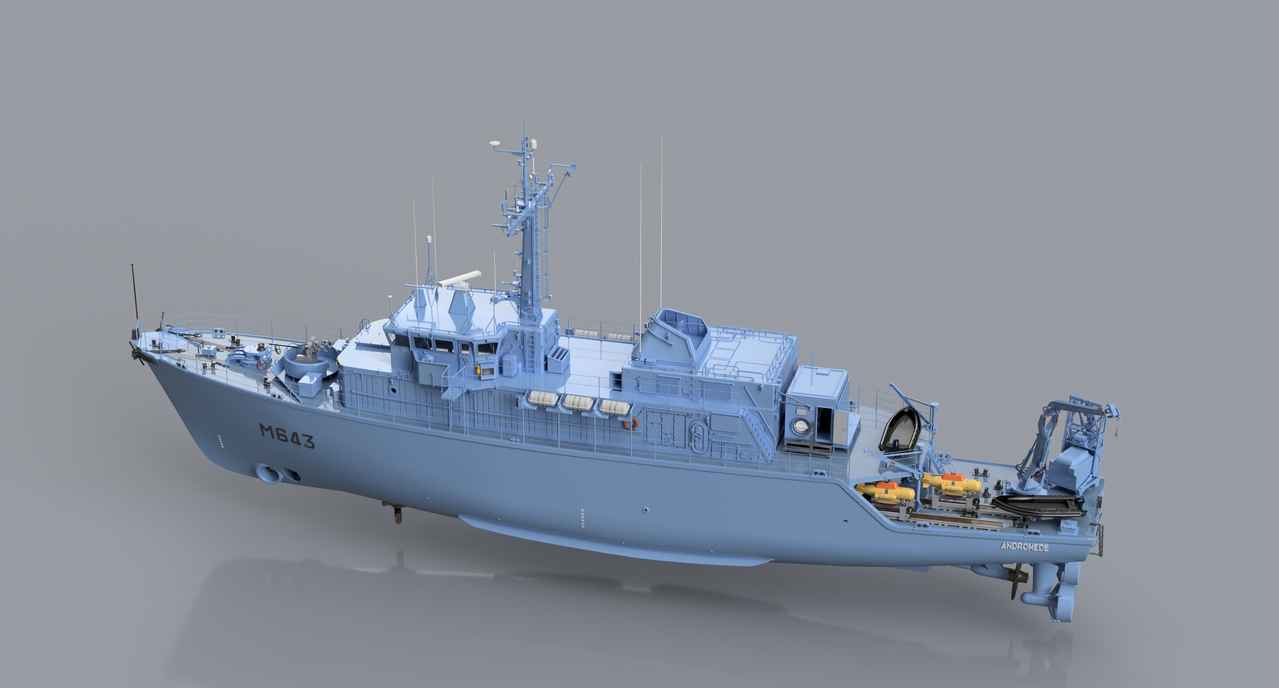
That's almost finished for this equipment. Here it is in place on the aft starboard side.
I don't have a clear photo of what's under the green tarpaulin unfortunately.
Click twice for HD view.
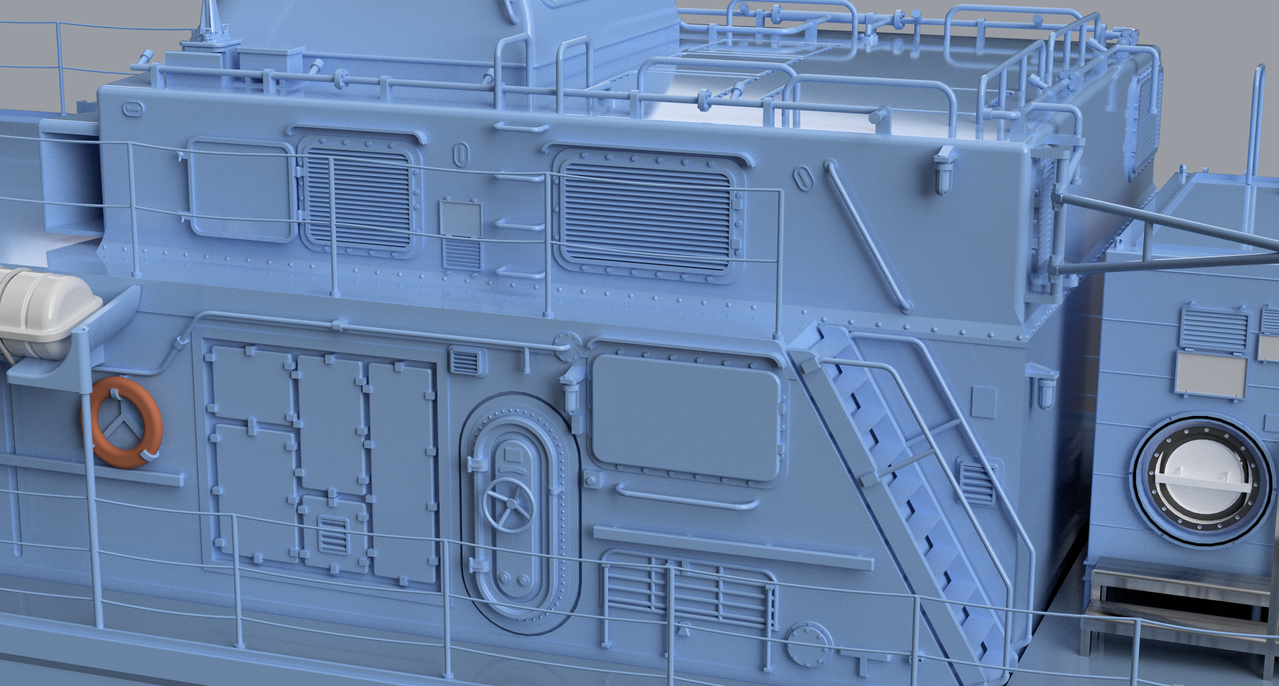
Drawing of the retractable ship wings, rain watering piping, etc. I go into detail.
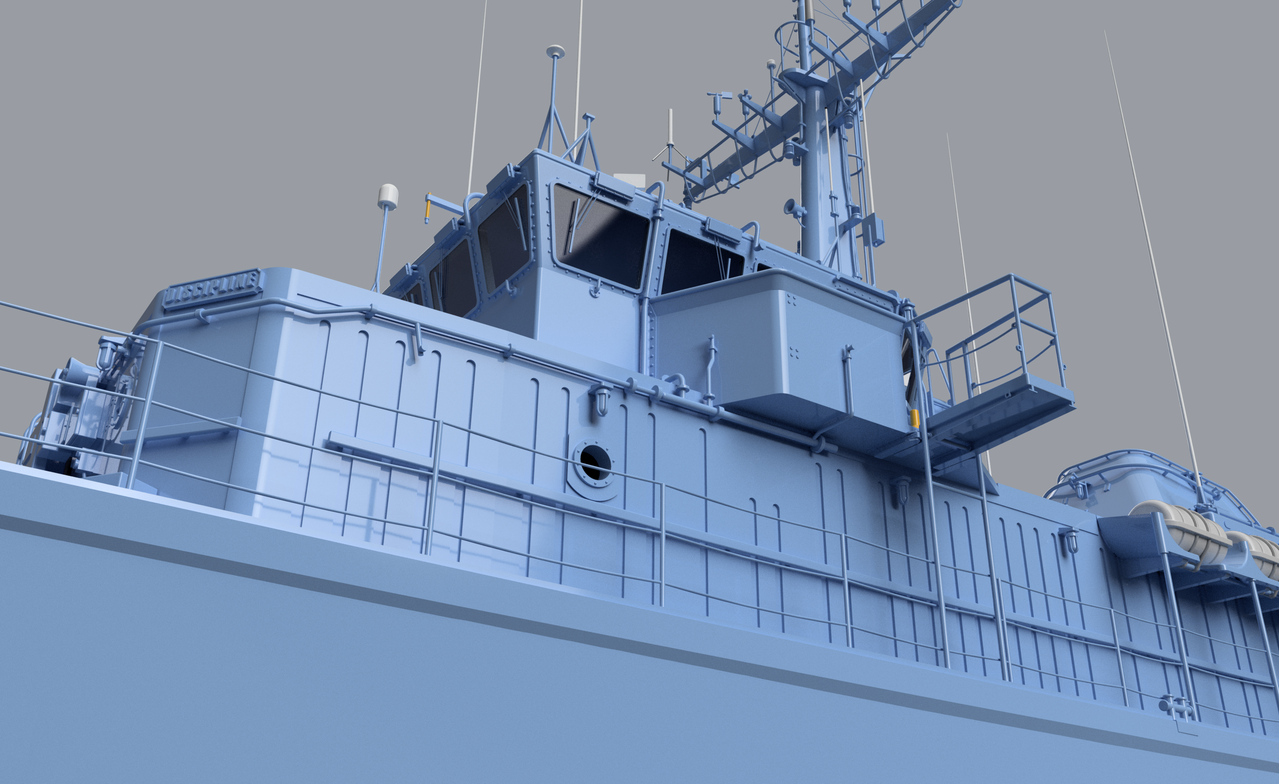
I'm still working on the port side of the ship; I've finished drawing all the pipes, which was a lot of work.
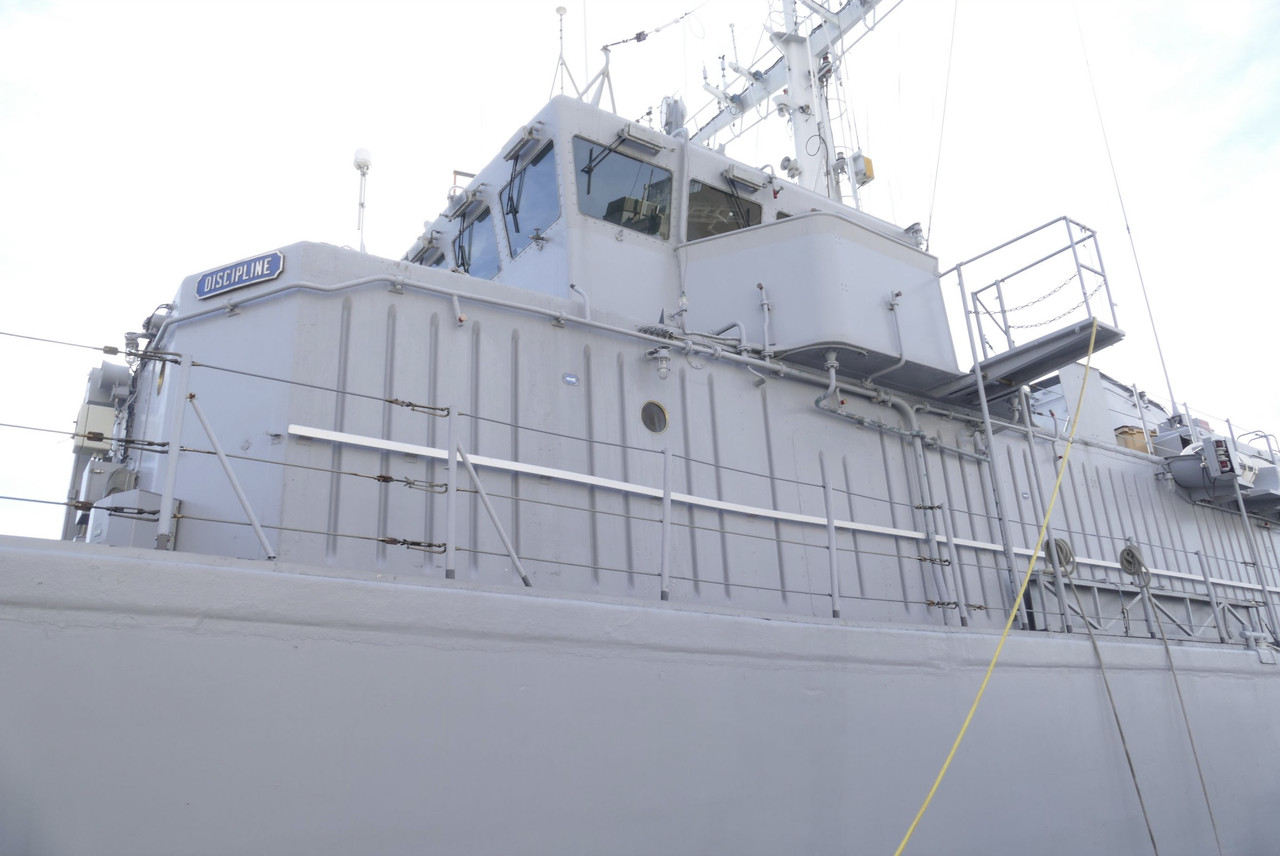
Then, on the aft section that houses the turbogenerators, I made a lot of changes to the ventilation grilles and other parts—there were some errors. I didn't have many photos of that side, so the photos from Maquette Land were a big help.
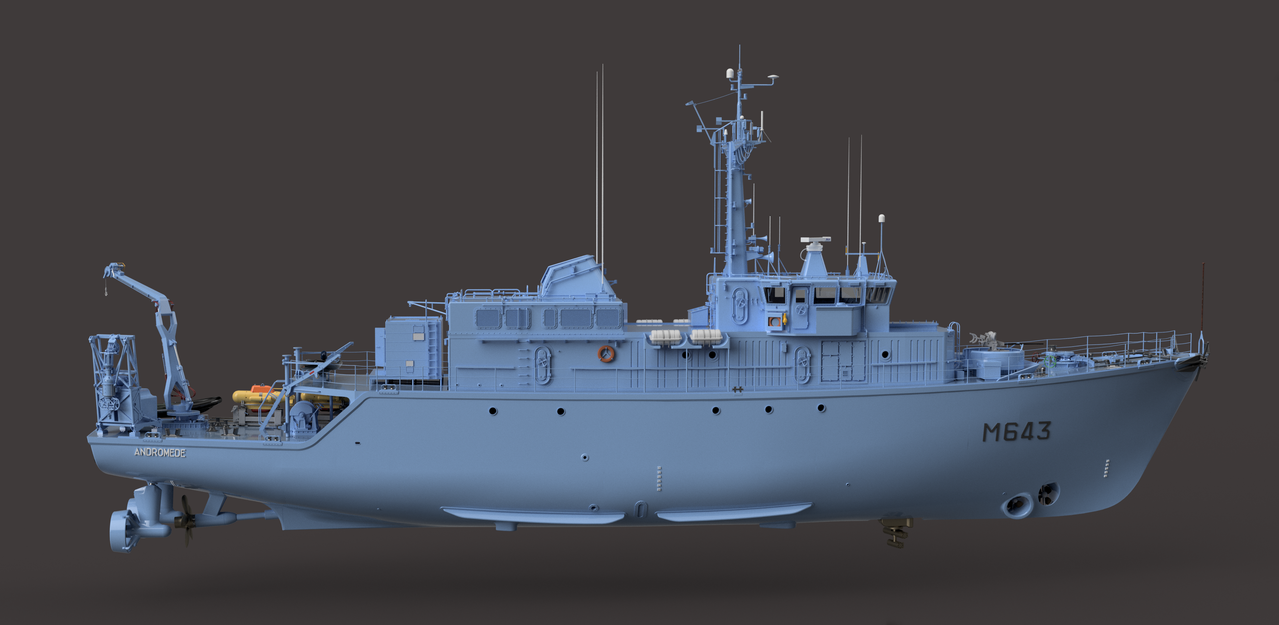
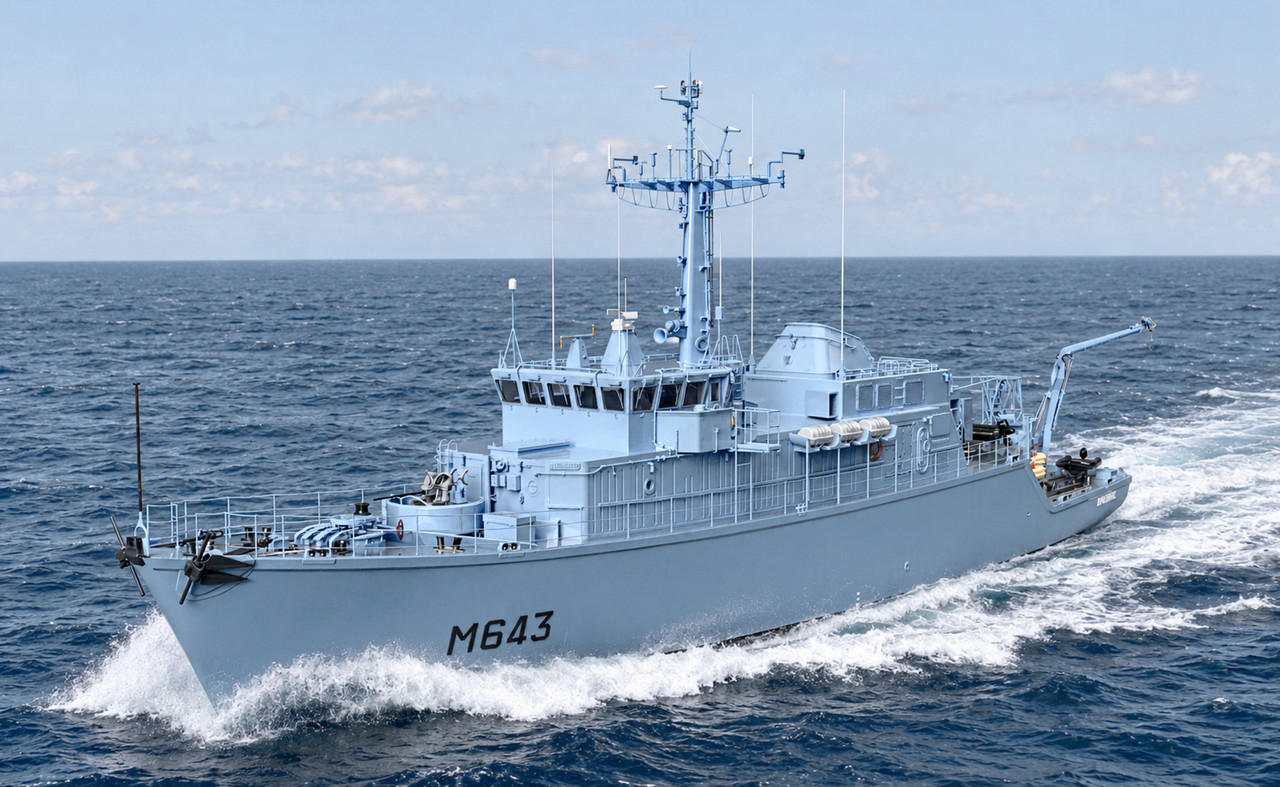
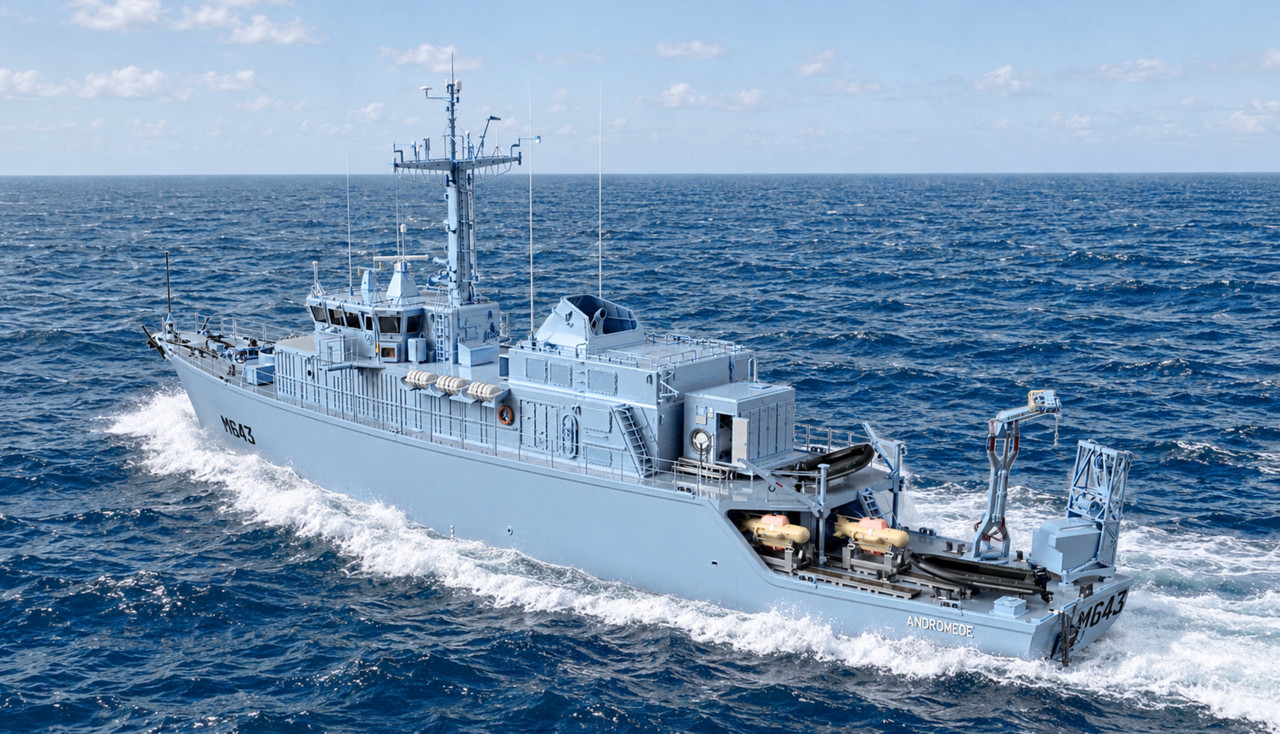
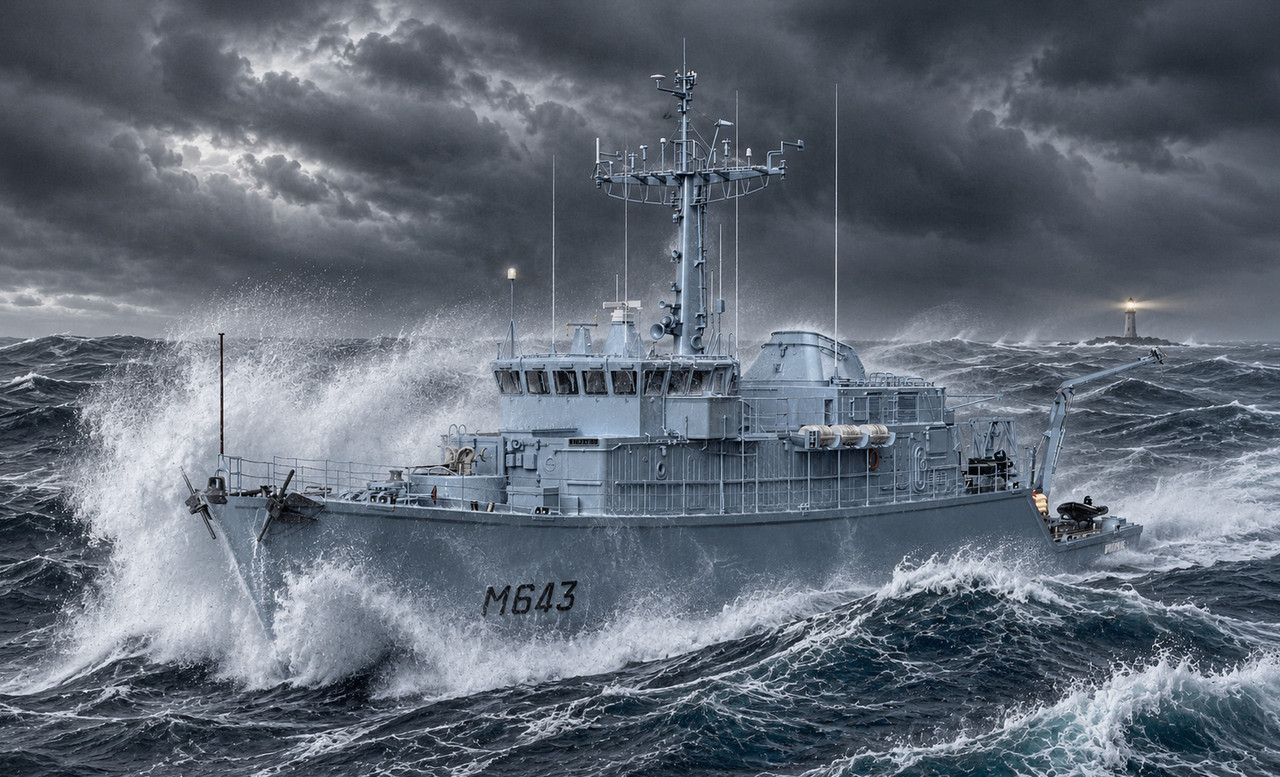
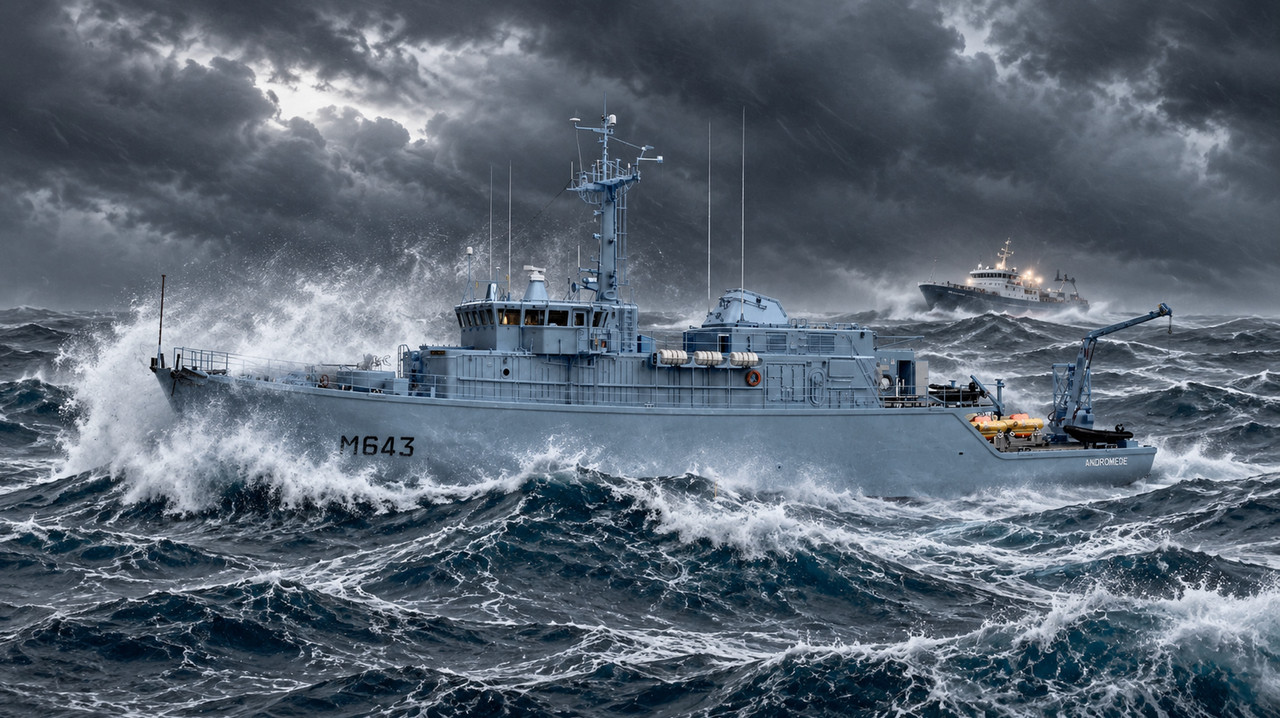
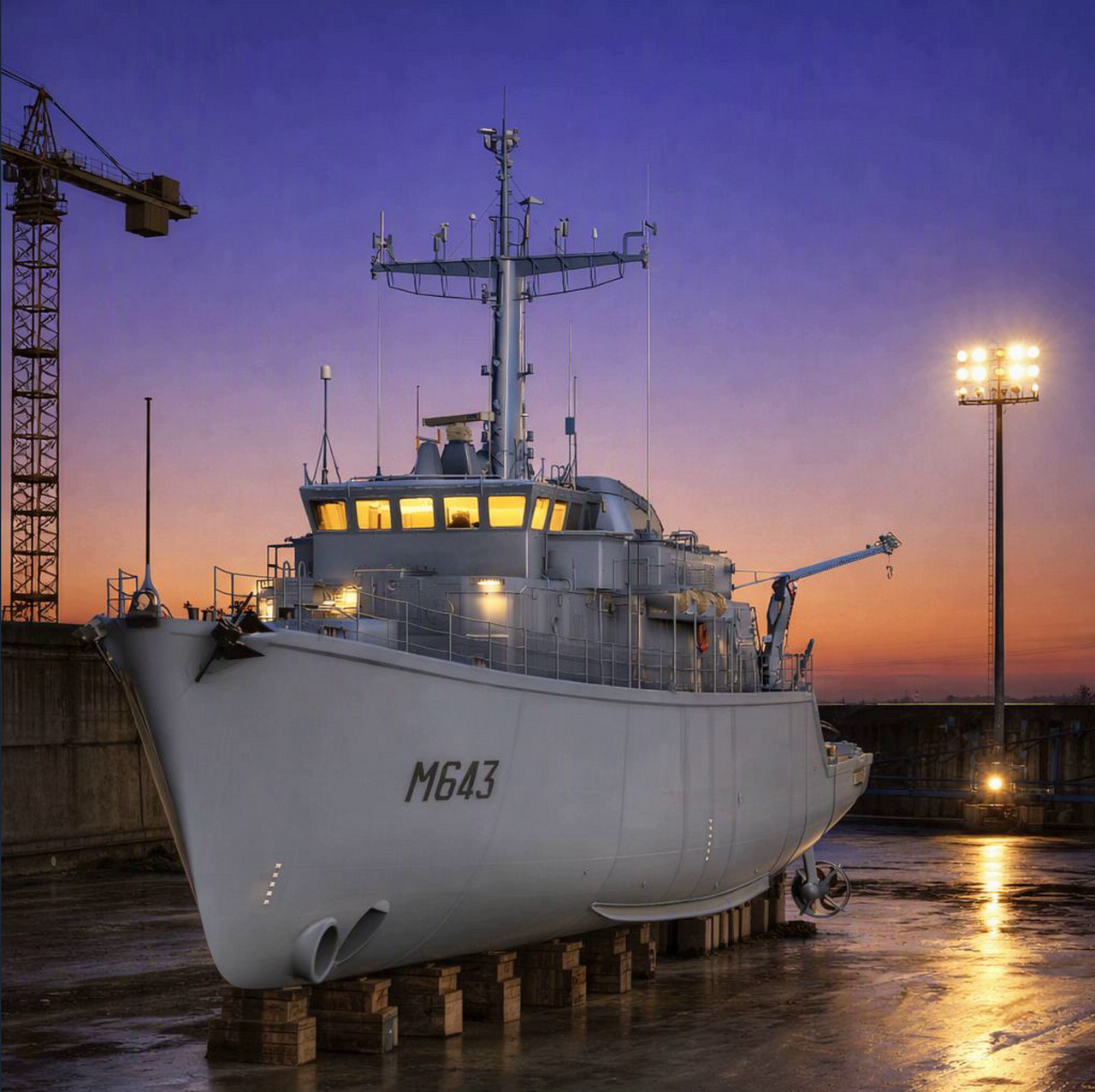
As a bonus, here are some new photo renderings created with AI based on my drawing.






 it's a folding platform for boarding with its typical ladder, for inflatables and divers.




 Thanks to Lionel for his help.