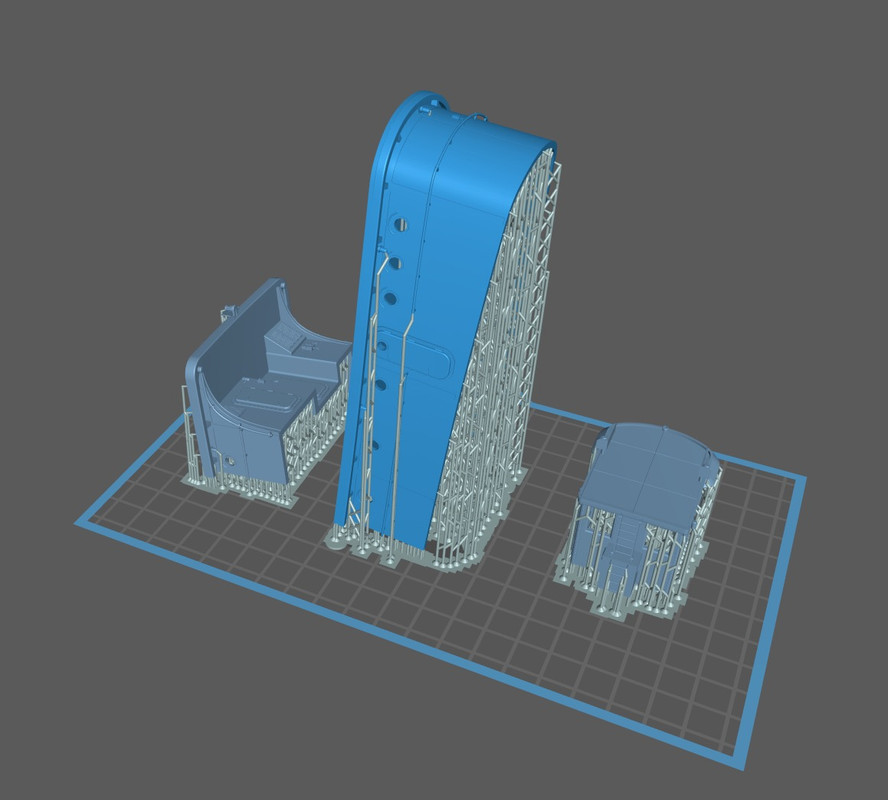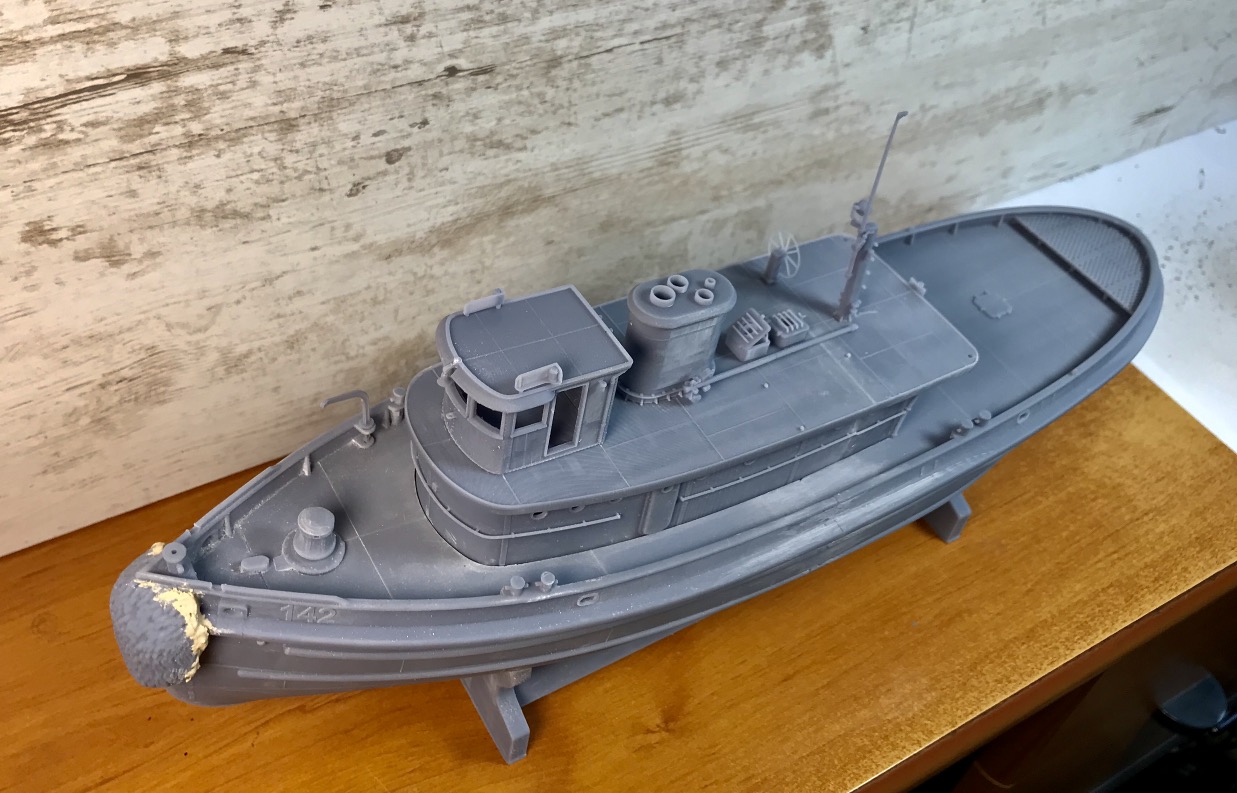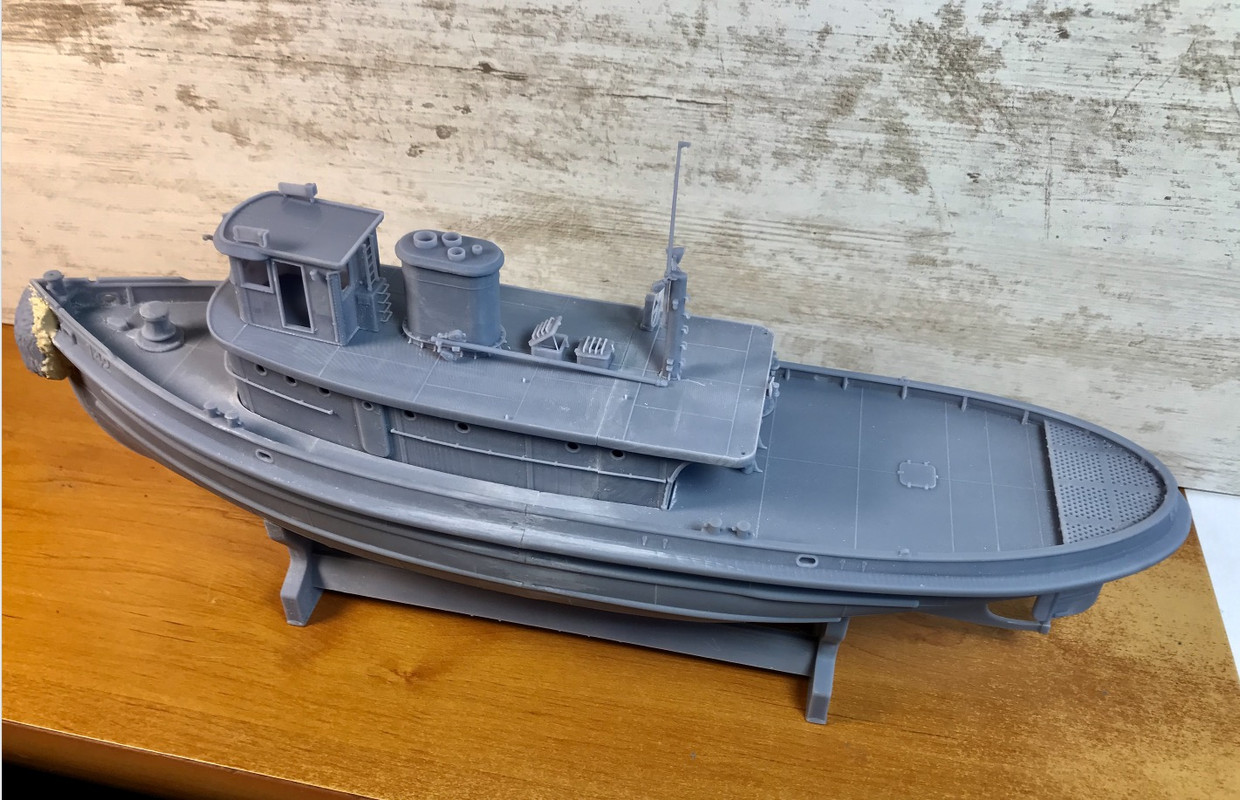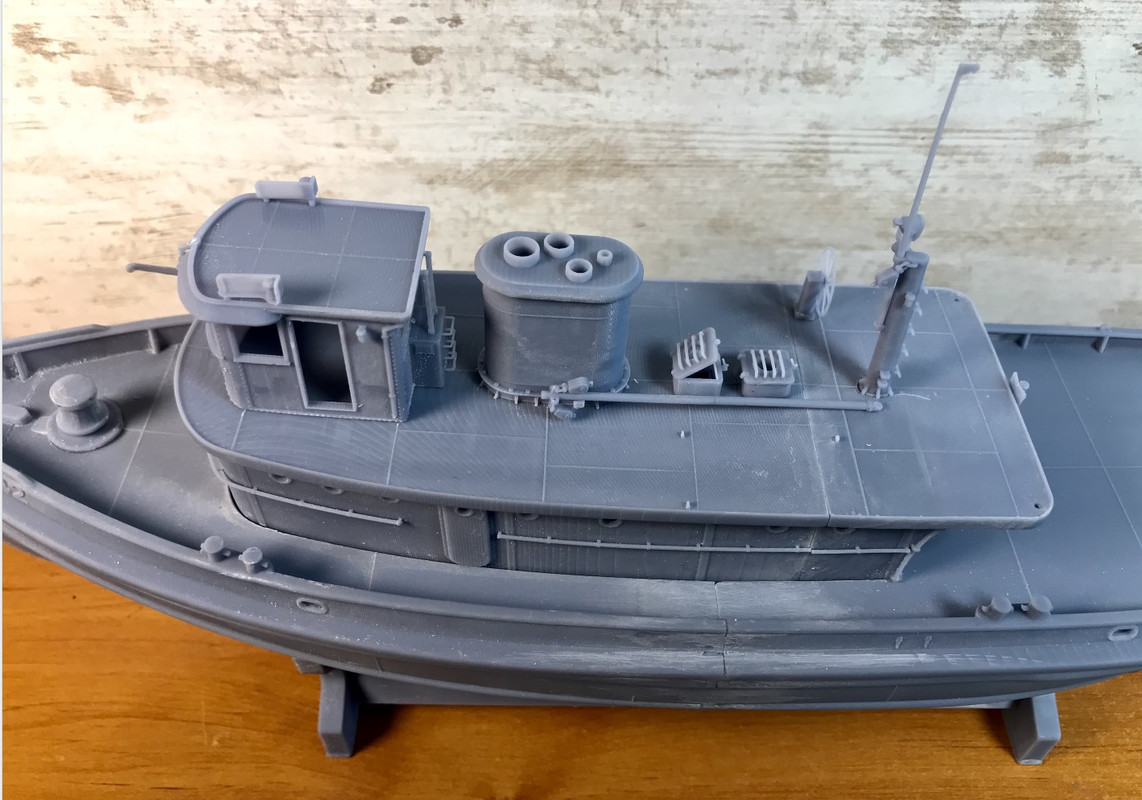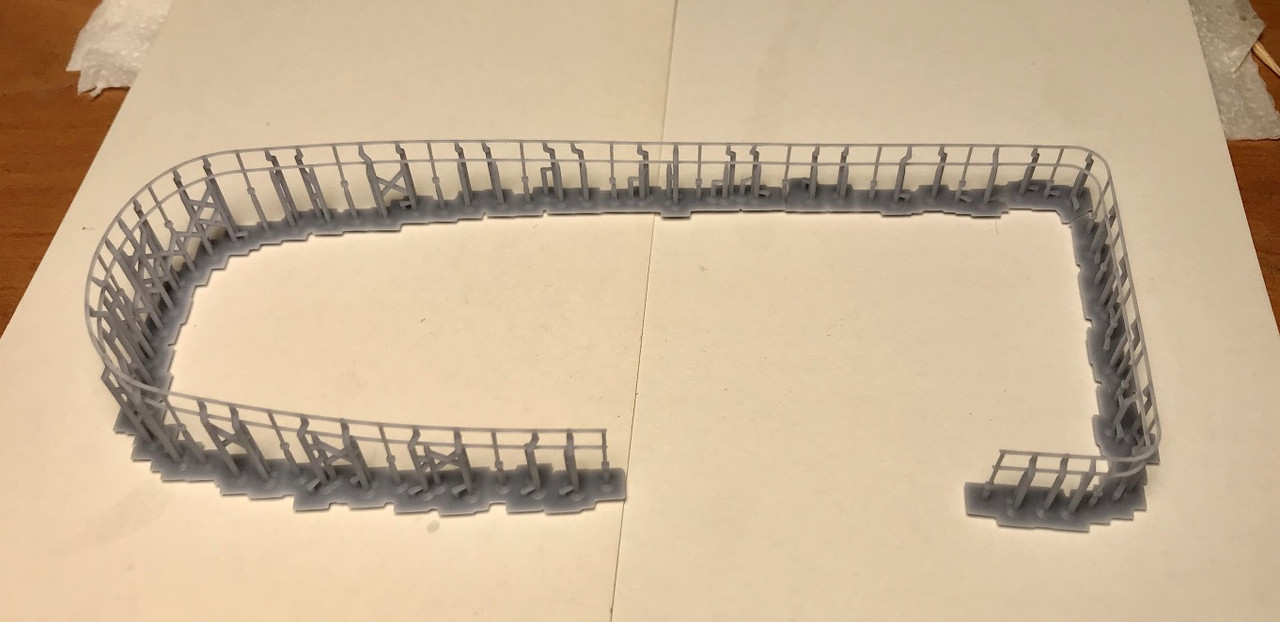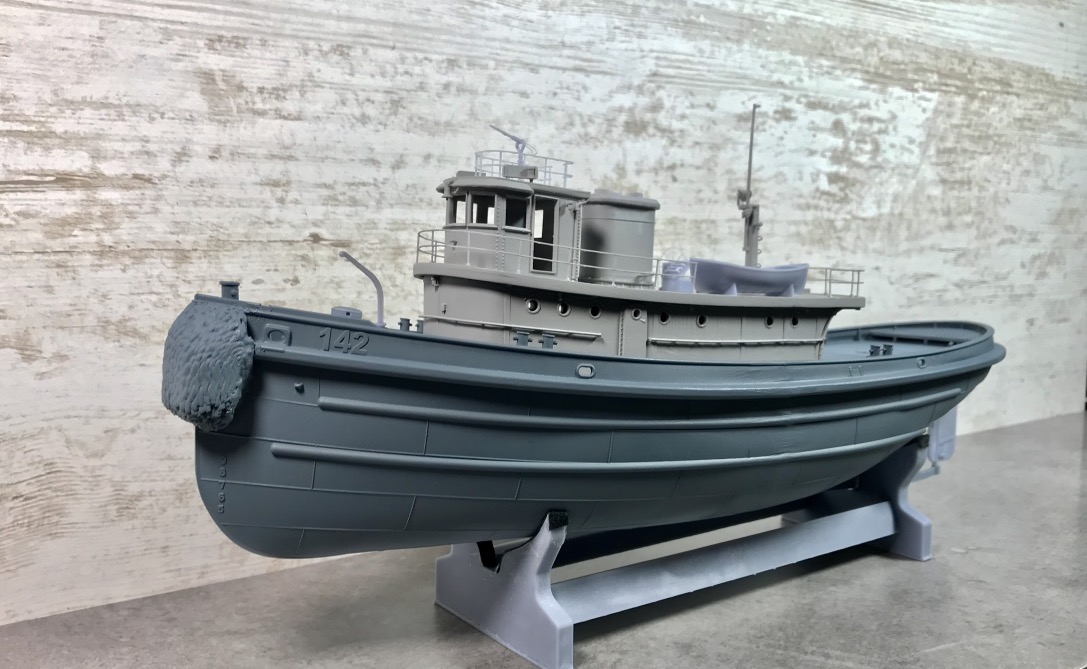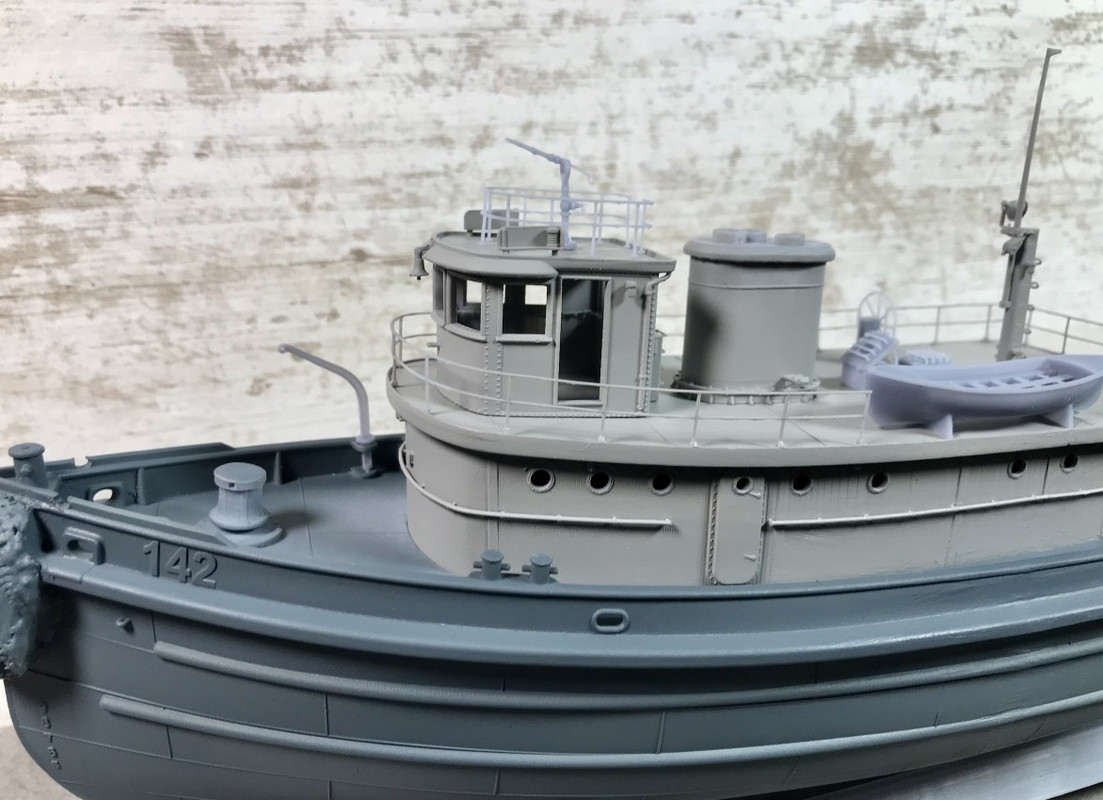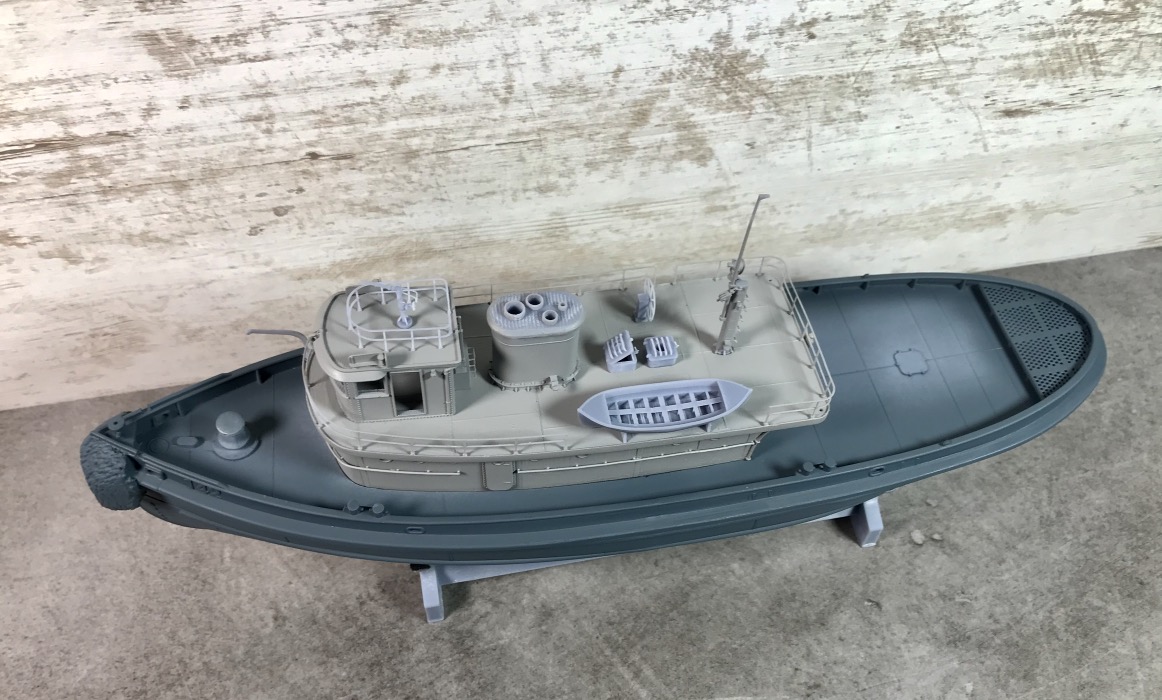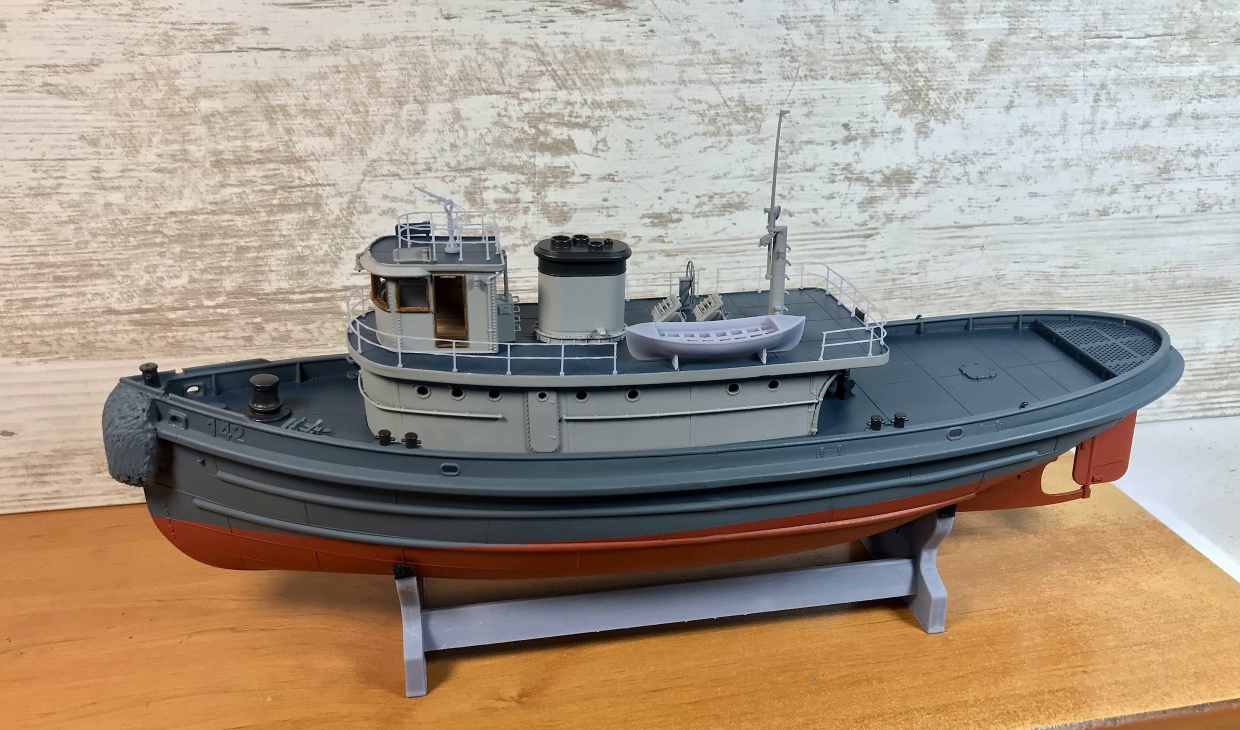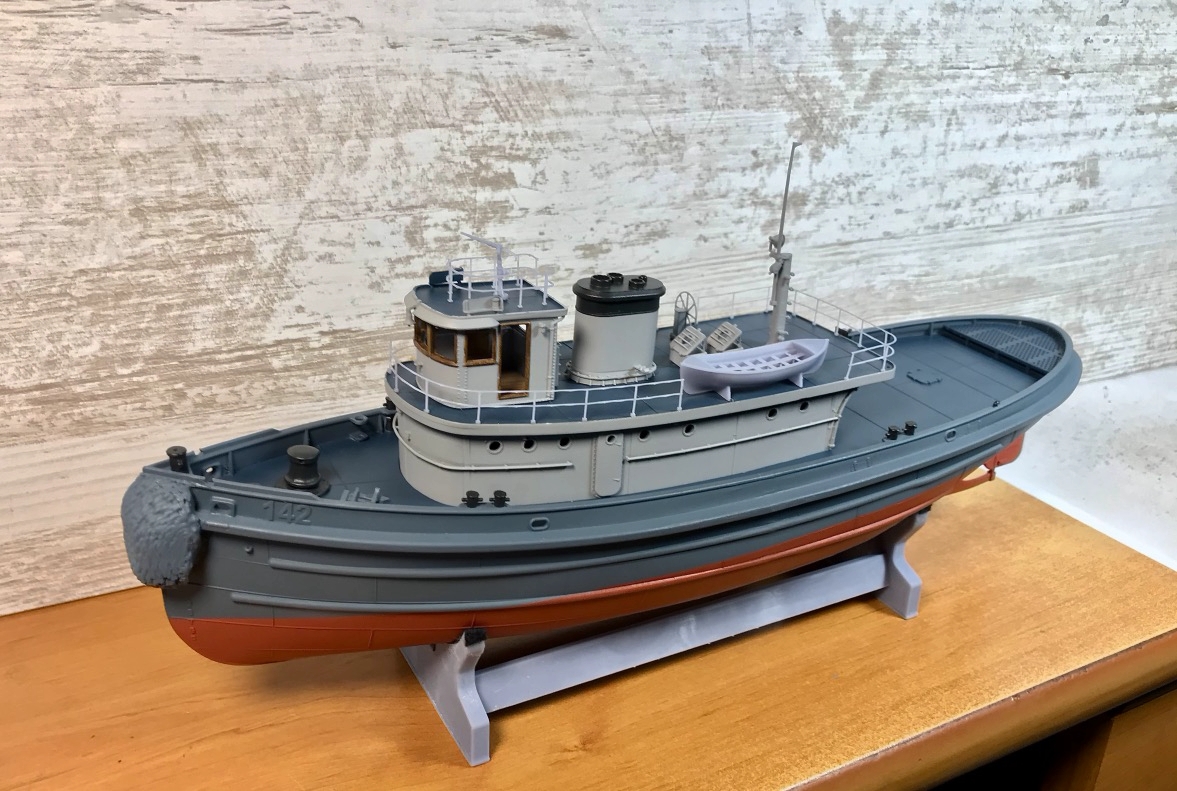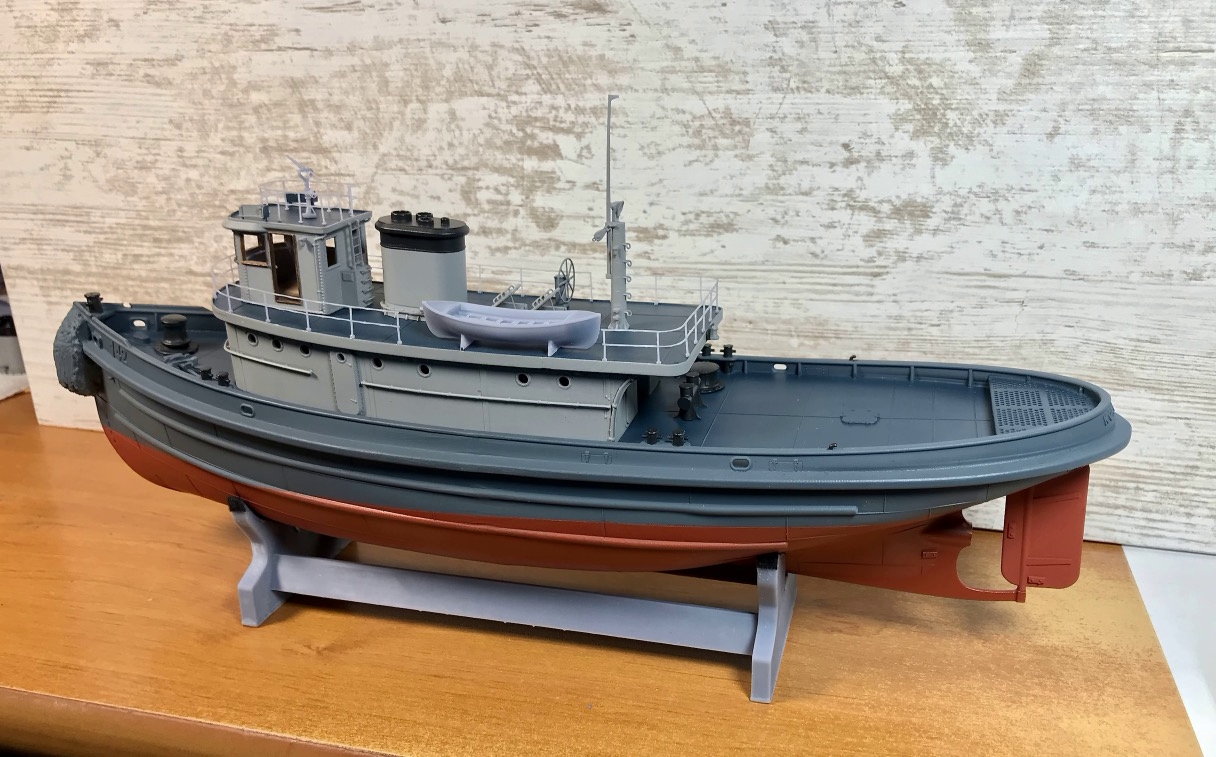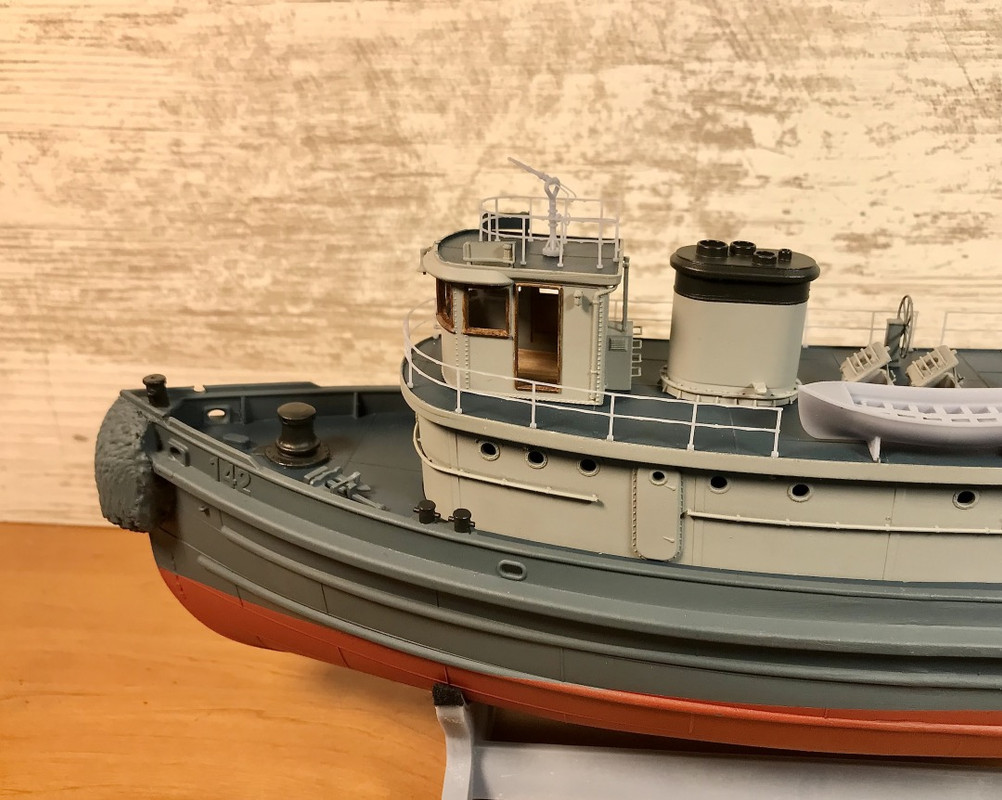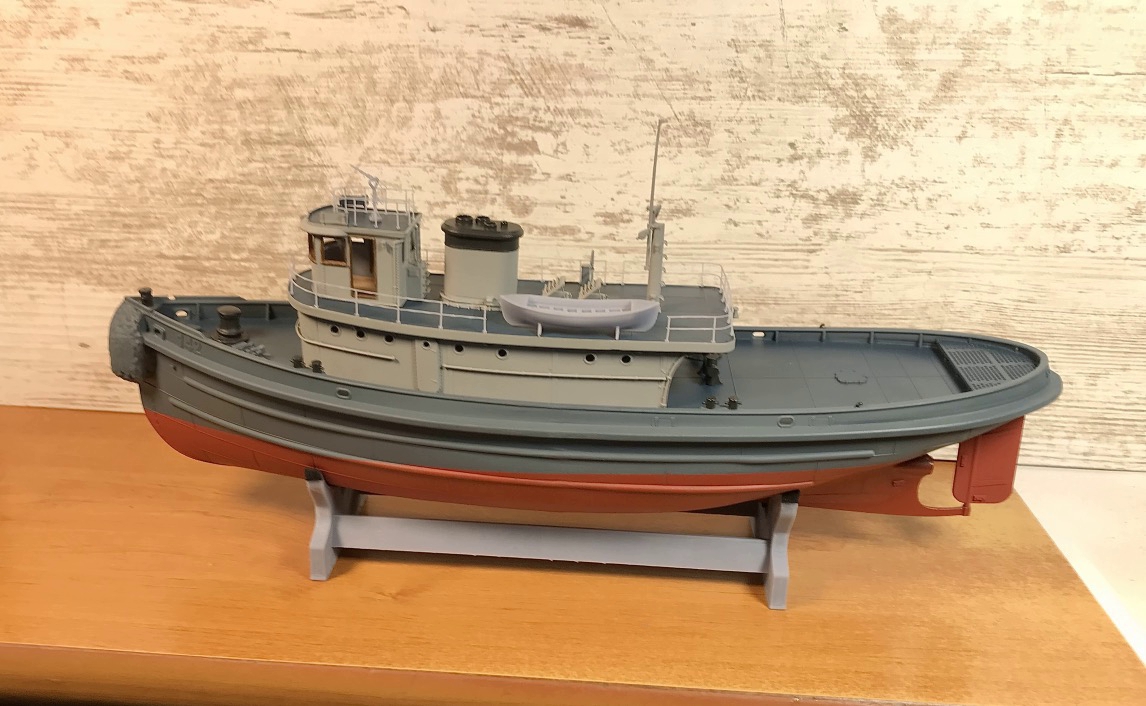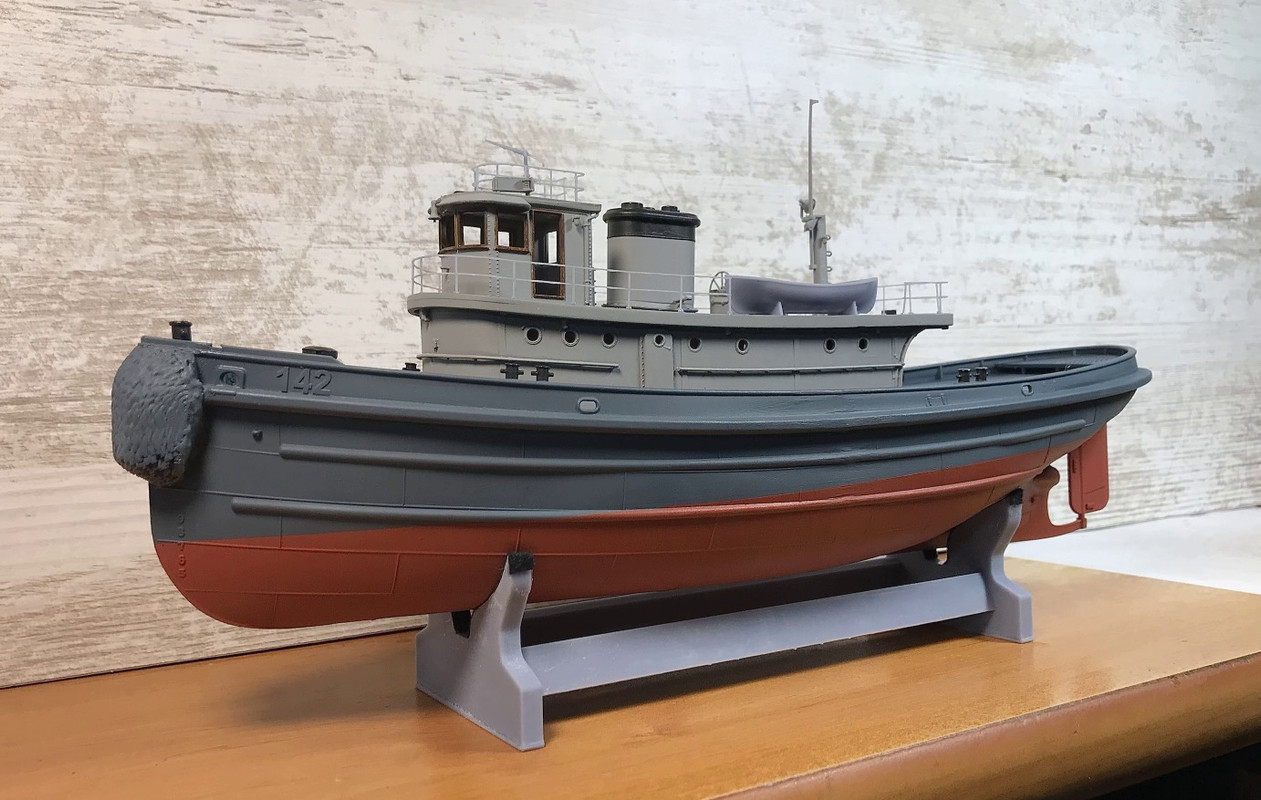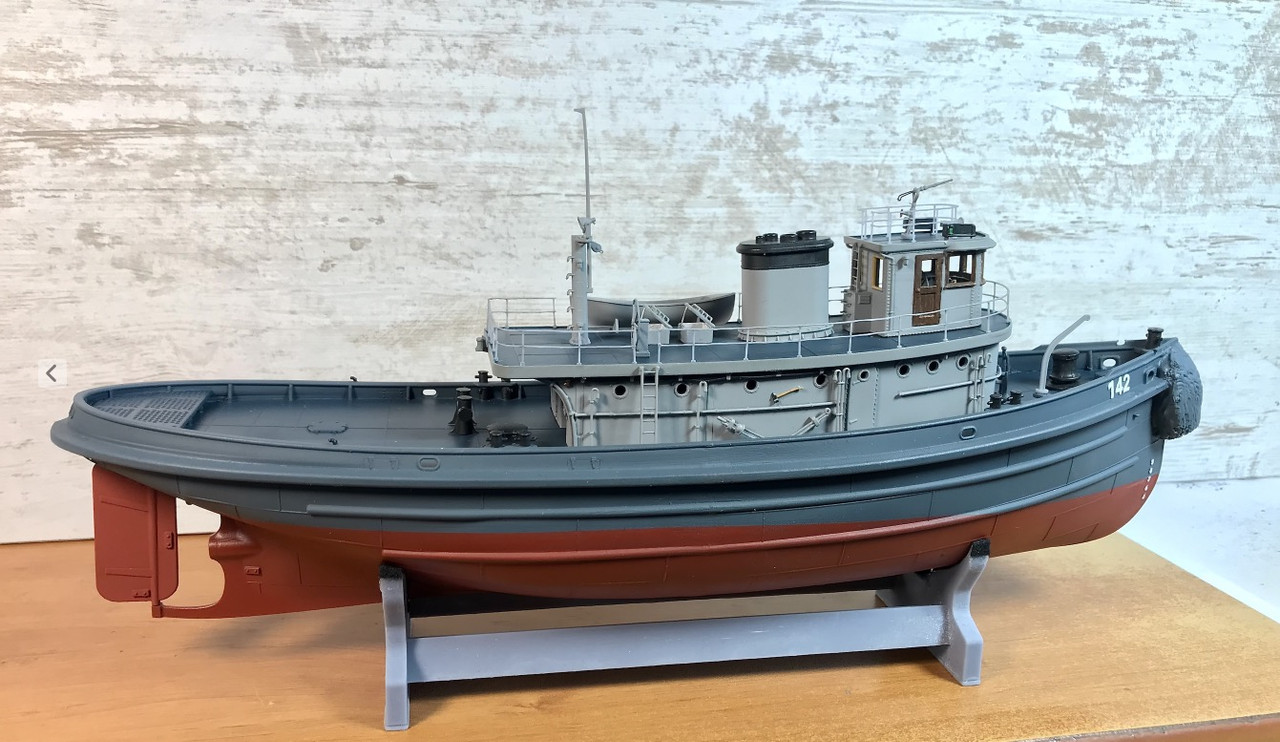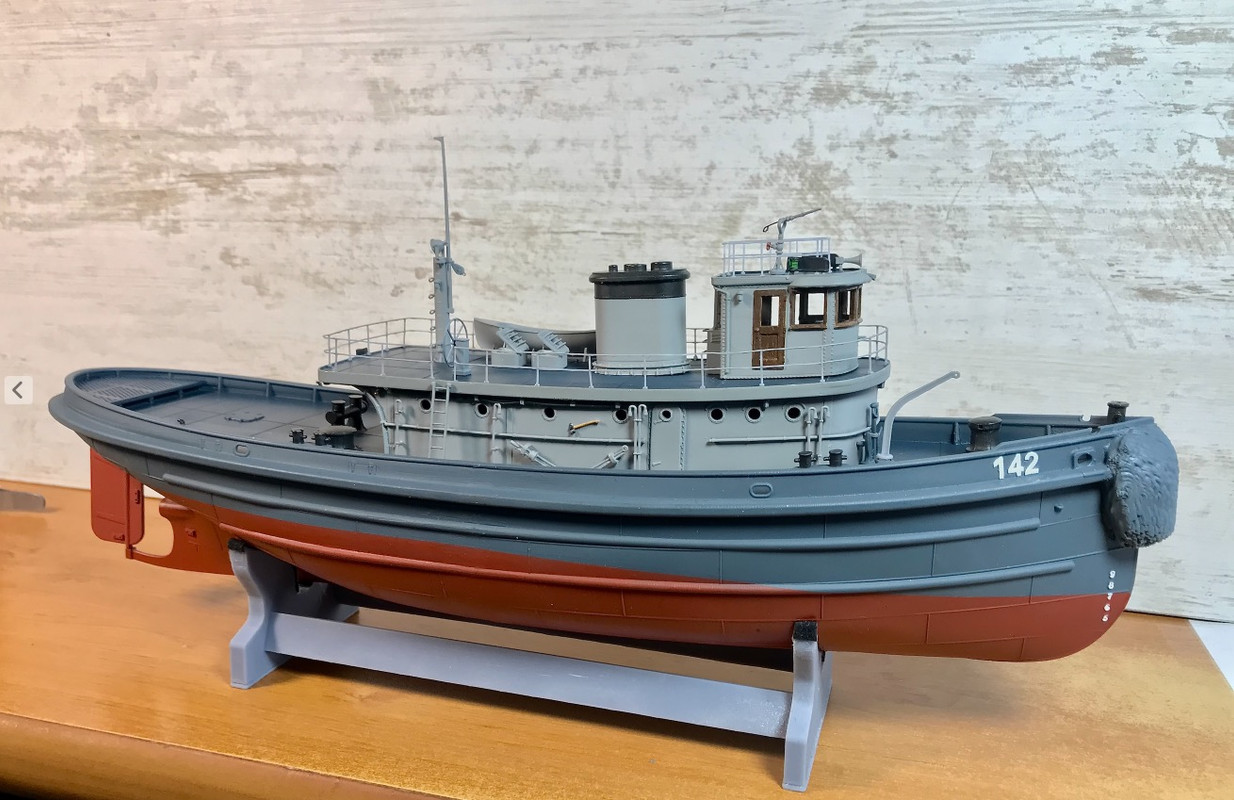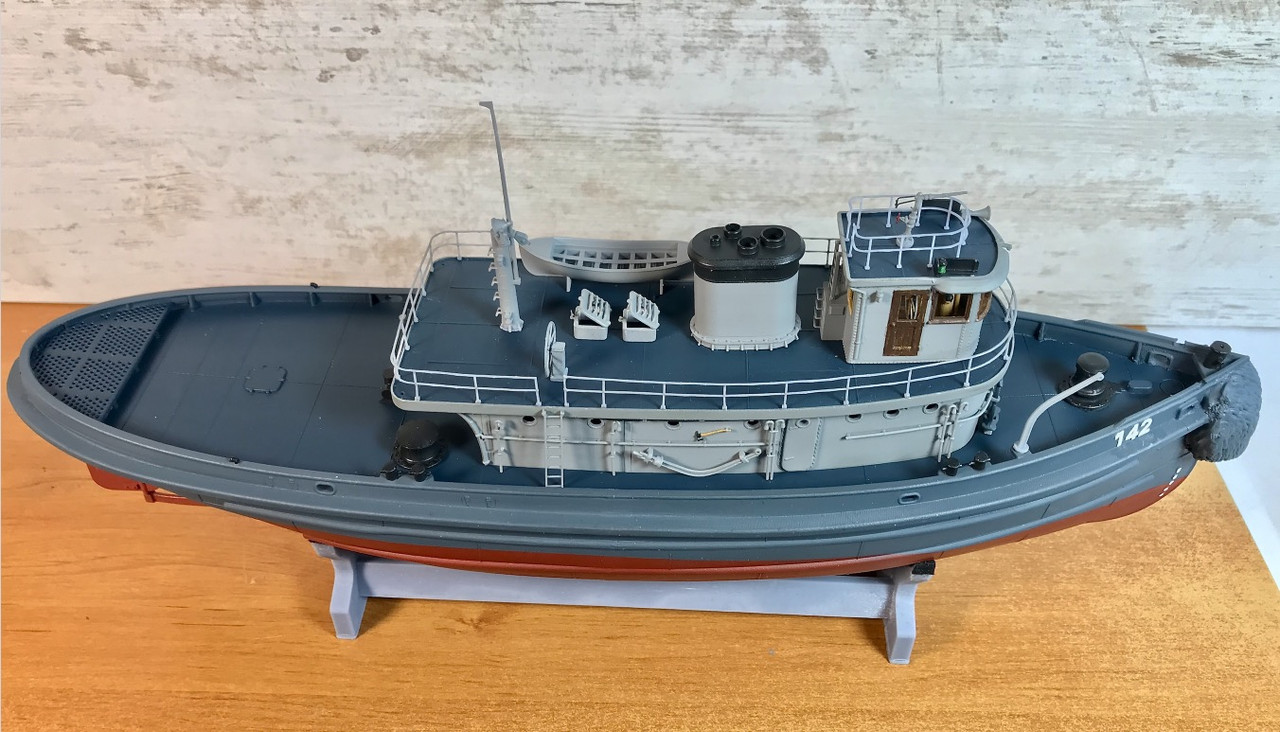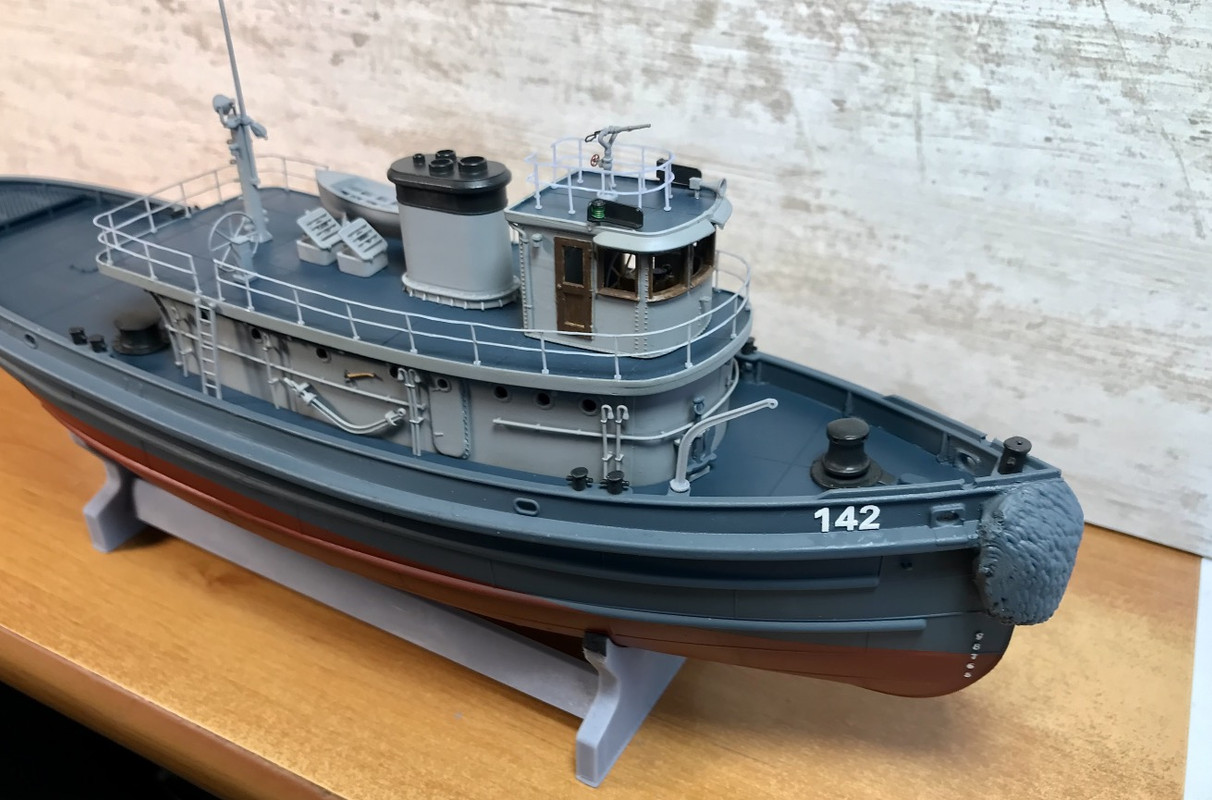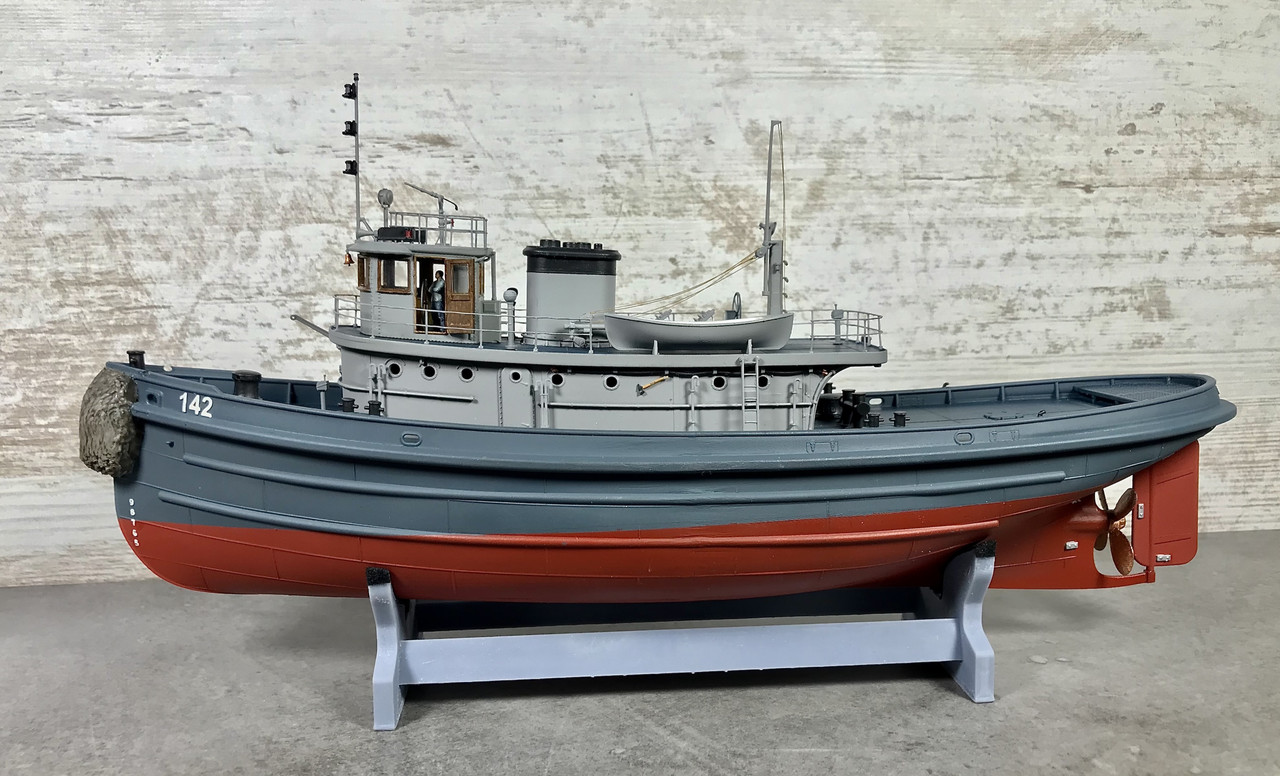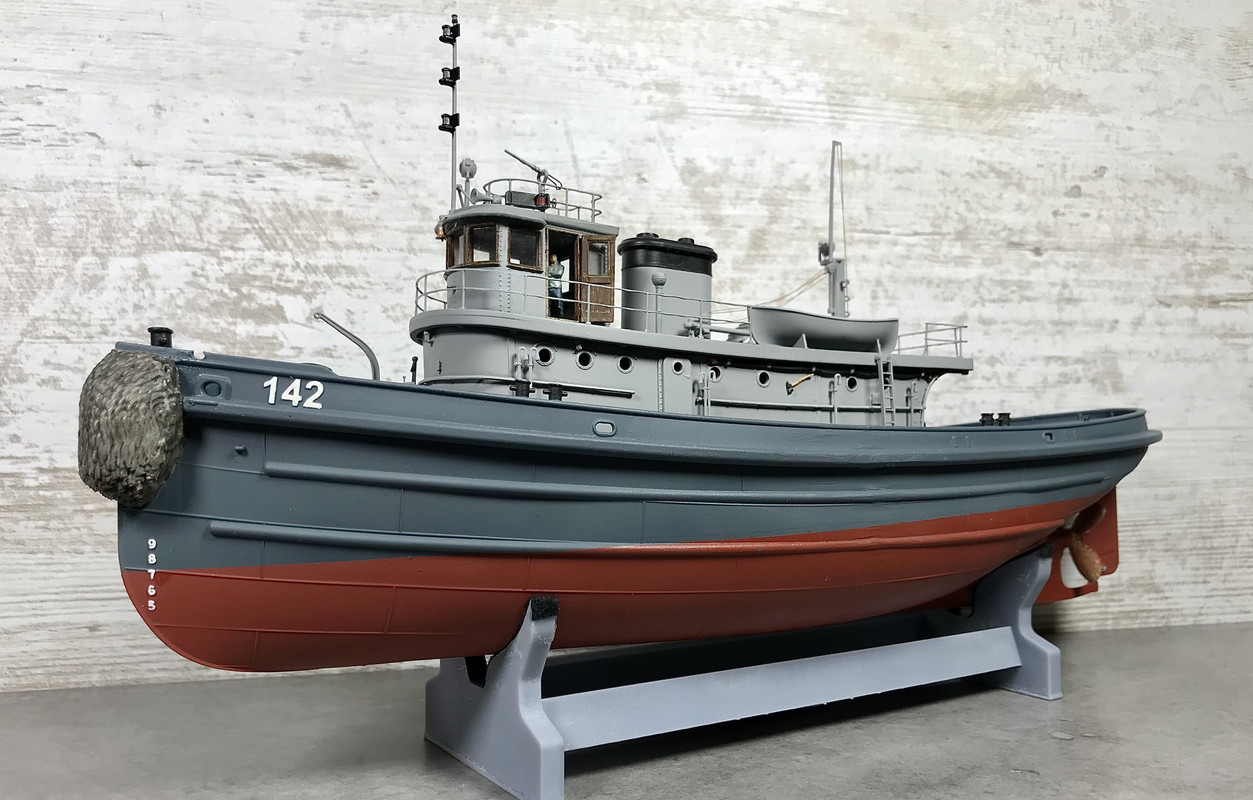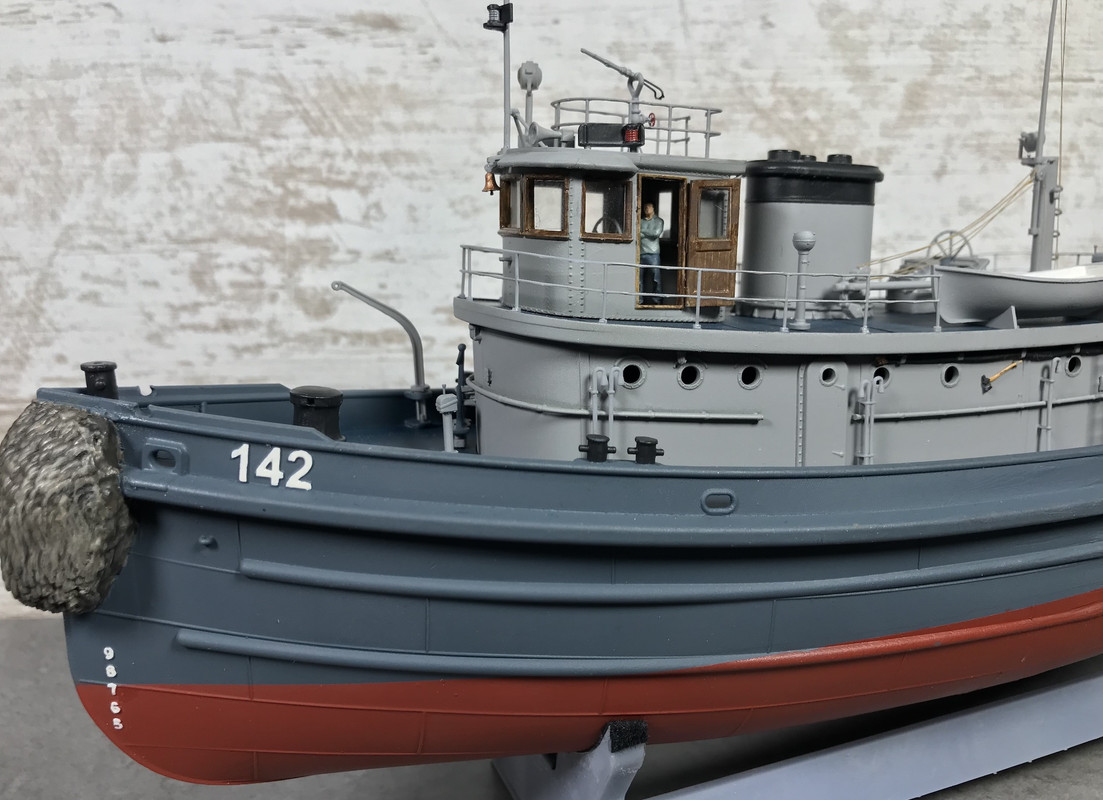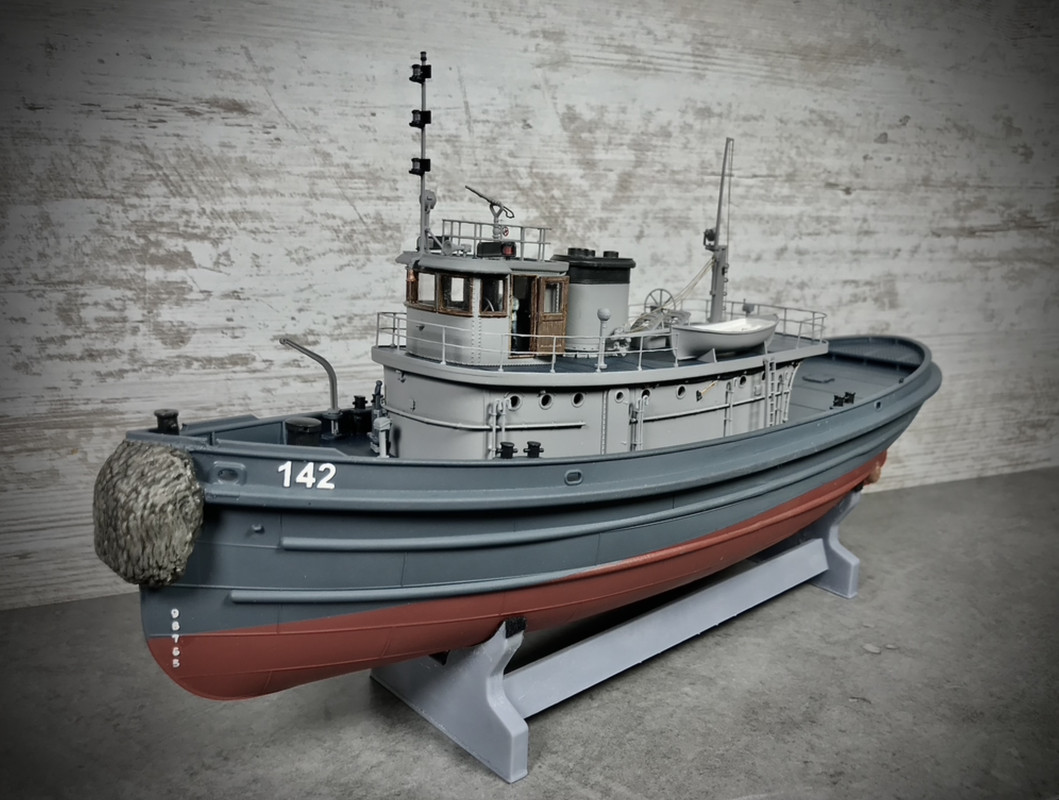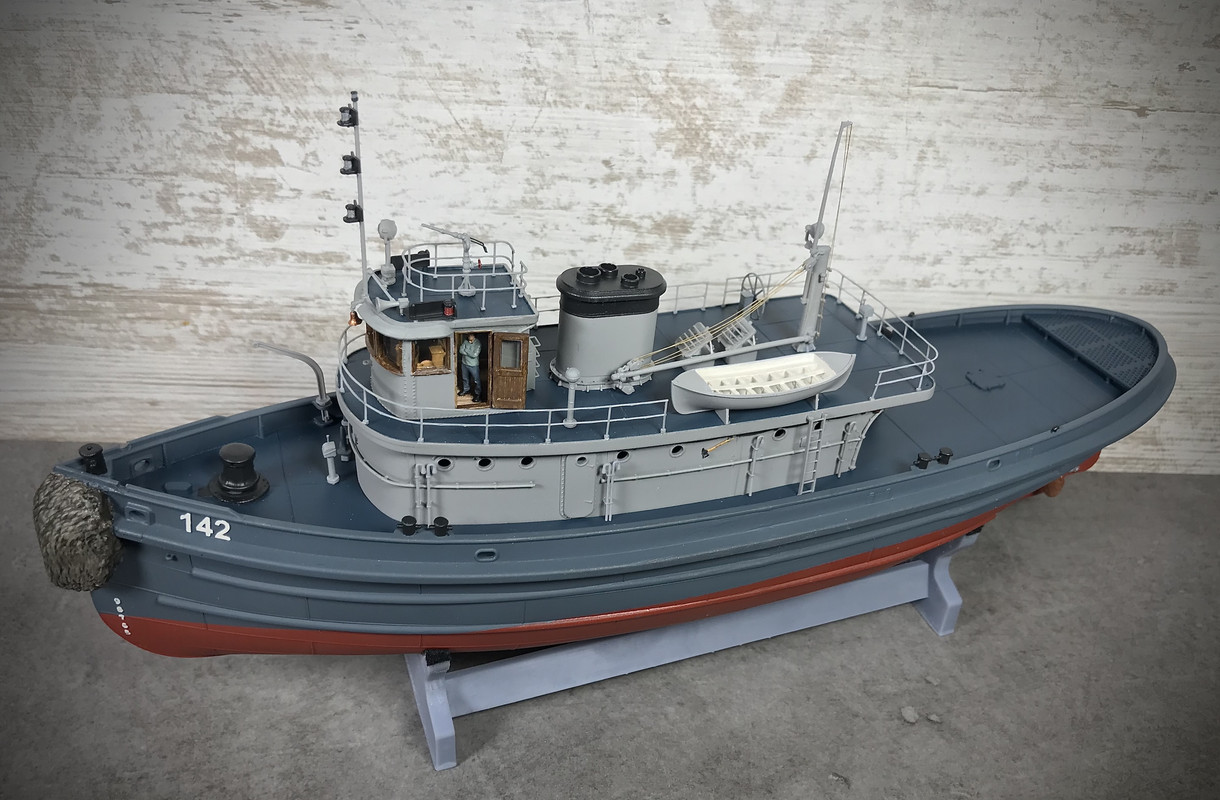
wefalck wrote:A question to the printing practicalities: on the 1/100 upright stern section I seem to see a lot of support structure over the flat deck - why is this necessary ?
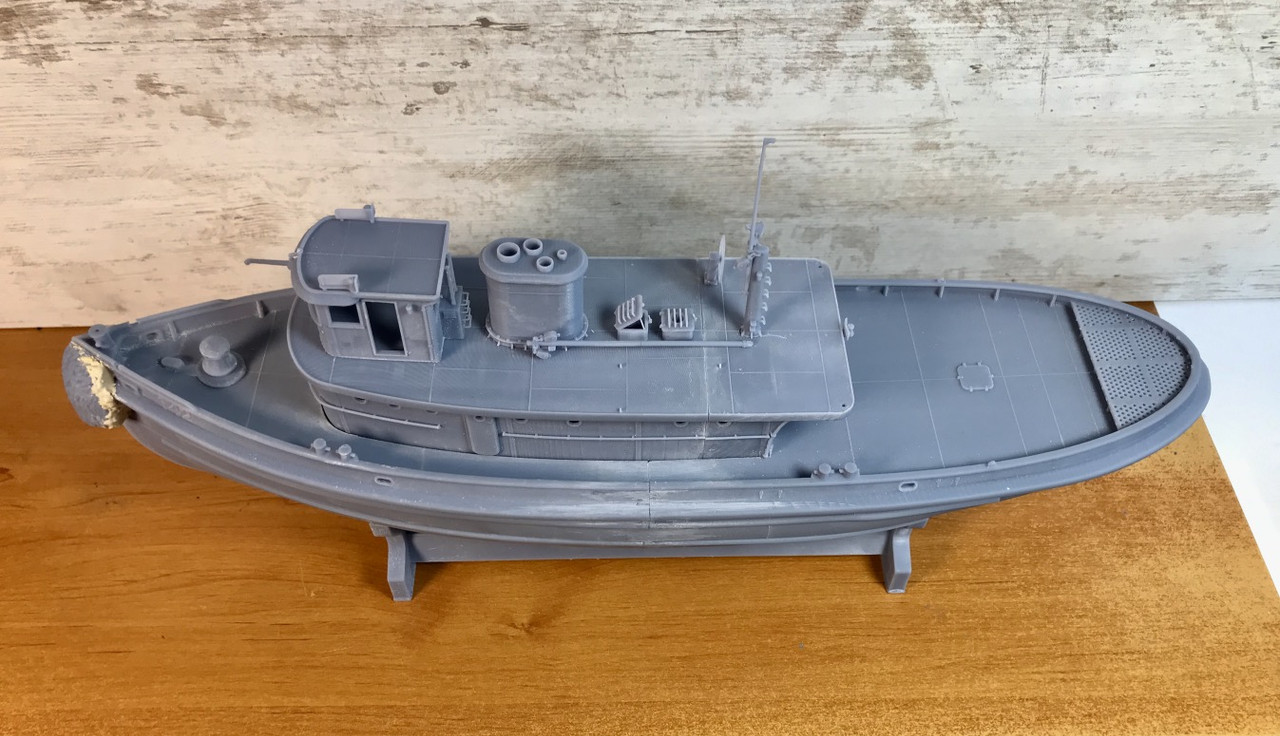
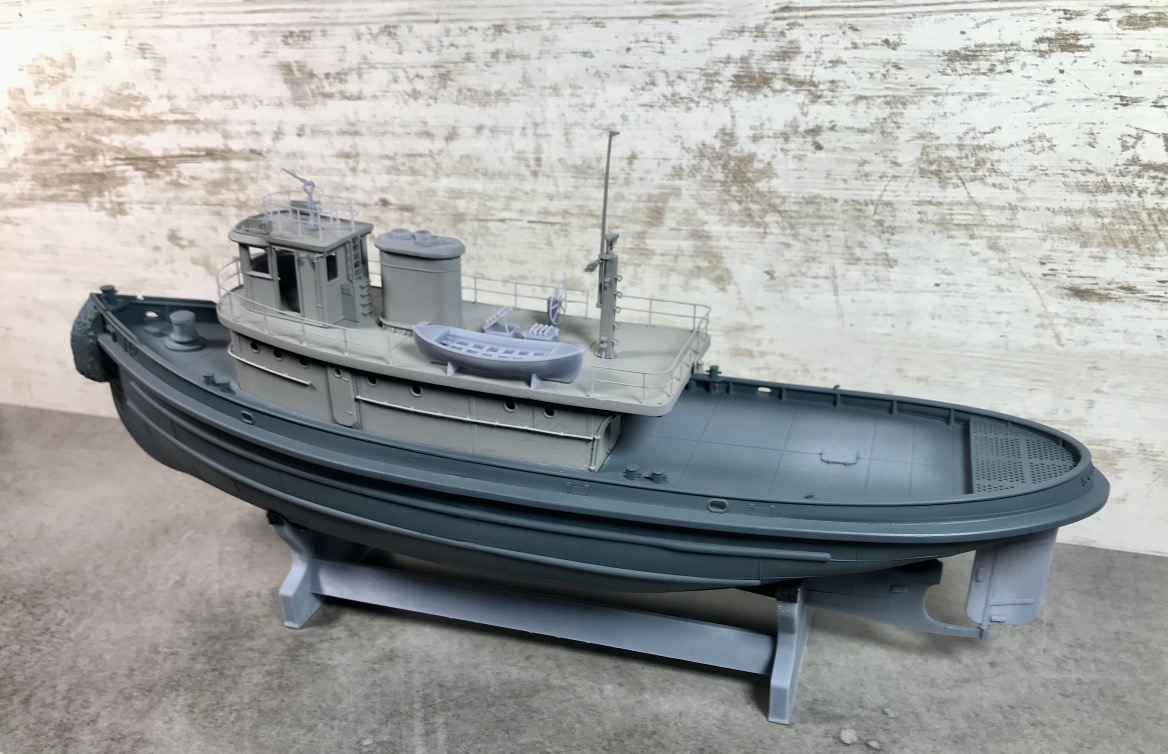
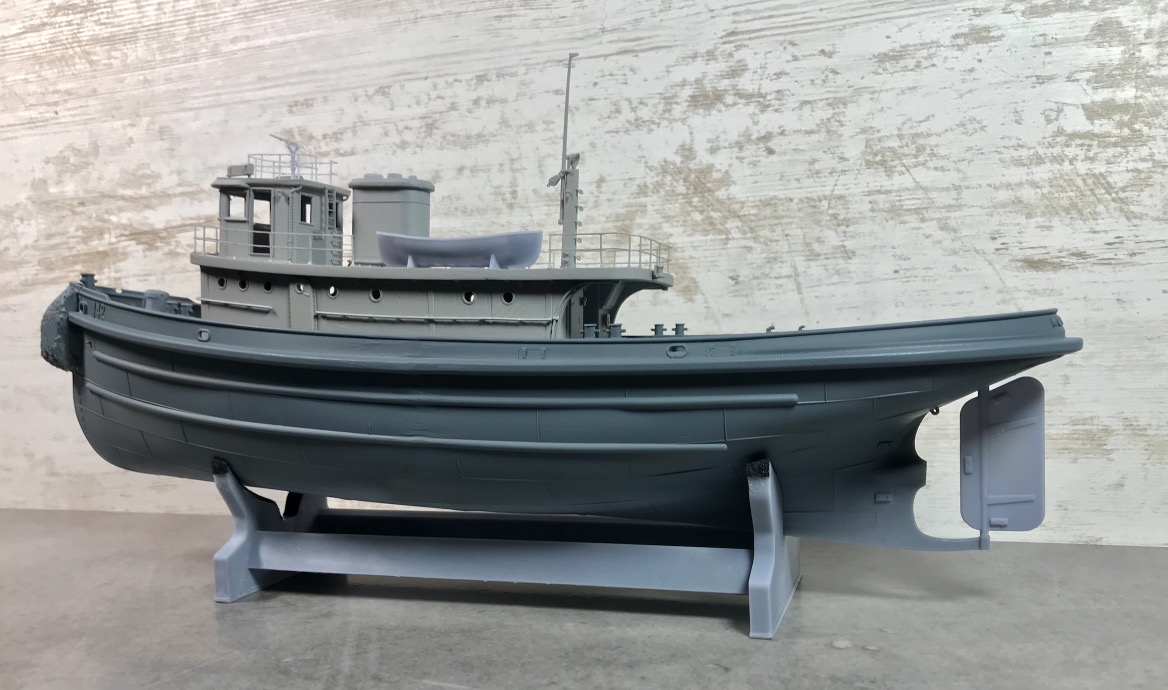
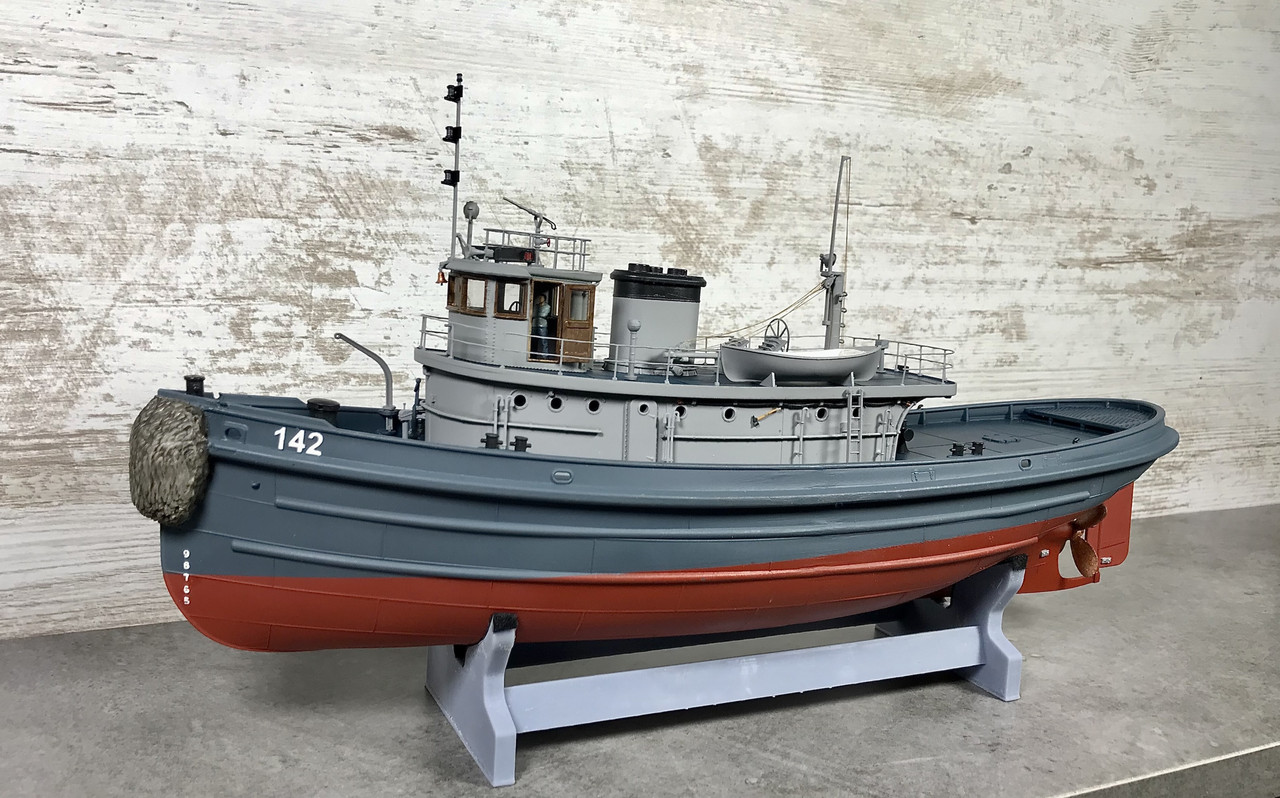
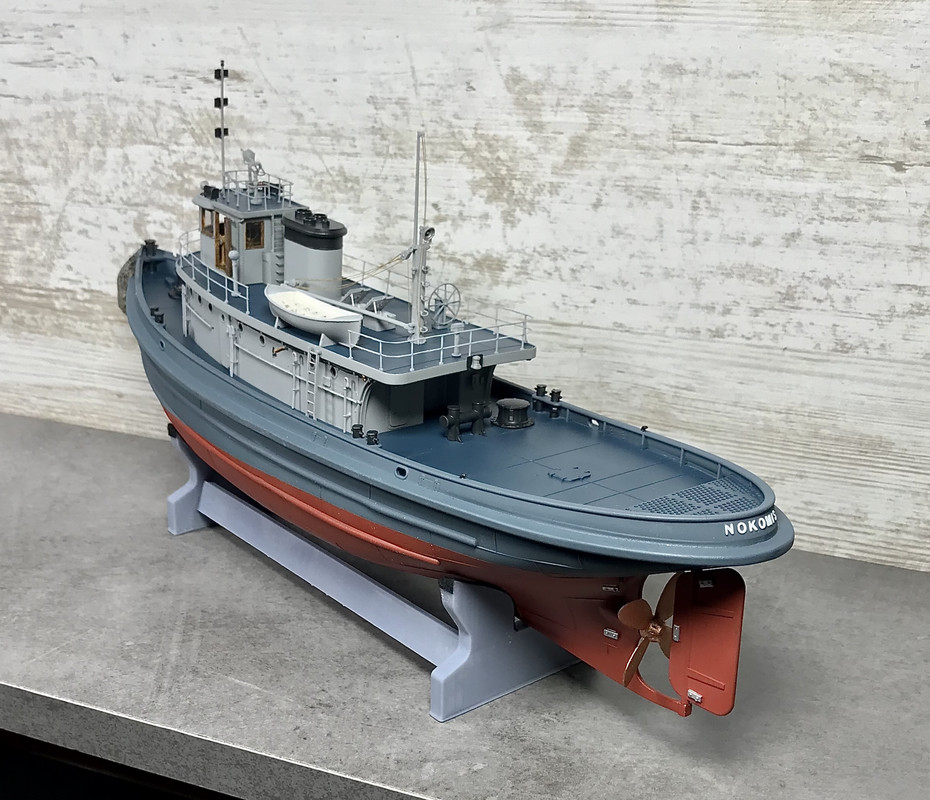
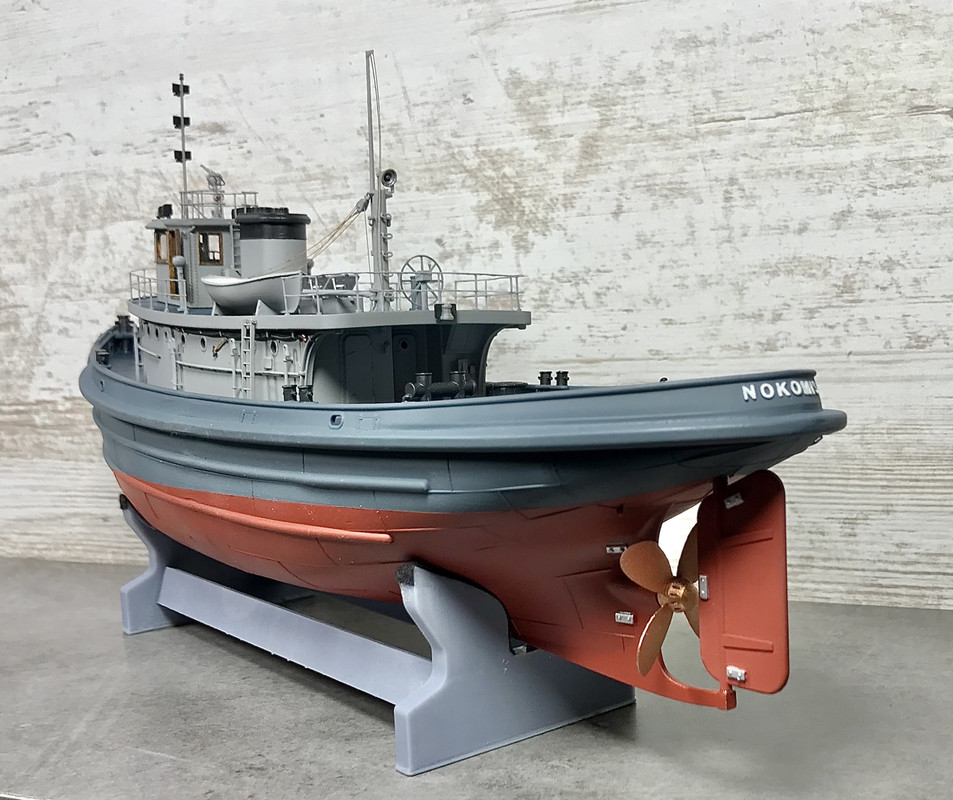
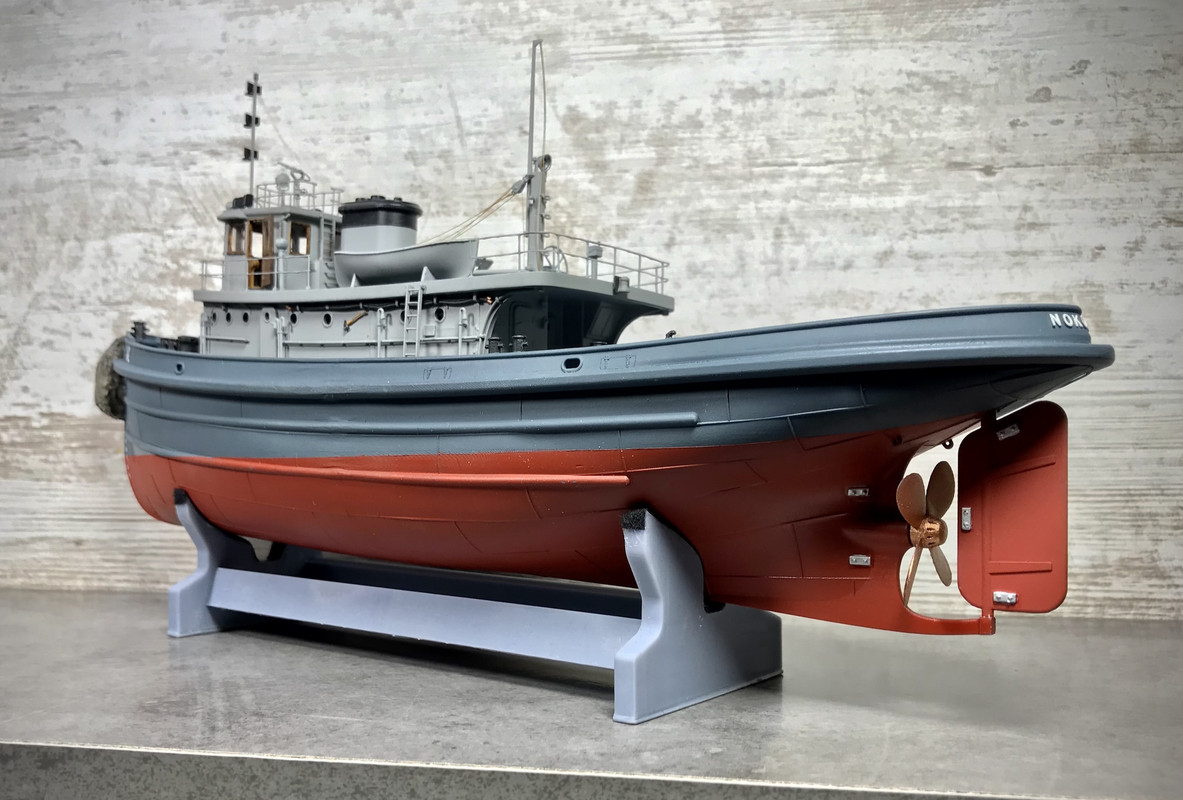
Of course, it goes without saying, that the results are impressive

Tks Tom and Wefalck!
Good question!
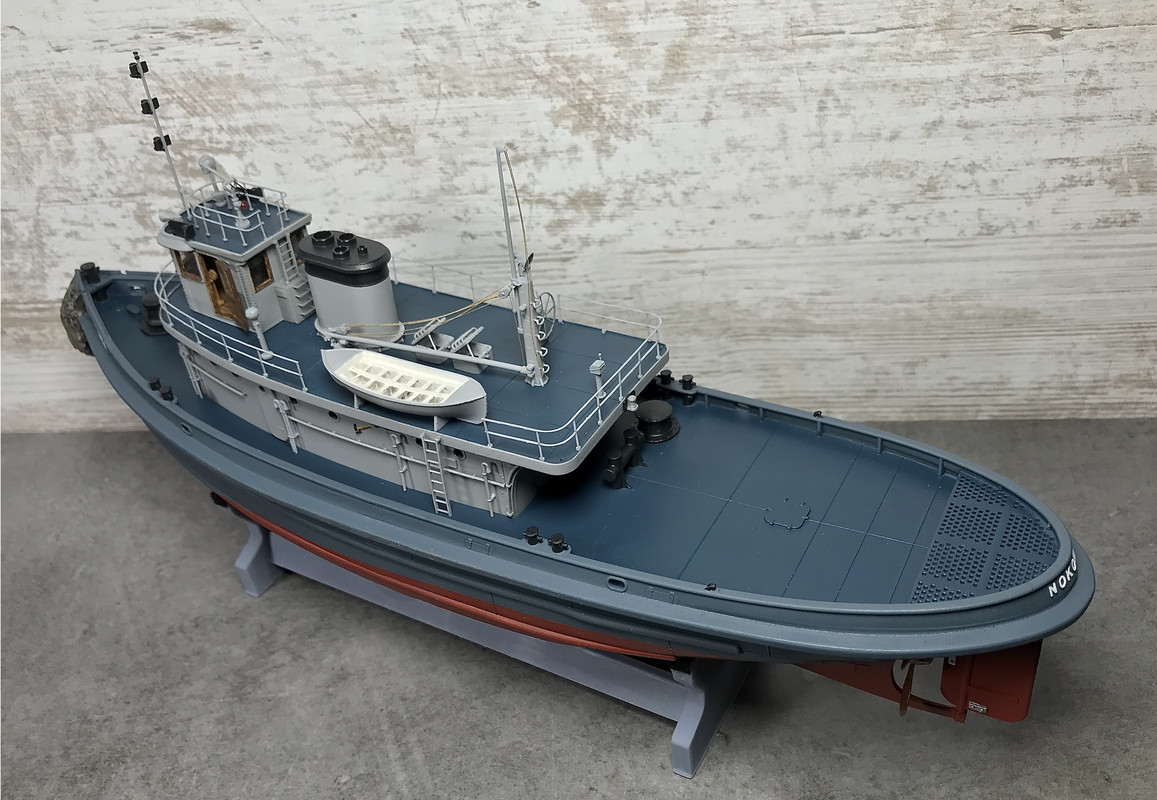
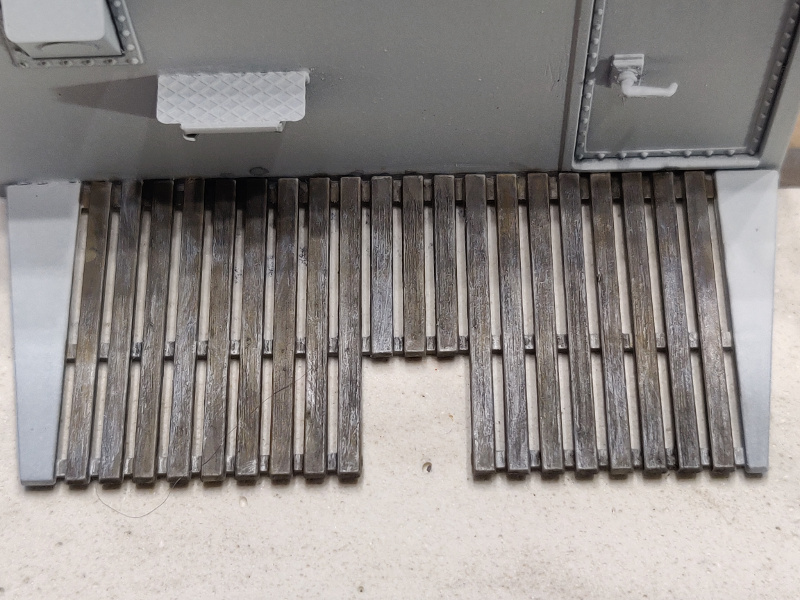
This time I printed with the hull the openwork back platform, a kind of steel grating a test.
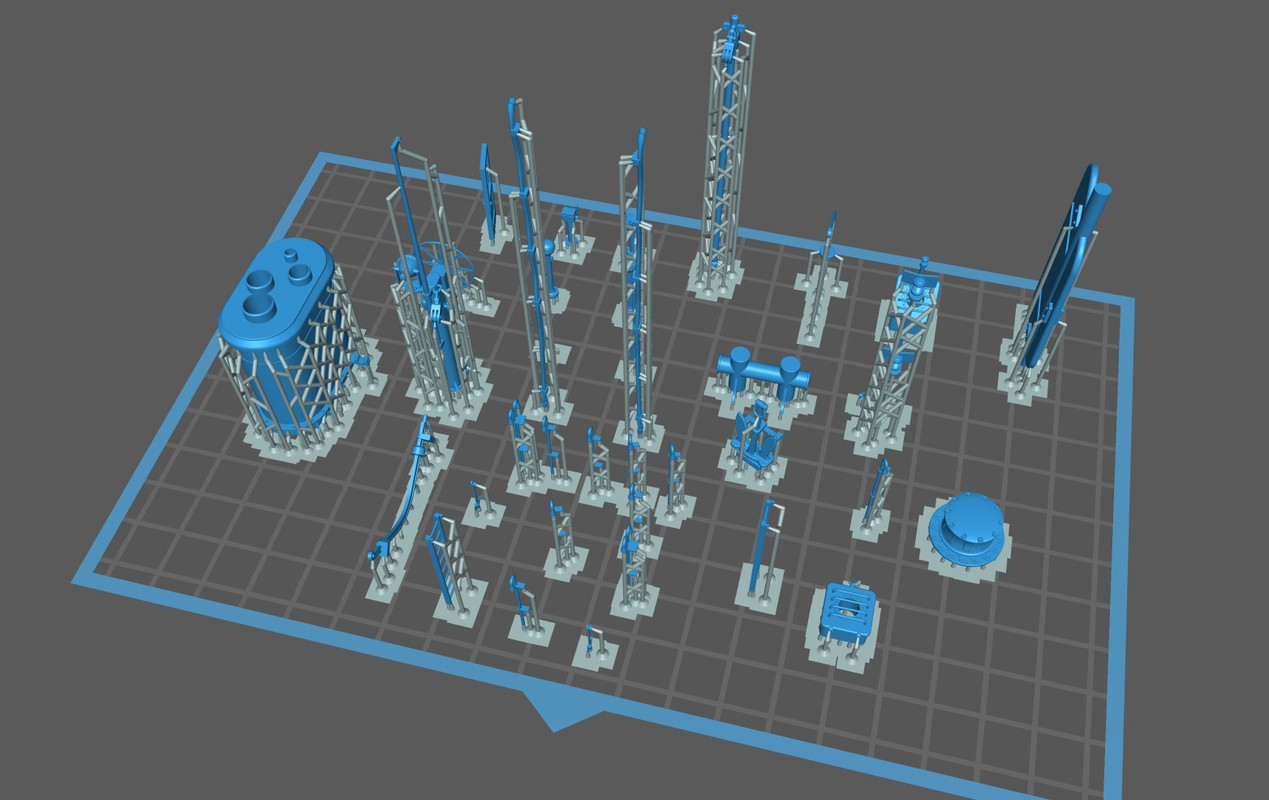
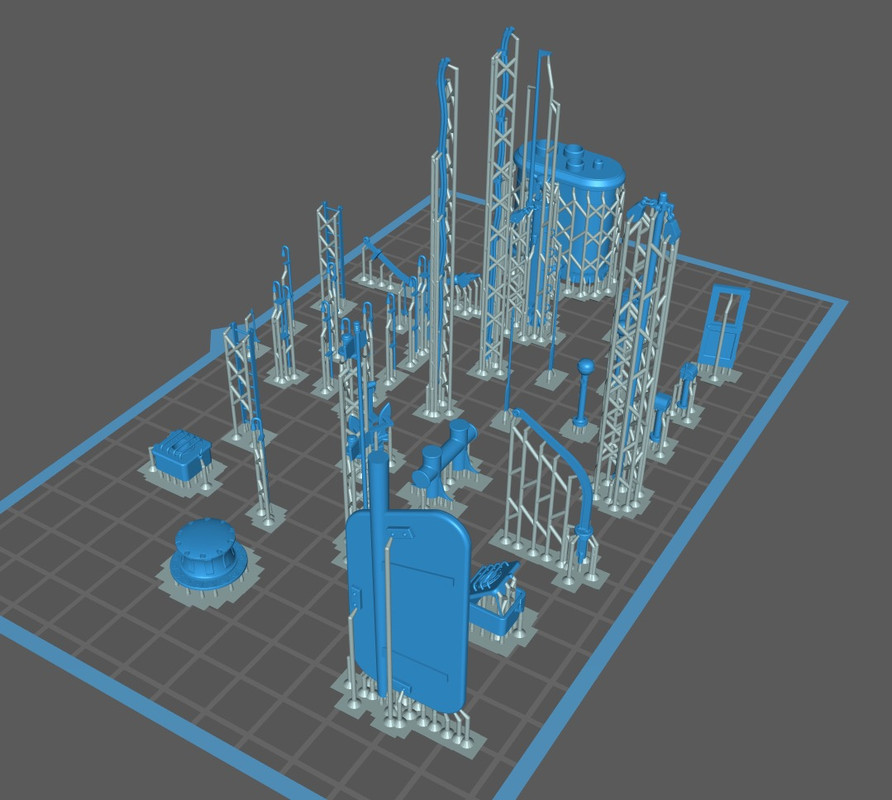
A lack of supports can be catastrophic, and there the waste of resin is important.
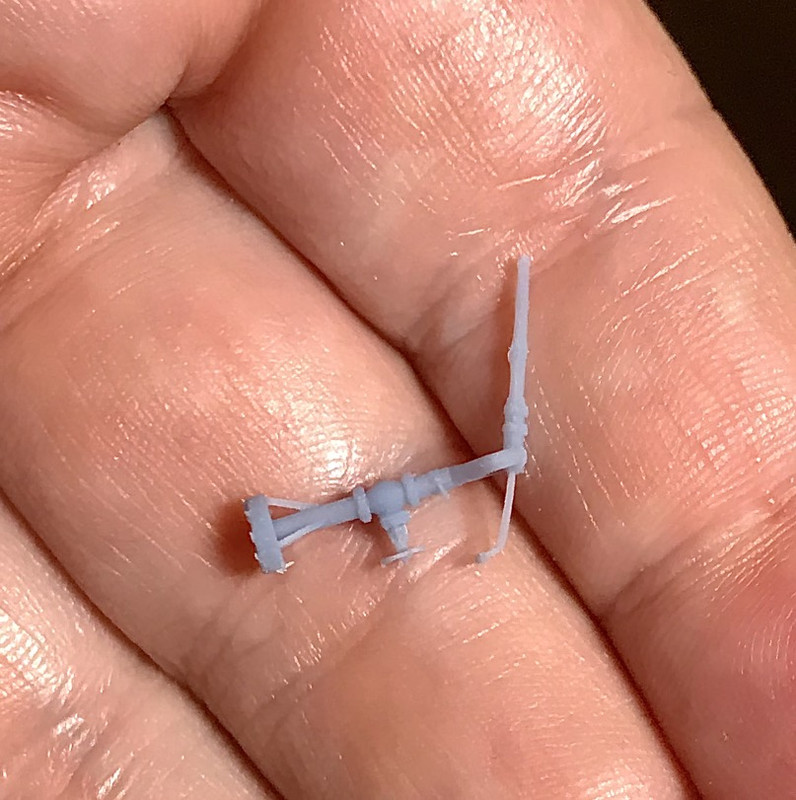
The supports allow the printing of the parts overhanging vertically. In relation to the image below, you should know that the printing starts at the bottom of the image and then shows gradually by very thin layer, here 50 microns, until the top of the part.
The first layers between 3 and 6, are overexposed in UV 10 times longer so that this base is glued solidly to the plate of the tray, because each time a layer is applied, an effort will be applied to this base glued. Each time a layer is applied, the newly created layer has to be peeled off the bottom of the transparent resin tray, which requires effort.
It is not advisable to print a part directly on the plate, we always place supports underneath to avoid these famous 3 to 6 layers of excess gluing thickness. In some cases it can be wise, depending on the part in question, but it is rather rare.
It happens very often that a part of a part is overhanging or parallel to the plate like some edges of the part, so if this overhang has no support fixed to the plate, it may not print as desired, but be deformed, because it has no physical relationship with the plate, it can last several tens of layers, which will make a beautiful undesired :censored_2: and put the part in the scrap or not print at all and produce waste in the liquid resin, which will have to be filtered later.
So you need vertical continuity of the part, to put it simply, the supports temporarily solve this problem.
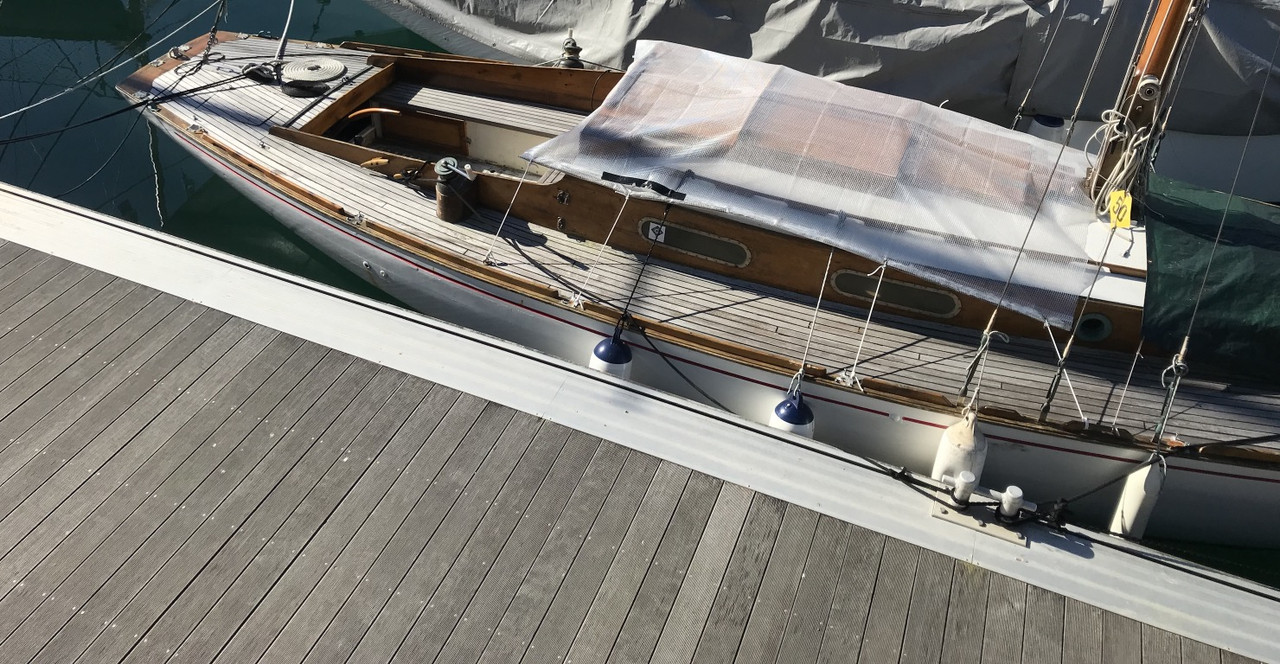
A typical overhang on a part: