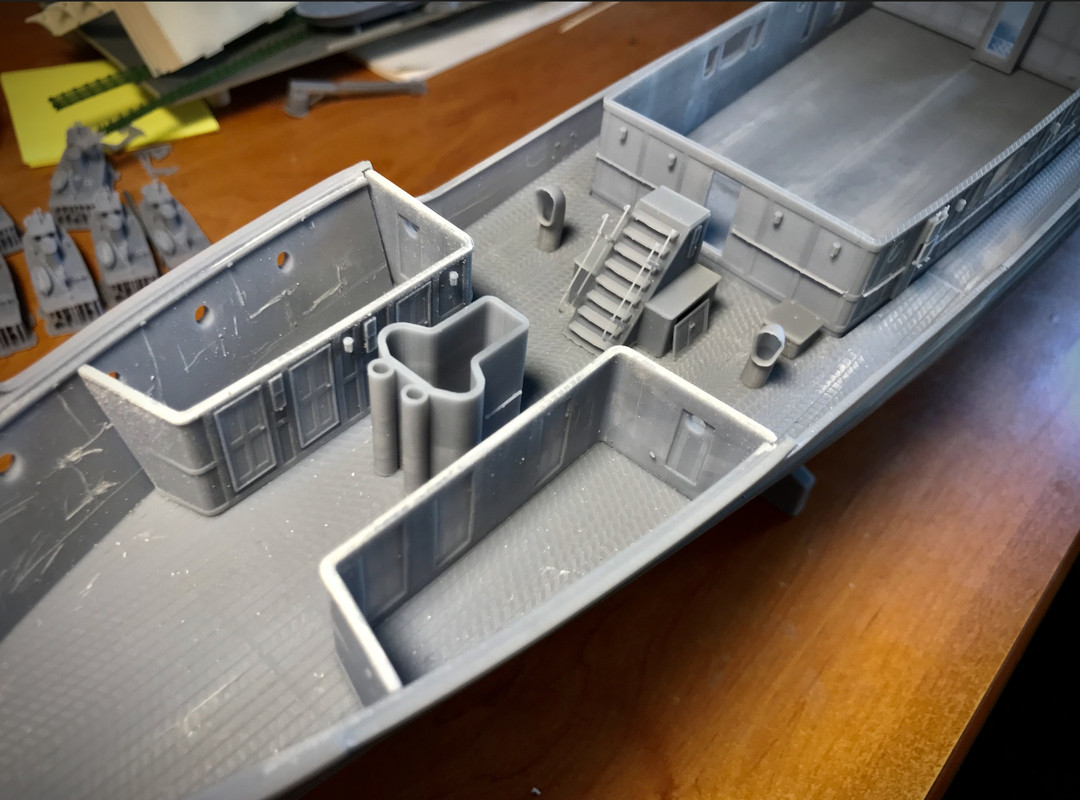
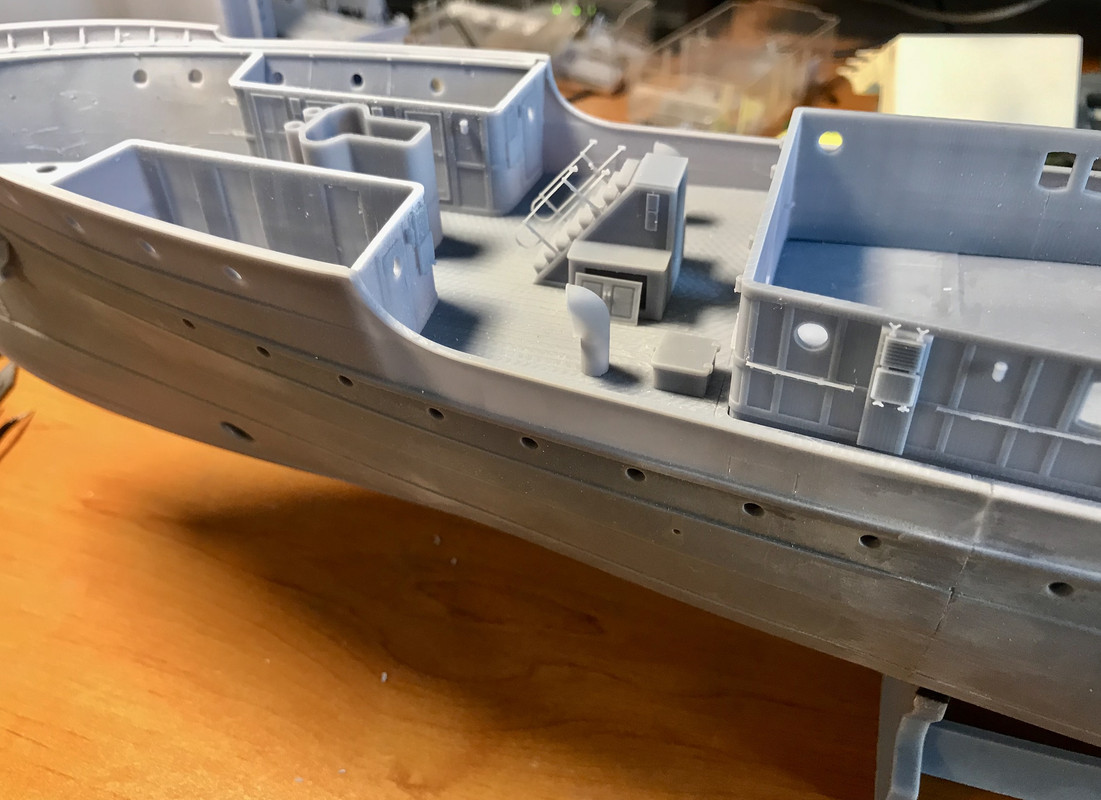
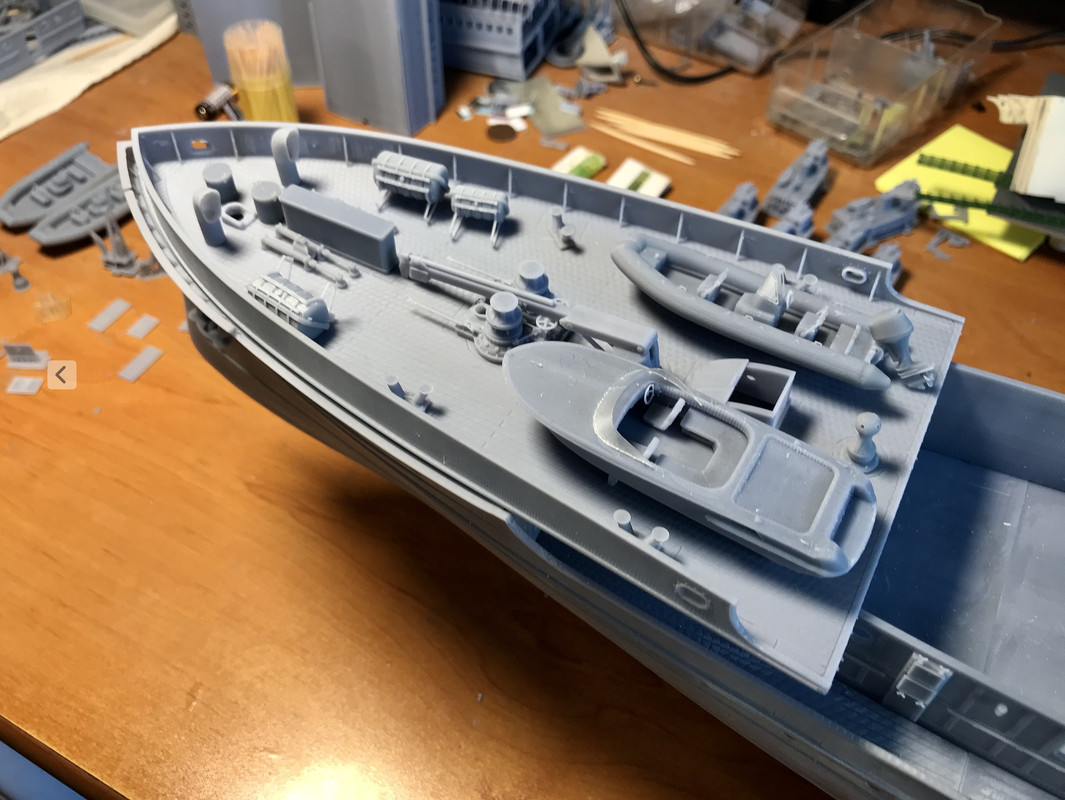
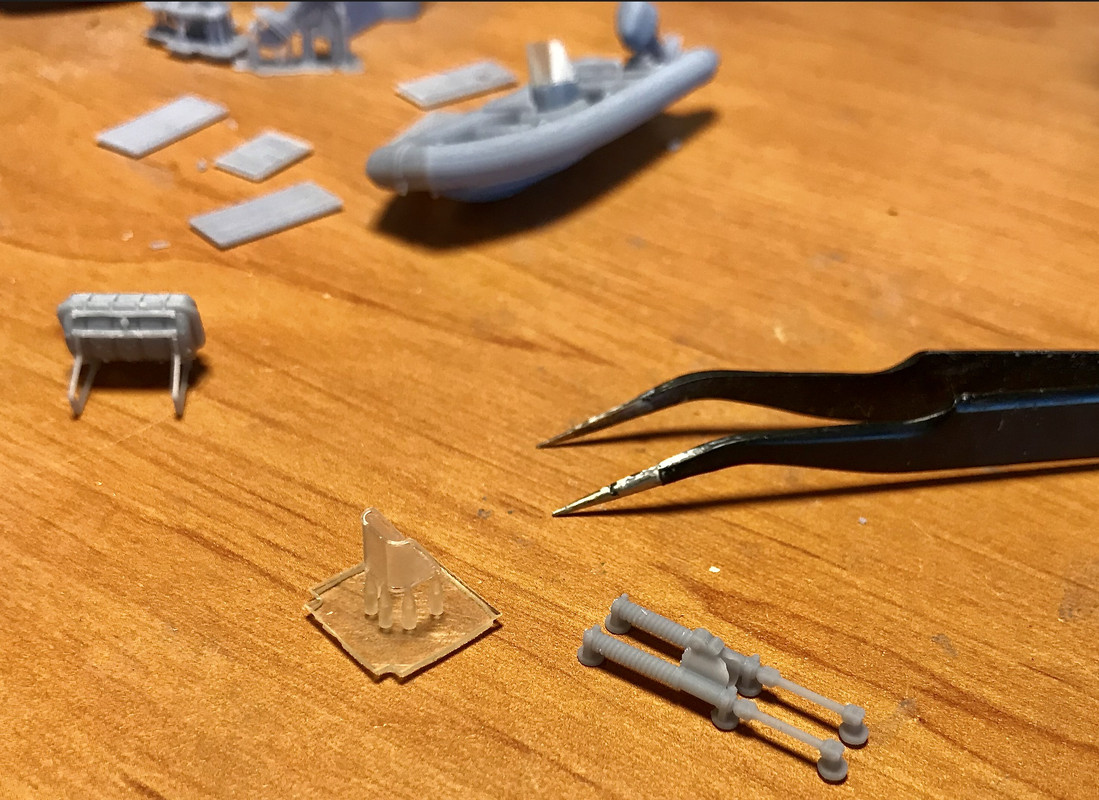
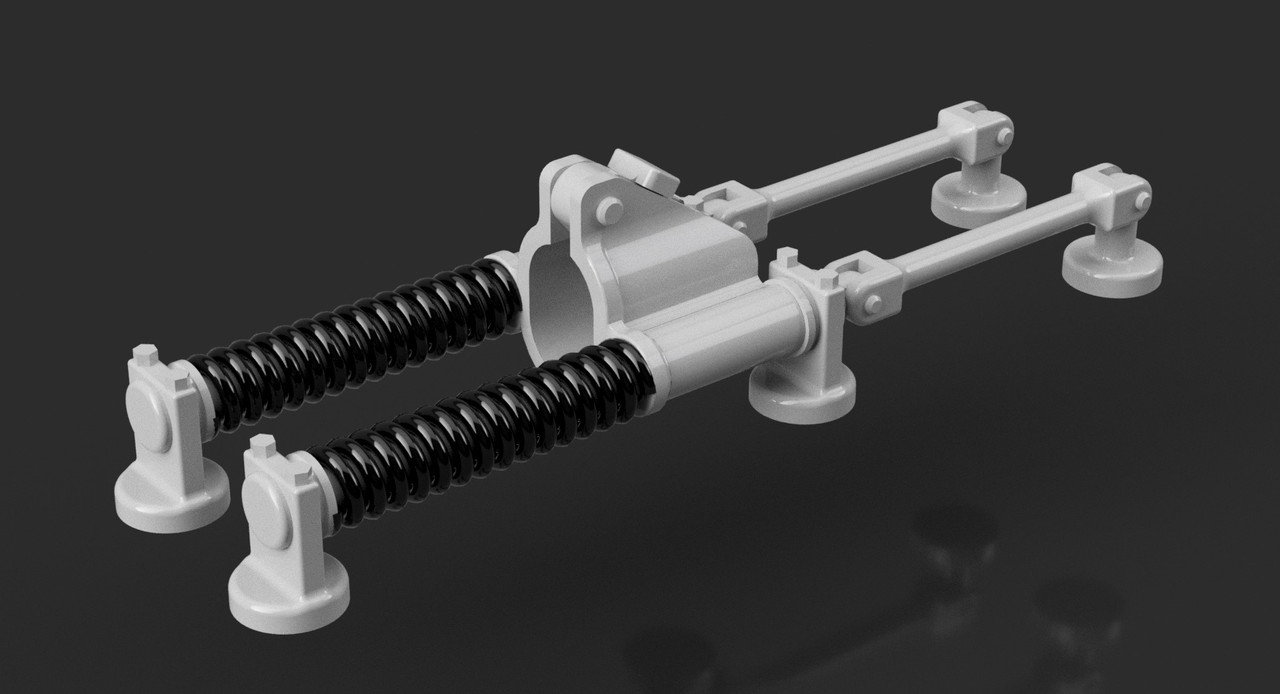
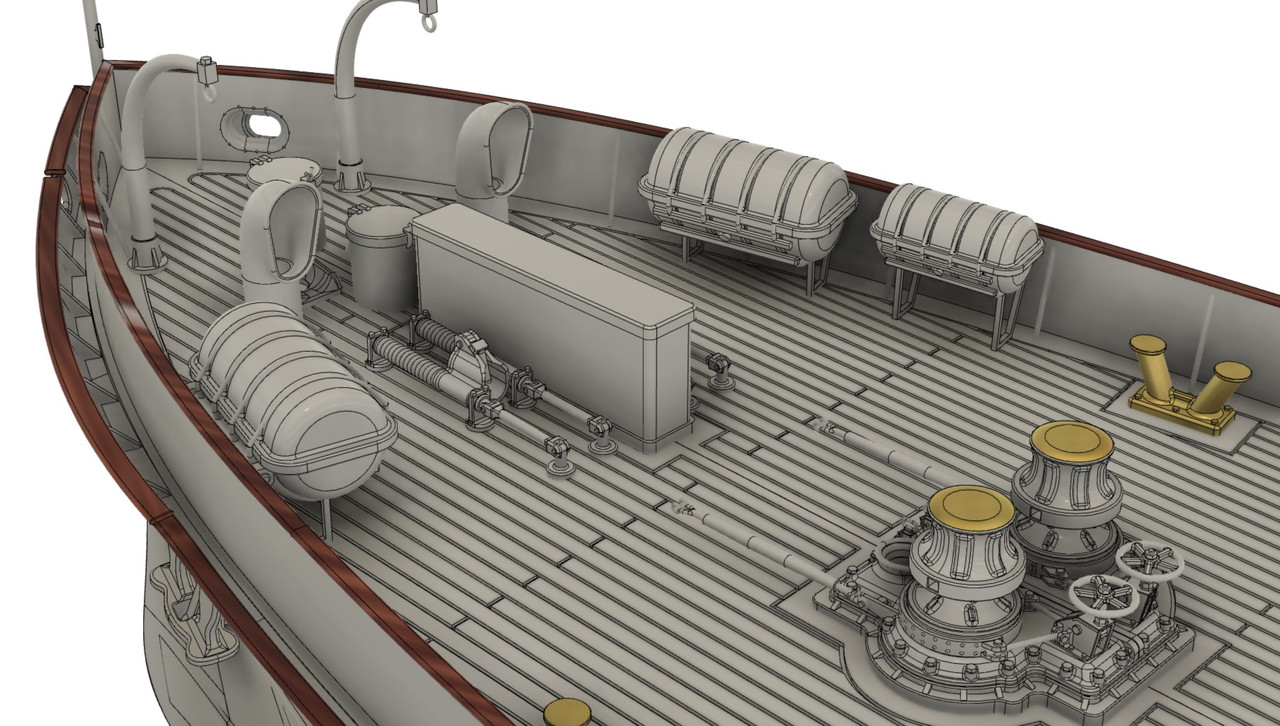
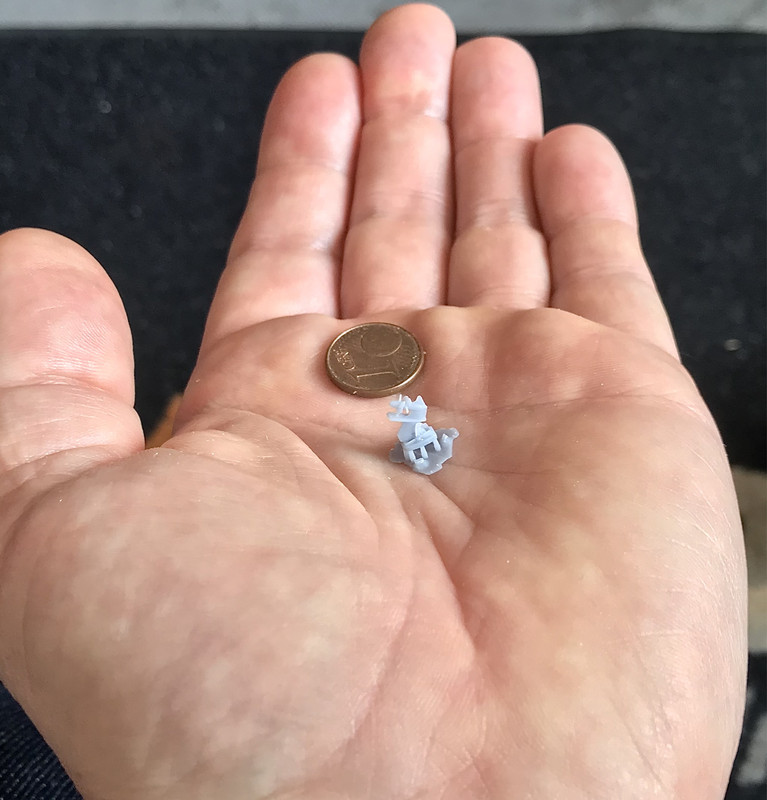
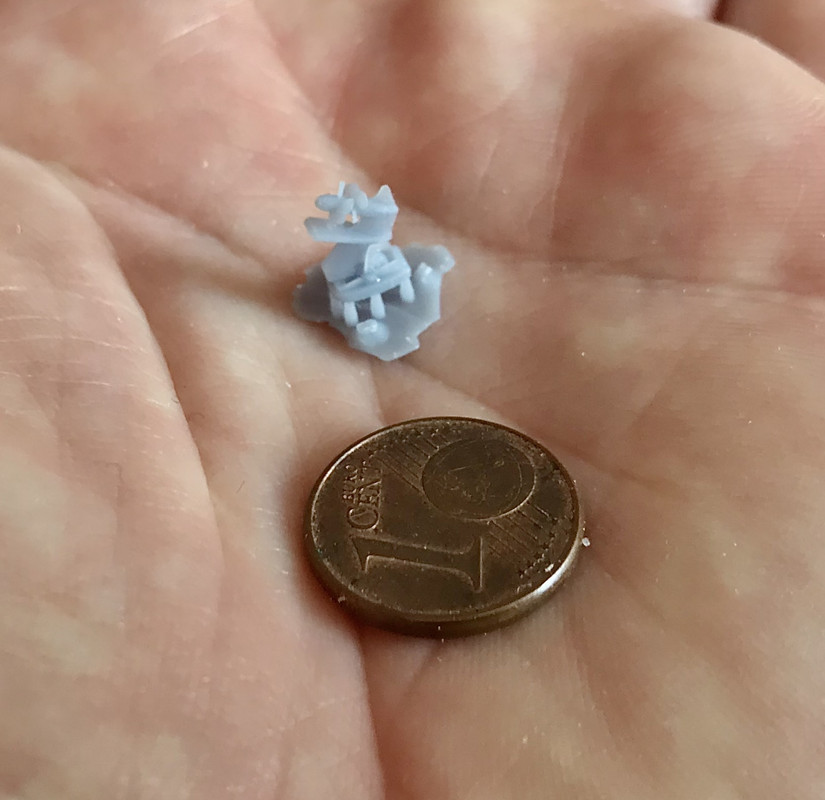
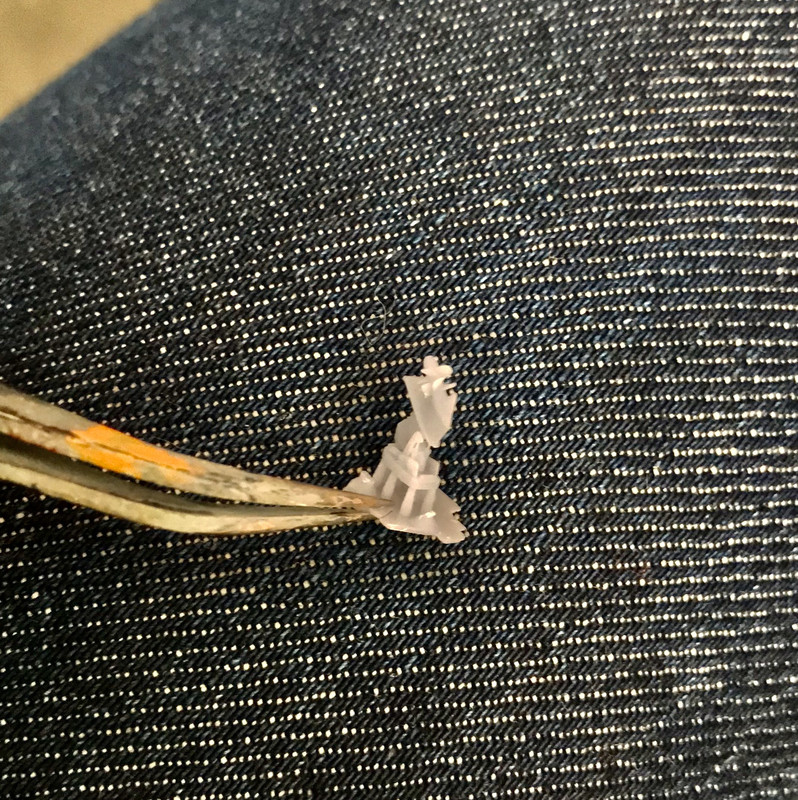
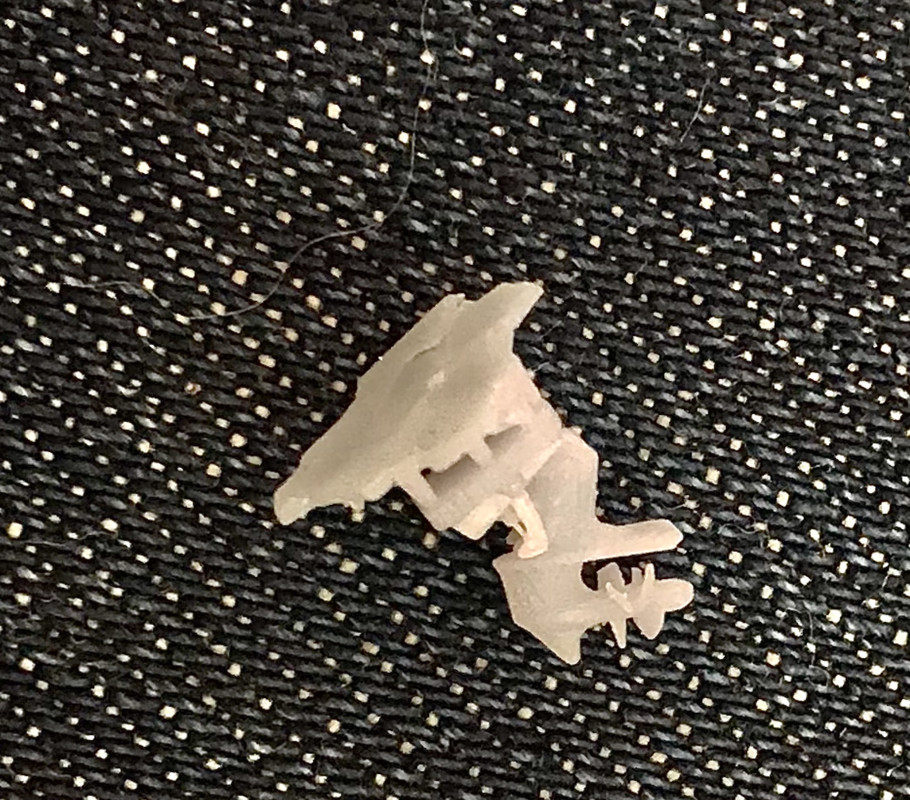
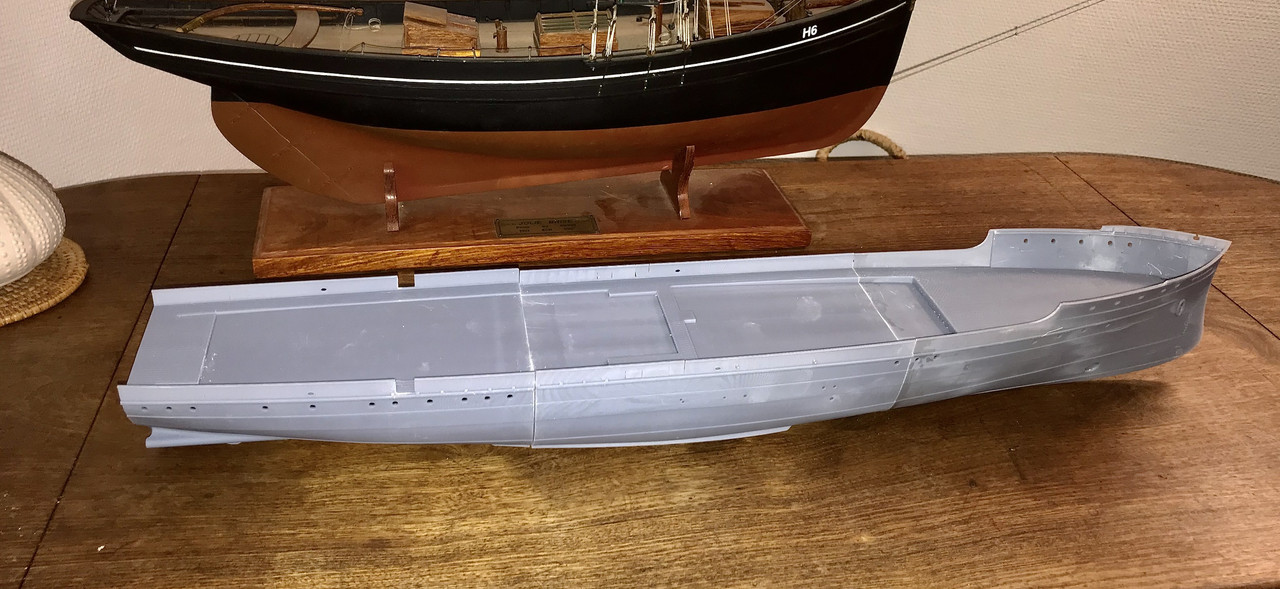
It actually looks like the stoppers are complete in the photo, comparing to the deck plan.
It looks like this:

Moderators: MartinJQuinn, JIM BAUMANN, HMAS, Tiny69, Dave Wooley






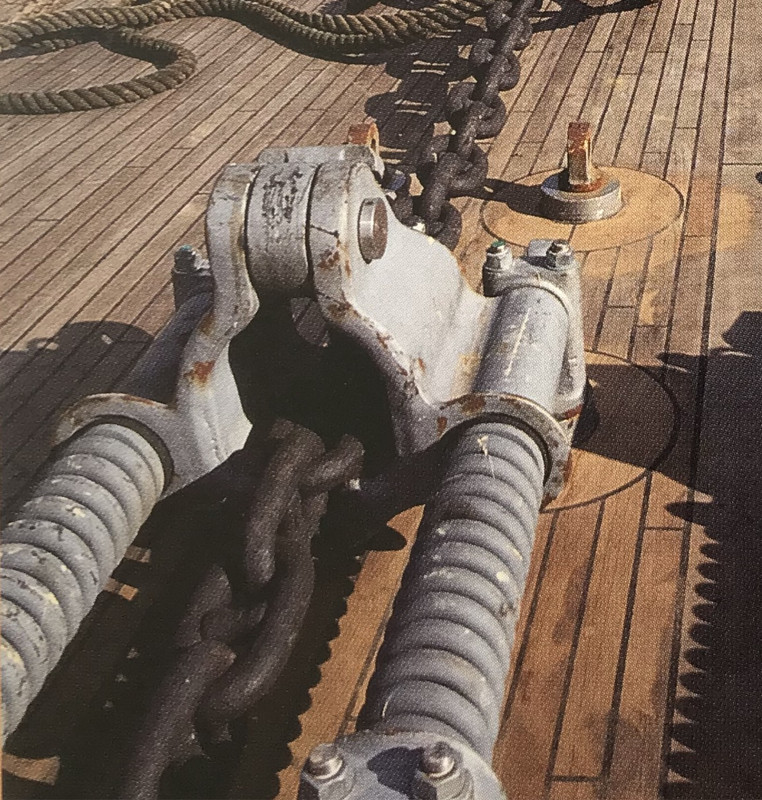
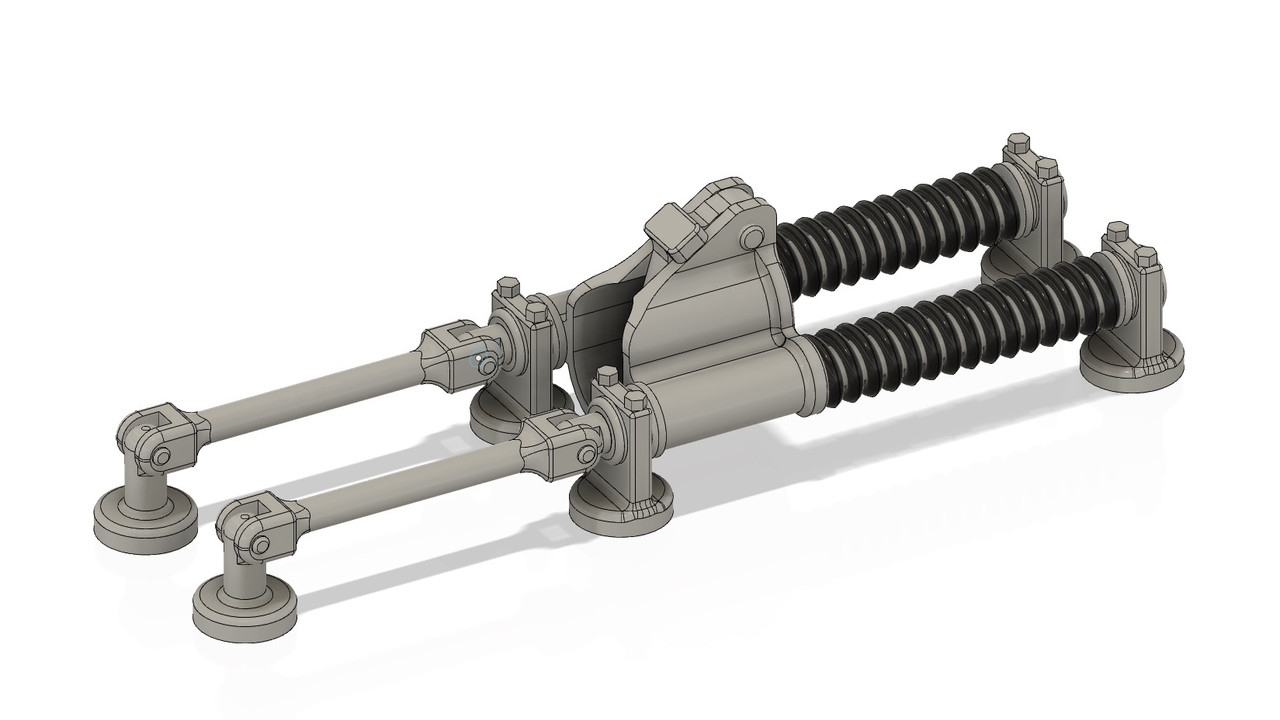
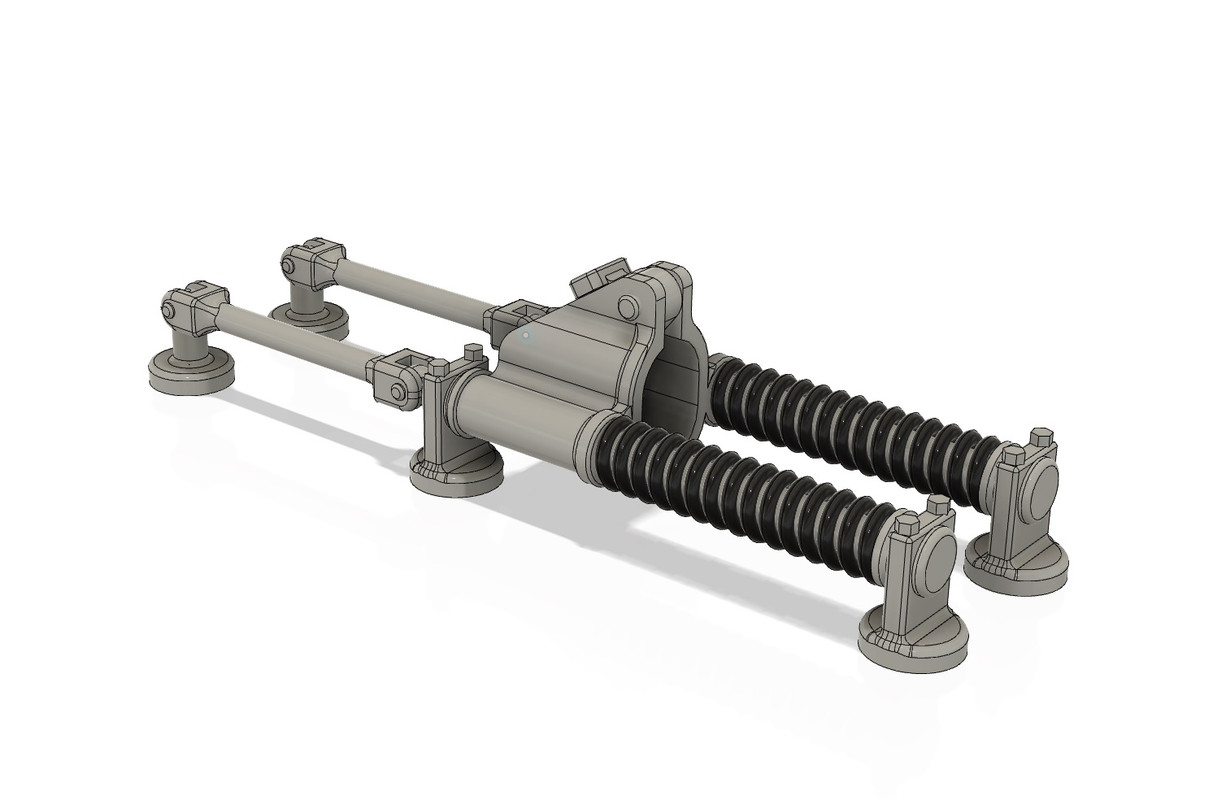
Actually, if you look closely, I don't think so.DrPR wrote:Pascal,
The two arms behind the stopper were probably used when the anchor was hoisted full up. At that point you wouldn't want the anchor bouncing up and down so the arms would prevent the stoppers from moving.
Phil
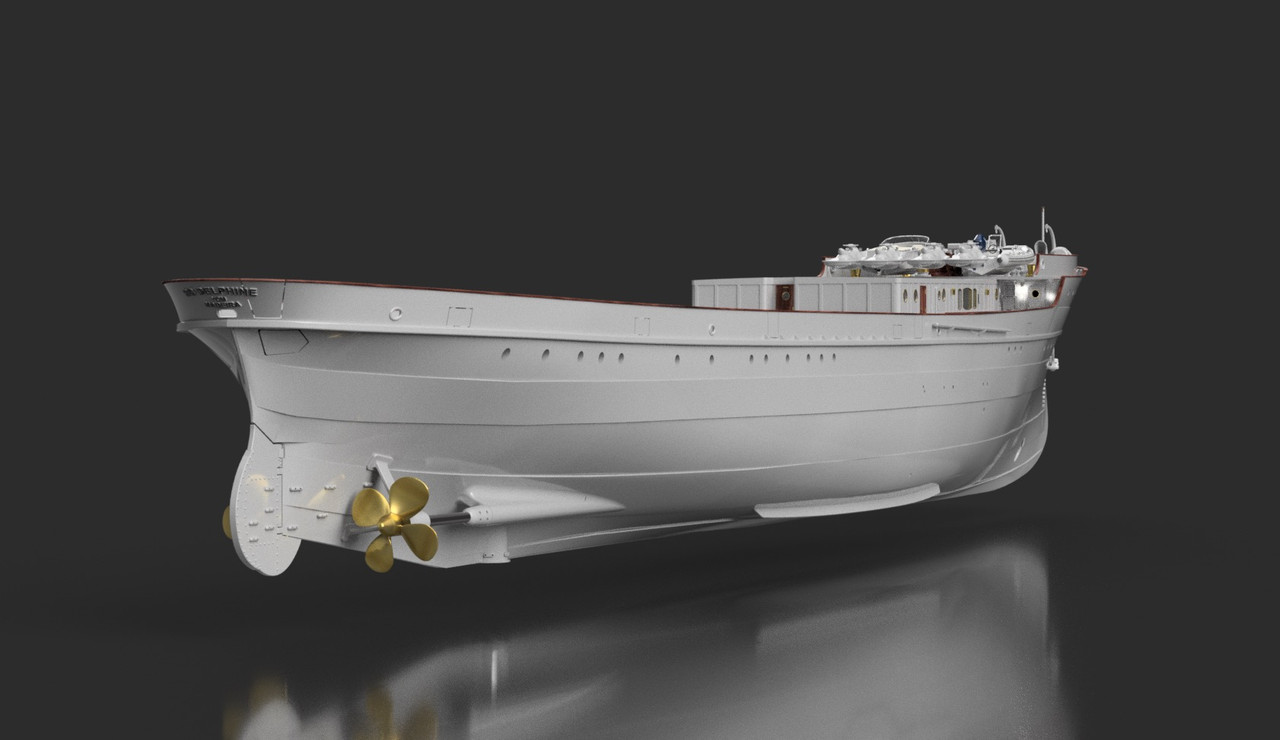
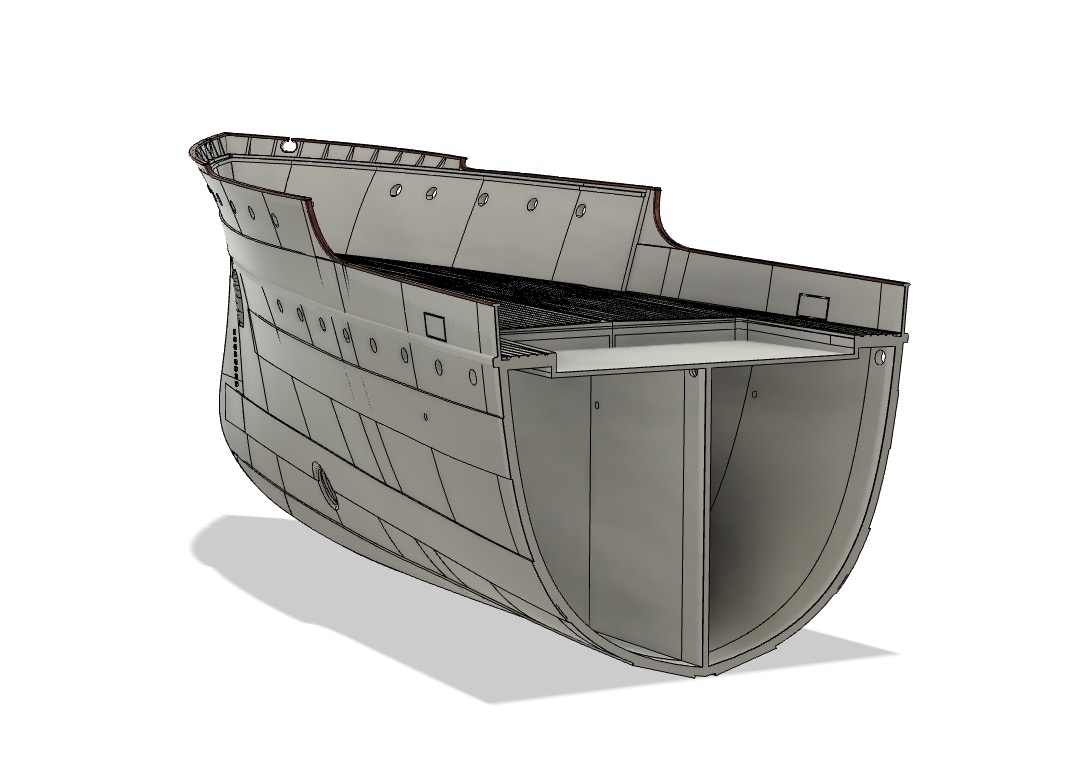
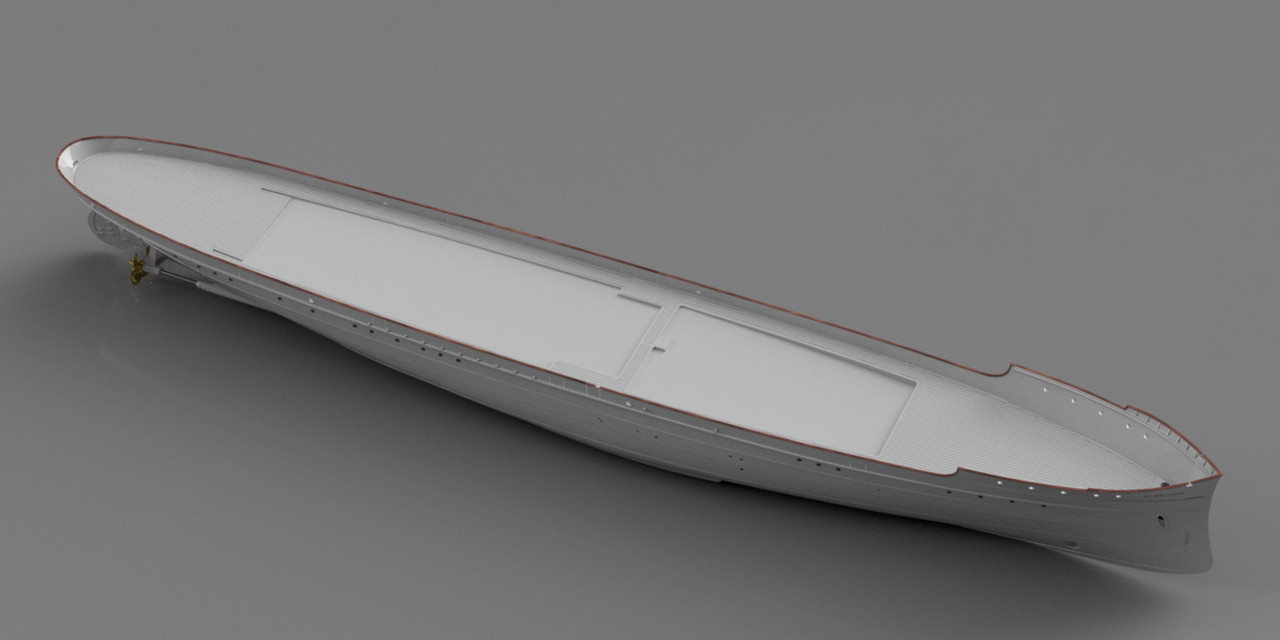
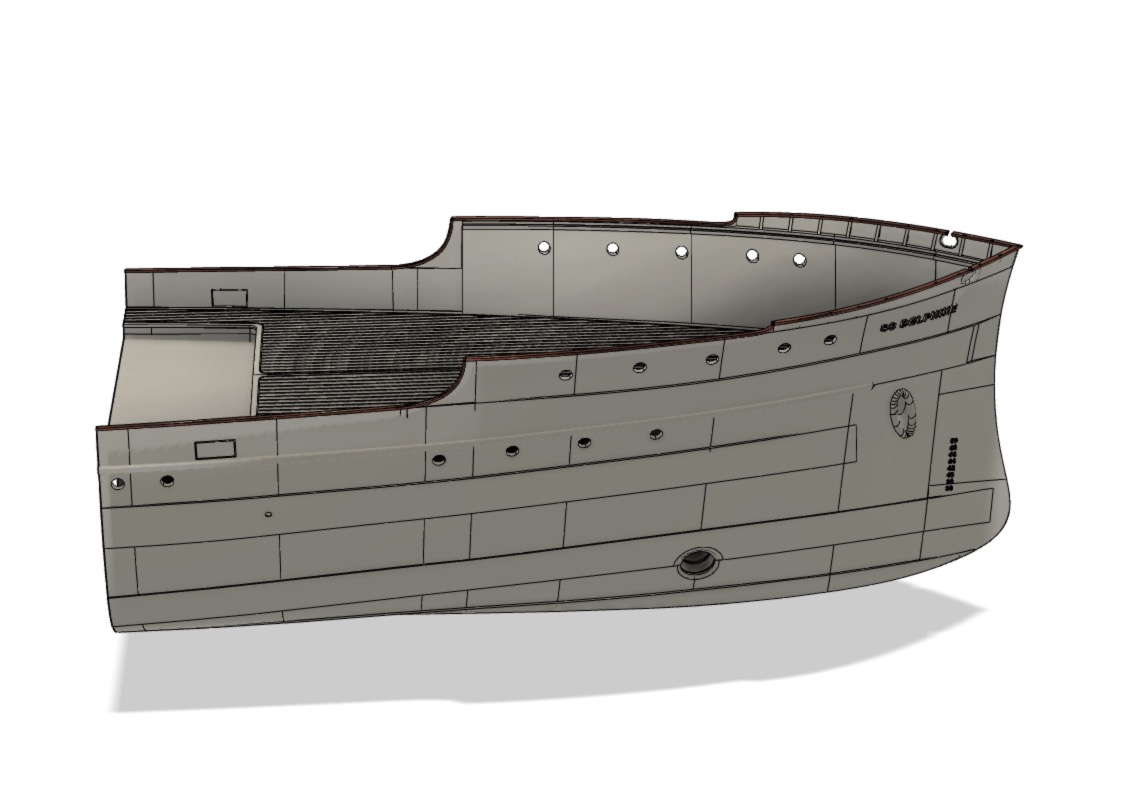
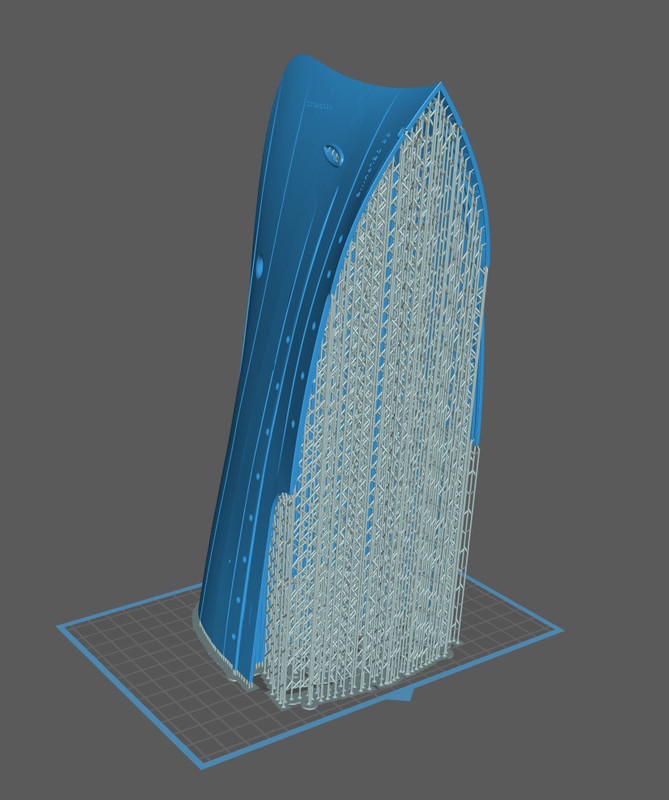
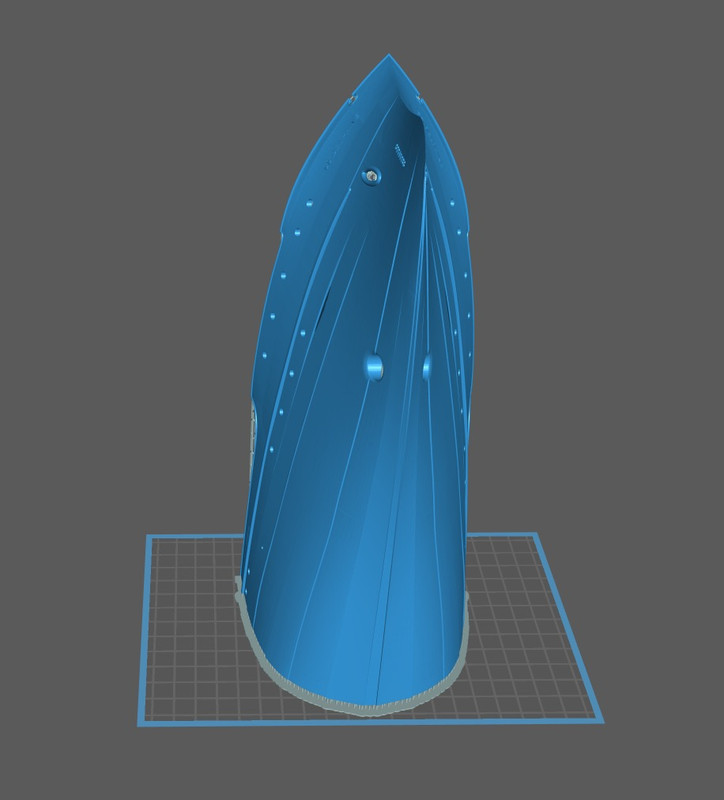
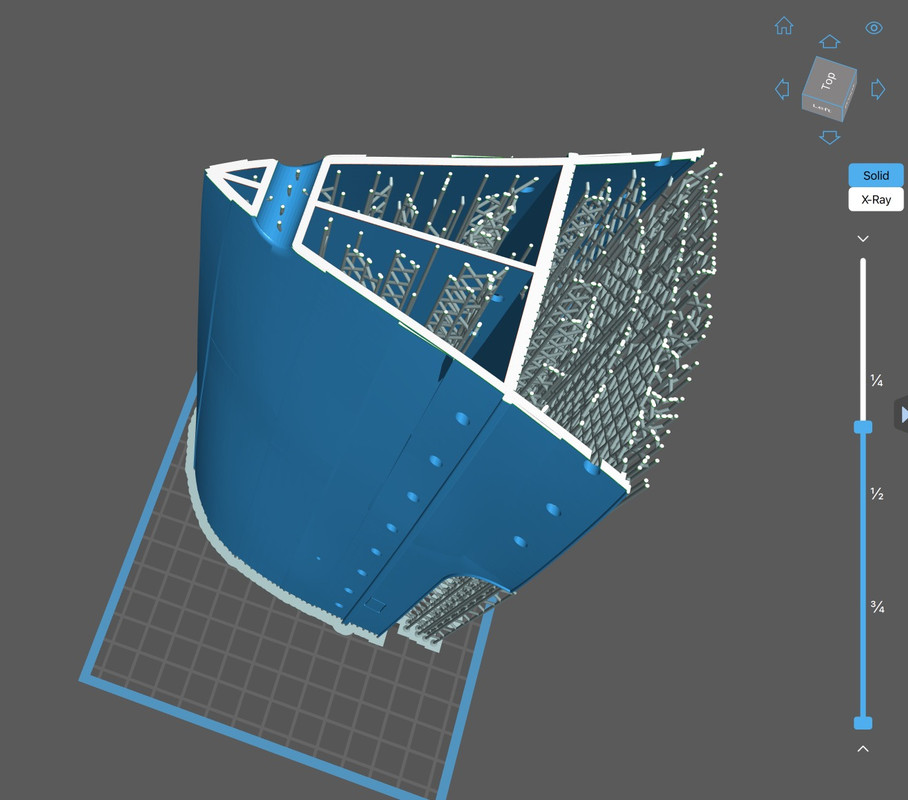
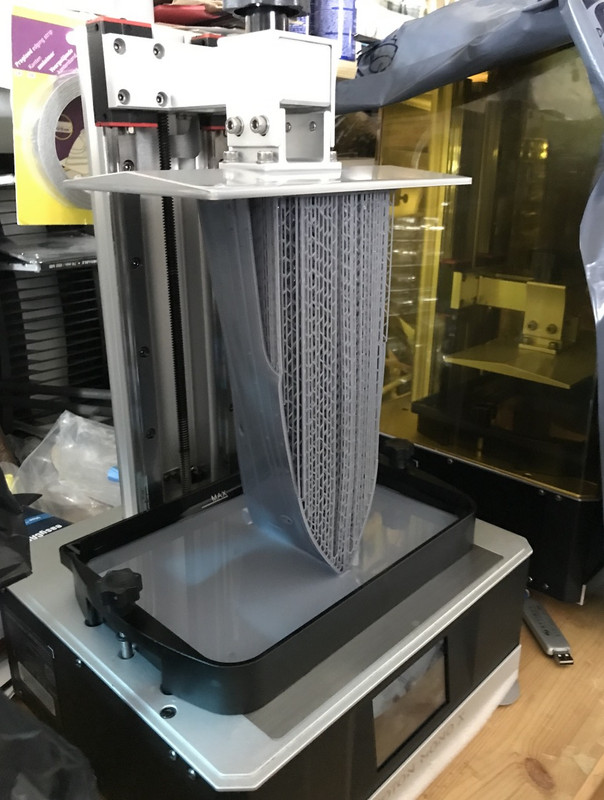
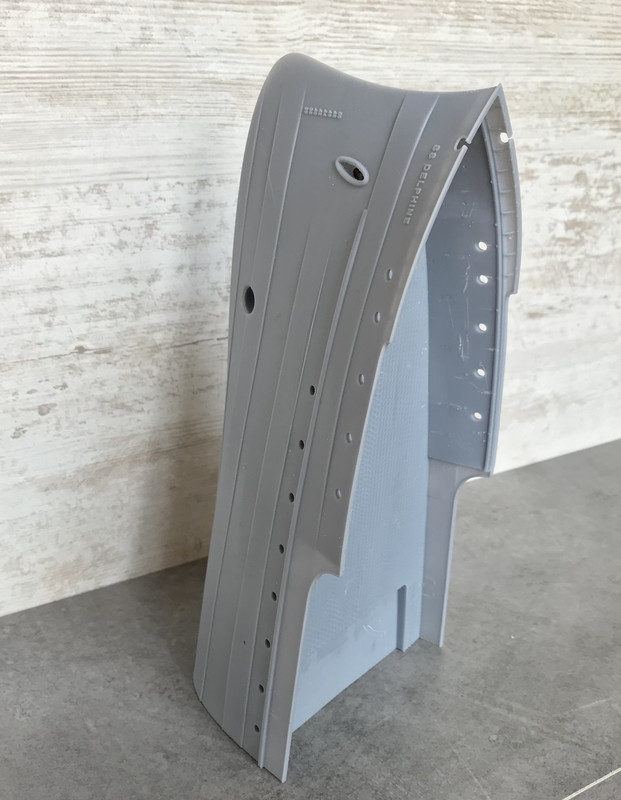
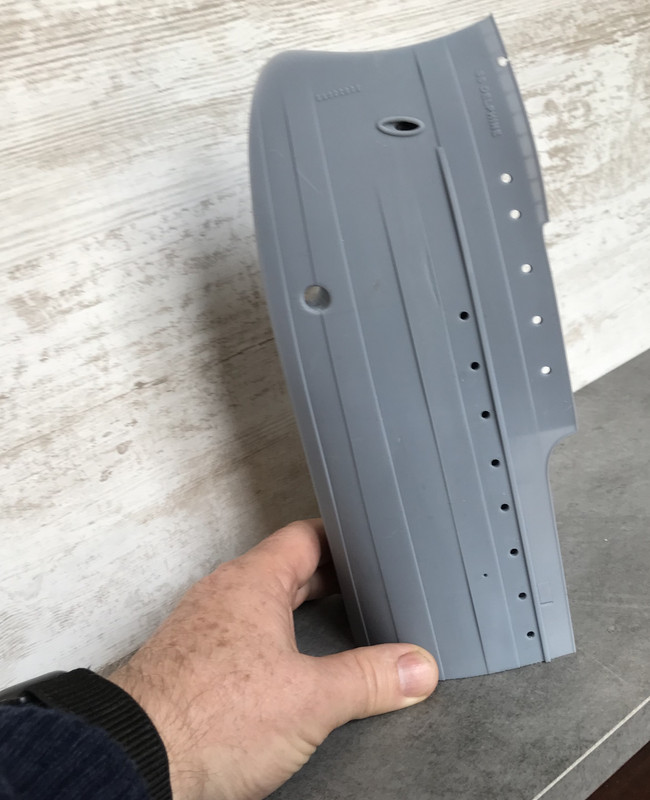
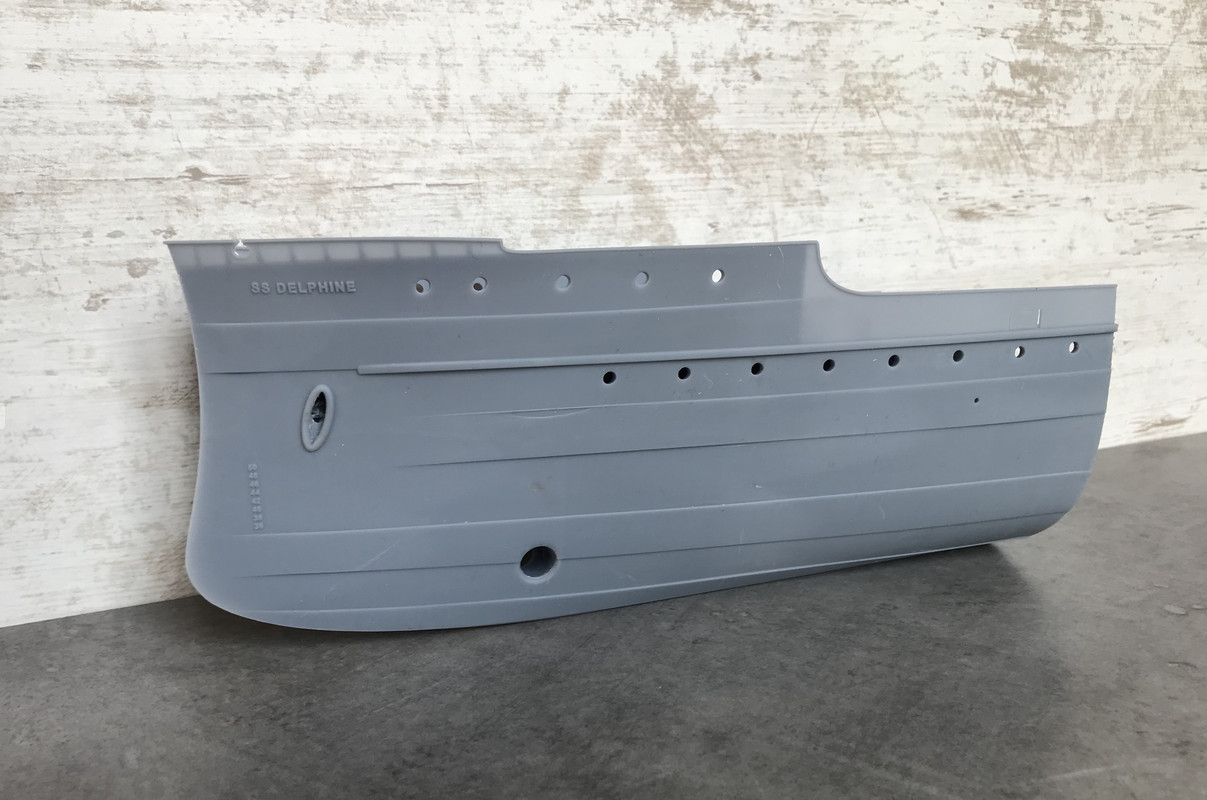
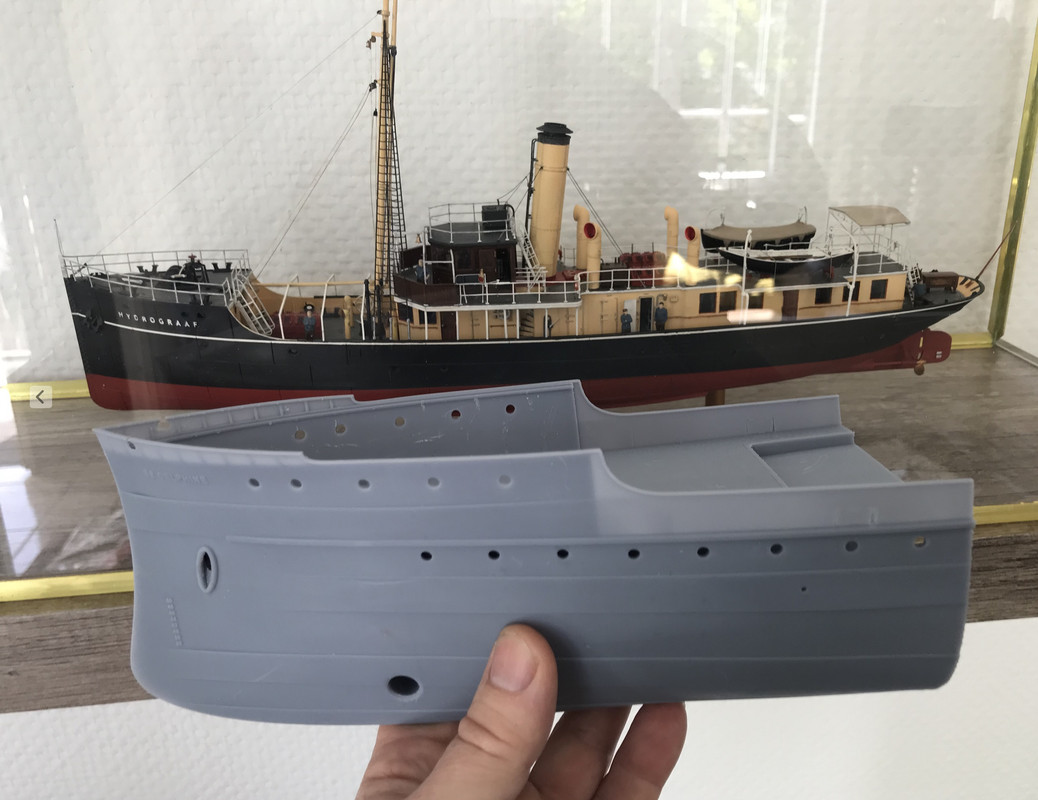
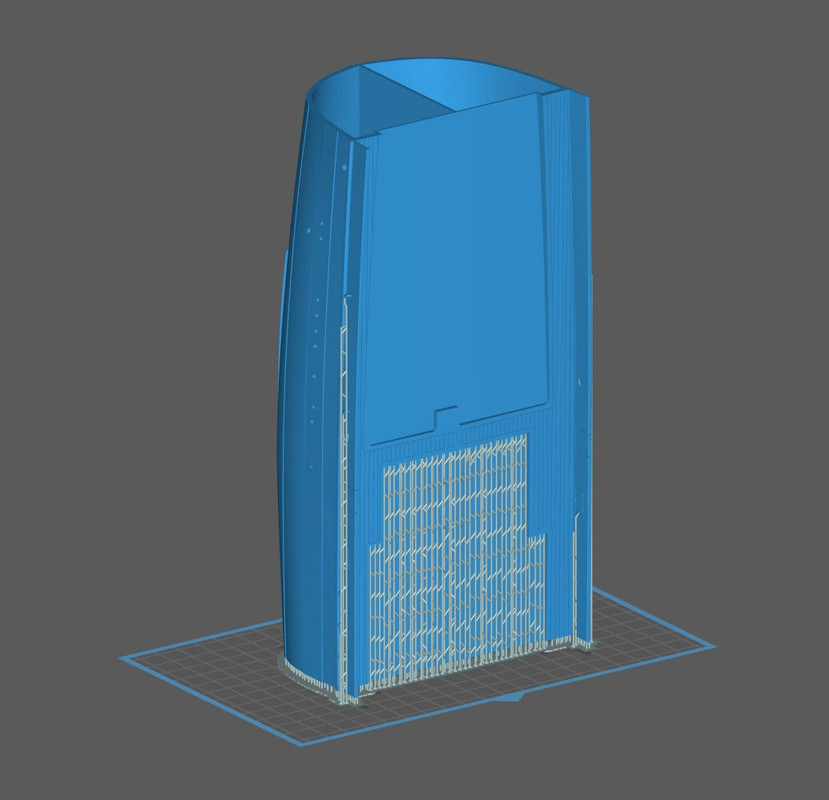
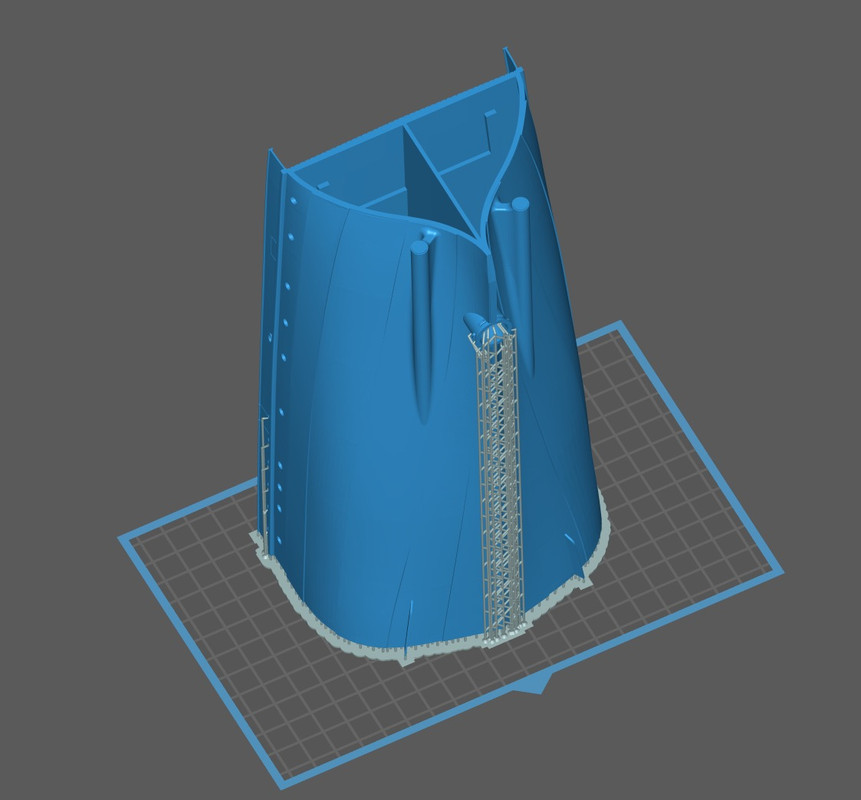
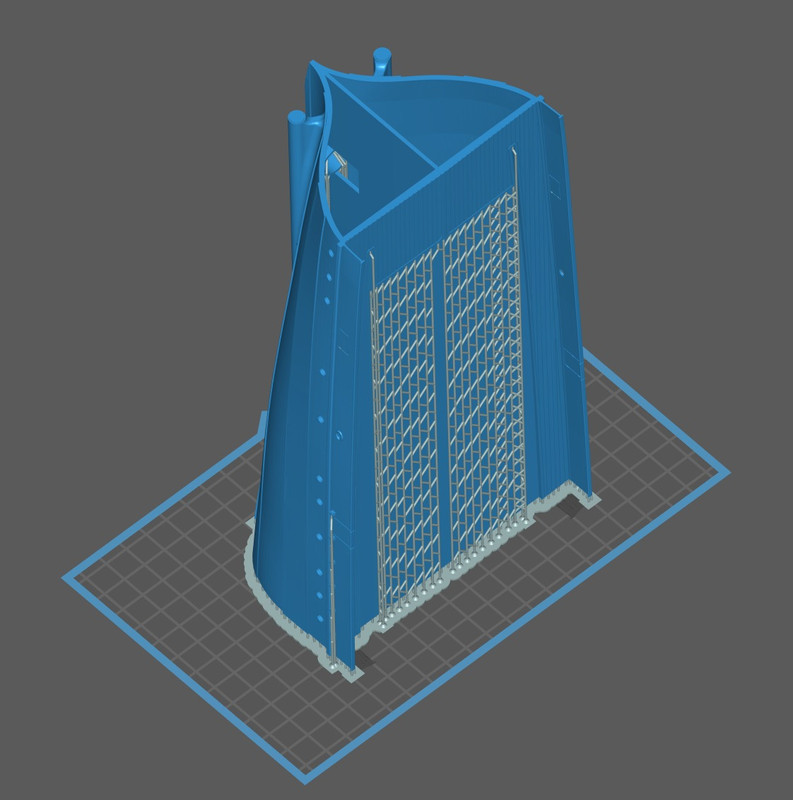
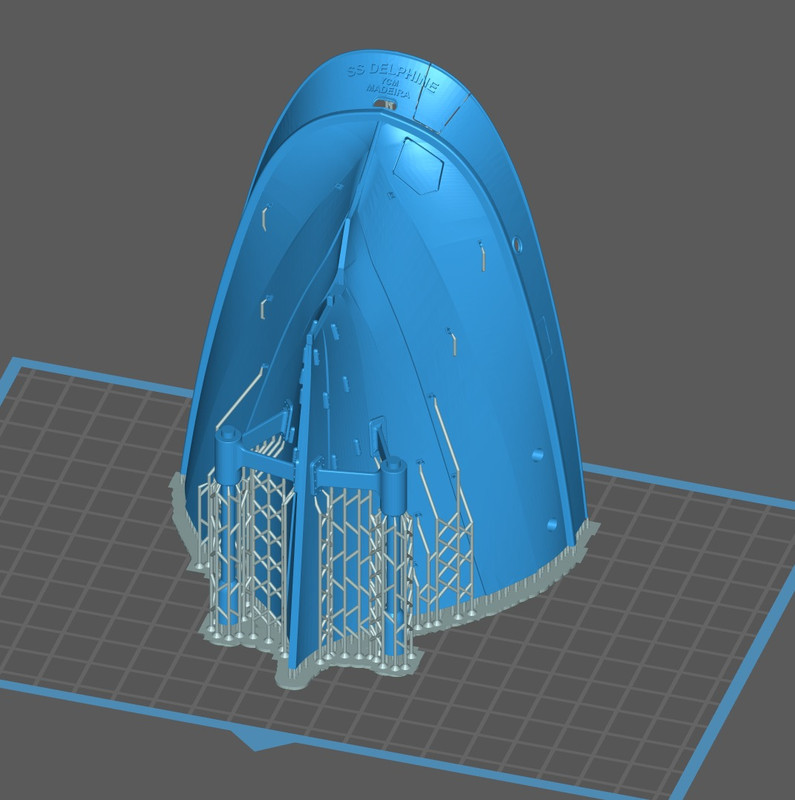
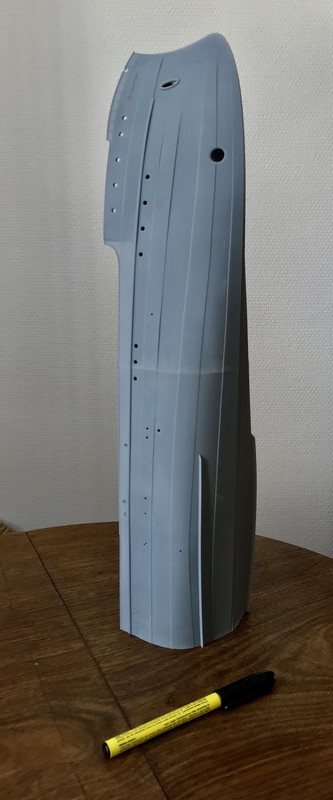
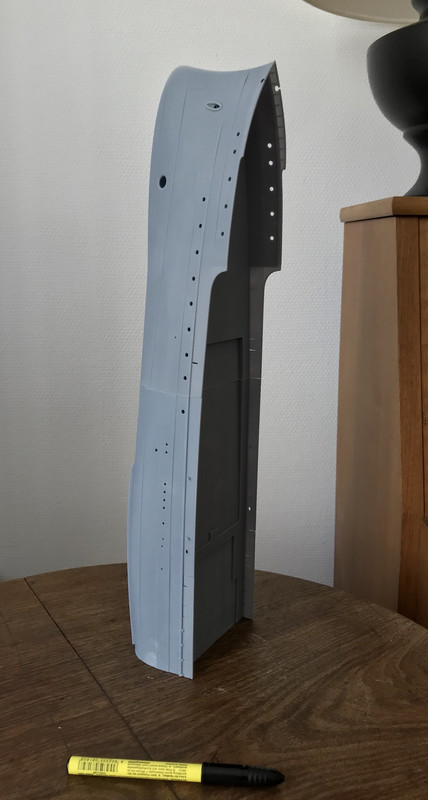
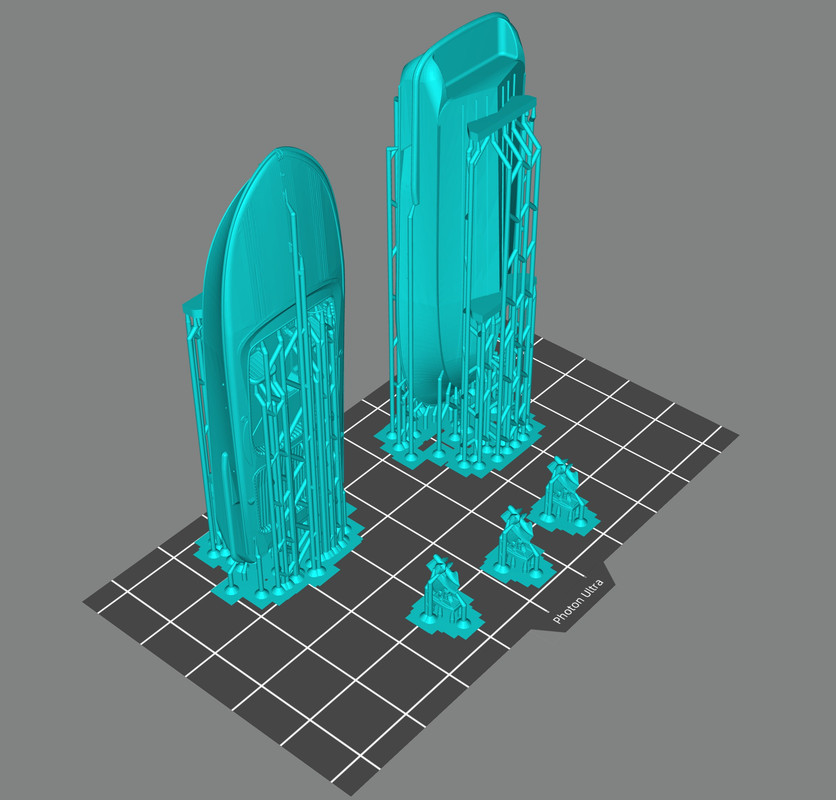
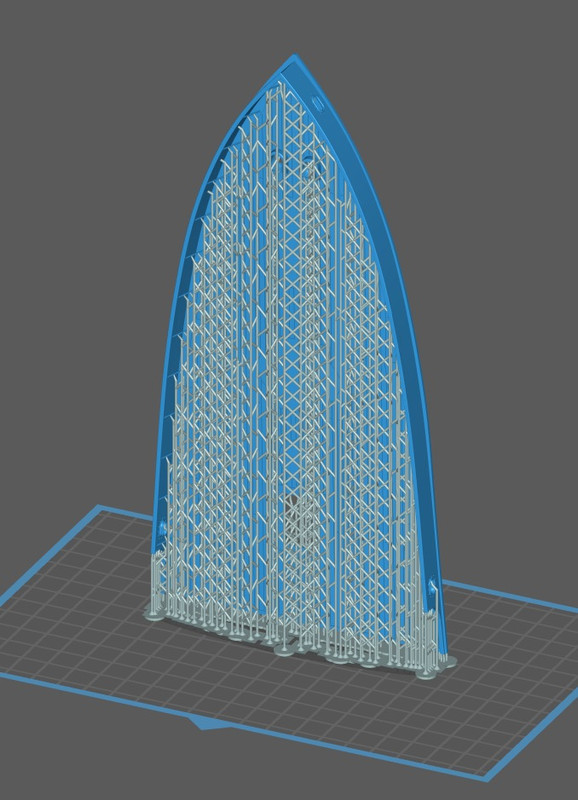
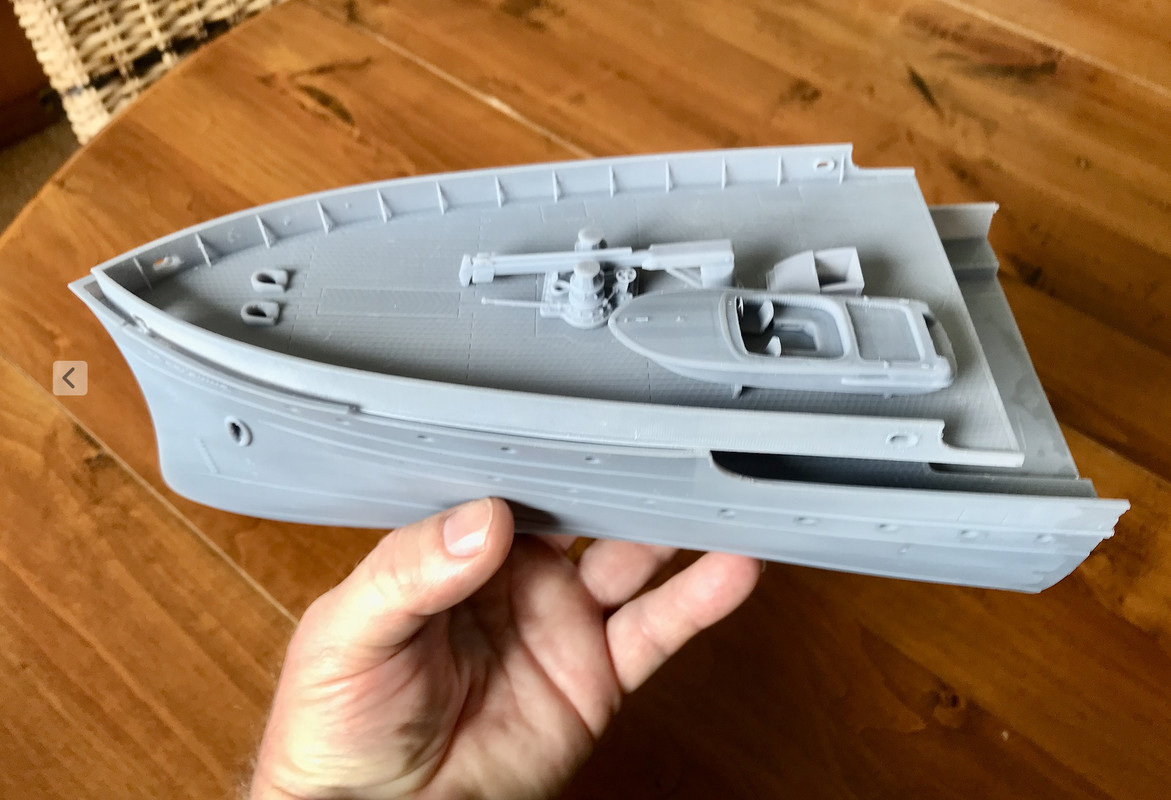
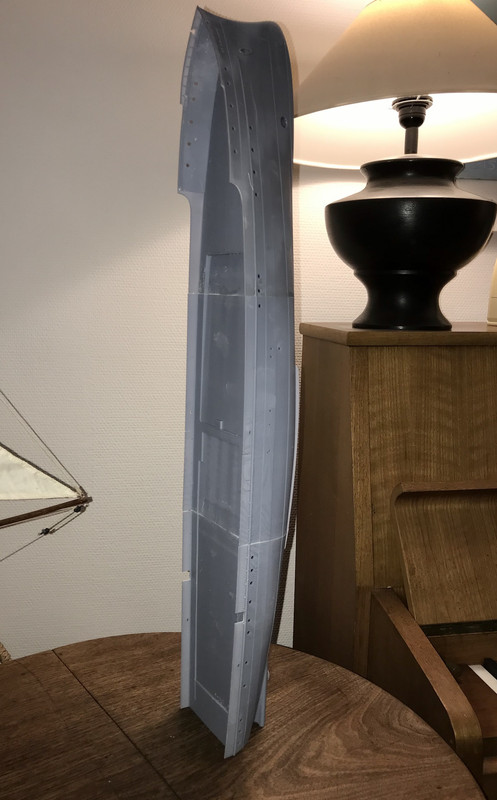
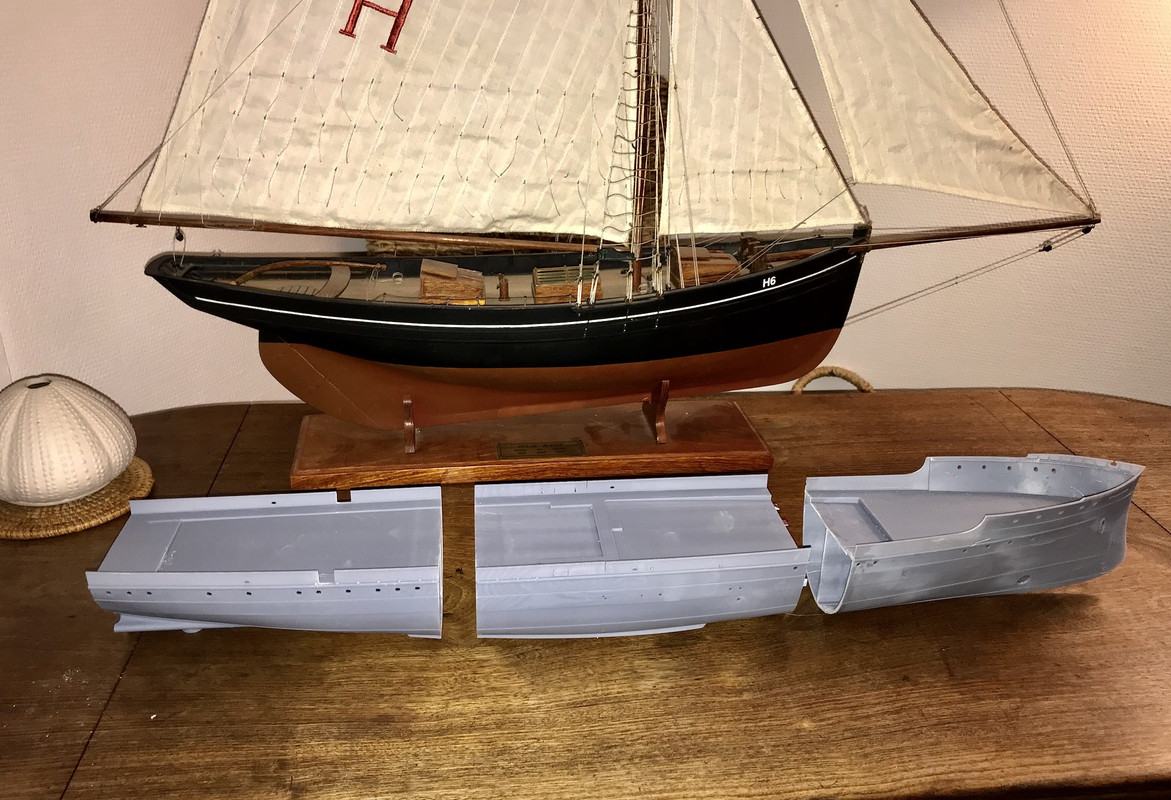
 .
.
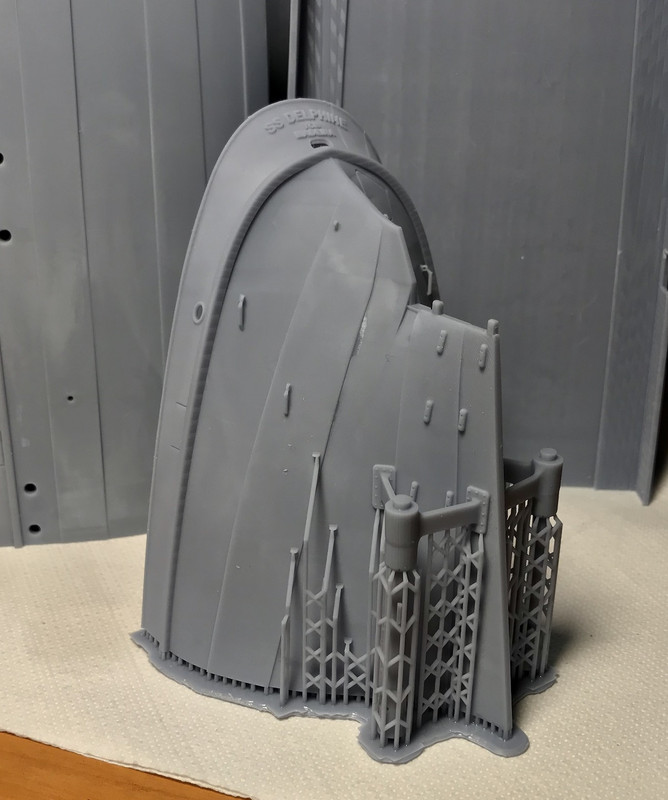

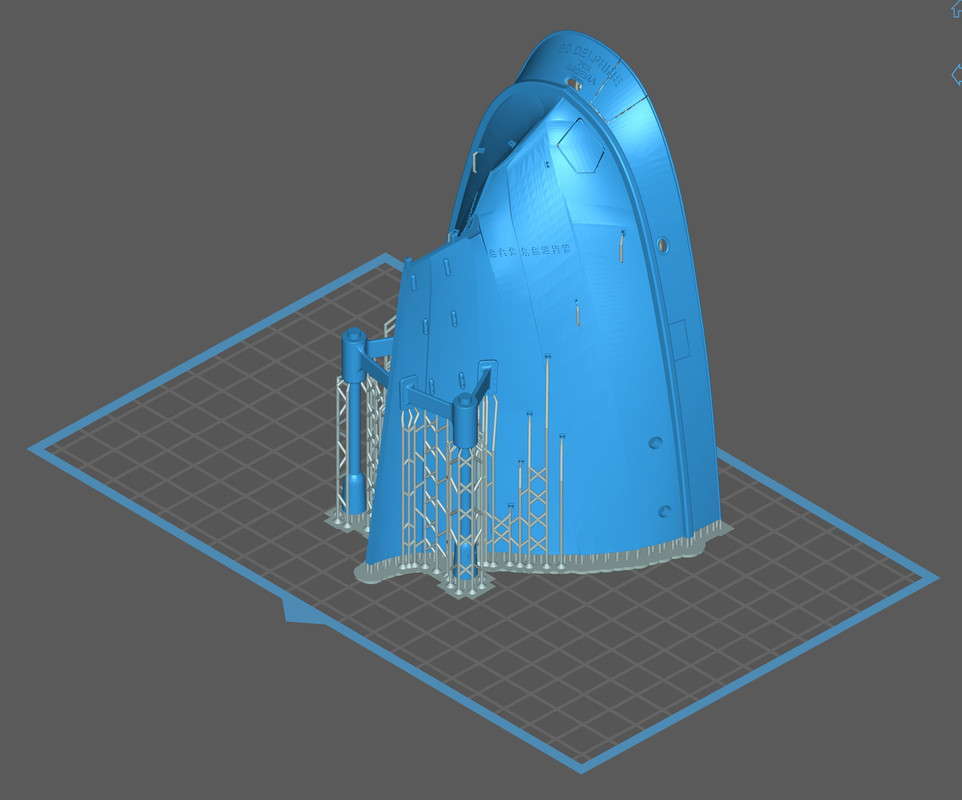

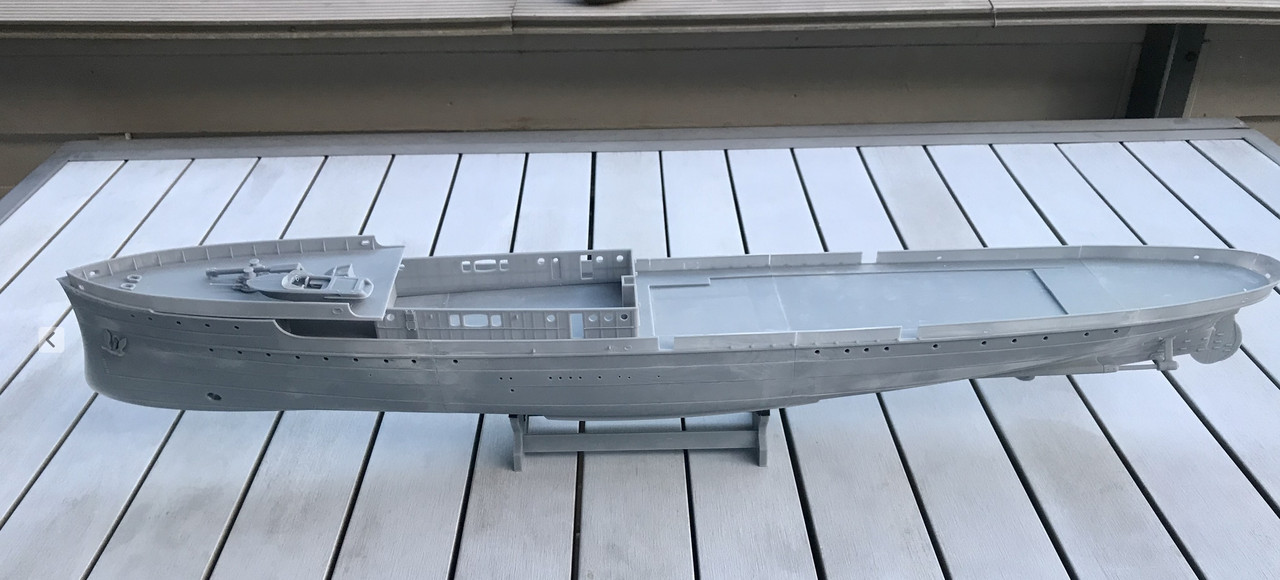
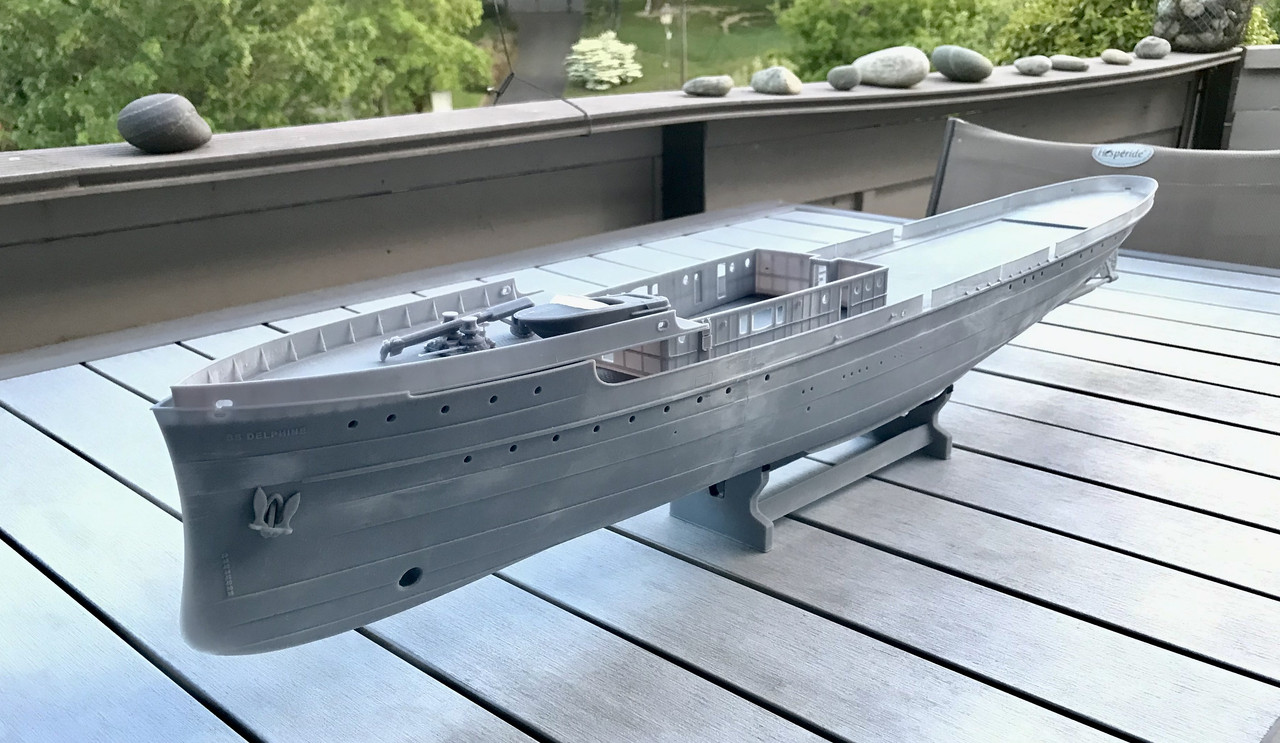
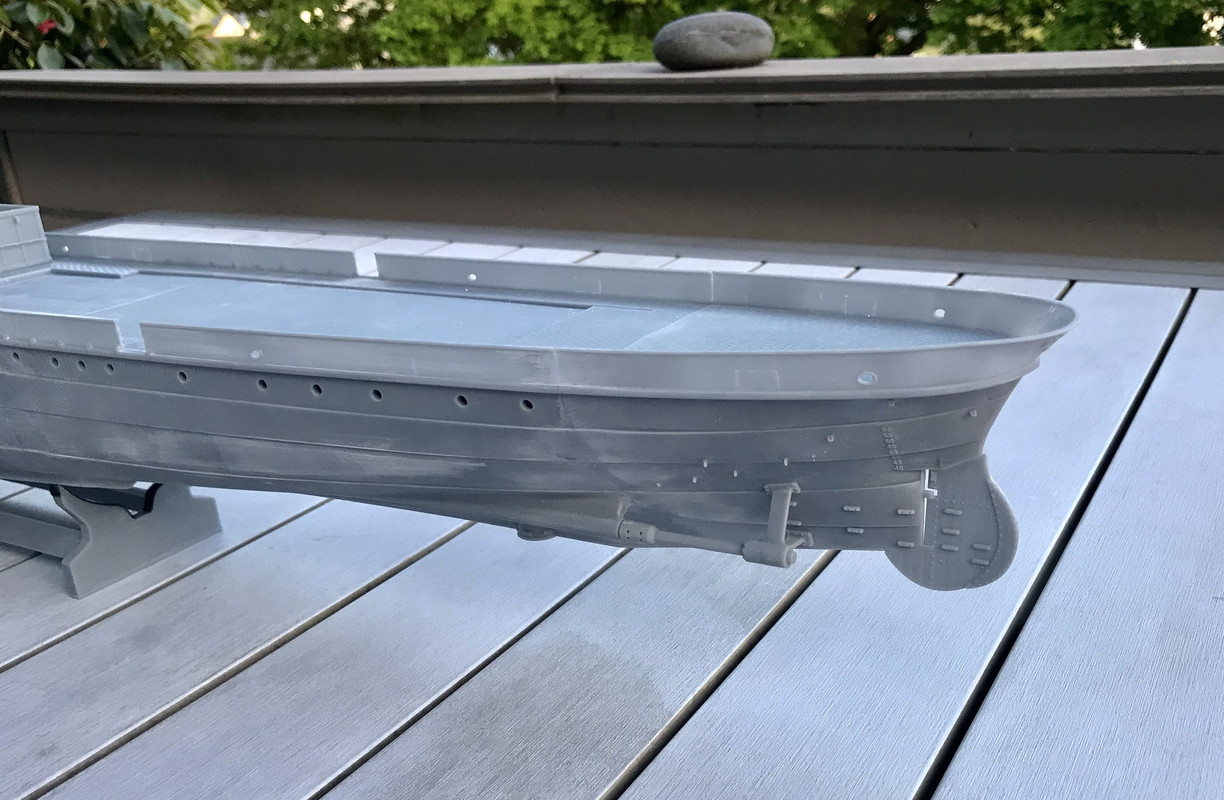
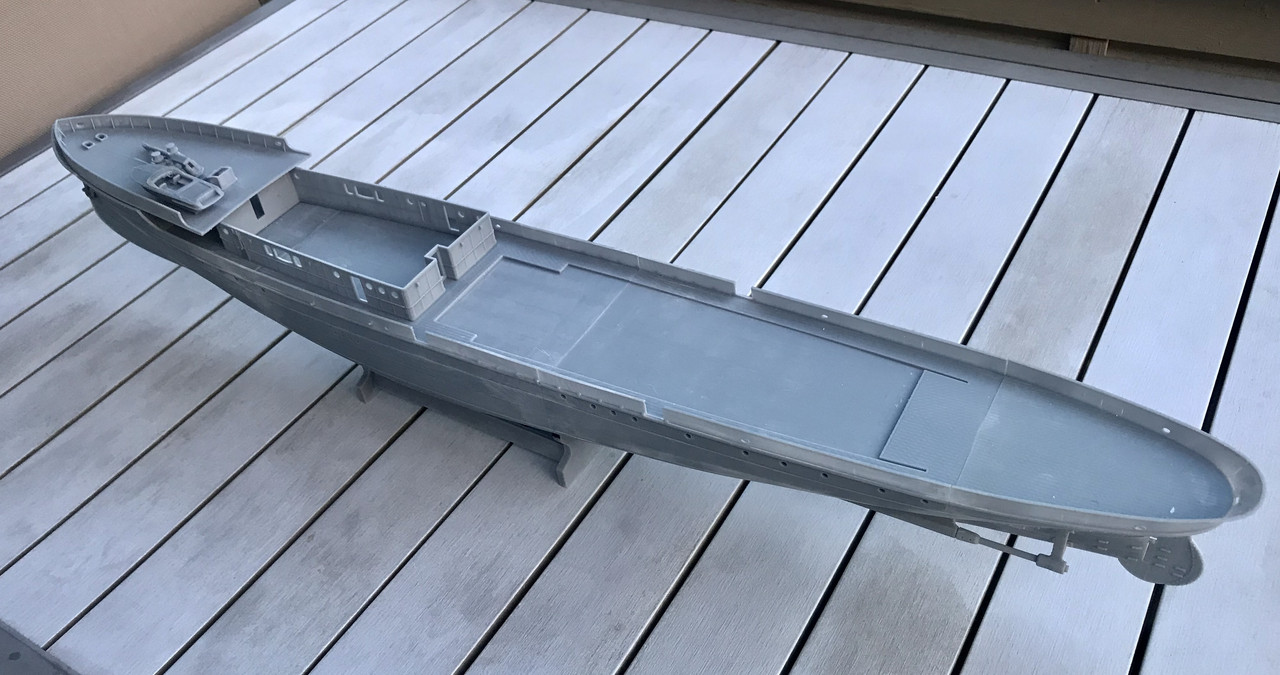
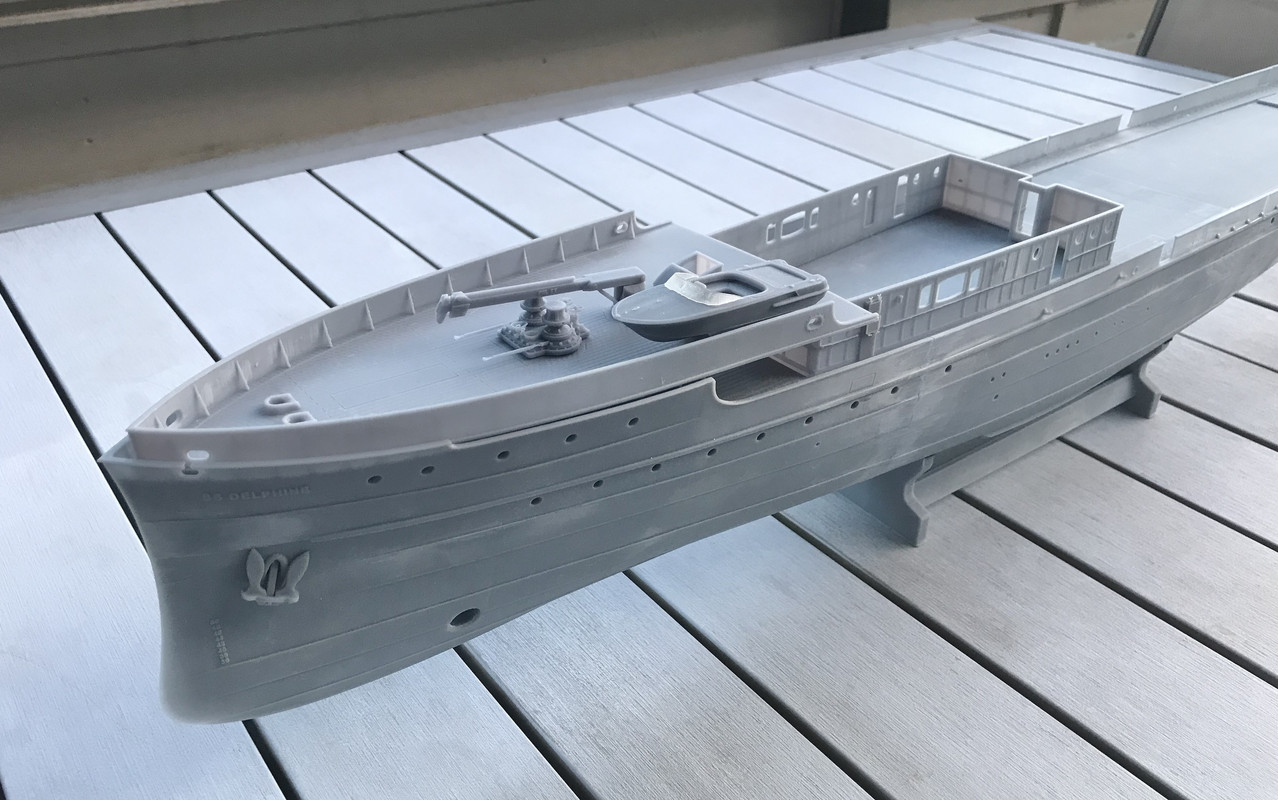
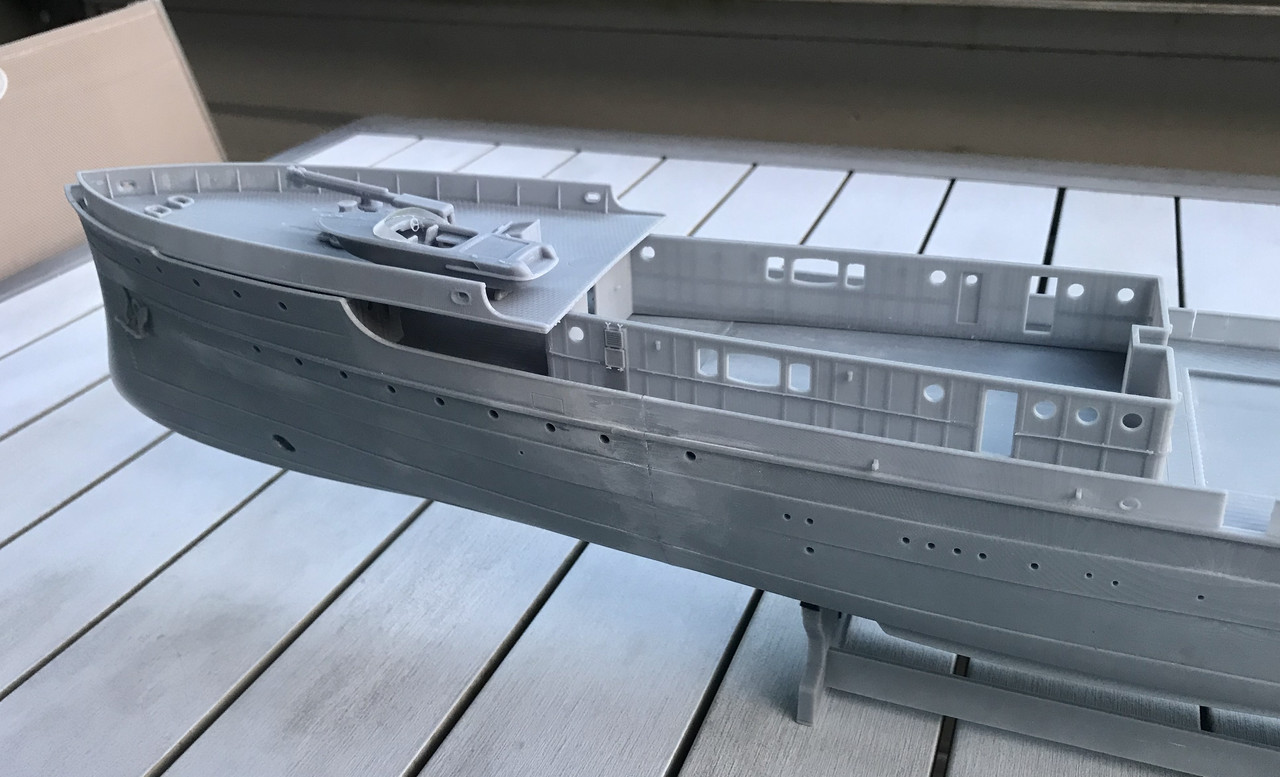



It probably has to be done. Here the thruster comes down from its tube and should be able to turn almost 360 degrees. This type of thruster should help to turn at low speed. But its main purpose is to move the ship towards the quay, convenient when there is wind and to maintain it until the ropes are passed. It also allows not to use the propellers when we pass the hawsers towards the quay, there is always a risk to see the hawsers passed in the propeller on the quay side.DrPR wrote:Pascal,
I was thinking about the bow and stern thrusters and a question came to mind. I have been aboard vessels with thrusters that were used for maneuvering up to a pier. That is pretty common.
On the cruiser I was on we could reverse propellers on one s1de and go ahead on the other side to "twist ship" when pulling up to and leaving the pier. This would cause the ship to spin more or less around the center of gravity. But we could also do this at speed to reduce the turn radius
I wonder if bow/stern thrusters were ever used to reduce the turn radius? In the case of the Delphine the stern thruster would increase drag when lowered, but it would also make an effective "rudder."
Have you (or anyone else) any experience with this or have you read about thrusters being used this way?
Phil
Thanks Jim, yes, a big project.JIM BAUMANN wrote:I have been following this stunning bit of research and analysis!
what a GREAT project!-- so very skilfully interpreted!!!
BRAVO !!
JIM B